Awaiting Publication: Lindsey Olsson’s "To Drown a Witch" Promises a Gripping Romantasy Debut
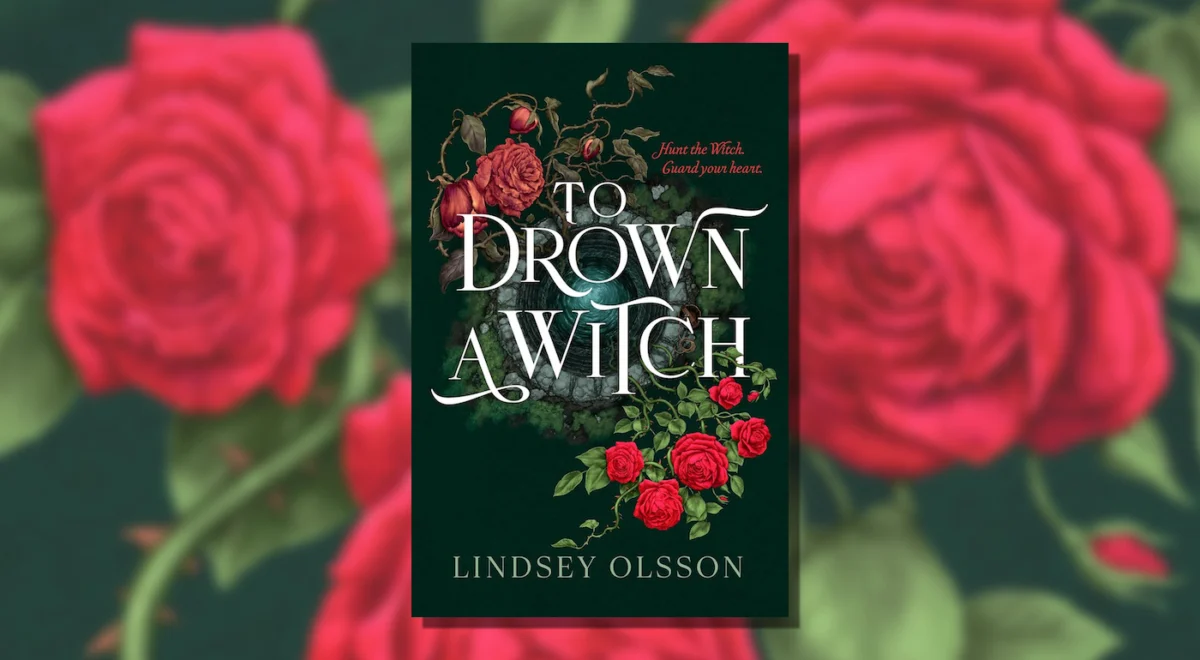
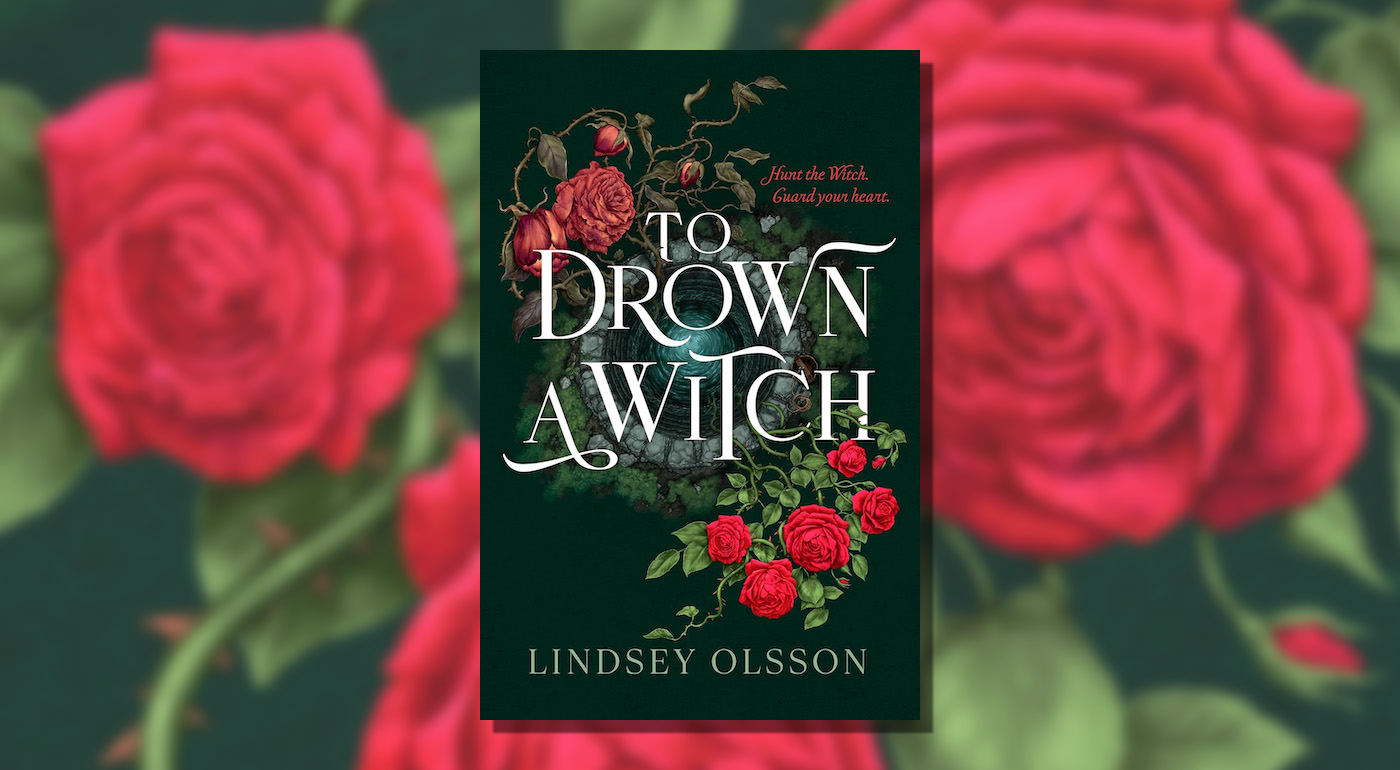
NEW YORK, NY – July 14, 2026 – G.P. Putnam’s Sons Books for Young Readers is set to release a highly anticipated young adult romantasy novel, To Drown a Witch, by debut author Lindsey Olsson. Scheduled for publication on July 14th, 2026, this novel plunges readers into the perilous, magic-haunted city of Gadore, where fear of the supernatural reigns supreme and the line between hero and villain blurs with every twist of fate.
Early excerpts from To Drown a Witch reveal a meticulously crafted world brimming with danger, political intrigue, and the burgeoning spark of an enemies-to-lovers romance. Olsson’s narrative introduces a city teetering on the brink, where an ancient curse resurfaces, forcing unlikely allies together in a desperate hunt for truth and survival.
Main Facts: Unveiling Gadore’s Dark Heart
To Drown a Witch is poised to be a significant entry into the thriving young adult romantasy genre, blending high-stakes fantasy with compelling romantic tension. The story is set in Gadore, a city gripped by a generations-old fear of the "Witch"—a figure reborn into each era, uniquely possessing innate, potent magic. This magic, while awe-inspiring, is seen as a harbinger of destruction, leading to a relentless cycle of fear and persecution.
The narrative thrust begins with a series of gruesome murders: guards across Gadore dropping dead, victims of violent and vicious magic. This terrifying development confirms the city’s darkest fears: the Witch has returned, and no one is safe until she is apprehended and, presumably, killed.
At the heart of the hunt is Toran, the Prince’s Crown and the most skilled fighter in the King’s Guard. Burdened by a shadowed past, Toran is tasked with leading the perilous quest to find and eliminate the Witch. His assignment, however, takes an unexpected turn when he forcibly recruits Nes, a cunning thief from Gadore’s grimy underbelly. Nes possesses an extraordinary, almost supernatural, ability to "sniff out" magic, making her an invaluable, albeit reluctant, asset to Toran’s mission.
As Toran and Nes navigate a treacherous landscape of deadly magic and otherworldly threats, their initial mutual dislike begins to transform into something "electric." Drawn to each other against the backdrop of a city on the verge of collapse, they must confront not only the elusive Witch but also the dangerous secrets threatening to unravel their fragile trust and the very foundations of Gadore itself.
Chronology of Fear: The Witch’s Return and the Hunt’s Genesis
The Looming Threat: A City in Crisis
The city of Gadore exists in a state of perpetual vigilance against an ancient, dreaded prophecy: the rebirth of the Witch. This isn’t merely folklore; it’s a terrifying reality woven into the fabric of their society. The Witch, unique in her innate magical abilities, is considered the ultimate threat, a force of chaos and destruction that must be purged. Generations have been indoctrinated with this fear, shaping laws, traditions, and the very perception of magic itself.
The current crisis escalates dramatically with the sudden, brutal deaths of King’s Guard members. These aren’t ordinary assassinations; the guards are gruesomely murdered by powerful, uncontrolled magic, leaving no doubt in the public’s mind: the Witch has indeed returned. Panic spreads through Gadore like wildfire, fueled by the knowledge that this reborn entity is capable of wielding magic with a single thought, making her an unstoppable force unless halted. The implication is clear: the safety of every citizen hinges on the swift execution of this new Witch.
In response to this existential threat, the monarchy mobilizes its most formidable assets. Toran, holding the prestigious title of Prince’s Crown, is thrust into the unenviable position of leading the King’s Guard in this high-stakes hunt. His role is not merely strategic; it is symbolic, embodying the kingdom’s resolve to protect its people and uphold its deep-seated anti-magic doctrines. For Toran, the mission is also a personal battle, a chance to outrun the "ghosts of his past" by focusing on the tangible, immediate danger.
Nes’s Entanglement: A Thief’s Desperate Bargain
Enter Nes Deivana, a resourceful thief whose life is a stark contrast to Toran’s privileged, duty-bound existence. Nes hails from the Ditch, one of Gadore’s six city sectors, depicted as an overflowing mouth of ramshackle hovels and grim realities. Her world is one of survival, where desperation is a weakness and every transaction comes with a hidden cost.
Nes possesses a unique, almost supernatural gift: an uncanny ability to "sniff out" magic, regardless of its form or concealment. This makes her an invaluable asset to the city’s criminal underlord, Phineas Wraw, who profits immensely from the trade in "diluted magic"—a less potent, ingestible form of magic that grants users unique abilities. Nes, whom Phineas mockingly calls his "hound," has spent two years in his employ, tracking down individuals who have consumed this diluted magic for his underground brawlhouse empire. Her motivation isn’t greed but a desperate bargain: Phineas promised to free her father from the Walled Prison in exchange for her services.
Toran’s forced recruitment of Nes throws these two disparate worlds together. A royal hunter and a street-savvy thief, bound by a common, dangerous goal. The stage is set for a relationship built on distrust and differing moral codes, yet destined to evolve as they confront the true nature of magic and the Witch they both seek. This forced alliance forms the bedrock of the "romantasy" element, promising a journey from animosity to a profound, complicated connection.
Supporting Data: A Deep Dive into the Excerpt’s Narrative Elements
The provided excerpts from To Drown a Witch offer a compelling glimpse into Olsson’s narrative prowess, showcasing intricate world-building, deep character introspection, and a plot simmering with tension.
The Witch’s Secret Burden: A First-Person Revelation
The section titled "Before The Witch" immediately immerses the reader in a deeply personal and unsettling experience. Told from a first-person perspective, it introduces a character burdened by an immense, dangerous power. The opening lines, "The trees have their eyes on me," establish a pervasive sense of paranoia and surveillance, a feeling of being constantly watched and judged by nature itself. This character’s solitary ritual in the forest, where she sheds her clothes and immerses herself in a frigid river, is a desperate act of self-preservation.
The core of this character’s conflict is her innate magic, which she perceives not as a gift but as a "fear," a "shame." She recounts learning about the "dangerous magic residing within" the trees at four, realizing she was "just like them, a husk for magic to hide in" at five, and learning to "hide" at six. This chronological progression highlights a childhood defined by suppression and the terrifying realization of her own forbidden nature. The magic "pulses, beats, thrashes against me," a living entity she cannot kill, yet one she believes will ultimately be "the death of me."
Her ritual of expelling small portions of magic into the river is a visceral description of internal struggle. The magic resists, but with a "sharp yank," a piece breaks free, causing violent reactions in the environment: ice forms, fish freeze and die, reeds grow explosively. This vivid imagery underscores the raw, untamed power she wields and the devastating consequences of its release. The "trees’ glares" and "haunting laughter knocking against my lungs" further emphasize her isolation and the perceived judgment from a world that reveres magic in nature but condemns it in humans.
The profound revelation at the end of this section—"I am the Witch they hunt"—is a masterful twist, instantly reframing the entire premise of the novel. It transforms the hunted into the reluctant protagonist, adding layers of tragic irony and internal conflict. This character, who fears her own power and desperately tries to control it, is the very entity the city seeks to destroy. This thematic exploration of identity, self-acceptance, and societal prejudice sets a powerful emotional foundation for the story.
Gadore’s Underbelly: Nes’s World and the Perils of Magic
"Part I, Chapter 1: Nes" shifts to a third-person perspective, introducing Nes Deivana and the harsh realities of Gadore’s Ditch sector. Olsson meticulously details this environment: "Ramshackle hovels," "beams dark with the wood of the Foxvin Forest and splattered with the blood of forgotten fights," creating a palpable sense of grime and desperation. The market, the Valley, is a vibrant yet dangerous place, where "fantastical goods" imbued with magic are openly sold alongside typical wares. Snakes "flickering in and out of visibility" and women selling "extra fingers" paint a picture of a society deeply intertwined with, and dangerously reliant on, magic.
The excerpt carefully distinguishes between "pure magic," which is "torn straight off the bark of a tree" and is invariably fatal upon consumption, and "diluted magic," which, when mixed with seawater, becomes "tame enough to ingest" and grants unique abilities. This distinction is crucial, establishing the rules and dangers of magic within Gadore. The gruesome discovery of a dead boy who consumed pure magic, his mouth glowing green and his chest clawed in a desperate attempt to expel it, serves as a stark warning and grounds the magic system in tangible, horrific consequences.
Nes’s character is immediately established as pragmatic and hardened. Her disdain for the vendor’s assumptions, her protective stance towards Marnie, and her readiness to invoke Phineas Wraw’s name demonstrate her street smarts and her position within the Ditch’s hierarchy. Her work for Phineas, the city’s "underlord," involves her unique ability to "sniff out" magic users, making her his "magical bloodhound." This ability, while crucial to her survival and her mission to free her father, also binds her to a man she clearly despises.
Phineas Wraw is introduced as a charismatic yet deeply manipulative figure. His "gloriously attractive" appearance belies a ruthless, possessive nature. His control over Gadore’s magic trade, his collection of "dogs"—fighters imbued with diluted magic—and his refusal to honor his deal with Nes paint him as a formidable antagonist. The scene in Phineas’s cramped office, where he cruelly dismisses Marnie’s "glow" ability as an inadequate replacement for Nes, highlights his desire to maintain control over Nes, whom he deems "irreplaceable."
The climax of Nes’s chapter is a powerful moment of defiance. Phineas’s betrayal, his possessive gaze, and his threat to turn her in if she leaves push Nes to her breaking point. Her retort, "Find your own damned dogs… I’m through being your bitch," and her bold act of turning her back on him, signal her emancipation from his control, albeit into an even more precarious situation. This sets Nes on a path of independent action, likely leading her directly into Toran’s orbit and the central conflict of the Witch hunt.
The excerpt masterfully sets up multiple compelling narrative threads: the Witch’s internal struggle and desperate attempt at concealment, Nes’s quest for freedom and justice for her father, and the looming threat of deadly magic in a city consumed by fear. The romantic tension between Toran and Nes, while hinted at, is clearly designed to emerge from their enforced proximity and shared perils.
Official Responses and Critical Anticipation
Publisher’s Enthusiasm and Author’s Vision
G.P. Putnam’s Sons Books for Young Readers has expressed significant enthusiasm for To Drown a Witch, positioning it as a standout debut in the YA romantasy landscape. "Lindsey Olsson has crafted a truly immersive and thought-provoking world with Gadore," stated Eleanor Vance, Senior Editor at G.P. Putnam’s Sons. "Her ability to blend a thrilling magical mystery with deep emotional stakes and a captivating enemies-to-lovers dynamic is exceptional. We believe this novel will resonate deeply with readers who crave intricate fantasy, complex characters, and powerful romantic arcs. It’s a story that challenges perceptions of good and evil, and we are incredibly proud to bring it to bookshelves."
While Lindsey Olsson herself has remained relatively private about her debut, sources close to the author suggest her inspiration stems from exploring themes of societal fear, the burden of power, and the search for identity in a world quick to condemn what it doesn’t understand. Olsson reportedly aimed to create a protagonist whose greatest strength is also her greatest curse, forcing her to confront not only external threats but also her own internal demons. The interplay between fate and free will, and the transformative power of human connection amidst chaos, are said to be central to her vision for To Drown a Witch.
Early Buzz: A Promising Entry into Romantasy
Early reviews and literary circles are already buzzing with anticipation for To Drown a Witch. Dr. Alistair Finch, a prominent literary critic specializing in speculative fiction, remarked, "Olsson’s excerpt alone demonstrates a sophisticated command of world-building and character development. The dual perspectives offer a tantalizing glimpse into both the hunted and the hunter, blurring moral boundaries in a way that is both refreshing and deeply compelling. The ‘romantasy’ genre is experiencing a renaissance, and To Drown a Witch appears poised to be a significant contributor, offering both thrilling action and poignant emotional depth."
The romantasy genre, characterized by its fusion of fantasy elements with strong romantic storylines, has seen a surge in popularity, particularly among young adult audiences. To Drown a Witch enters this vibrant market with a premise that leverages established tropes—a feared magical entity, a determined hunter, and a reluctant ally—while injecting them with fresh perspective through its nuanced exploration of magic and morality. The intrigue surrounding the true nature of the Witch, combined with the unfolding dynamic between Toran and Nes, promises a narrative rich with both tension and tenderness, making it a highly anticipated release for fans of the genre.
Implications for the Genre and Beyond
Thematic Resonance: Power, Prejudice, and Identity
To Drown a Witch promises to be more than just a thrilling fantasy romance; it delves into profound thematic territory that resonates deeply with contemporary concerns. The novel’s central conflict—the city’s ingrained fear and persecution of the Witch—serves as a powerful allegory for societal prejudice against the "other." The Witch, a figure inherently different and powerful, is immediately condemned, highlighting how fear of the unknown can lead to injustice and violence.
The protagonist’s struggle with her own magic, perceiving it as a "fear" and "shame," speaks to the universal human experience of grappling with aspects of oneself that are deemed unacceptable by society. Her desperate ritual to expel magic is a poignant portrayal of self-suppression and the desire for acceptance. This theme of identity, and the journey towards self-acceptance in the face of external condemnation, is likely to be a cornerstone of the narrative.
Furthermore, the character of Phineas Wraw and his exploitation of diluted magic explore the corrupting nature of power and the mechanisms of control within a stratified society. The Ditch, with its desperate inhabitants and illicit magic trade, acts as a microcosm of systemic inequality, where those at the bottom are forced into dangerous bargains for survival. The developing relationship between Toran and Nes will not only be a romantic journey but also a crucible for challenging their preconceived notions about magic, justice, and each other, forcing them to question the established order of Gadore.
A New Voice in Young Adult Fiction
Lindsey Olsson’s debut has the potential to establish her as a significant new voice in young adult fiction. By offering a nuanced perspective on classic fantasy tropes, To Drown a Witch pushes beyond simple good-versus-evil narratives. The complexity of the Witch’s character, Nes’s morally grey existence, and Toran’s burdened heroism suggest a story rich in ethical dilemmas and character growth.
The novel’s potential impact extends to its contribution to the evolving landscape of YA literature, which increasingly seeks out diverse voices and intricate world-building. With its blend of action, mystery, and a compelling romantic thread, To Drown a Witch is poised to captivate a broad readership. Its exploration of themes such as the abuse of power, the fight for personal agency, and the courage to defy societal expectations ensures that the book will not only entertain but also provoke thought and discussion. Should it achieve critical and commercial success, To Drown a Witch could lay the groundwork for a captivating series and potentially pave the way for adaptations, cementing its place within the broader fantasy entertainment sphere.
As the publication date approaches, anticipation for Lindsey Olsson’s To Drown a Witch continues to build, promising readers a compelling journey into a world where magic is both a curse and a desperate hope, and where the fight for survival might just lead to an unexpected love. Mark your calendars for July 14th, 2026, for what is shaping up to be a memorable debut.