
Beyond the Blade: Exploring the Evolving World of Samurai in Speculative Fiction
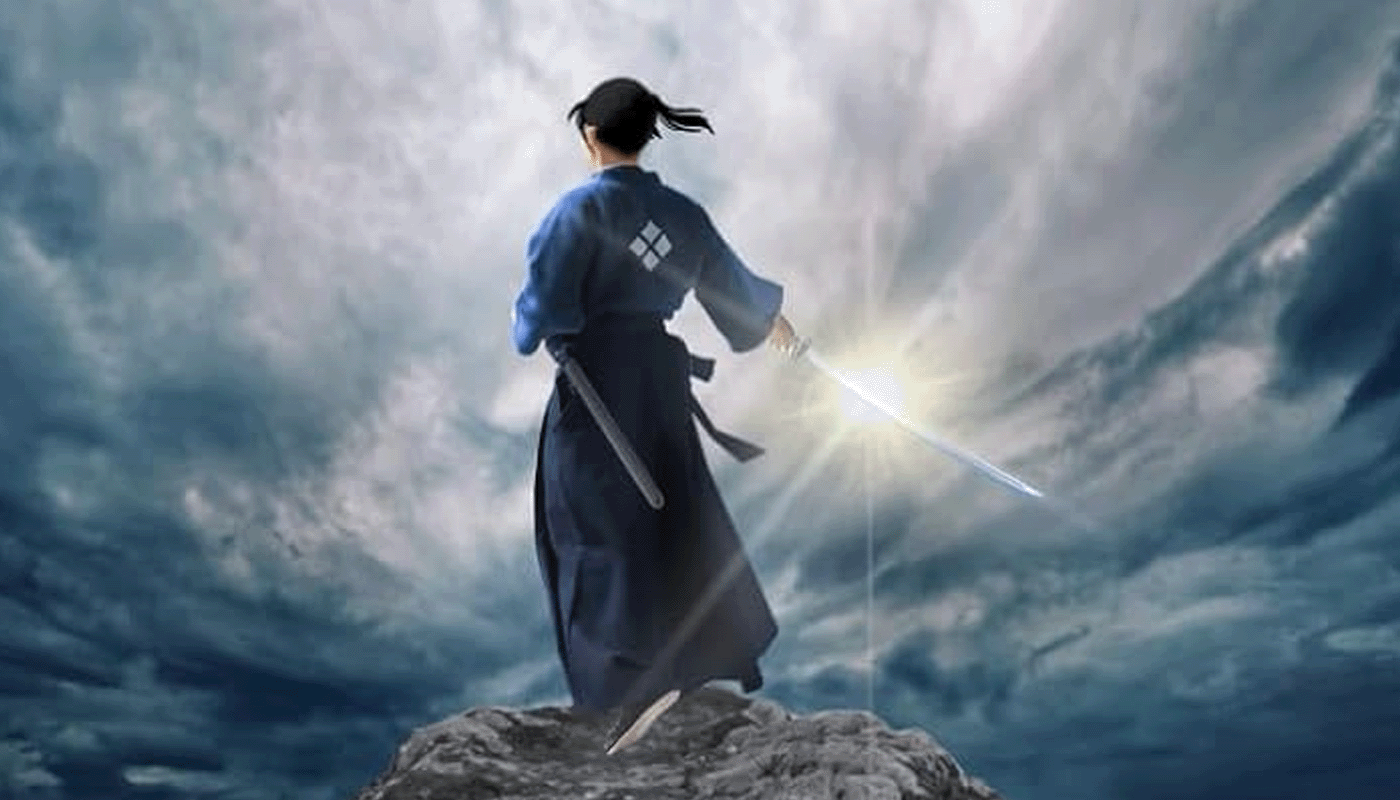
The enduring allure of the samurai, figures synonymous with honor, discipline, and breathtaking martial prowess, has captivated audiences for centuries. From the historical battlefields of feudal Japan to the silver screens of cinematic masterpieces, these iconic warriors have carved a permanent niche in global consciousness. However, a fascinating evolution is underway, pushing the boundaries of traditional samurai narratives by seamlessly integrating them with the fantastical realms of science fiction, fantasy, and horror. This article delves into this exciting genre fusion, highlighting seven pivotal works that redefine what it means to be a samurai in an age of magic, advanced technology, and otherworldly threats.
The Enduring Legacy of the Samurai
From Childhood Fascination to Global Phenomenon
For many, the initial spark of interest in samurai culture ignites in childhood, fueled by captivating tales of valiant warriors and intricate martial arts. The romanticized image of a katana-wielding hero, bound by an unwavering code of conduct, offers a potent blend of action and profound philosophical depth. While practical engagement with historical weaponry might have been off-limits for younger enthusiasts, the discipline and artistry of martial arts, such as karate, often served as an accessible gateway, deepening an appreciation for the precision and dedication inherent in the samurai tradition. This foundational love for the aesthetics and ethos of the samurai has, for a growing number of creators and consumers, naturally extended into seeking out narratives that transcend mere historical reenactment, embracing the limitless possibilities offered by speculative fiction.
Kurosawa’s Shadow: A Foundation for Innovation
No discussion of samurai in cinema is complete without acknowledging the monumental influence of Akira Kurosawa. His 1954 epic, Seven Samurai, is not merely a seminal work of Japanese cinema but a global cinematic touchstone. Its narrative structure, character archetypes, and masterful direction have inspired countless films across diverse genres, from Westerns like The Magnificent Seven to modern action blockbusters. Kurosawa’s meticulous portrayal of honor, sacrifice, and the plight of the common people against overwhelming odds established a template for storytelling that continues to resonate.
It is this profound legacy that provides a fertile ground for contemporary artists and storytellers to experiment. By taking inspiration from the very best, as exemplified by Kurosawa’s seven-warrior structure, creators are now venturing beyond historical accuracy, exploring what happens when the samurai code confronts magic, alien technology, or the existential dread of cosmic horror. This fusion not only revitalizes classic tropes but also introduces the rich cultural tapestry of feudal Japan to new, imaginative contexts, broadening its appeal and intellectual depth.
A New Frontier: Samurai in Science Fiction, Fantasy, and Horror
The Genesis of Speculative Samurai
Historically, samurai narratives, particularly in Japan, primarily adhered to the jidaigeki (period drama) genre, focusing on historical events, political intrigue, and the rigid social structures of the Edo period and earlier. While elements of folklore and supernatural encounters occasionally surfaced, a systematic integration with science fiction or high fantasy was less common until relatively recently. The advent of globalized media, coupled with a burgeoning interest in genre-bending narratives, paved the way for this exciting cross-pollination. Western audiences, already familiar with their own fantasy and sci-fi traditions, found a natural connection in the samurai’s archetypal hero’s journey, making the transition to speculative settings both logical and compelling.
Diverse Interpretations Across Media
The current landscape of speculative samurai fiction is remarkably diverse, spanning novels, television series, films, and even animated features. This diversity is not just in format but also in the imaginative ways creators weave together disparate elements. We see post-apocalyptic feudal societies where martial arts replace modern weaponry, epic fantasies where samurai wield elemental magic, alternate histories where mystical beings walk alongside legendary warriors, and even far-future sci-fi settings where the spirit of the samurai endures on distant planets. These narratives leverage the established iconography of the samurai – the katana, the armor, the bushido code – and reinterpret them through lenses of technological advancement, magical prowess, or existential dread, offering fresh perspectives on familiar themes of honor, duty, and survival.
Seven Modern Narratives Forging New Paths
The following seven examples demonstrate the breadth and depth of this burgeoning subgenre, showcasing how the samurai ethos can thrive in realms far removed from historical Japan.
Into the Badlands (2015–2019): Post-Apocalyptic Feudalism and Flawless Fights
AMC’s Into the Badlands stands as a prime example of a post-apocalyptic vision infused with the spirit of the samurai. Set in a future where civilization has collapsed and technology is scarce, powerful Barons rule over vast territories, controlling essential resources like opium and oil. Each Baron maintains a formidable army of "Clippers," highly trained martial artists who enforce their will. Sunny, portrayed with magnetic intensity by Daniel Wu, is the most skilled Clipper of the most powerful Baron. His mastery of both unarmed combat and sword fighting makes him a legend within the Badlands.

The series expertly crafts a world where feudal structures have re-emerged, echoing the power dynamics of historical Japan, but with a unique speculative twist. The arrival of M.K. (Aramis Knight), a rebellious teenager possessing a mysterious, almost supernatural power, throws Sunny’s loyalty and his carefully constructed world into disarray. While the intricate plot and character drama provide a solid foundation, the true spectacle of Into the Badlands lies in its meticulously choreographed fight sequences. Daniel Wu, a martial arts veteran, delivers breathtaking performances, executing complex moves with fluid grace and brutal efficiency. His blade work, in particular, is a highlight, making every clash of steel a visceral and unforgettable experience. The series not only pays homage to classic martial arts cinema but also innovates by placing these traditional fighting styles within a fresh, genre-blending narrative.
The Sword of Kaigen by M.L. Wang (2019): Elemental Warfare and Emotional Depths
M.L. Wang’s The Sword of Kaigen is a self-published phenomenon that garnered widespread critical acclaim, cementing its place as a modern epic fantasy masterpiece. The story unfolds in the secluded mountain region of the Kaigenese Empire, where the Matsuda family and a handful of other warrior clans are entrusted with defending the empire through their unparalleled sword-wielding skills and unique ice-bending abilities. This elemental magic system is seamlessly integrated into their martial tradition, creating a distinct and visually imaginative combat style.
The narrative centers on two members of the Matsuda family: Mamoru, a fourteen-year-old boy rigorously trained as a warrior since childhood, whose insulated worldview is shattered by an unexpected encounter; and his mother, Misaki, a woman who married into the Matsudas and carries a hidden past as a formidable samurai. Misaki’s journey, in particular, explores themes of suppressed identity, maternal sacrifice, and the brutal realities of war.
The Sword of Kaigen is lauded for its frenetic, high-stakes combat scenes, where every swing of a blade and every surge of ice magic is imbued with palpable energy. What elevates these action sequences beyond mere spectacle is their profound emotional resonance. The characters’ personal arcs are deeply intertwined with the brutal ramifications of conflict, exploring the devastating impact of war on both individual lives and broader society. The novel masterfully balances the grand scale of a war epic with the intimate struggles of a family drama, each element enriching and amplifying the other to create a truly impactful and unforgettable reading experience.
Blue Eye Samurai (2023–): A Visually Stunning Tale of Vengeance and Identity
Netflix’s Blue Eye Samurai has quickly become a critical darling, celebrated for its stunning animation and gripping narrative. It is an adult animated series set in an alternate 17th-century Japan, offering a dark and mature take on the samurai genre. The less one knows going in, the better, as the story unfolds with impactful revelations, but the core premise revolves around Mizu (voiced by Maya Erskine), a half-white, half-Japanese samurai. Driven by a burning desire for revenge against the white men who made her an outcast, she embarks on a bloody quest, disguised as a man to navigate the patriarchal and xenophobic society of the era.
The series is a visual feast, characterized by its distinctive art style that blends traditional Japanese aesthetics with modern animation techniques. The sword fights are exceptionally choreographed, fluid, and brutally realistic, depicting the visceral nature of combat with unflinching detail and gorgeous backdrops. Beyond the impressive action, Mizu herself is an incredibly compelling protagonist. Consumed by a potent cocktail of rage and self-hatred stemming from her mixed heritage, she nevertheless possesses a deeply buried core of kindness and morality that surfaces in unexpected moments, adding layers of complexity to her character. Blue Eye Samurai delves into themes of identity, prejudice, gender roles, and the corrosive nature of vengeance, all while delivering some of the most captivating samurai action seen in recent memory. With a second season already in development, the series promises to further explore Mizu’s arduous journey. The first episode is available for free on YouTube, serving as an enticing introduction to this masterful work.
A Samurai in Time (2024): Time-Displaced Warrior Meets Modern Movie Magic
A Samurai in Time offers a charming and humorous twist on the samurai narrative, embracing the "fish out of water" trope with delightful results. The film introduces Kosaka Shinzaemon (Makiya Yamaguchi), an Edo-era samurai caught in a fateful duel. A sudden lightning strike on his raised katana inexplicably transports him to 21st-century Japan. Waking up disoriented on a bustling, unfamiliar street, Shinzaemon eventually realizes he has landed in the middle of a movie set, a place where people dress in strange costumes and reenact battles for entertainment.
The film deliberately eschews scientific explanations for its time travel, focusing instead on the human element of Shinzaemon’s struggle to adapt. His bewildered attempts to navigate modern society, understand its customs, and reconcile his strict samurai code with the contemporary world form the heart of the story. Finding himself unable to return to his own time, he discovers an unlikely new purpose: utilizing his authentic samurai skills as a stuntman in jidaigeki (Japanese period drama) productions.

A Samurai in Time is a lighthearted and endearing cinematic experience, blending comical situations with moments of genuine pathos. It functions as a heartfelt homage to the jidaigeki genre itself, celebrating its traditions while playfully contrasting them with modern filmmaking. The film’s charm lies in Shinzaemon’s earnestness and the subtle commentary it offers on the enduring appeal and sometimes anachronistic nature of historical narratives in a rapidly changing world.
Predator: Killer of Killers (2025) – "The Sword": A Silent Clash of Eras and Species
Expanding the popular Predator franchise into animated anthology format, Predator: Killer of Killers promises a fresh array of encounters with the iconic alien hunter. The second segment of this four-part film, titled "The Sword," takes audiences back to 17th-century Japan for an exhilarating samurai-meets-sci-fi-horror showdown. This particular story focuses on two estranged brothers: Kenji, a samurai, and Kiyoshi, a ninja, both voiced by Louis Ozawa Changchien, who is recognizable to fans of the franchise from 2010’s Predators.
Once close, Kenji and Kiyoshi’s relationship was fractured two decades prior by a bloody betrayal that forced Kenji into exile. Their uneasy reunion, prompted by the death of their samurai lord father, is violently interrupted by the arrival of a Predator. This segment makes a bold stylistic choice by largely foregoing dialogue after its opening and closing lines, allowing the visuals and the characters’ expressions to convey the narrative. This decision magnifies the impact of the stunning action sequences, where Kenji and Kiyoshi must set aside their long-standing feud and combine their distinct martial skills and strategic acumen to face an technologically superior alien adversary.
Despite the absence of spoken words, the characterization remains razor-sharp. The conflicted emotions, the lingering resentment, and the rekindled fraternal bond are powerfully communicated through their nuanced facial expressions, body language, and reactions to the escalating threat. "The Sword" is poised to be a masterclass in visual storytelling, delivering intense action while subtly exploring themes of brotherhood, honor, and survival against an incomprehensible enemy.
Japanese Gothic by Kylie Lee Baker (2026): Dual Timelines and Haunting Horrors
Kylie Lee Baker’s Japanese Gothic presents a compelling blend of historical drama, psychological horror, and time-bending mystery. The novel is structured around two distinct timelines and two central characters, both anchored to the same enigmatic house in Japan. The contemporary narrative begins in 2026, following college student Lee, who flees to his estranged father’s secluded Japanese home after a traumatic incident involving his roommate, the details of which remain disturbingly vague in his memory.
The second timeline transports readers to 1877, introducing Sen, a young samurai undergoing brutal training under her demanding father, residing in the very same house. As the story progresses, Sen and Lee find themselves inexplicably slipping between each other’s timelines, leading to a tense and initially hostile interaction that gradually evolves into a fragile bond.
Japanese Gothic distinguishes itself through its chillingly atmospheric prose and its exploration of tragic circumstances rather than jump scares. The horror derives less from supernatural entities and more from the deeply unsettling and often traumatic situations both Sen and Lee endure. The novel builds slowly, meticulously layering its mysteries and psychological tensions, culminating in an explosive and emotionally resonant climax. It delves into themes of memory, guilt, family legacy, and the lingering echoes of the past, offering a fresh, unsettling perspective on both gothic horror and samurai narratives.
The Last Contract of Isako by Fonda Lee (2026): Far-Future Sci-Fi and Corporate Intrigue
From Fonda Lee, acclaimed author of the "Green Bone Saga," comes The Last Contract of Isako, a standalone science fiction novel set on a distant, isolated planet. This world, long since cut off from Earth, struggles with dwindling resources, creating a stark divide between the opulent elite and the struggling masses. Hope for the future rests on two potential avenues: terraforming the inhospitable planet or re-establishing contact with Earth.

The titular character, Isako, has spent her life as a "longknives-woman," a highly skilled protector and advisor to powerful individuals. Now in her fifties, the physical toll of her demanding profession is undeniable. Retirement on this world carries a grim prospect: venturing beyond the protective "airshield" into the frozen, lethal wasteland. However, before she can face this inevitable fate, Isako is drawn into one final contract, a mission that quickly spirals into a labyrinthine web of corporate espionage and unforeseen complications.
While the majority of the narrative focuses on intricate corporate maneuvering and unraveling a complex mystery, the fight scenes, though perhaps less frequent than some might desire, are exceptionally crafted. Isako’s experience and calculated combat style shine through in every engagement. Beyond the action, the novel masterfully constructs an intriguing mystery that probes fundamental questions of honor, loyalty, and identity within a harsh, stratified future society. Lee’s storytelling prowess ensures that even in moments of political intrigue, the samurai spirit of dedication and principled action remains at the core of Isako’s compelling journey.
The Broader Implications: A Genre Reimagined
Expanding the Narrative Horizon
The emergence of these speculative samurai narratives signifies a vital expansion of genre boundaries. By transplanting the samurai archetype into science fiction, fantasy, and horror, creators are not only paying homage to a rich cultural tradition but also demonstrating the universality of its core themes. The samurai code of Bushido – encompassing concepts like loyalty, honor, courage, and self-control – transcends its historical Japanese origins, proving adaptable to futuristic dystopias, magical realms, and terrifying encounters with the unknown. This fusion enriches both the samurai narrative, granting it new dimensions and contexts, and the speculative genres themselves, introducing fresh aesthetic and philosophical elements.
Critical and Commercial Reception
The works highlighted, alongside others in this growing subgenre, have largely been met with enthusiastic critical and commercial reception. Into the Badlands garnered a dedicated fanbase for its groundbreaking fight choreography. The Sword of Kaigen achieved indie publishing success through word-of-mouth and strong reviews, proving the hunger for character-driven epic fantasy. Blue Eye Samurai has been hailed as a masterpiece of animation, earning widespread acclaim for its artistic vision and mature storytelling. This positive reception underscores a clear audience appetite for stories that dare to blend established tropes in innovative ways, moving beyond conventional genre classifications.
The Future of the Speculative Samurai
The future appears bright for the speculative samurai. As global interconnectedness continues to foster cultural exchange, and as creators increasingly seek unique ways to tell compelling stories, the samurai archetype is perfectly positioned for further reimagining. We can anticipate more diverse interpretations, delving deeper into themes of identity, technology, magic, and morality. The blending of ancient traditions with futuristic visions or fantastical elements offers an endless wellspring of narrative possibilities, promising a dynamic and exciting evolution for this beloved warrior archetype across all forms of media.
A Call to Arms: Continuing the Journey
My own journey through these captivating worlds has already seen Samurai Jack ascend to the top of my "to-be-watched" list, a classic that embodies the spirit of speculative samurai adventure. However, the vast landscape of genre fiction undoubtedly holds countless other gems. The comments section below is open for any recommendations for SFF samurai stories – be they books, movies, or TV shows – that are missing from this list. Let us continue to explore and celebrate the ever-expanding universe of the speculative samurai.



Leave a Comment