Azuki Trading Card Game: A Stealthy Titan Emerges in the Crowded TCG Arena
A new challenger has quietly amassed significant momentum, preparing to disrupt the established hierarchy of the trading card game (TCG) world. While the Cyberpunk TCG recently captured headlines with record-breaking crowdfunding, a different kind of force has been building beneath the surface. The Azuki Trading Card Game, drawing from a rich manga universe and boasting a unique, privately funded launch strategy, is poised to make a formidable entrance, promising an experience that blends stunning artistry with deep strategic gameplay.
In a market increasingly saturated with new releases and the enduring dominance of titans like Magic: The Gathering, finding a fresh voice is a monumental task. Yet, Azuki TCG has managed to do just that, not through the public fanfare of Kickstarter, but via a series of highly successful private sales. Its Alpha Deck launch garnered an impressive $570,000, quickly followed by a pre-sale that eclipsed that figure, pulling in $1.12 million. This substantial backing, secured without a traditional crowdfunding campaign, speaks volumes about the project’s inherent appeal and the confidence of its early supporters. With its first major set, Gates Awakened, slated to hit retail shelves this June, Azuki TCG is no longer just a whisper but a burgeoning presence ready to captivate a global audience.
The Genesis of a Phenomenon: Azuki TCG’s Ascent
The journey of Azuki TCG into the limelight is marked by a distinctive and highly effective commercial strategy that eschewed conventional crowdfunding in favor of targeted private sales. This approach not only underscored the project’s exclusivity but also demonstrated a confident, direct-to-investor model that proved immensely successful in its initial phases.
The first public indication of Azuki TCG‘s financial prowess came with its Alpha Deck launch, which swiftly accumulated $570,000. This initial success was not a fluke; it was a clear signal of strong market interest and investor belief in the game’s potential. Building on this momentum, a subsequent private pre-sale for Azuki TCG further solidified its financial footing, drawing in an astounding $1.12 million. These figures are particularly remarkable given that they were achieved outside the viral, public-facing environment of platforms like Kickstarter, suggesting a sophisticated network of early adopters and enthusiasts who recognized the game’s intrinsic value.
This chronology of financial milestones culminates in the highly anticipated retail release of its inaugural set, Gates Awakened, scheduled for June. This launch marks a pivotal transition for Azuki TCG, moving from a privately supported venture to a widely available product. The success of its pre-retail fundraising indicates a robust foundation for this public debut, positioning Azuki TCG not just as another newcomer, but as a well-resourced and strategically launched contender in the competitive TCG landscape. The decision to pursue private sales allowed the developers, Chiru Labs, to maintain tight control over the initial distribution and branding, fostering a sense of premium quality and exclusivity that will undoubtedly carry over into its broader market release. This measured, strategic rollout is a testament to the meticulous planning behind Azuki TCG, setting it apart from many of its contemporaries who often rely on the immediate, mass appeal of crowdfunding.
Unveiling the Artistry and Mechanics of Azuki TCG
Beyond its impressive financial backing, Azuki TCG distinguishes itself through a captivating blend of exceptional artistic presentation and meticulously designed gameplay mechanics. It is a game that not only looks good but plays with remarkable depth and fluidity, offering a refreshing experience to TCG veterans and newcomers alike.
A Visual Masterpiece: Art and Production Values
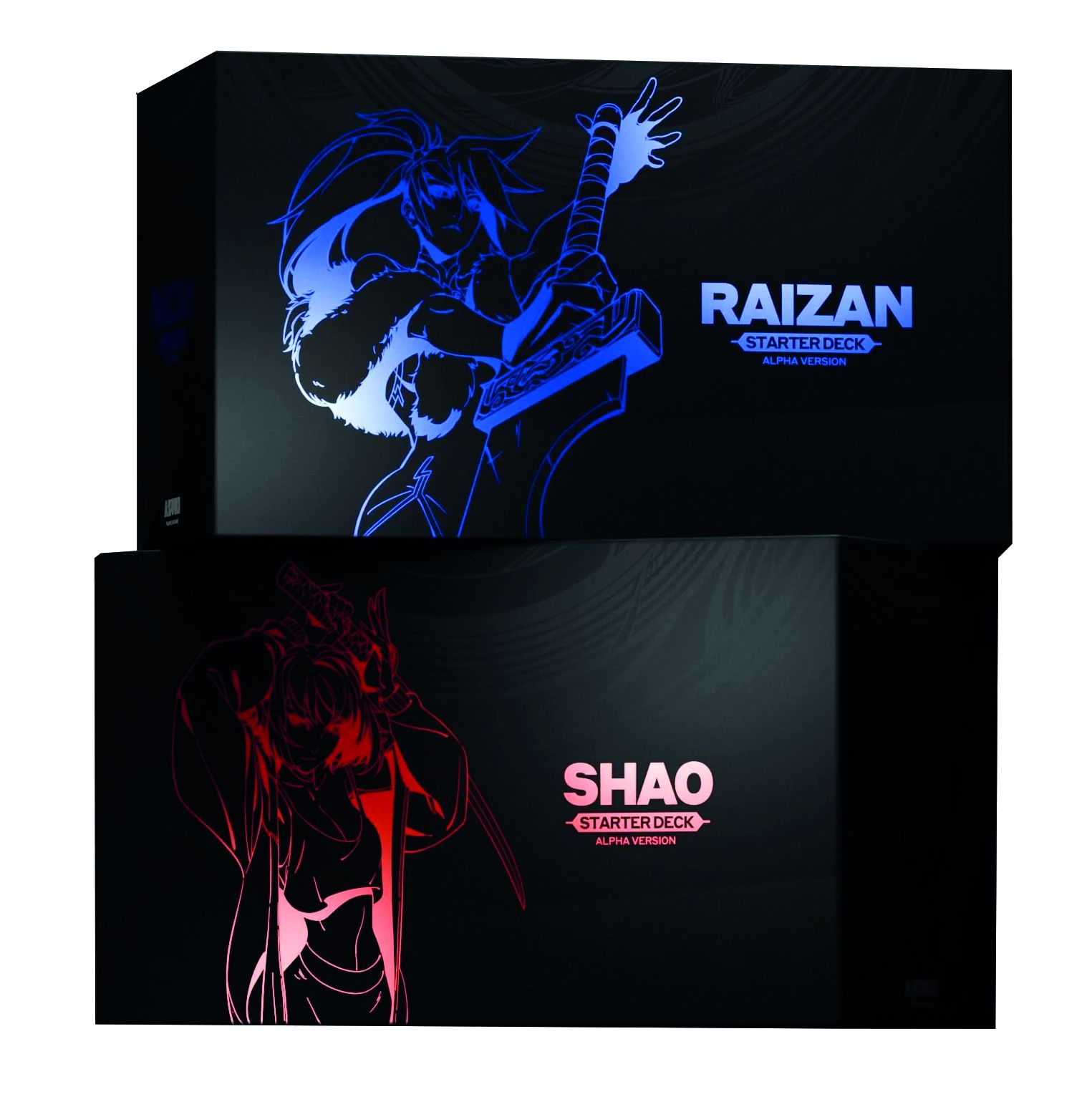
From the moment one encounters the Azuki Trading Card Game, its commitment to premium quality is immediately apparent. The Alpha Decks arrive in "shiny coloured boxes," an initial tactile delight that hints at the treasures within. This attention to detail extends to the cards themselves, which feature a striking "silvered" finish, elevating their aesthetic appeal beyond standard TCG offerings. Every card in the Azuki universe is "hand-drawn by artists," a testament to the dedication to craft that underpins the entire project. This artisanal approach results in visuals that are consistently stunning, reminiscent of high-quality anime stills that breathe life into every character and scene.
The artistic direction and lore are deeply rooted in the Azuki Manga universe, a creation of the acclaimed designer Arnold Tsang. Tsang, widely recognized for his pivotal role in shaping the visual identity and character design of Overwatch, brings a wealth of experience in creating compelling and dynamic worlds. His influence is evident in the vibrant, expressive characters and intricate environments depicted on the cards, ensuring a cohesive and immersive aesthetic. The visual fidelity and narrative depth are so strong that, as noted by early reviewers, many cards could easily pass for frames from an animated series. This is no accident; Studio Azuki, the creative force behind the game, harbors ambitious plans to produce "high-end anime," including a three-part series titled Enter the Garden, which is explicitly designed to integrate seamlessly with the Azuki TCG lore, further enriching the player’s engagement with the universe.
The production values rival, and in many cases exceed, those typically seen in the most successful crowdfunded projects, where stretch goals often push quality metrics ever higher. Yet, Azuki TCG achieves this benchmark without a public crowdfunding campaign, underscoring Chiru Labs’ unwavering commitment to delivering a top-tier product from the outset. This commitment ensures that players are not just buying a game, but investing in a premium experience where every component, from packaging to card stock, exudes quality.
Strategic Depth: Mastering the Garden and the Alley
At its core, the Azuki Trading Card Game is a sophisticated two-player strategy game. Each participant commands a carefully constructed 50-card deck, centered around a powerful "Leader" and a unique "Gate." The ultimate objective is clear: strategically deploy "Entities" and unleash tactical card effects to diminish the opponent’s Leader’s health and secure victory.
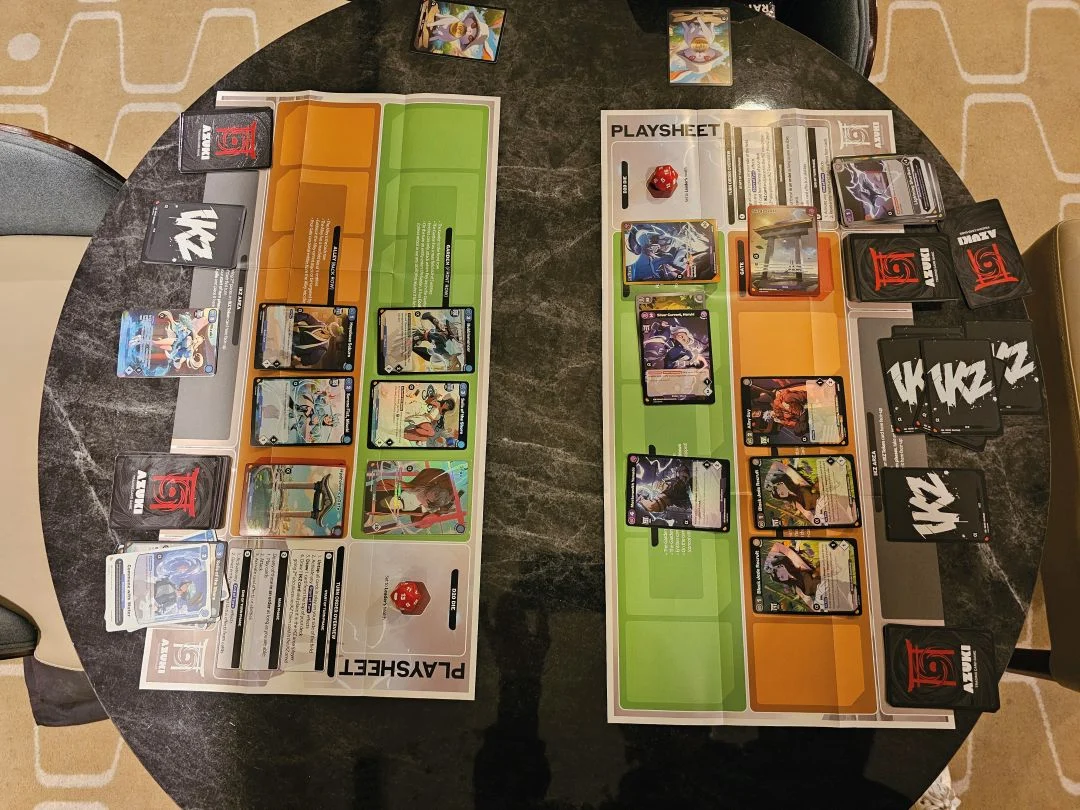
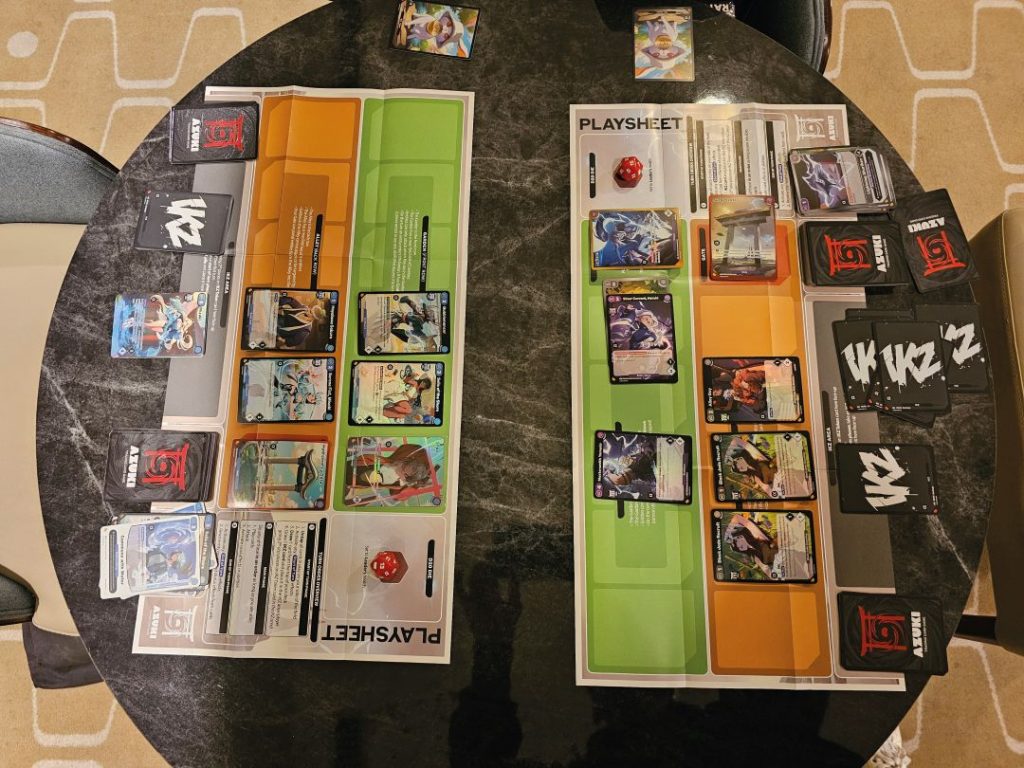
The battlefield is ingeniously divided into two distinct rows, each with critical strategic implications. The "Garden," occupying the front row, is the primary arena where direct combat unfolds. Entities positioned here are actively engaged in offense and defense. Behind it lies the "Alley," a crucial back-row sanctuary. Cards in the Alley are protected from direct attacks, serving as a staging area before they are strategically moved forward into the Garden via the player’s Gate. Each row can accommodate up to five Entities, creating a dynamic battle line that demands careful management of space and positioning.
A turn in Azuki TCG is a structured sequence of phases designed to offer players multiple decision points. It begins with readying all cards, followed by drawing a new card to replenish one’s hand. Players then enter the main phase where they can play Entities, powerful Spells, or equip Weapons, meticulously building their board presence. A key strategic element involves moving cards from the protected Alley into the Garden through the Gate, activating their full combat potential. Most newly played Entities adhere to a "summoning sickness" rule, preventing them from attacking immediately, unless they possess special abilities such as "Charge," which allows them to bypass this restriction and enter the fray at once, often dictating aggressive early-game plays.
Dynamic Combat and Resource Management
Combat is central to the Azuki TCG experience, characterized by its interactive and responsive nature. Entities in the Garden can declare attacks against either opposing Entities or directly target the enemy Leader. This duality forces players to constantly weigh the value of board control against direct damage, creating tense tactical dilemmas. Crucially, players are not passive observers during combat; they can "respond" with various effects and abilities to influence battles, mitigate damage, or surprise their opponents. This layer of interaction ensures that combat is never a simple exchange of numbers but a dynamic interplay of abilities and counter-abilities.
Winning matches hinges on adept management of several key elements: "positioning" of Entities on the Garden and Alley, "timing" of card plays and ability activations, and prudent "resource management" of mana and hand advantage. These strategic pillars contribute to games that typically run for around 20 minutes, offering a quick yet deeply satisfying experience. While initial games might extend as players familiarize themselves with the intricacies, the streamlined turn structure ensures a brisk pace once the rules are internalized.
Leaders, Gates, and Synergistic Power
A defining feature of Azuki TCG is the synergy between a player’s chosen Leader and their accompanying Gate. Each player leads a unique faction, embodied by a formidable Leader whose abilities are intrinsically linked to the mystic power of their Gate. This creates distinct playstyles and deck archetypes from the outset. For instance, the formidable Leader Raizan’s Gate combo is designed for relentless aggression, enabling Entities to swiftly reach the frontline, be equipped with a weapon, and immediately engage in combat. This allows for rapid board presence and pressure. In contrast, Shao’s tactical prowess shines through her ability to reduce an opponent’s attack as a "Response," strategically utilizing mana untapped by her Gate. This showcases a more defensive or reactive playstyle, focusing on control and disruption. These Leader-Gate pairings are not merely cosmetic; they fundamentally shape deck construction, strategic choices, and the overall feel of each faction, encouraging diverse gameplay experiences.
A Fresh Approach to Mana: The IKZ System
One of the most innovative and player-friendly aspects of Azuki TCG is its unique mana system, which cleverly sidesteps a common frustration in many TCGs. Veteran players of Magic: The Gathering are intimately familiar with the concept of being "mana-screwed"—a situation where a player is unable to play cards due to a lack of the necessary mana resources. This experience, often attributed to the random distribution of land cards, is a staple (and often a source of exasperation) in MTG.
Azuki TCG offers a brilliant solution to this challenge. Instead of relying on specific resource cards, players consistently ramp up their mana pool every turn by adding a new "IKZ card" to their pool. This guarantees a steady and predictable increase in available mana, allowing players to focus on strategic card plays rather than worrying about resource droughts. This design choice significantly reduces the element of random chance associated with mana availability, making games feel more skill-intensive and less reliant on luck of the draw.
Furthermore, to address the inherent advantage of going first in many TCGs, Azuki introduces a clever balancing mechanic: the player going second receives a one-use "IKZ token." This token provides an immediate mana boost, potentially allowing them to "drop a two-drop card immediately." This thoughtful design choice helps to equalize the playing field, ensuring that the second player has a viable early-game response and doesn’t fall too far behind, thereby enhancing the overall fairness and competitiveness of matches. The IKZ system is a testament to the designers’ commitment to a smooth, engaging, and equitable gameplay experience.

User Experience and Minor Refinements
The Alpha package decks are notably well-balanced, providing engaging and competitive matches right out of the box. A significant triumph for Azuki TCG is the clarity and intuitiveness of its rules, allowing players to dive into gameplay with minimal need to constantly consult the rulebook. This speaks to effective card design, where essential information is readily available.
However, no product is without minor points for refinement. Some players might find "some of that text is tiny," which, combined with the "shininess" of the cards, can occasionally hamper readability under certain lighting conditions. Another minor quibble noted by reviewers pertains to the included "d20 dice" for life totals. While functional, many TCG players prefer "spindown" dice, which are specifically designed for tracking life totals with sequential numbering, making quick adjustments more convenient than searching for numbers on a standard d20. These are minor criticisms, however, overshadowed by the overall exceptional quality and playability of the game.
The Vision Unfolds: Official Responses and Strategic Moves
While the initial article doesn’t feature direct quotes, the actions and declared intentions of Studio Azuki and its publisher, Chiru Labs, serve as clear "official responses" to the market and articulate their overarching vision for the Azuki Trading Card Game. Their strategic decisions highlight a sophisticated understanding of brand building and intellectual property expansion.
One of the most significant "responses" from Studio Azuki is their ambitious cross-media strategy. The plan to produce "high-end anime," specifically mentioning a three-part series titled Enter the Garden, is a bold declaration of intent. This isn’t just about creating a card game; it’s about cultivating a comprehensive multimedia universe. This move demonstrates a clear understanding that in today’s entertainment landscape, successful IPs often thrive across multiple platforms. By developing a dedicated anime series that "fits the Azuki TCG perfectly," they are not only enriching the lore and visual appeal for current players but also opening new avenues for audience engagement and recruitment. The anime will serve as a powerful marketing tool, drawing in fans of the Azuki Manga and anime enthusiasts who may then discover the TCG, creating a virtuous cycle of engagement.
The decision to fund the game through "private sales" rather than a public Kickstarter campaign is another telling "official response." This approach suggests a desire for greater control over the project’s development, marketing, and distribution. It allows Chiru Labs to curate a premium brand image from the outset, appealing to a specific segment of the market that values exclusivity and high production quality. This private funding model also implies a strong belief in the product’s intrinsic value, confident that it could attract significant investment without the need for mass public validation. It speaks to a long-term strategic vision rather than a short-term fundraising push.
Furthermore, the unwavering commitment to "impressive production values across the board," from the "shiny coloured boxes to the silvered cards" and "hand-drawn" artwork, reflects the designers’ and publisher’s dedication to delivering a top-tier product. This is their "response" to a competitive market where quality often dictates longevity. They are not cutting corners but rather investing heavily in the tactile and visual experience, recognizing that these elements are crucial for player immersion and satisfaction.

Finally, the innovative design choices, particularly the IKZ mana system, represent a direct "response" to common pain points in other TCGs. By eliminating mana screw and balancing the going-first advantage, designers Arnold Tsang, Jon Chao, and Tim Guo are signaling their commitment to a fair, consistent, and strategically deep gameplay experience. Their design philosophy prioritizes player skill and tactical decision-making over random resource allocation, which is a powerful statement in the TCG community.
Broader Implications and Azuki’s Future Trajectory
The emergence of the Azuki Trading Card Game carries significant implications for the broader TCG landscape, offering a compelling case study in strategic market entry and integrated intellectual property development.
Reshaping the TCG Landscape
Azuki TCG‘s confident debut, backed by substantial private investment and a highly polished product, presents a formidable challenge to both established giants and other newcomers in the TCG market. Its success through private sales, bypassing the traditional Kickstarter route, could signal a new trend, demonstrating that a well-conceived and well-connected project can secure significant funding without public campaigns. This might encourage other developers with strong IPs and networks to explore similar non-Kickstarter models, potentially diversifying how new games are brought to market.
The game’s high production values, coupled with its engaging mechanics, position it as a serious contender for a slice of the competitive TCG pie. It doesn’t merely emulate existing formulas but introduces fresh ideas like the IKZ mana system and the Garden/Alley battlefield, which could attract players looking for innovative gameplay experiences distinct from Magic: The Gathering, Pokémon TCG, or Yu-Gi-Oh!. Its ability to quickly generate significant revenue pre-release also suggests a strong, engaged community forming, which is crucial for long-term growth in the TCG space.
The Power of a Unified IP
One of Azuki TCG‘s most potent advantages lies in its foundation within the pre-existing Azuki Manga universe and the ambitious cross-media strategy with an upcoming anime series. In an era where intellectual property is king, having a unified lore and artistic style across different media platforms creates a cohesive and immersive brand experience. The Azuki Manga provides a rich narrative backdrop, giving players a deeper connection to the characters, factions, and world depicted on the cards.
The planned anime, Enter the Garden, is not just a promotional tie-in; it’s an expansion of the Azuki narrative that promises to draw new audiences into the universe. This integrated approach allows for powerful cross-promotion, where manga readers become TCG players, and anime viewers delve into the strategic depths of the card game. This multi-platform presence enhances brand visibility, fosters a more dedicated fanbase, and provides multiple entry points for consumers, all contributing to the long-term viability and cultural impact of the Azuki IP. This strategy mirrors the success of other major TCGs that have expanded into animated series, films, and video games, amplifying their reach and cultural resonance.
Competitive Edge and Long-Term Viability
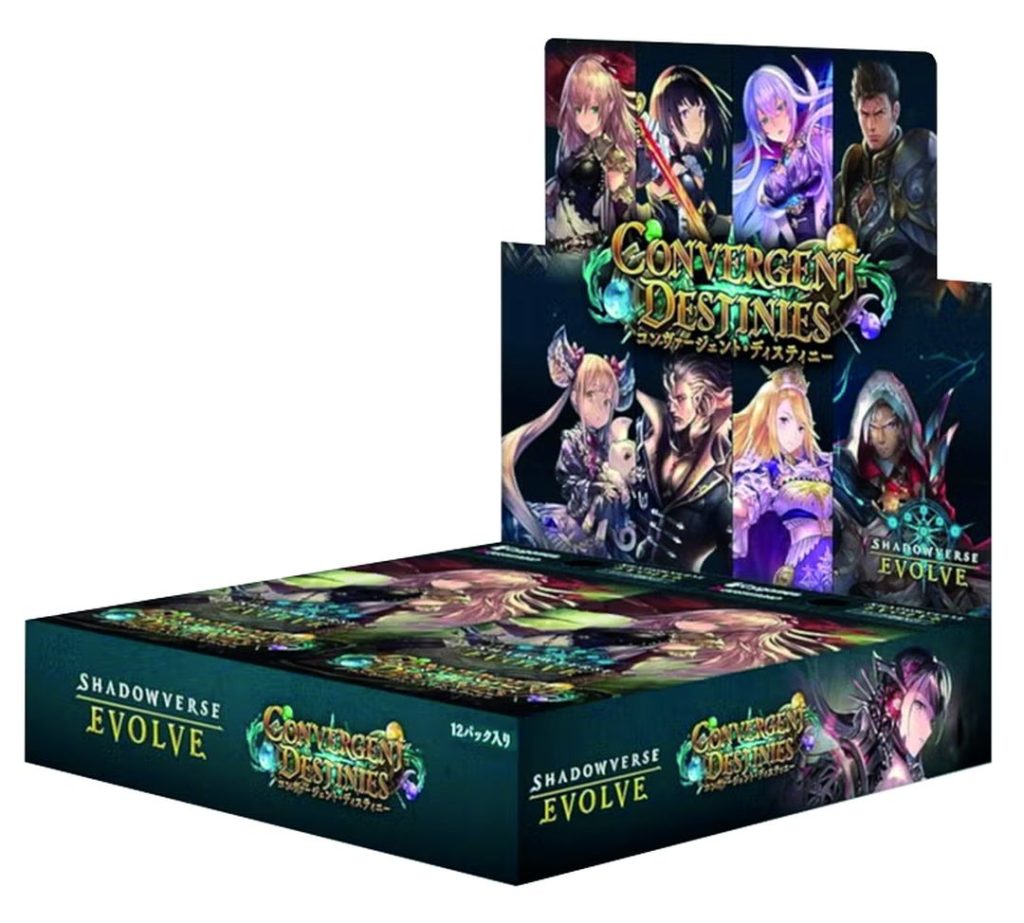
The recommendation to "Try This if you Liked SHADOWVERSE: EVOLVE" highlights Azuki TCG‘s direct competition within the anime-style strategic TCG genre. Like Shadowverse: Evolve, which is based on a popular digital game, Azuki leverages an anime aesthetic and deep strategic play. However, Azuki‘s unique mechanics, such as the consistent mana ramp of the IKZ system and the tactical depth of the Garden/Alley rows, provide distinct differentiators. These innovations could be key to carving out a unique identity and attracting players seeking fresh strategic challenges.
The upcoming Gates Awakened set in June is critical for Azuki TCG‘s long-term trajectory. A successful retail launch, coupled with sustained support and future expansions, will be essential for building a robust player base and competitive scene. The game’s designers, Arnold Tsang, Jon Chao, and Tim Guo, alongside publisher Chiru Labs, have demonstrated a strong foundational understanding of what makes a TCG engaging and sustainable. Their commitment to quality, innovative design, and a holistic IP strategy positions Azuki TCG not just as a fleeting trend, but as a potentially enduring force in the global trading card game market.
Conclusion: A Confident Step into the Spotlight
The Azuki Trading Card Game has made a remarkable entry into a fiercely competitive market, distinguishing itself through an innovative private funding model, breathtaking production values, and a strategic gameplay system that addresses common frustrations while introducing fresh tactical depth. Drawing from a rich manga universe and poised for cross-media expansion into anime, Azuki TCG is more than just a card game; it’s a meticulously crafted experience designed to immerse players in a vibrant world.
With its Alpha Decks already generating significant buzz and the Gates Awakened set on the horizon, Azuki TCG represents a confident and compelling new chapter in the world of tabletop gaming. It earns a resounding "Must Play" recommendation for its stunning visuals, engaging mechanics, and forward-thinking design. The future looks bright for Azuki TCG, promising further delights and strategic challenges for players this summer and beyond.
Game Information at a Glance
- Category: Card Games
- Designers: Arnold Tsang, Jon Chao, Tim Guo
- Publisher: Chiru Labs
- Time to Play: 20m
- Players: 2 Players
- Age: 13+
- RRP: £70
What’s in the Box?
- 2 50-card decks
- 20 IKZ tokens
- 2 Alternate art Leader cards
- 16 Alpha booster packs
- 2 d20 dice
- 2 Playsheets
- 2 Quickstart guides