Beyond the Canon: The Evolution and Legacy of DC’s Elseworlds Imprint
The landscape of superhero mythology is often defined by its continuity—a complex, decades-long tapestry of interconnected stories that form a "primary" reality. However, for DC Comics, some of the most profound artistic achievements have occurred outside these boundaries. Since 1989, the Elseworlds imprint has served as a laboratory for "What If?" scenarios, allowing creators to transplant iconic heroes into different eras, genres, and moral frameworks. Following a fourteen-year hiatus, the imprint’s 2024 revival has reignited interest in these non-canonical masterpieces, proving that the DC Multiverse’s greatest strength lies in its malleability.
Main Facts: Ten Masterpieces of the Elseworlds Imprint
The success of the Elseworlds label is anchored by a decade of prolific output that redefined characters like Batman, Superman, and Wonder Woman. These stories are characterized by their "prestige" format and the high caliber of creative talent involved.
1. Kingdom Come (1996)
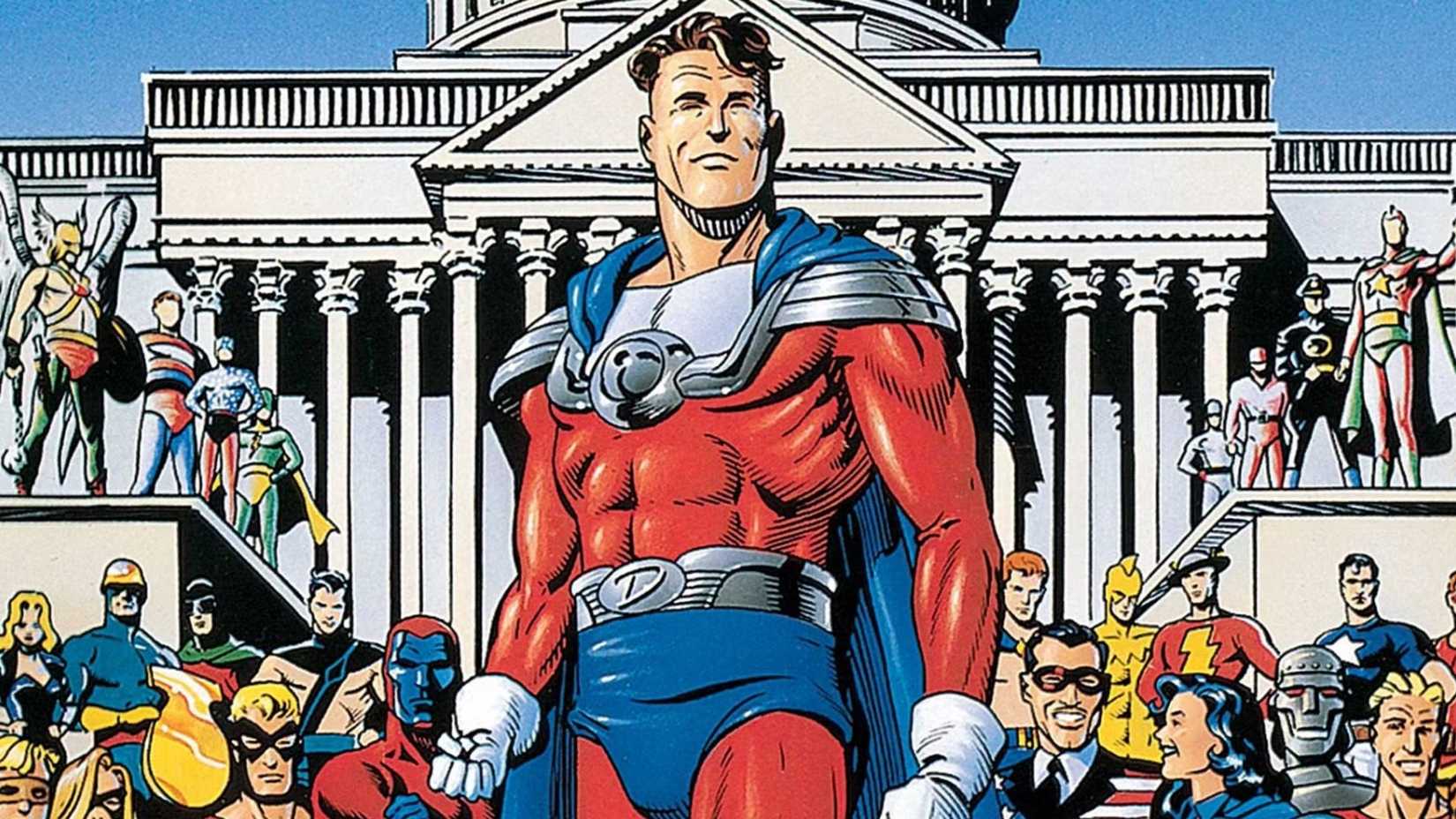
Written by Mark Waid with breathtaking painted art by Alex Ross, Kingdom Come is widely considered the crown jewel of the imprint. Set in a future where a new generation of reckless, violent vigilantes has replaced the old guard, the story follows a retired Superman as he returns to restore order. It serves as a poignant deconstruction of the "extreme" anti-hero trend of the 1990s and remains a definitive statement on the morality of power.
2. Gotham by Gaslight (1989)
The story that retroactively launched the imprint, Brian Augustyn and Mike Mignola’s Gotham by Gaslight reimagines Bruce Wayne in 1889. The narrative pits the Dark Knight against Jack the Ripper, who has migrated from London to Gotham. Its success proved that Batman’s core archetypes—the detective and the creature of the night—work perfectly within a Victorian steampunk aesthetic.

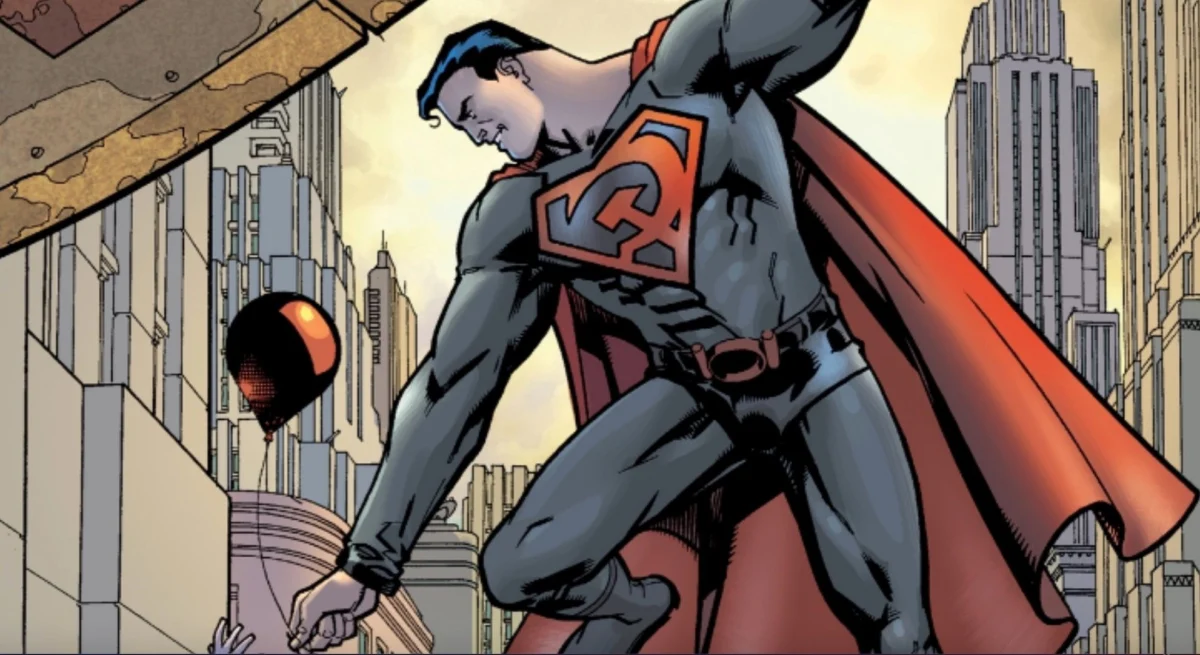
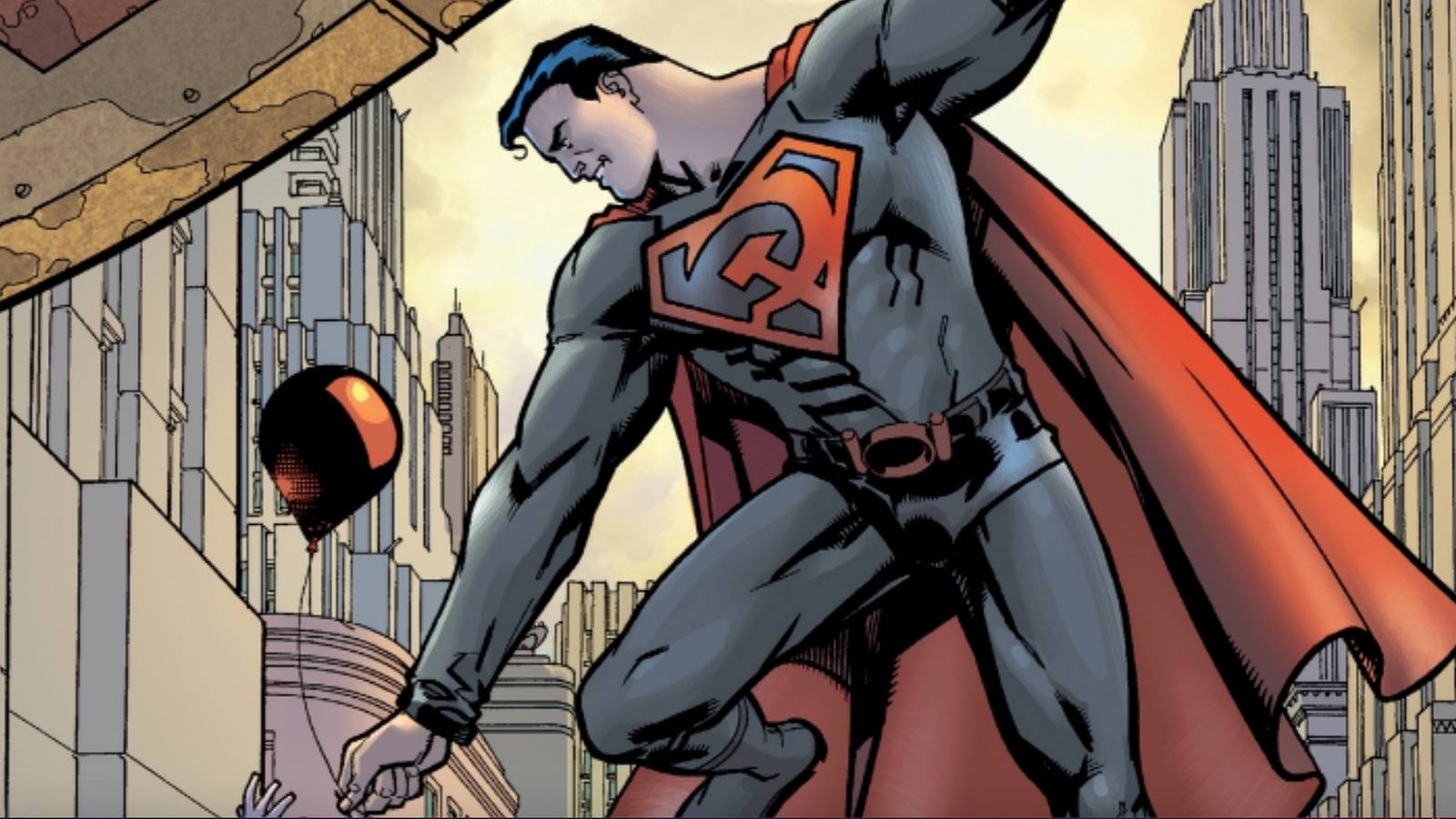
3. Superman: Red Son (2003)
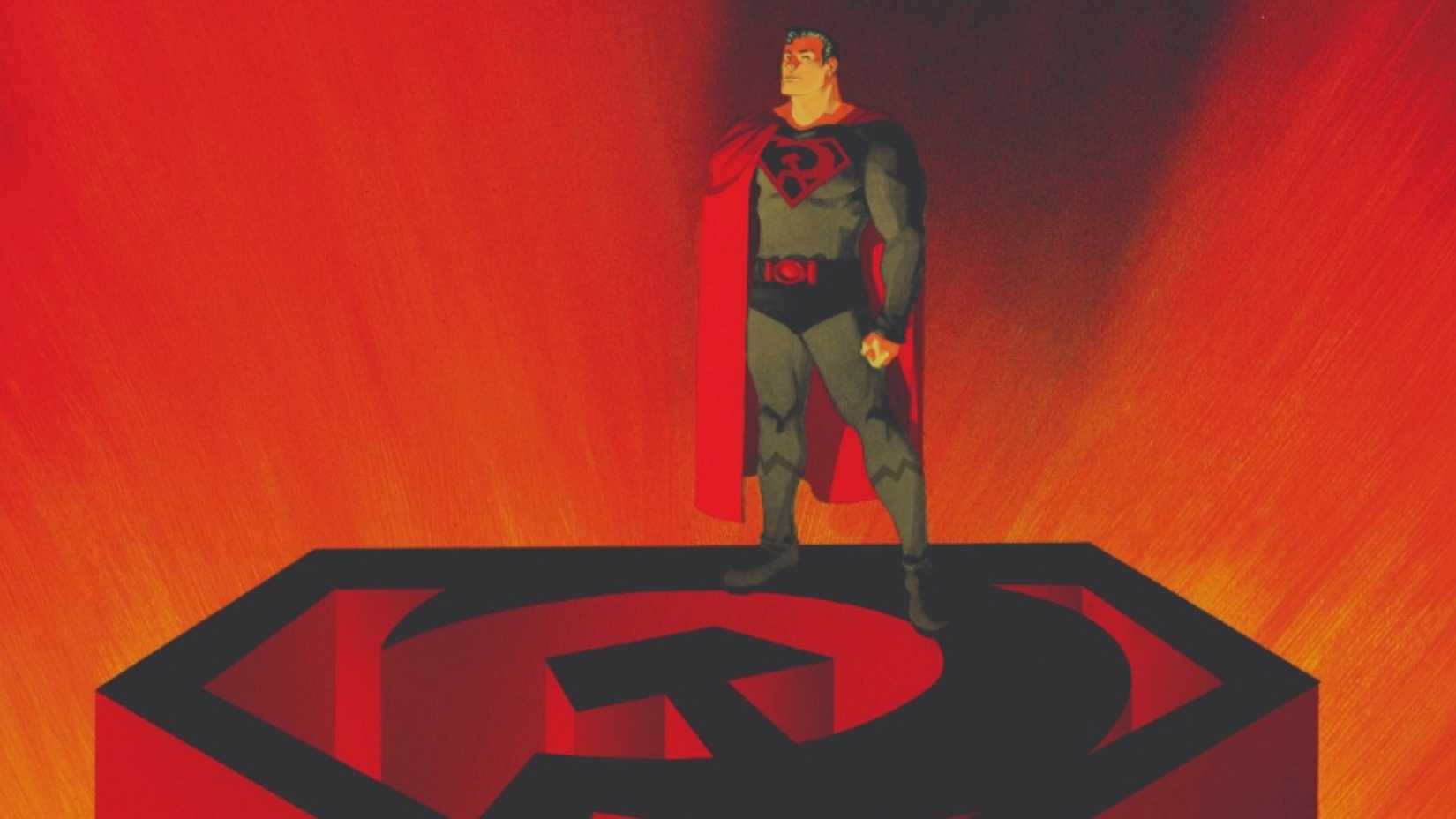
Mark Millar’s Red Son asks a simple yet transformative question: What if Kal-El’s ship had landed in the Soviet Union instead of Kansas? Raised as the champion of the common worker and the "state-sponsored" hero of Stalinist Russia, this version of Superman shifts the global balance of the Cold War. The story explores the nature vs. nurture debate, showing how ideology can reshape even the most incorruptible icons.
4. JLA: The Nail (1998)
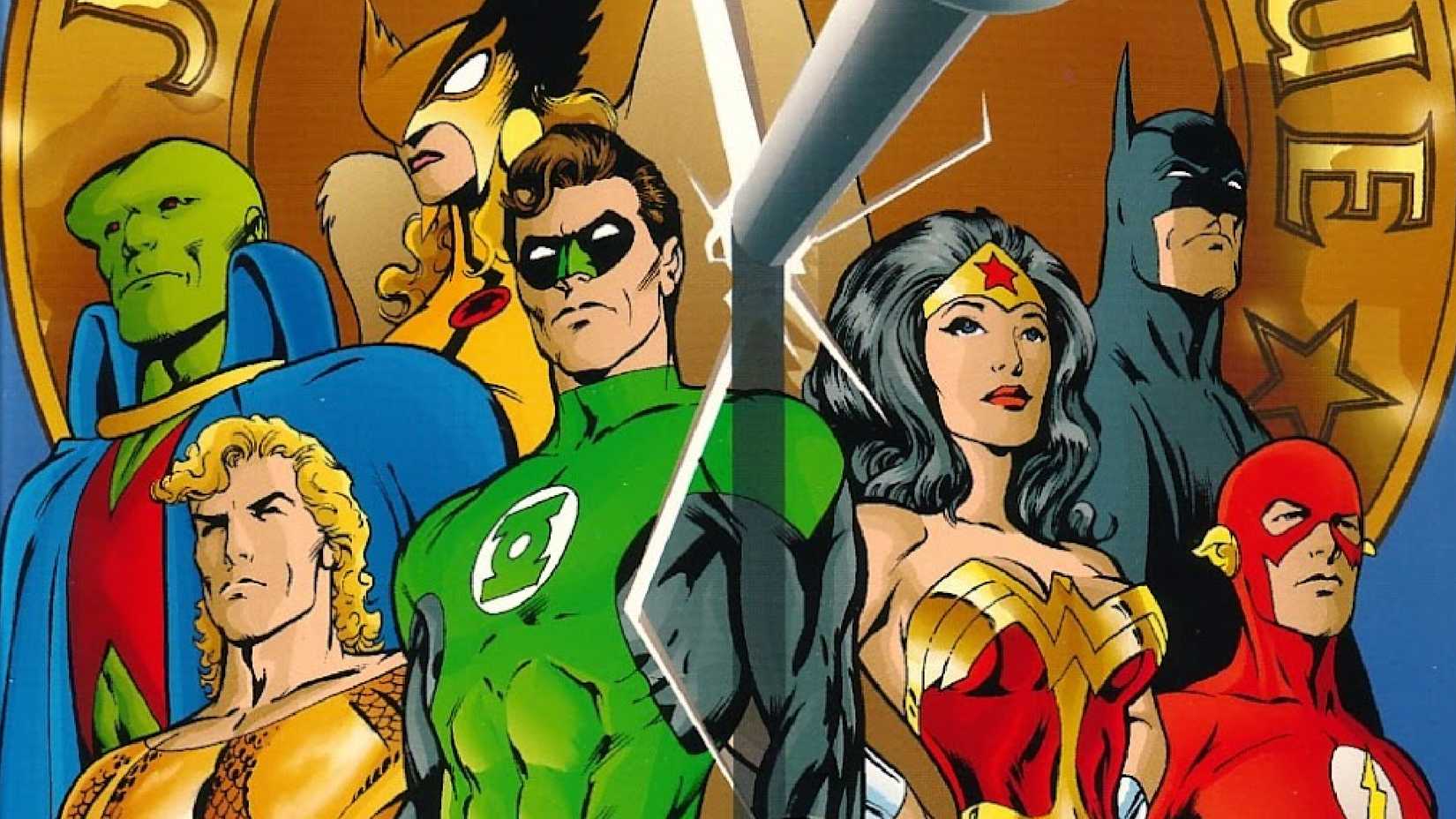
Alan Davis explores the "butterfly effect" in this three-issue miniseries. A simple flat tire prevents Jonathan and Martha Kent from finding Kal-El’s ship. Without Superman to act as a beacon of hope, the Justice League faces a world consumed by xenophobia and anti-metahuman sentiment. It is a stark reminder of Superman’s role as the glue of the DC Universe.
5. The Golden Age (1993)
James Robinson and Paul Smith’s The Golden Age offers a mature, political look at the post-World War II era. It examines the psychological toll on heroes like Liberty Belle and Hourman as they struggle to adapt to civilian life amidst the rise of McCarthyism. It is a seminal work in the "deconstructionist" superhero subgenre.
6. Batman: The Doom That Came to Gotham (2000)
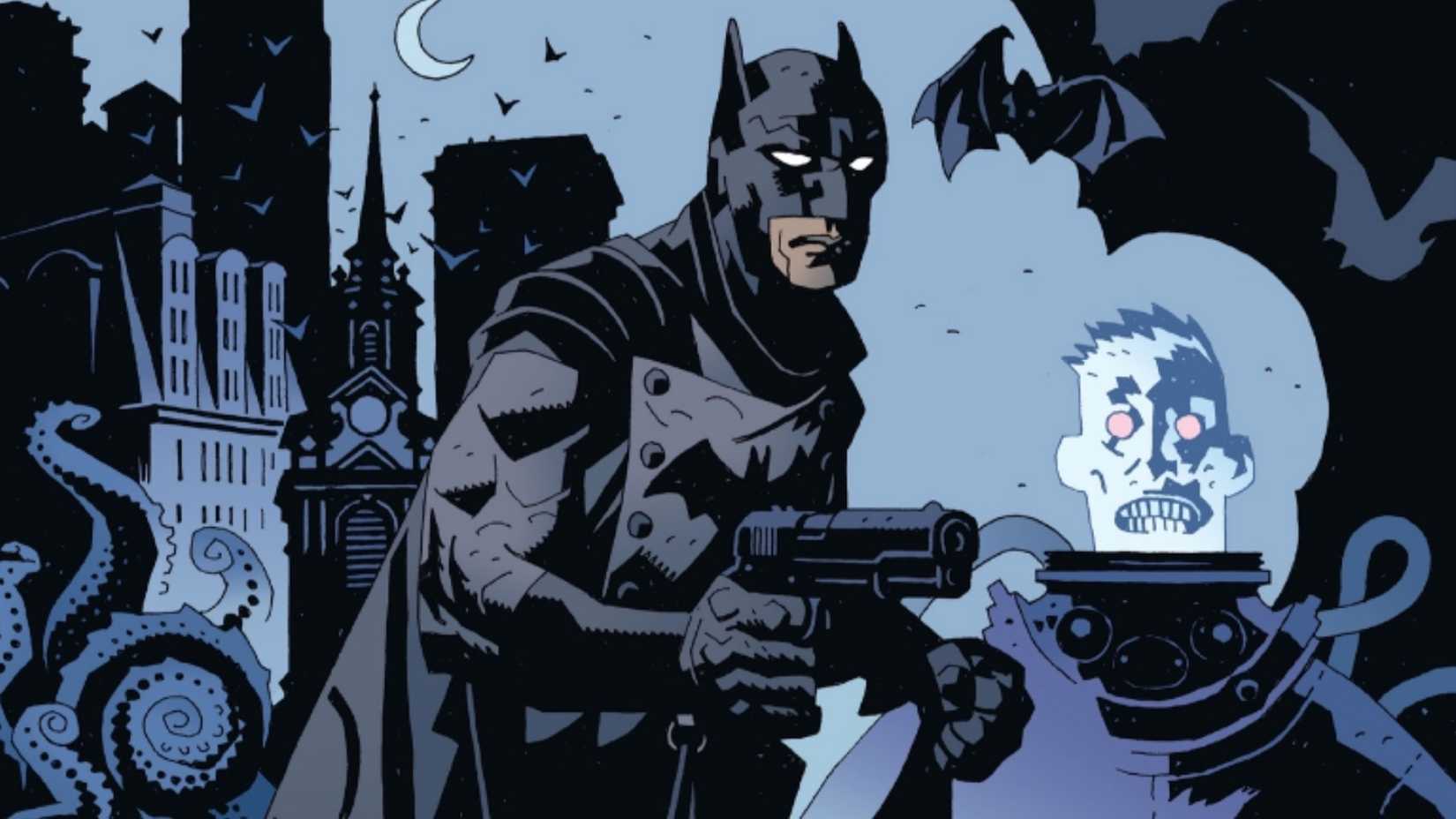
Co-written by Mike Mignola, this story fuses the Batman mythos with Lovecraftian cosmic horror. Set in the 1920s, Bruce Wayne battles eldritch horrors and cultists, reimagining villains like Two-Face and Ra’s al Ghul as supernatural monstrosities.
7. Wonder Woman: Amazonia (1997)
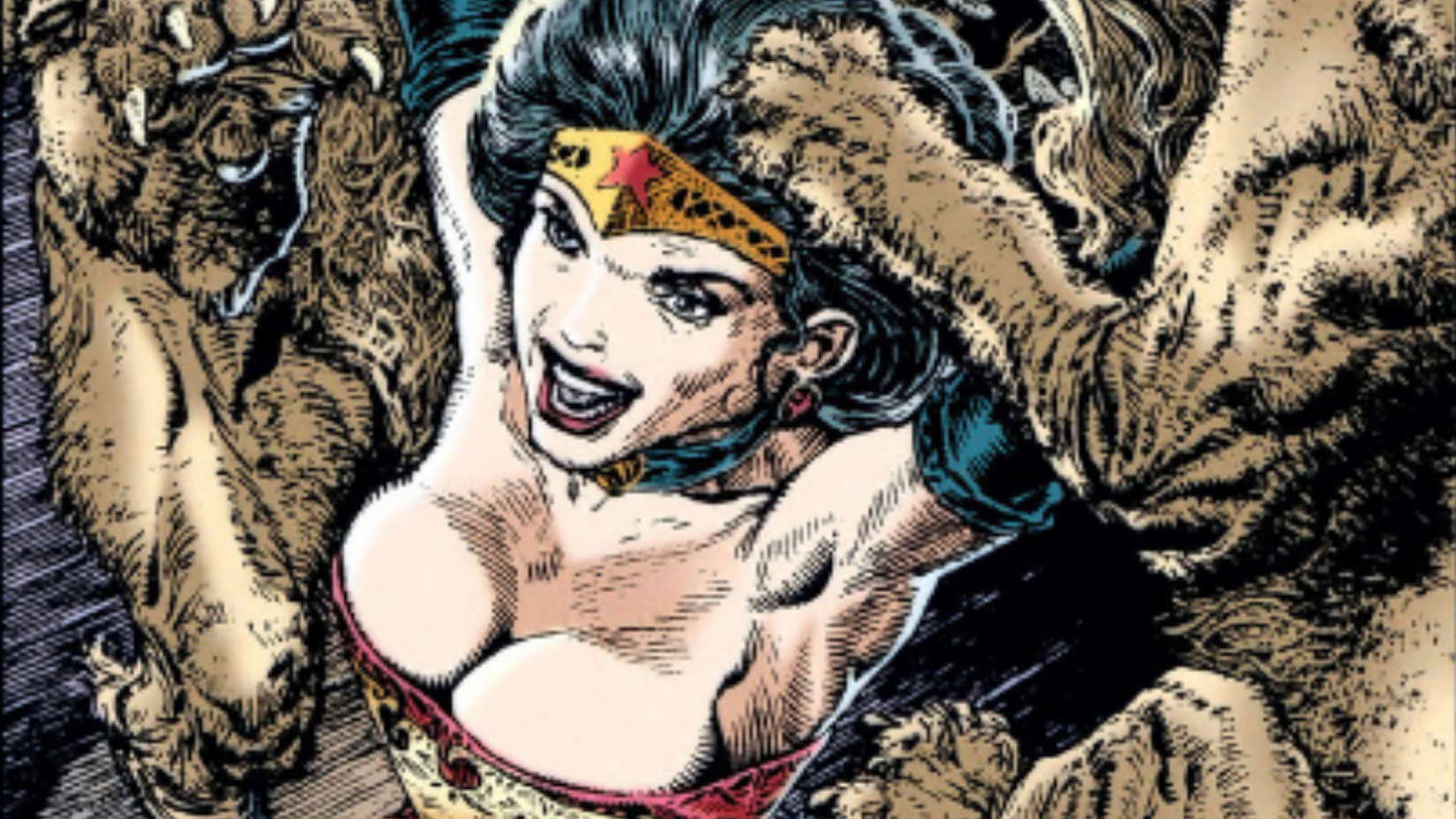
Set in a dystopian Victorian England ruled by a murderous Jack the Ripper (reimagined as King Jack), this tale follows Diana as she is snatched from Themyscira and forced into a life of performance. It eventually evolves into a powerful narrative of female-led revolution against patriarchal tyranny.
8. Green Lantern: Evil’s Might (2002)
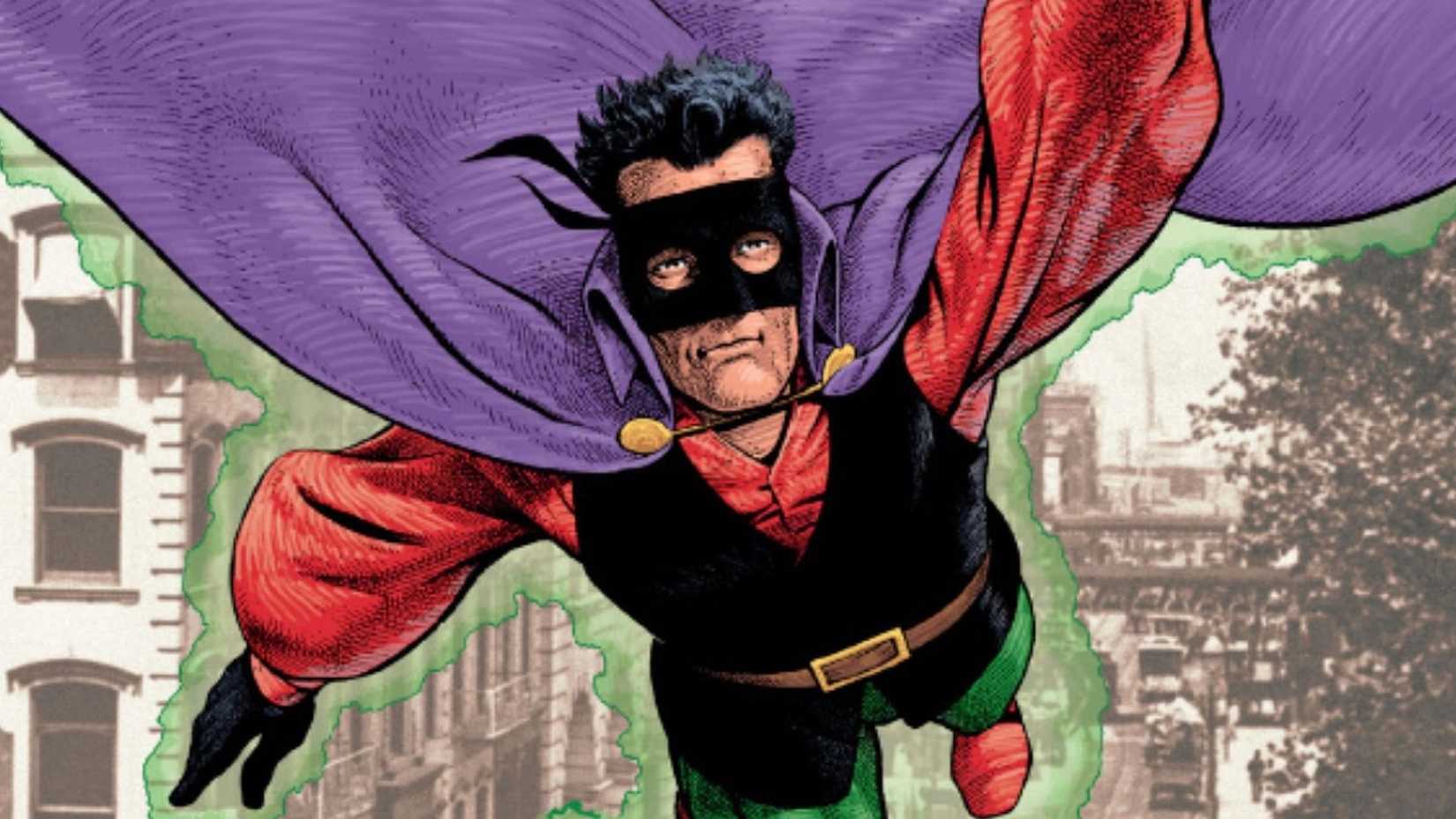
This Gilded Age reimagining features Kyle Rayner as a political cartoonist in 1888 New York. Instead of space-faring adventures, the story focuses on the plight of immigrants and the corruption of Tammany Hall, utilizing the Green Lantern ring as a tool for social reform rather than intergalactic policing.
9. Superman: Speeding Bullets (1993)
A fascinating hybrid story, Speeding Bullets sees the Waynes adopt the infant Kal-El. When Thomas and Martha are murdered, young "Bruce" uses his Kryptonian powers to seek vengeance as a super-powered Batman. The story explores whether the tragedy of Batman’s origin can be reconciled with the god-like power of Superman.
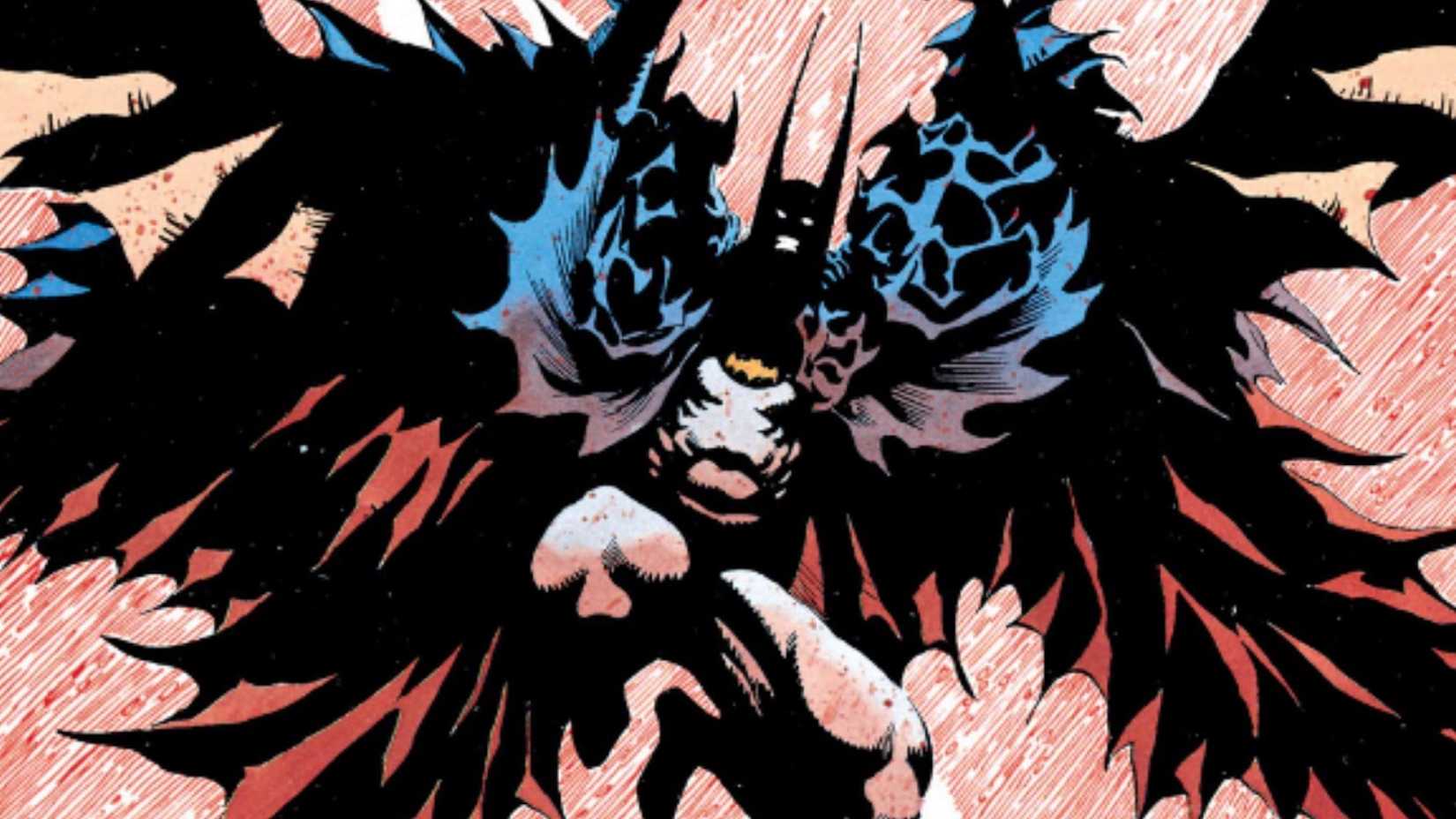
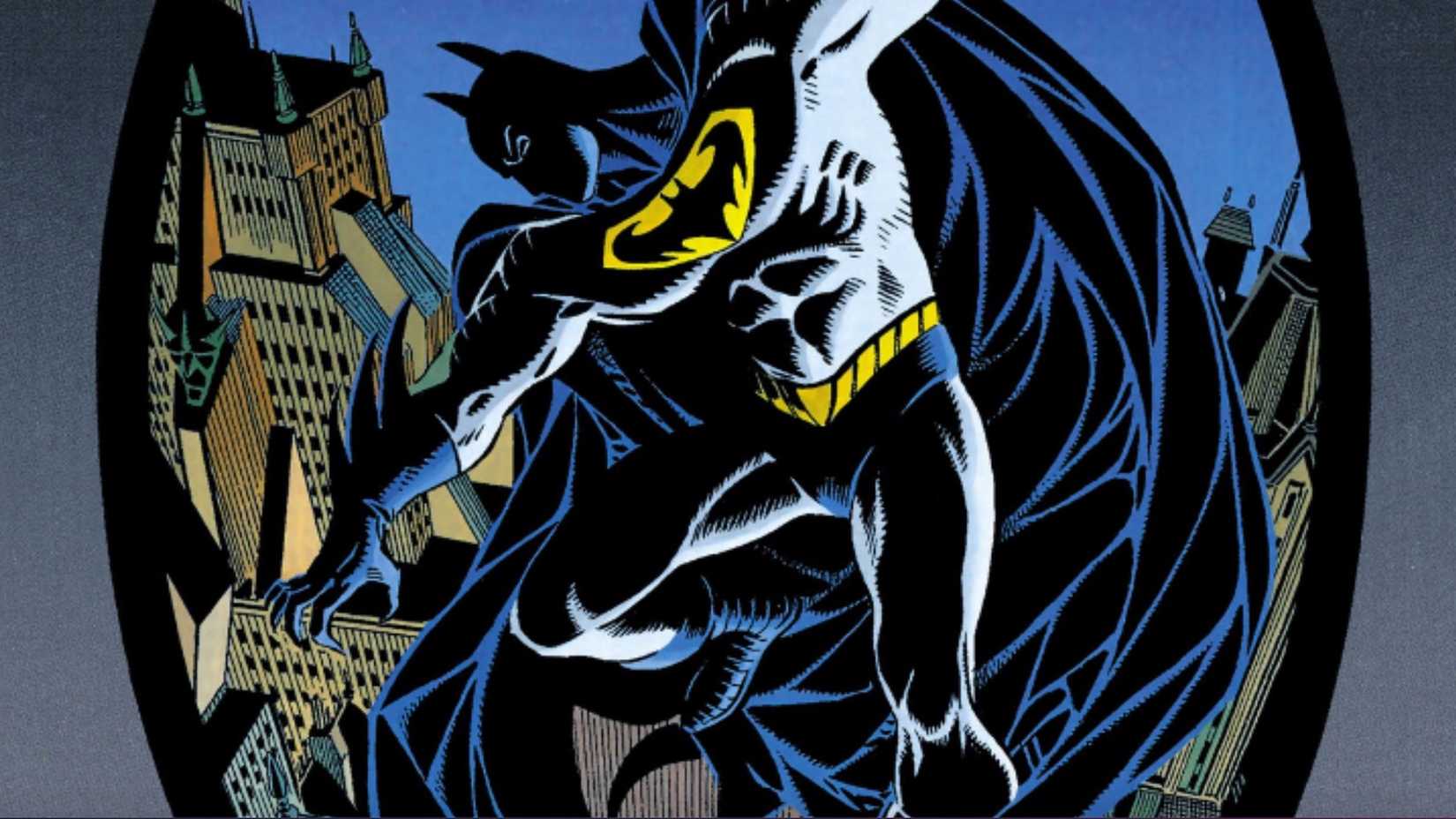
10. Batman & Dracula: Red Rain (1991)
Doug Moench and Kelley Jones leaned into pure gothic horror for this tale. To defeat Dracula’s invasion of Gotham, Batman chooses to become a vampire himself. The tragedy lies in Bruce’s eventual loss of humanity, transforming from Gotham’s protector into its most feared predator.
Chronology of the Elseworlds Imprint
The history of Elseworlds is a reflection of the comic book industry’s shifting priorities regarding continuity and brand management.
- 1989: The Genesis. While "Imaginary Stories" existed in the 1960s, Gotham by Gaslight provided the blueprint for a sophisticated, stand-alone alternate reality. DC soon formalized the "Elseworlds" logo and mission statement.
- 1991–2003: The Golden Era. This period saw the release of the imprint’s most influential works. DC utilized Elseworlds to experiment with prestige formats and high-concept crossovers, such as Batman/Captain America.
- 2004–2010: The Waning Years. As DC began focusing on "All-Star" titles and the "Multiversity" concept, the specific Elseworlds branding became less frequent. The imprint was officially placed on hiatus in 2010.
- 2024: The Grand Revival. Recognizing a market hunger for stand-alone stories that don’t require years of "homework," DC relaunched the imprint. New titles like Dark Knights of Steel (superheroes in a medieval setting) and Green Lantern: Dark have signaled a return to the imprint’s roots of high-concept genre-blending.
Supporting Data: Sales, Critical Reception, and Adaptations
The influence of Elseworlds extends far beyond the printed page. These stories often serve as the primary source material for DC’s most successful ventures in other media.
Critical Acclaim and Awards:
- Kingdom Come won five Eisner Awards and remains one of the best-selling graphic novels in DC’s back catalog.
- The Golden Age was a precursor to the critically acclaimed Starman series, which revitalized the Justice Society of America.
Multimedia Adaptations:
DC’s animation department has heavily leaned on Elseworlds for its direct-to-video film line. Gotham by Gaslight (2018), Superman: Red Son (2020), and Batman: The Doom That Came to Gotham (2023) were all adapted into feature-length animated movies. Furthermore, the 2019 "Crisis on Infinite Earths" crossover in the CW’s Arrowverse featured Brandon Routh playing the Kingdom Come version of Superman, complete with the iconic black-and-red "S" shield.
The Earth-Numbering System:
While Elseworlds stories were originally intended to be stand-alone, DC’s obsession with the Multiverse eventually assigned them "Earth" designations. For example:
- Earth-19: Gotham by Gaslight / Amazonia
- Earth-22: Kingdom Come
- Earth-30: Superman: Red Son
Official Responses and Strategic Direction
DC’s leadership has frequently cited the Elseworlds imprint as a vital tool for talent recruitment. By offering creators a "blank canvas" away from the constraints of main-line continuity, DC has been able to attract top-tier writers and artists who might otherwise be intimidated by 80 years of history.
During the 2024 relaunch announcement, DC executives emphasized that the new Elseworlds line would focus on "quality over quantity," ensuring that each release feels like a "literary event." This strategy aligns with the broader corporate vision under James Gunn and Peter Safran, who have rebranded non-DCEU films (like Matt Reeves’ The Batman and Todd Phillips’ Joker) as "DC Elseworlds" projects to clarify branding for general audiences.
Implications for the Future of Superhero Storytelling
The enduring popularity of Elseworlds highlights a significant shift in consumer behavior. Modern audiences are increasingly drawn to "Elseworlds-style" storytelling—narratives that have a clear beginning, middle, and end, independent of a sprawling cinematic universe.
- Creative Longevity: By allowing characters to exist in different settings, DC prevents "character fatigue." A Victorian Batman feels fresh even if the main-continuity Batman is currently involved in a repetitive street-war plot.
- Genre Expansion: Elseworlds allows DC to compete in genres they don’t normally occupy, such as Westerns, high fantasy, and hard sci-fi, while still utilizing the marketability of their primary IP.
- Entry Points for New Readers: For many, the "main" DC continuity is too dense to enter. Elseworlds provides a "low-stakes" entry point where a reader can enjoy a complete, high-quality story without knowing the current status of the Justice League.
As DC continues to expand its Multiverse, the Elseworlds imprint remains the gold standard for how to honor a character’s legacy while simultaneously tearing it apart and rebuilding it for a new generation. Whether it is a vampire Batman or a Soviet Superman, these stories prove that the most interesting versions of our heroes are often the ones we never expected to see.