
Beyond the Overlook: Evaluating the Horror Masterpieces That Challenge the Supremacy of Stephen King’s The Shining
Introduction: The Monolith of Modern Horror
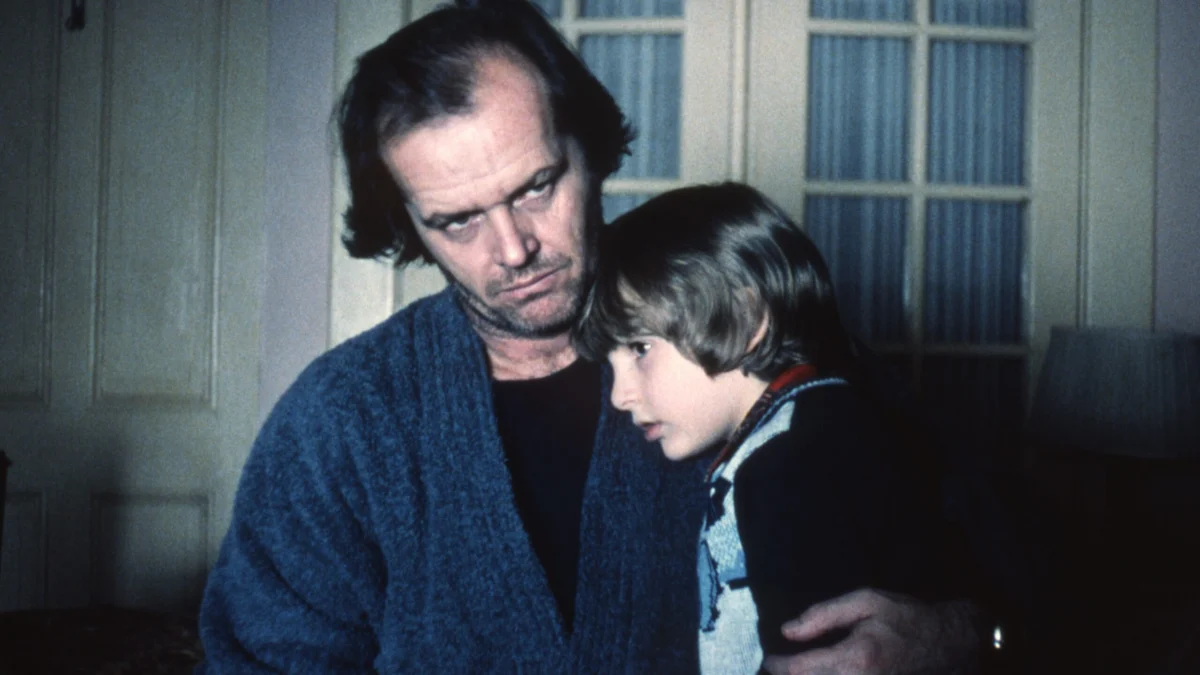
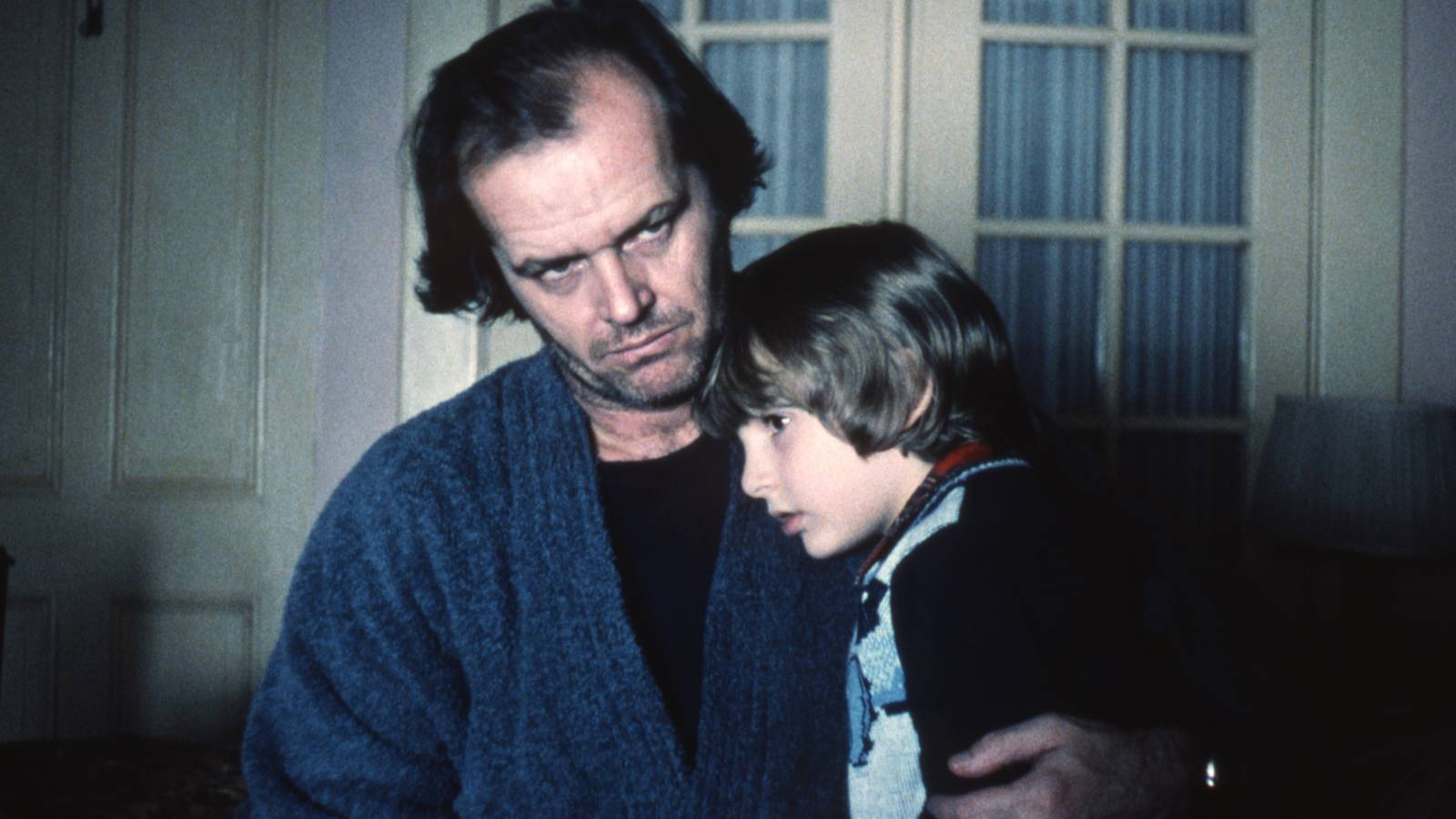
Since its publication in 1977, Stephen King’s The Shining has stood as a central pillar of the horror genre. Its narrative—a chilling exploration of isolation, alcoholism, and the supernatural rot of the Overlook Hotel—redefined the "haunted house" trope for the 20th century. Its legacy was further cemented by Stanley Kubrick’s 1980 film adaptation, which, despite King’s well-documented personal grievances with the director’s creative choices, transformed the story into a permanent fixture of the global cultural zeitgeist.
However, the landscape of horror literature is vast and varied. While The Shining is frequently cited as the pinnacle of the genre, a critical analysis of literary merit, psychological depth, and narrative innovation suggests that several other works may arguably surpass it. This report examines six seminal horror novels that challenge King’s masterpiece, analyzing their structural superiority, thematic resonance, and the official responses that have shaped their standing in the literary canon.
Main Facts: The Criteria for "Better" Horror
To argue that a book is "better" than The Shining requires a multifaceted approach. The following novels are evaluated based on:

- Narrative Innovation: How the book pushes the boundaries of traditional storytelling.
- Psychological Complexity: The depth of character exploration beyond the "descent into madness" archetype.
- Atmospheric Dread: The ability to sustain unease without relying on established genre tropes.
- Literary Influence: The work’s impact on subsequent generations of writers and its standing in the broader literary tradition.
The contenders range from the Victorian foundations of the genre to post-modern experiments that break the fourth wall of the reading experience itself.
Chronology: The Evolution of Horror Supremacy
The timeline of these works illustrates the progression of horror from external monsters to internal psychological voids.
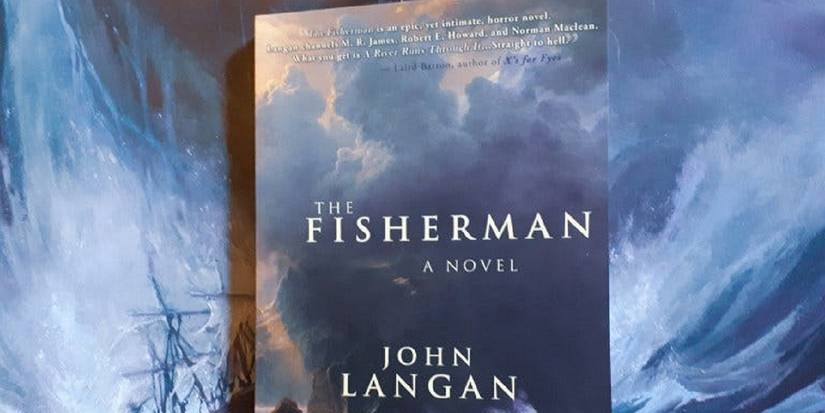
- 1897: Bram Stoker publishes Dracula, establishing the modern vampire mythos and utilizing the epistolary format to create a "found footage" sense of realism.
- 1959: Shirley Jackson releases The Haunting of Hill House, a book that Stephen King would later cite as the primary inspiration for his own career.
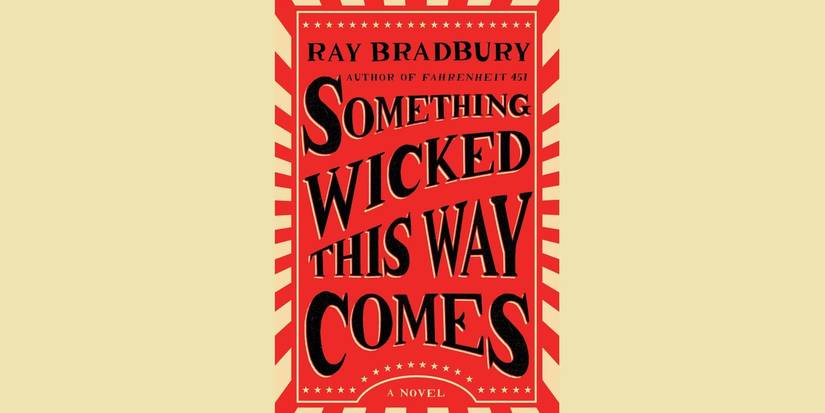
- 1962: Ray Bradbury’s Something Wicked This Way Comes merges poetic prose with the "dark carnival" trope, exploring the horrors of aging and desire.
- 1977: The Shining is published, marking King’s ascent to the "King of Horror."
- 1983: King publishes Pet Sematary, a novel so disturbing he initially refused to release it, believing he had "gone too far."
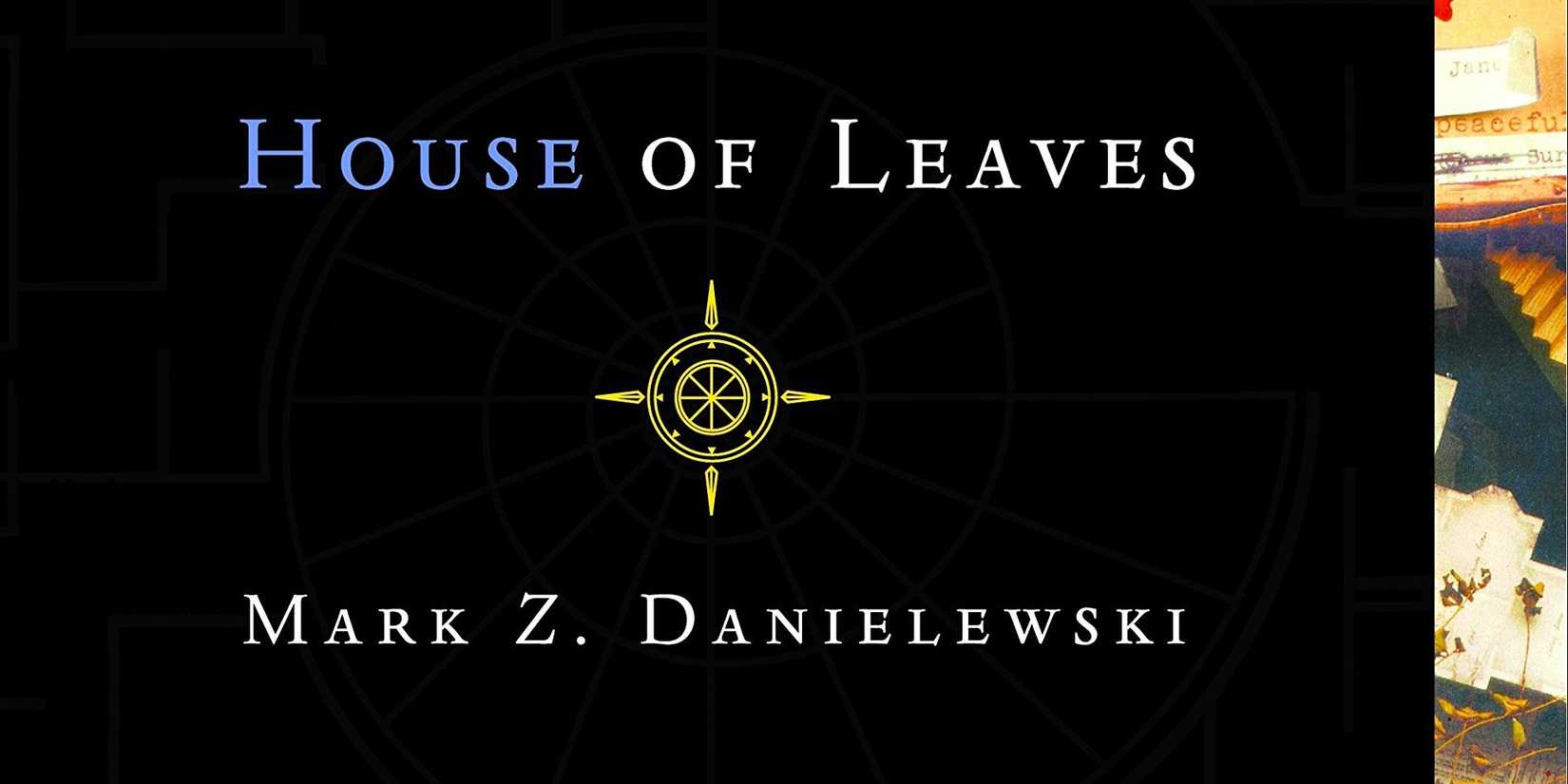
- 2000: Mark Z. Danielewski releases House of Leaves, a post-modern masterpiece that uses unconventional typography to simulate the experience of a haunted mind.
- 2016: John Langan’s The Fisherman is published, bridging the gap between human grief and Lovecraftian cosmic horror.
Supporting Data: A Deep Dive into the Contenders
1. The Cosmic Scope of The Fisherman (John Langan)
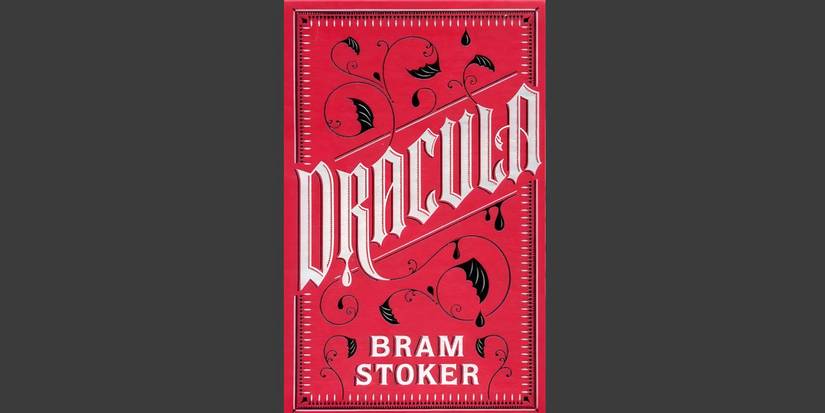
While The Shining is a masterful "closed-room" mystery, John Langan’s The Fisherman achieves a feat King’s novel does not attempt: the seamless transition from intimate human tragedy to cosmic dread. The story begins as a meditation on two widowers finding solace in fishing, but it eventually expands into an ancient, terrifying mythos. Unlike the Overlook, which is haunted by specific ghosts of the past, Langan’s horror is "unknowable," tapping into the Lovecraftian tradition where the universe itself is hostile to human existence.
2. The Realism of Dracula (Bram Stoker)
The superiority of Dracula lies in its architectural realism. By using letters, telegrams, and ship logs, Stoker creates a narrative that feels like a documented historical event. While Jack Torrance is a compelling protagonist, Count Dracula is a "looming force"—a shadow that is rarely seen but always felt. The scope of Dracula also exceeds the Overlook; it is a story of biological and cultural invasion that moves from the desolate peaks of Transylvania to the heart of Victorian London, raising the stakes to a civilizational level.
3. The Poetic Terror of Something Wicked This Way Comes (Ray Bradbury)
Ray Bradbury’s prose is often described as "liturgical horror." Where King’s writing is accessible and visceral, Bradbury’s is lyrical and philosophical. Something Wicked This Way Comes explores the "Autumn People"—beings who feed on regret and the fear of mortality. The book’s ability to turn a simple carnival into a metaphysical battleground for the soul offers a layer of sophistication that makes The Shining feel, by comparison, like a more straightforward slasher narrative.
4. The Architectural Genius of The Haunting of Hill House (Shirley Jackson)
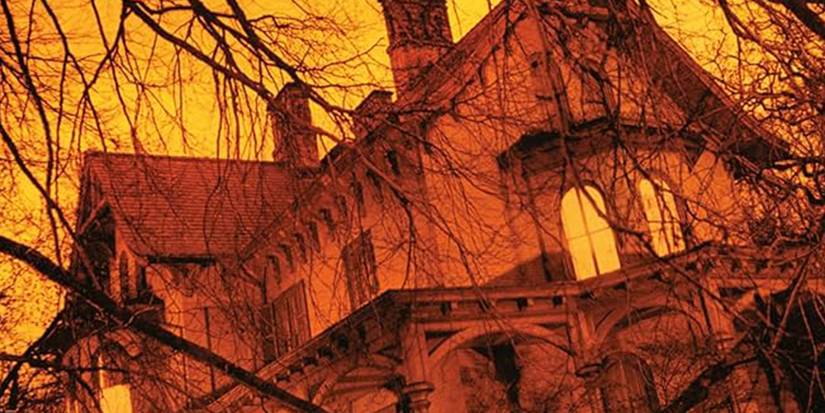
It is difficult to argue that The Shining is the best haunted house story when its predecessor, The Haunting of Hill House, exists. Jackson’s novel is a masterpiece of ambiguity. Is the house haunted, or is Eleanor Vance losing her mind? Jackson never raises her voice; the horror is found in the "cold spots" and the shifting geometry of the rooms. The book’s opening paragraph is widely considered the finest in horror history, setting a standard for atmosphere that even King admits he struggled to match.
5. The Meta-Horror of House of Leaves (Mark Z. Danielewski)
If The Shining is a movie you watch, House of Leaves is a maze you are trapped in. Danielewski uses "ergodic literature"—text that requires physical effort to navigate—to mirror the protagonist’s disorientation. As the house in the story expands internally, the footnotes and layout of the book become increasingly chaotic. This breaking of the fourth wall creates a level of immersion that a linear narrative like The Shining cannot achieve. It makes the reader a participant in the haunting.
6. The Nihilism of Pet Sematary (Stephen King)
In a rare instance of an author outdoing himself, many critics and fans argue that Pet Sematary is King’s true masterpiece. While The Shining deals with ghosts and madness, Pet Sematary deals with the most fundamental human fear: the refusal to accept death. The book is significantly darker and more nihilistic than The Shining. It moves from a domestic drama into a gruesome exploration of grief-driven insanity, culminating in an ending far more chilling than the fire at the Overlook.
Official Responses and Authorial Commentary
The standing of these novels is often reinforced by the authors themselves. Stephen King has been remarkably vocal about his influences and his own work’s limitations:
- On Shirley Jackson: King dedicated his novel Firestarter to Jackson, writing, "In Memory of Shirley Jackson, who never needed to raise her voice." He has frequently cited Hill House as the "perfect" horror novel.
- On Pet Sematary: In a 2014 interview with Ultimate Classic Rock, King admitted he was genuinely terrified by the implications of the book. "I thought, ‘I’ve gone too far,’" he stated, noting that he only published it to fulfill a contract with Doubleday.
- On Kubrick’s Adaptation: King famously disliked the 1980 film because it stripped away the "humanity" of Jack Torrance, turning him into a villain from the start rather than a man struggling with his demons. This critique highlights King’s own view that the book is about the tragedy of the family, a nuance often lost in its cultural legacy.
Implications: The Subjectivity of the "Greatest"
The debate over whether these books are "better" than The Shining highlights a shift in the horror genre’s priorities. For decades, the "Best of" lists were dominated by visceral, character-driven narratives like those found in the early Stephen King era. However, modern readers and critics are increasingly drawn to:
- Genre Hybridity: The blending of horror with literary fiction and cosmic philosophy (as seen in Langan and Bradbury).
- Formal Experimentation: A desire for books that challenge the act of reading (as seen in Danielewski).
- Psychological Ambiguity: A preference for "quiet horror" where the supernatural is never fully confirmed (as seen in Jackson).
Conclusion
Stephen King’s The Shining remains an essential text, a masterclass in tension and the domestic Gothic. However, when measured against the cosmic scale of The Fisherman, the formal audacity of House of Leaves, or the psychological precision of The Haunting of Hill House, it becomes clear that The Shining is part of a larger pantheon rather than its sole occupant. For the true horror aficionado, the "greatest" novel is rarely the most famous one, but the one that continues to haunt the reader long after the final page is turned.


Leave a Comment