The Future of Play: A Comprehensive Guide to Toy Story 5 and Its Post-Credits Revelations
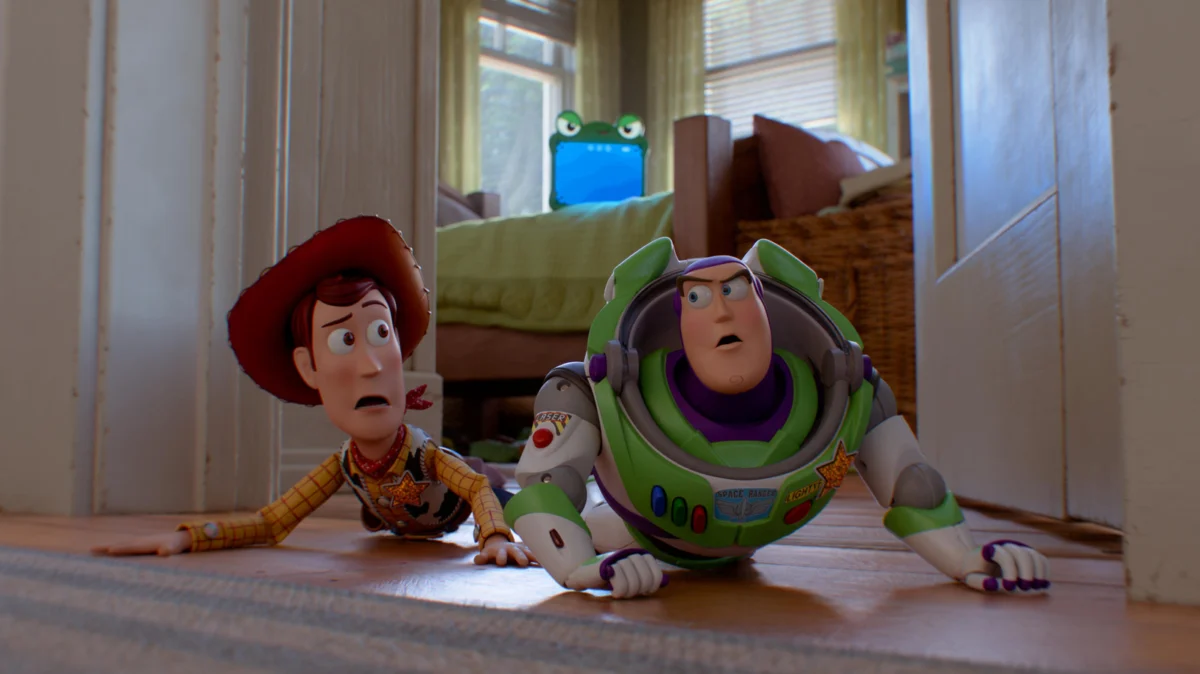
As the cinematic landscape continues to shift toward massive franchises and interconnected universes, few properties carry the emotional weight and historical significance of Pixar’s Toy Story. Since its groundbreaking debut in 1995, the series has not only defined the capabilities of computer-animated storytelling but has also served as a multi-generational touchstone for audiences worldwide. With the upcoming release of Toy Story 5 on June 19, 2026, fans are once again preparing to reunite with Woody, Buzz Lightyear, and the rest of the iconic toy box.
However, in the modern era of movie-going, the experience does not end when the screen fades to black. The "post-credits scene" has evolved from a niche industry easter egg into a mandatory ritual for blockbuster cinema. For those heading into theaters for this latest installment, the question is no longer just about the plot, but about the patience required after the final scene.
Main Facts: The Credits Situation for Toy Story 5
For viewers looking for a definitive answer without the risk of spoilers: Yes, Toy Story 5 features multiple sequences during and after the credits.
Specifically, the film utilizes a two-tiered approach to its closing moments. There is a mid-credits sequence that begins shortly after the initial stylized credits roll, followed by a brief post-credits scene at the very end of the technical scroll. While Pixar has historically used these moments for comedic "outtakes" or small character beats rather than the high-stakes narrative teases popularized by the Marvel Cinematic Universe, their inclusion here suggests that Disney and Pixar are keen on rewarding the "sit-through" culture of modern audiences.
Directed by Pixar veteran Andrew Stanton (Finding Nemo, WALL-E) and co-directed by Kenna Harris (Luca), Toy Story 5 represents a significant pivot for the franchise. The story moves away from the existential "goodbye" themes of the third and fourth installments, instead focusing on a contemporary conflict: the battle for a child’s attention in an age of digital dominance.
Chronology: A History of Pixar’s Post-Credit Legacy
To understand why audiences are so curious about the Toy Story 5 credits, one must look at the history of how Pixar has handled the final minutes of its films. The studio essentially pioneered the "animated blooper reel" in the late 1990s.
- The Blooper Era (1998–1999): Starting with A Bug’s Life and continuing into Toy Story 2, Pixar created "fake" outtakes, showing the digital characters flubbing lines or tripping on set as if they were live-action actors. This humanized the technology and became a signature of the studio.
- The Narrative Coda (2000s–2010s): Films like Finding Nemo and Monsters, Inc. shifted toward short, silent gags or "where are they now" snapshots of side characters. These weren’t teases for sequels, but rather emotional or comedic buttons to the story just told.
- The Franchise Era (2019–Present): With Toy Story 4, the credits featured a series of vignettes showing Woody and Bo Peep’s new life at the carnival, alongside Buzz and the gang’s life with Bonnie. It provided closure rather than a cliffhanger.
Toy Story 5 arrives at a time when Pixar is balancing its legacy as an auteur-driven studio with the commercial demands of being a tentpole provider for Disney. The decision to include two distinct scenes in the 2026 release suggests a blend of these eras—offering both the whimsical charm of the early years and the "stay-tuned" momentum of modern franchise filmmaking.
Supporting Data: The High Stakes of the Fifth Installment
The decision to produce a fifth Toy Story film was met with both excitement and skepticism. However, the financial and critical data surrounding the franchise makes the move logical from a studio perspective.
- Box Office Dominance: Both Toy Story 3 (2010) and Toy Story 4 (2019) surpassed the $1 billion mark at the global box office. They remain two of the highest-grossing animated films of all time.
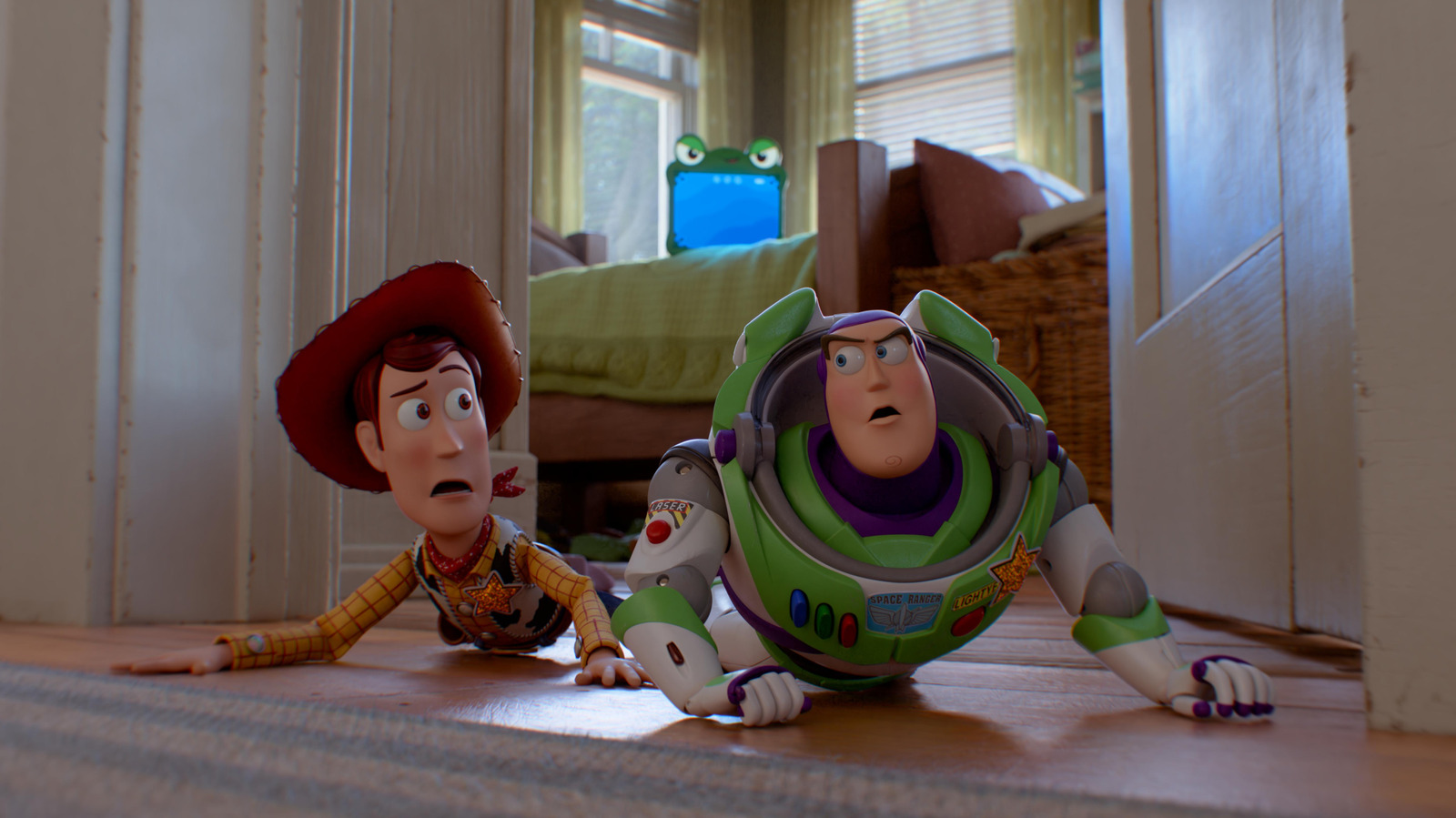
- The "Tech vs. Toy" Market: Internal research and industry trends suggest that "analog" play is facing its steepest competition yet. The premise of Toy Story 5—which introduces "Lilypad," a tablet device voiced by Greta Lee—directly addresses the real-world decline in traditional toy sales in favor of mobile gaming and streaming content.
- Voice Talent Continuity: A major factor in the franchise’s longevity is the return of its core cast. Tom Hanks (Woody) and Tim Allen (Buzz Lightyear) have confirmed their involvement, ensuring that the 30-year emotional bridge between the characters and the audience remains intact.
The inclusion of Greta Lee as the "antagonist" or "disruptor" Lilypad is particularly noteworthy. Lee, coming off the critical success of Past Lives, represents Pixar’s ongoing effort to bring contemporary, high-caliber talent into the fold to keep the franchise feeling fresh rather than nostalgic.
Official Responses and Production Insights
The return to the Toy Story universe was not a decision made lightly. Pete Docter, Pixar’s Chief Creative Officer, has gone on record stating that the studio only pursues sequels when there is a story worth telling that matches the quality of the originals.
"We were as surprised as anyone when the idea for a fifth one started to take shape," Andrew Stanton noted in early production discussions. "But the world has changed so much since 1995. The way kids interact with the world through screens is a story we felt we had to tell through the eyes of the toys we love."
Stanton, who has been a writer on every Toy Story film to date, brings a level of "institutional memory" to the project. His direction suggests a return to the tighter, character-driven storytelling that defined the first two films, even as the scale of the animation reaches new heights of photorealism.
The musical score also sees the return of Randy Newman. Newman’s involvement is often cited by critics as the "secret sauce" of the franchise, providing the Americana-infused warmth that grounds the high-concept digital animation.
Implications: What This Means for the Future of Pixar
The existence of post-credits scenes in Toy Story 5 carries implications that extend beyond the 100-minute runtime of the movie itself.
1. The "Forever Franchise" Model
By continuing the Toy Story brand, Disney is signaling that certain IPs are "evergreen." Much like Star Wars or the Marvel characters, Woody and Buzz are moving into a phase where they can be handed down to new generations of filmmakers and audiences indefinitely. The post-credits scenes may serve as a subtle bridge to spin-offs or short-form content destined for Disney+.
2. The Battle for Theatrical Attention
In an era where streaming has shortened the "theatrical window," Pixar is using every tool available to make the cinema experience feel like an event. Confirmed credits scenes encourage audiences to stay in their seats, talk about the film, and participate in the communal "waiting" that has become a hallmark of big-budget moviegoing.
3. Thematic Evolution
The "Toy meets Tech" plot of Toy Story 5 suggests that Pixar is ready to tackle more complex, modern social issues. If the film successfully navigates the tension between digital entertainment and physical imagination, it could set a new template for how animated films address the "iPad kid" phenomenon. The credits scenes likely reinforce this theme, perhaps showing the toys’ ultimate integration into—or resistance against—the digital world.
Conclusion: Should You Stay for the Credits?
For the casual viewer, the mid-credits and post-credits scenes of Toy Story 5 offer a final dose of the humor and heart that have defined the series for three decades. For the die-hard fan, these moments are a crucial part of the experience, offering potential clues about where these characters might go next—or simply providing one last laugh before the lights come up.
While the scenes are described as "not strictly necessary" for understanding the primary plot, they represent the "added value" that has kept Pixar at the top of the animation industry. As Toy Story 5 prepares to dominate the 2026 summer box office, it serves as a reminder that even in a world of tablets and touchscreens, there is still something magical about sitting in the dark and waiting to see what happens after the names finish scrolling.
Toy Story 5 is scheduled to arrive in theaters on June 19, 2026. Whether it marks the final chapter or a new beginning, one thing is certain: the toys are far from finished.