The Pantheon of Power: How Seven Films Defined the Modern Superhero Masterpiece
For over two decades, the superhero genre has acted as the primary engine of the global box office. However, the sheer volume of "cape-and-cowl" content has often led to a critical debate regarding "superhero fatigue" and the artistic merit of blockbuster filmmaking. While many entries in the genre prioritize spectacle over substance, a select few have transcended their comic-book origins to become genuine cinematic milestones.
Since the turn of the millennium, the genre has evolved from niche entertainment into a sophisticated medium for exploring complex themes such as political surveillance, generational trauma, and the philosophical nature of chaos. The following seven films represent the pinnacle of this evolution—works that not only redefined the blockbuster but also achieved a level of narrative and technical "perfection" rarely seen in any genre.
1. The Historical Context: The Superhero Renaissance (2000–2018)
To understand the significance of these films, one must look at the chronological trajectory of the genre. In the late 1990s, superhero films were largely viewed as campy or commercially volatile. The release of X-Men in 2000 and Spider-Man in 2002 signaled a shift toward grounded stakes and emotional sincerity.
As the 2000s progressed, directors like Christopher Nolan and Sam Raimi began to treat these characters with the same gravitas afforded to historical figures or literary icons. By the 2010s, the Marvel Cinematic Universe (MCU) introduced the concept of the interconnected "mega-franchise," while standalone "auteur" projects like Logan and Spider-Man: Into the Spider-Verse pushed the boundaries of rating and medium.
2. The Seven Pillars of the Genre
I. X2: X-Men United (2003) – The Allegory for Identity
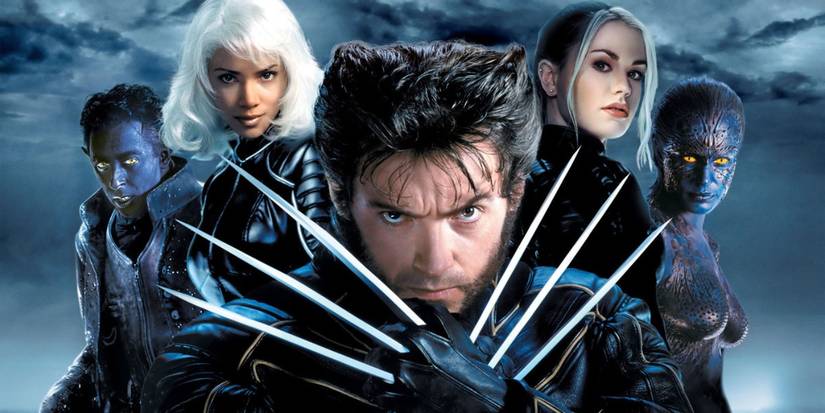
Following the success of the first X-Men, the 2003 sequel deepened the franchise’s core metaphor: the mutant struggle as a surrogate for real-world civil rights and marginalized identities. By introducing William Stryker (Brian Cox), a military figure fueled by domestic xenophobia, the film shifted the conflict from "good mutants vs. bad mutants" to a fight for survival against institutional erasure.
Supporting Data: X2 was a critical darling, maintaining an 85% on Rotten Tomatoes. It proved that an ensemble cast—featuring Hugh Jackman, Sir Ian McKellen, and Patrick Stewart—could balance individual character arcs within a high-stakes global narrative.

II. Spider-Man 2 (2004) – The Burden of the Hero
Sam Raimi’s sequel is frequently cited by filmmakers as the blueprint for a perfect superhero story. Its brilliance lies in its focus on Peter Parker (Tobey Maguire) as a struggling young adult rather than an invincible god. The film explores the "cost" of heroism—missed classes, unpaid rent, and broken hearts.
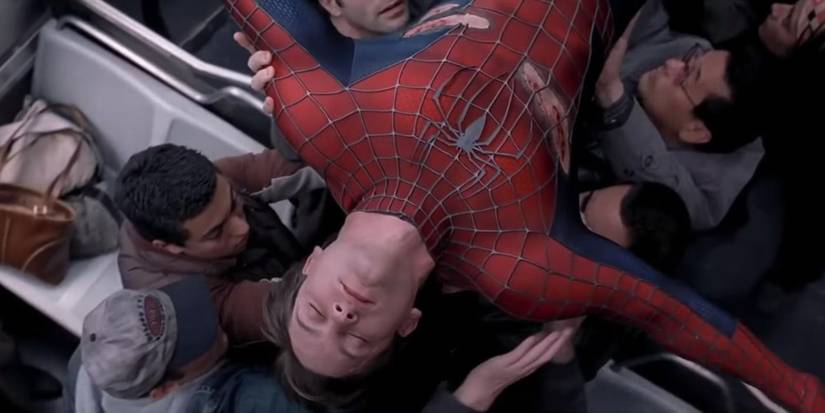
Thematic Resonance: Alfred Molina’s Doctor Octopus remains a gold-standard villain because his tragedy mirrors Peter’s own. The iconic "train scene," where New Yorkers protect an unmasked, exhausted Peter, serves as the definitive cinematic expression of the hero-community relationship.
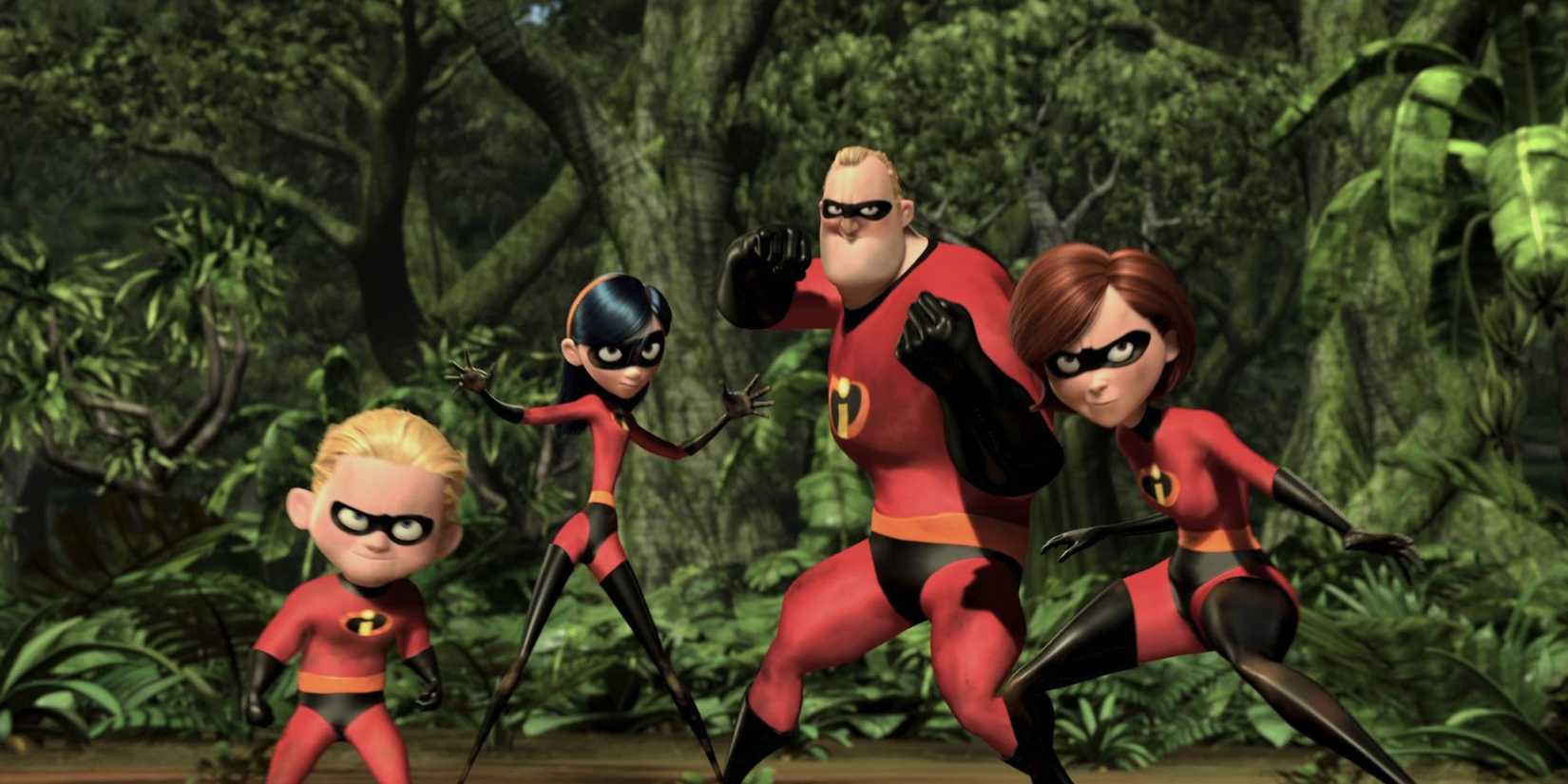
III. The Incredibles (2004) – The Deconstruction of the Family
Pixar’s The Incredibles achieved what many live-action films could not: a sophisticated exploration of the mid-life crisis and the domestic mundane through the lens of extraordinary power. Director Brad Bird utilized the 1960s "retro-futurist" aesthetic to tell a story about exceptionalism and the frustration of being forced into mediocrity.
Implications: The film is credited with proving that animation could handle mature themes regarding marriage, infidelity (metaphorical), and the ethics of vigilantism as effectively as live-action drama.
IV. The Dark Knight (2008) – The Crime Epic
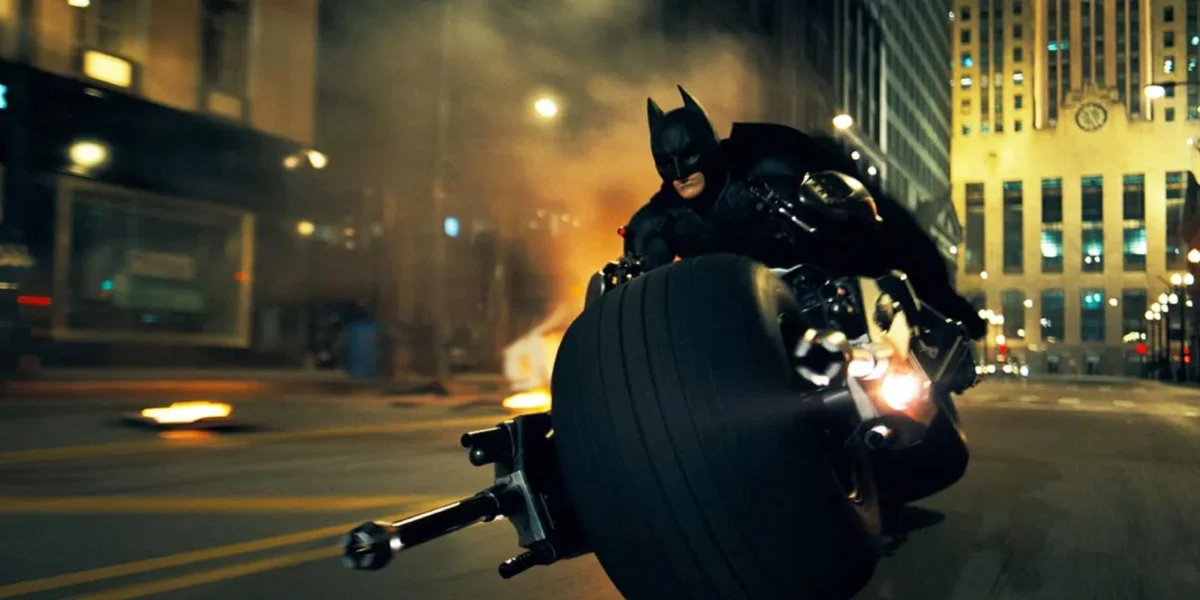
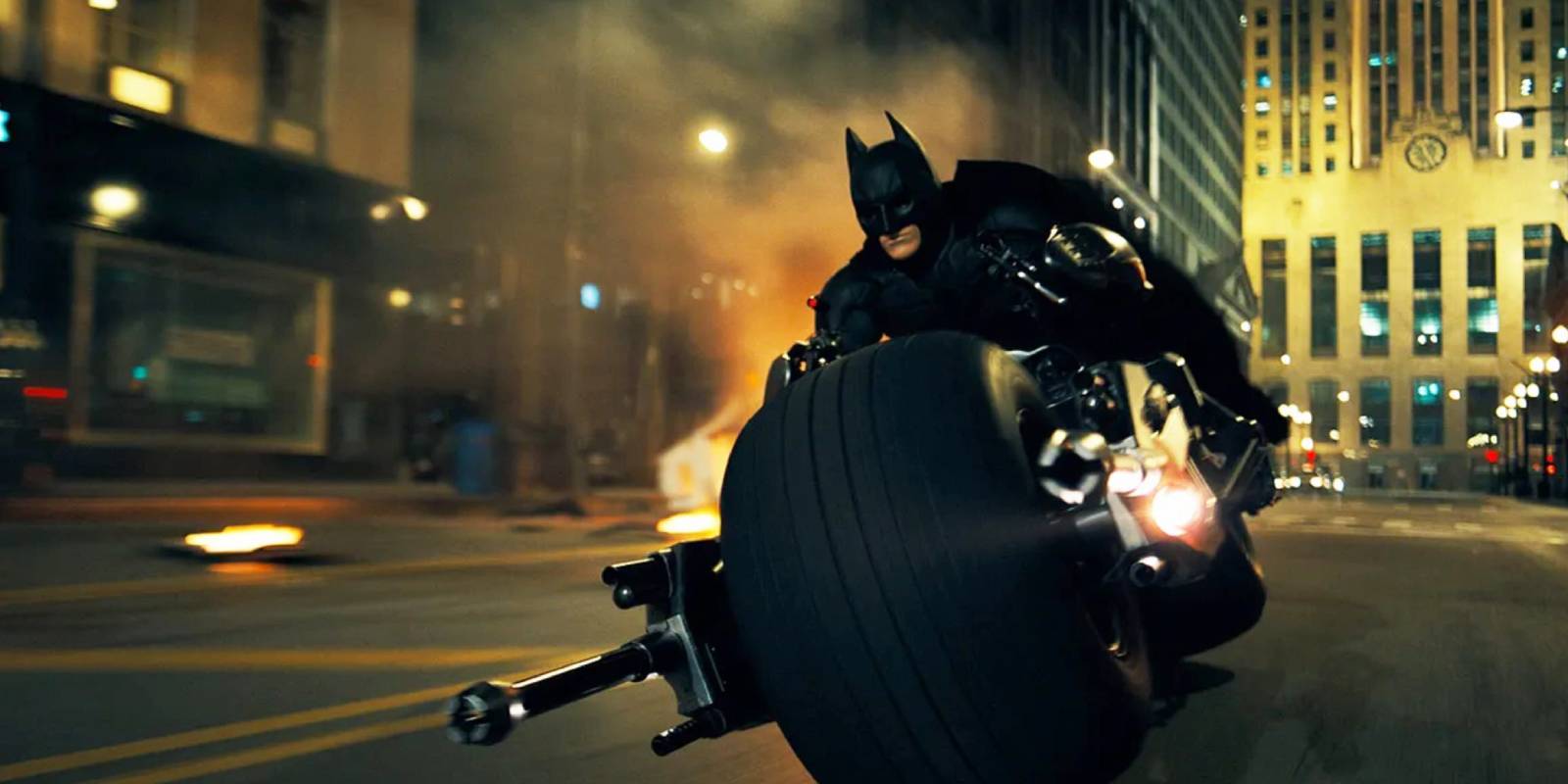
Christopher Nolan’s The Dark Knight did more than raise the bar; it changed the Academy Awards. The film’s snub for Best Picture led to the expansion of the category from five to ten nominees. By framing Batman (Christian Bale) within a gritty, Michael Mann-inspired crime thriller, Nolan stripped away the "comic book" feel in favor of a visceral examination of post-9/11 anxiety and the fragile nature of social order.
Official Response: Heath Ledger’s posthumous Academy Award for Best Supporting Actor remains a landmark moment, validating the genre’s potential for world-class acting.
V. Captain America: The Winter Soldier (2014) – The Political Thriller
While the MCU is often criticized for its formulaic nature, The Winter Soldier stands as a defiant outlier. Directors Joe and Anthony Russo drew inspiration from 1970s conspiracy thrillers like Three Days of the Condor. The film challenged the morality of its protagonist, Steve Rogers (Chris Evans), by placing him in a world of drone strikes and global surveillance.
Supporting Data: The film’s grounded, "stunt-first" choreography redefined action in the MCU, moving away from CGI-heavy spectacles toward bone-crunching, tactical combat.
VI. Logan (2017) – The Mortality of Legend
James Mangold’s Logan took the bold step of aging its protagonist into a state of decay. Influenced by the Western classic Shane, the film is a R-rated, bloody meditation on legacy and the exhaustion of a life defined by violence. Hugh Jackman’s final (at the time) turn as Wolverine was less about saving the world and more about saving a single child, Laura (Dafne Keen).
Critical Consensus: Critics praised the film for its "emotional honesty," with many noting that it felt less like a superhero movie and more like a modern tragedy.
VII. Spider-Man: Into the Spider-Verse (2018) – The Visual Frontier
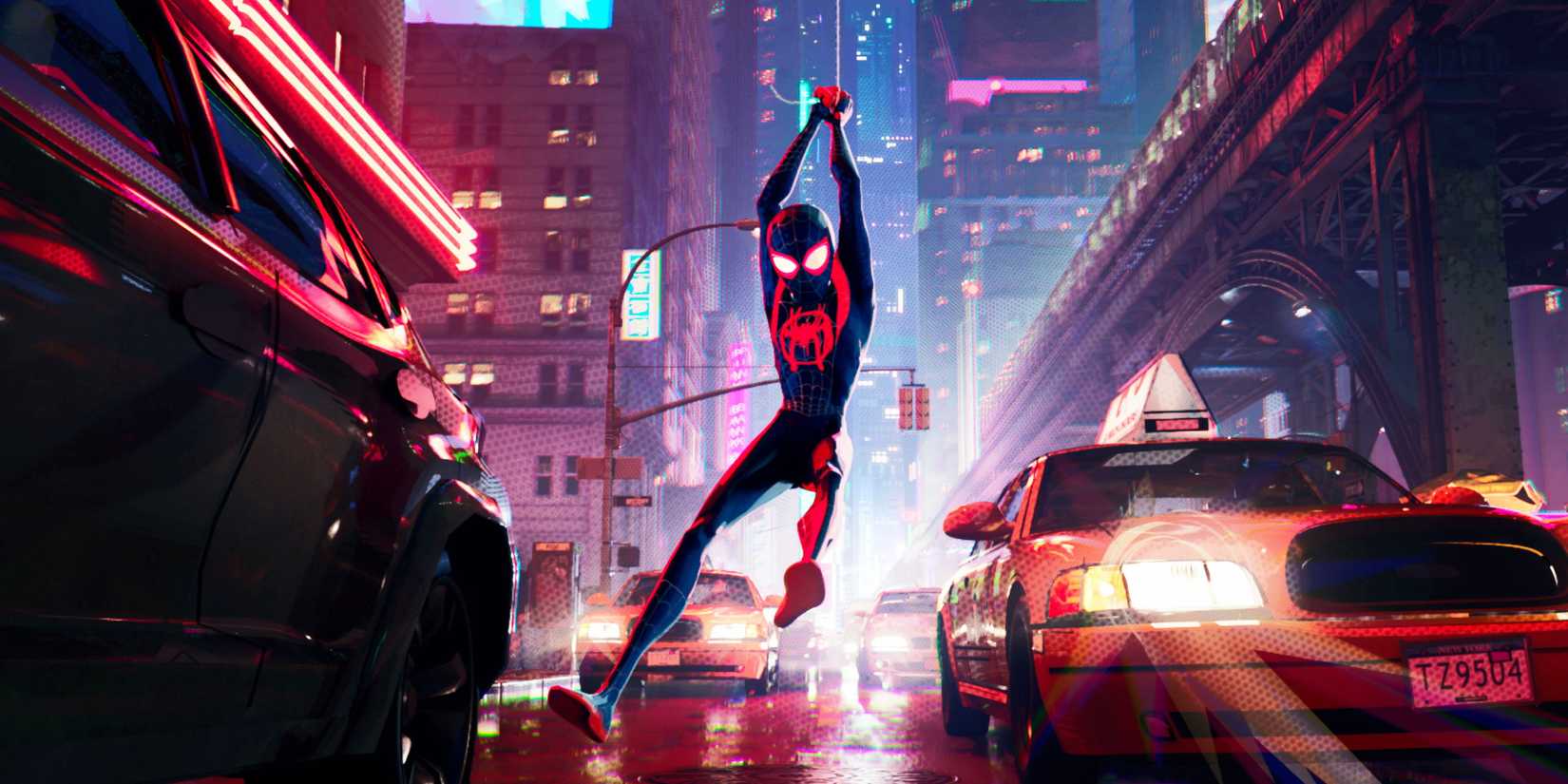
If The Dark Knight was the pinnacle of live-action realism, Into the Spider-Verse was the ultimate celebration of the comic book medium. By utilizing a revolutionary animation style that mimicked Ben-Day dots and hand-drawn ink lines, the film felt like a "moving comic."
Narrative Impact: The film’s "anyone can wear the mask" philosophy provided a new level of representation through Miles Morales, expanding the Spider-Man mythos for a global, diverse audience.
.jpeg?q=49&fit=crop&w=825&dpr=2)
3. Supporting Data and Critical Reception
The "perfection" of these films is not merely subjective; it is backed by a combination of critical scores and long-term cultural footprint.
| Film | Rotten Tomatoes Score | Academy Award Wins | Key Innovation |
|---|---|---|---|
| The Dark Knight | 94% | 2 | IMAX Integration / Psychological Thriller |
| Spider-Verse | 97% | 1 | Multi-Frame Animation Techniques |
| Logan | 93% | 0 (Nominated for Screenplay) | R-Rated Character Study |
| Spider-Man 2 | 93% | 1 | Emotional Vulnerability / Practical Effects |
| The Incredibles | 97% | 2 | Family-Centric Narrative |
4. Official Responses and Industry Perspectives
The industry’s perception of these films highlights their status as outliers. Christopher Nolan has frequently discussed his desire to use Batman as a vehicle for "cinematic realism," stating that the character’s lack of superpowers allowed for a more grounded exploration of human psychology.
Similarly, James Mangold spoke about the production of Logan as a battle to remove the "tentpole" requirements of the genre. "I didn’t want to make a movie that was an advertisement for another movie," Mangold stated in a 2017 interview. This sentiment—prioritizing a self-contained, meaningful story over franchise building—is a common thread among all seven films listed.
Critics, including the late Roger Ebert, noted that Spider-Man 2 was the rare sequel that improved upon the original by "delving into the humanity" of its hero. This shift from "what the hero can do" to "who the hero is" remains the hallmark of a masterpiece in this category.
5. Implications for the Future of Cinema
The enduring legacy of these seven films suggests that the superhero genre is at its best when it refuses to be "just" a superhero genre. The implications for future filmmaking are clear:
- Genre-Blending is Essential: To avoid audience burnout, future films must continue to borrow from other genres—be it horror, westerns, or political thrillers.
- Auteur Vision Matters: The most successful films on this list resulted from directors being given the creative freedom to impose their specific visual and thematic styles on the material.
- Themes Over Power-Levels: As seen in The Incredibles and Logan, audiences connect more with a character’s failures and familial struggles than with the scale of their destructive power.
As the cinematic landscape continues to shift toward streaming and shorter attention spans, these seven films serve as a reminder that the "blockbuster" can still be high art. They are the benchmarks against which all future entries in the genre will—and should—be measured. Whether through the lens of a gritty Gotham City or the vibrant multiverse of Miles Morales, these stories prove that when done with care, the superhero myth is as resonant as any legend in human history.