
Bridging the Brick and the Bat: The Anticipated Launch of LEGO Batman: Legacy of the Dark Knight
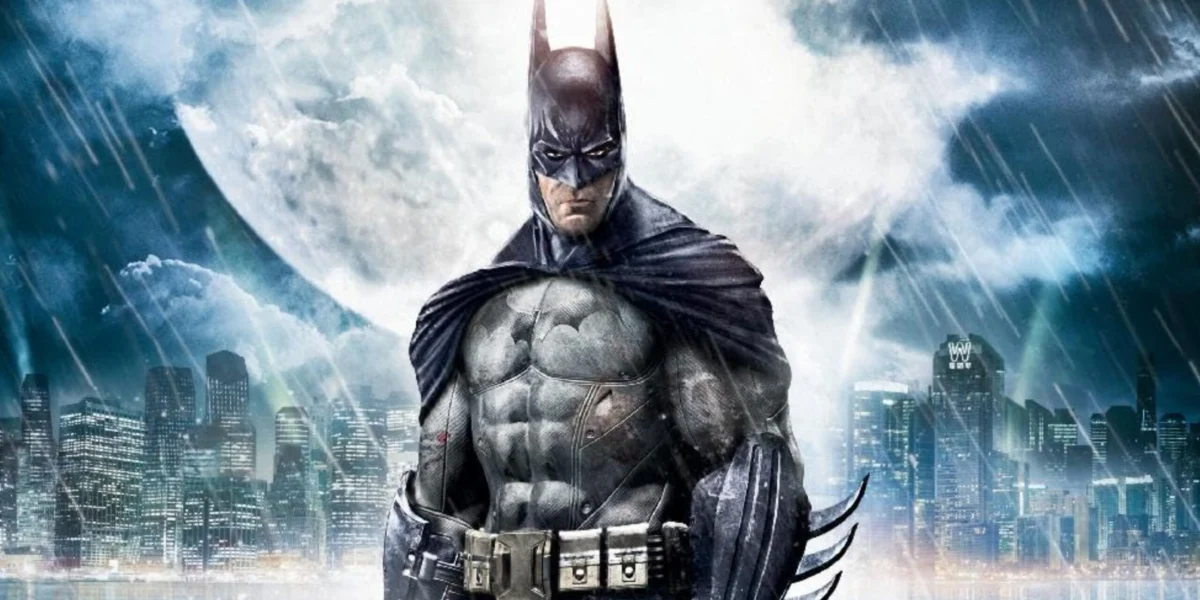
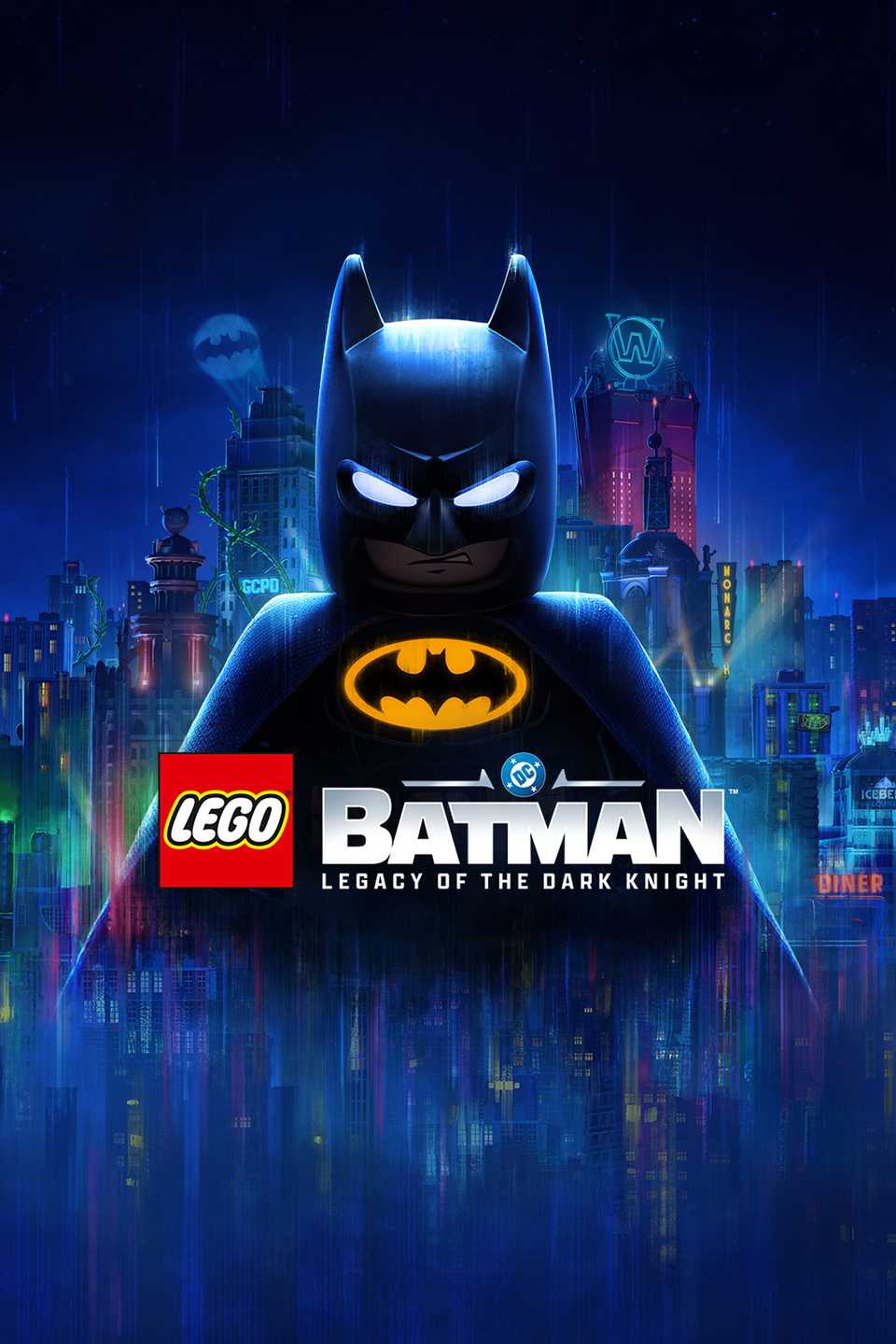
The intersection of high-stakes superhero drama and the whimsical, creative world of LEGO has long been a cornerstone of the gaming industry. As the calendar turns toward the end of May 2026, the gaming community finds itself on the precipice of a significant release: LEGO Batman: Legacy of the Dark Knight. Developed by the veterans at TT Games and published by Warner Bros. Interactive, this title represents more than just another entry in a long-running franchise; it serves as a digital museum of Batman’s storied history in interactive media.
With a scheduled release date of May 22, 2026, for PC, PlayStation 5, and Xbox Series X|S, the game aims to recapture the magic that once made the Caped Crusader the king of the action-adventure genre. This article explores the core facts of the upcoming release, the chronological evolution of the series, the technical and fan-driven data supporting its hype, and the broader implications for the future of the DC gaming universe.
I. Main Facts: A New Chapter in Gotham’s History
LEGO Batman: Legacy of the Dark Knight is positioned as a comprehensive celebration of the Batman mythos. While the previous three LEGO Batman titles explored original stories and the broader Justice League, Legacy of the Dark Knight appears to be narrowing its focus back to the gritty, atmospheric roots of Gotham City, albeit through a family-friendly lens.
Launch Details and Platform Availability
The primary launch is set for May 22, 2026. However, in a move that has sparked significant discussion among handheld enthusiasts, the version for the "Switch 2" (Nintendo’s successor to the original Switch) has been delayed. TT Games has cited the need for further optimization to ensure the platform’s unique hardware capabilities are fully utilized, leaving a "TBD" window for Nintendo fans.
Key Content and Special Editions
One of the most significant draws for the 2026 title is its integration of legacy content from other Batman media. Specifically, the game will launch with two major downloadable content (DLC) expansions that bridge the gap between the LEGO universe and the "Arkhamverse":
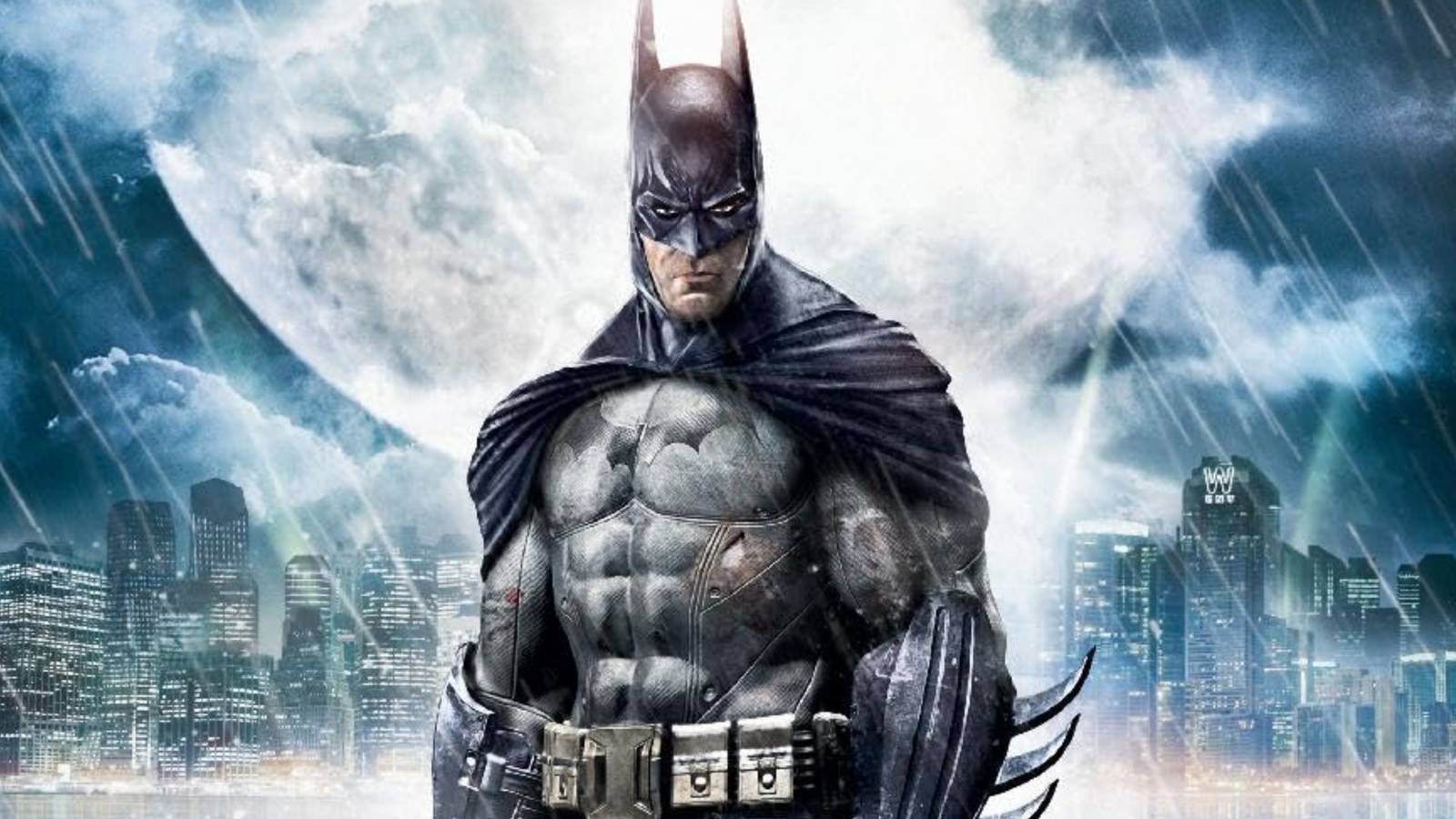
- The Arkham Trilogy Pack: This pack is a direct homage to Rocksteady Studios’ legendary Arkham series. It includes the iconic, tank-like Batmobile from Batman: Arkham Knight, along with specialized character models for Batman and Catwoman that mirror their darker, more armored appearances in those games.
- The Batman Beyond Pack: Tapping into the cult-classic animated series, this pack introduces the sleek, futuristic Batmobile of Neo-Gotham, alongside high-tech suit designs for Terry McGinnis’s Batman and an aged Bruce Wayne’s Robin.
II. Chronology: The Road to 2026
To understand the weight of expectations resting on Legacy of the Dark Knight, one must look at the timeline of Batman’s digital evolution. For over two decades, the character has been the vanguard for superhero gaming.
The Arkham Revolution (2009–2015)
The benchmark for all superhero games remains the Arkham trilogy. Arkham Asylum (2009) redefined "freeflow" combat; Arkham City (2011) mastered the open-world superhero experience; and Arkham Knight (2015) pushed graphical fidelity to its limits. Since the conclusion of that trilogy, fans have been chasing that same high. While Rocksteady moved on to Suicide Squad: Kill the Justice League and the upcoming Wolverine project, a "Batman-shaped hole" was left in the market.
The LEGO Parallel Path (2008–2014)
Parallel to the gritty Arkham games, TT Games built a lighter legacy. LEGO Batman: The Videogame (2008) was a massive success, followed by the ambitious LEGO Batman 2: DC Super Heroes (2012), which introduced voice acting and an open-world Gotham. LEGO Batman 3: Beyond Gotham (2014) took the scale to outer space, but some fans felt it lost the "street-level" charm of the Dark Knight.

The 2026 Resurgence
After a period of relative quiet for the solo Batman brand—interrupted only by the divisive Gotham Knights (2022)—the announcement of Legacy of the Dark Knight in late 2025 signaled a return to form. By choosing to launch in May 2026, Warner Bros. is positioning the game as a "summer blockbuster" title, capitalizing on a window where few other major superhero titles are slated for release.
III. Supporting Data: Why the "Arkham" Connection Matters
The inclusion of Arkham content in a LEGO game is not merely a cosmetic choice; it is a calculated move supported by player engagement data and community sentiment.
The Nostalgia Factor
Market research into the "Legacy" branding suggests that the target demographic for this game includes both young children and "kidults"—adult fans who grew up playing the Arkham series. By including the Arkham Batmobile, TT Games is leveraging the nostalgia of the 2010s. The Arkham trilogy continues to see high "long-tail" sales on digital storefronts like Steam and the PlayStation Store, proving that the aesthetic remains highly profitable.
The "Origins" Omission
Interestingly, community analysts have pointed out a glaring omission: Batman: Arkham Origins. While the "Trilogy Pack" focuses on the Rocksteady-developed titles, the 2013 prequel developed by WB Games Montréal is noticeably absent. This has led to a flurry of "No Origins" memes on platforms like Reddit, though it hasn’t dampened the overall enthusiasm. The data suggests that fans are simply grateful to see the Arkham aesthetic return in any capacity.
Technical Prowess
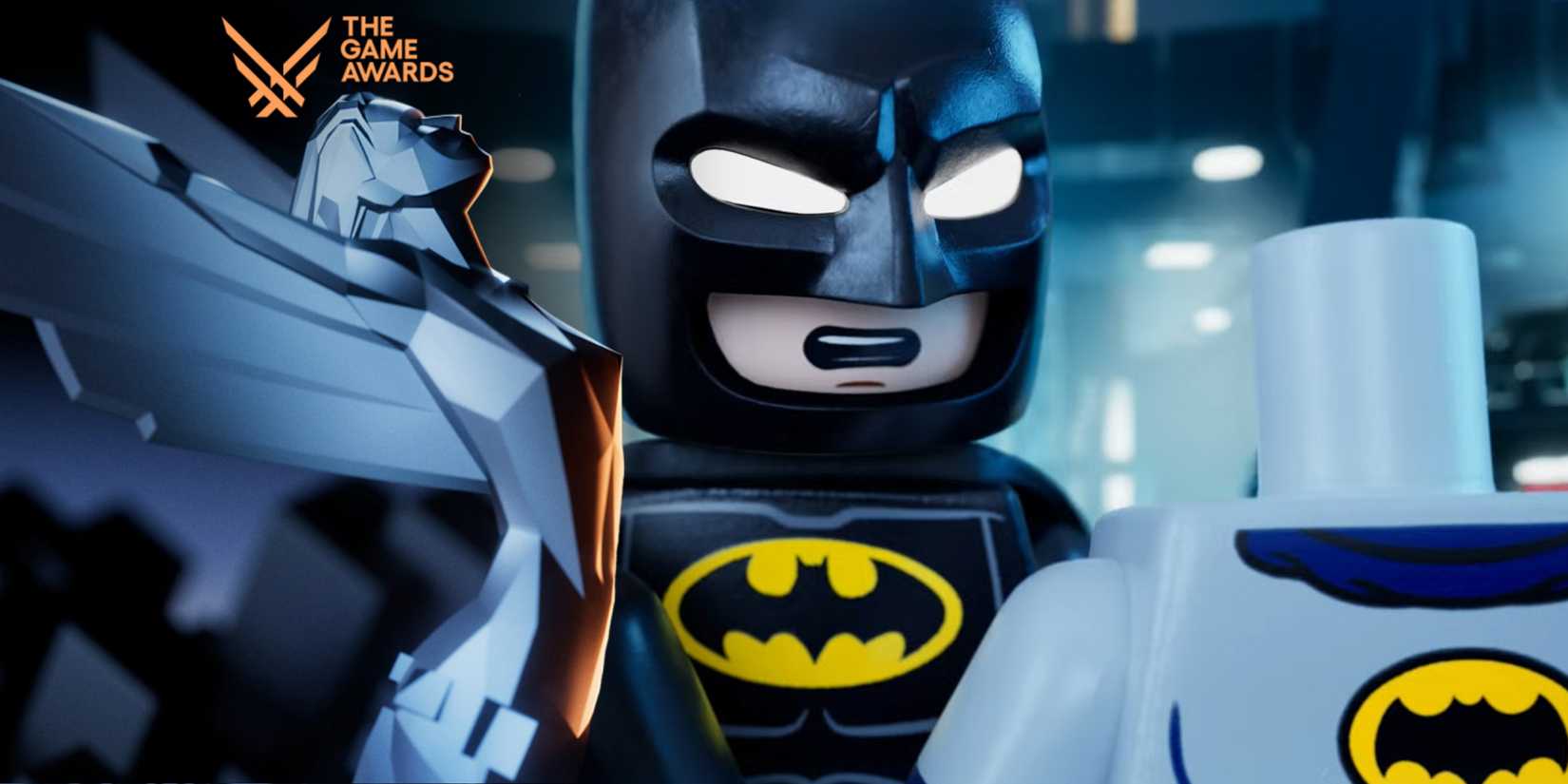
Early previews of the game showcase a significant leap in the "LEGO Engine." The 2026 title utilizes a refined version of the technology seen in LEGO Star Wars: The Skywalker Saga, featuring:
- Ray-traced reflections: Particularly impressive on the rain-slicked streets of a brick-built Gotham.
- Enhanced Physics: The Arkham Batmobile reportedly features weight and destruction physics that differ from the standard LEGO vehicles, providing a more "meaty" gameplay feel.
IV. Official Responses and Community Speculation
While TT Games and Warner Bros. Interactive have been relatively tight-lipped regarding the full scope of the game’s narrative, their marketing strategy has leaned heavily into "playful secrecy."
The "Ultimate Batmobile Collection" Rumor
A significant point of discussion within the LEGO community involves the potential for physical tie-in sets. During recent toy industry interviews, LEGO designers were asked about the "Ultimate Batmobile Collection" branding seen on leaked packaging designs for 2026. The designers remained "playfully secretive," a tactic often used by the company before announcing major cross-promotional waves.
Reddit and Fan Forums
On the r/LegoBatman subreddit, the sentiment is overwhelmingly positive but cautious. One user noted, "I hope they release some sets based on the game like they did with LB1 & LB2. I hope they make that Mr. Freeze an actual minifigure from the trailer." This highlights the unique dual-market of LEGO games: fans don’t just want to play the game; they want to own the physical bricks that represent the digital models.
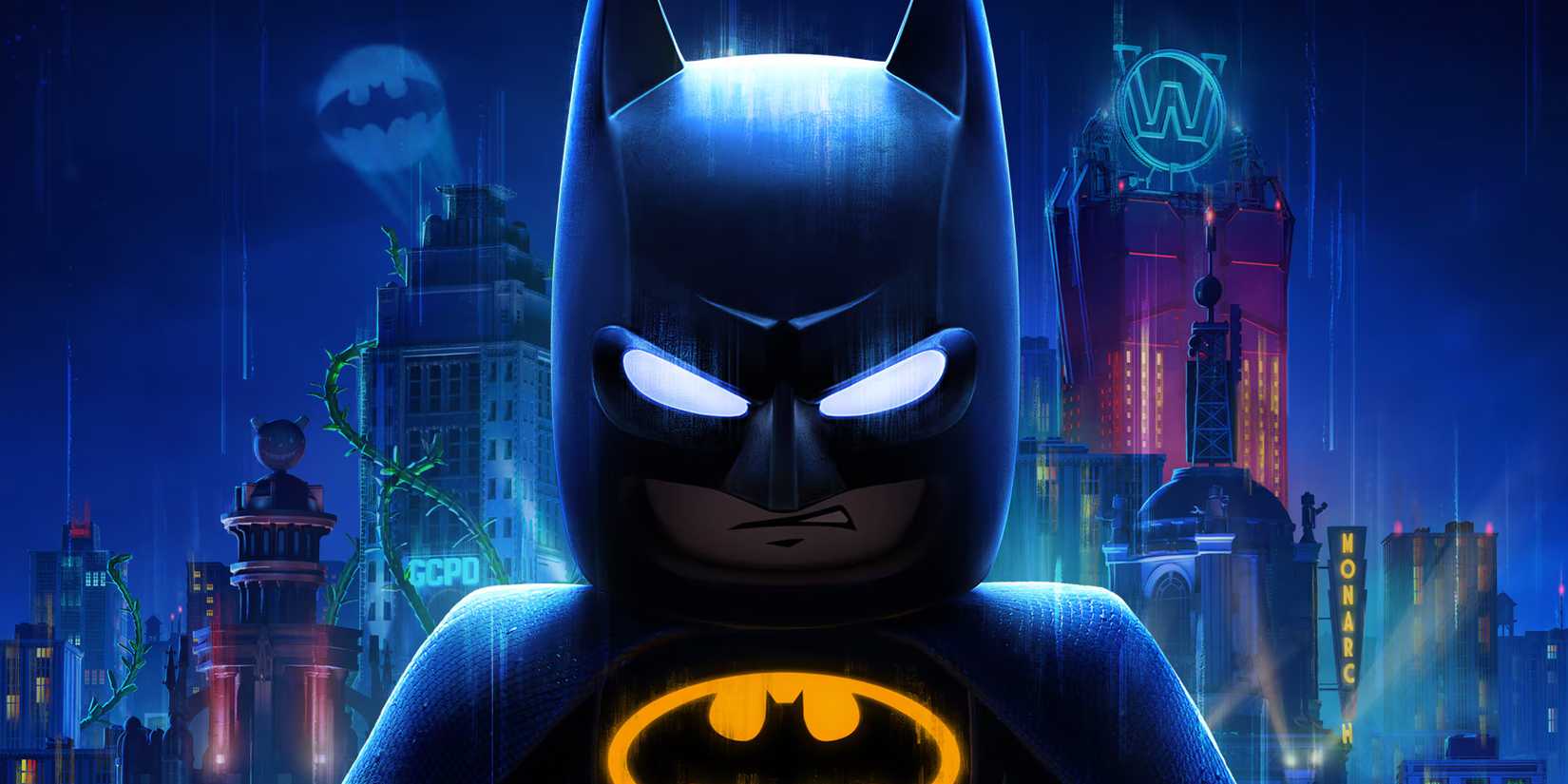
The coherence of the in-game designs—particularly the compact yet detailed version of the Arkham Knight Batmobile—suggests that these models were built with real-world stability in mind. This has led many to believe that a wave of "Legacy of the Dark Knight" LEGO sets is inevitable for the Q3 2026 retail window.
V. Implications: The Future of the DC Gaming Universe
The release of LEGO Batman: Legacy of the Dark Knight carries significant weight for the broader strategy of Warner Bros. Discovery and the DC brand.
A Stabilizing Force
Following the mixed reception of recent live-service experiments in the DC universe, a return to a proven, single-player (or local co-op) formula is seen as a stabilizing move. The "LEGO" brand is a safe harbor; it consistently delivers high sales and positive critical reception. If Legacy of the Dark Knight succeeds, it may encourage Warner Bros. to greenlight more traditional, narrative-focused DC games rather than chasing the "games-as-a-service" trend.
The "Arkham" Rebirth?
The inclusion of Arkham content in this game also keeps the brand alive in the public consciousness. Rumors persist that Rocksteady, or perhaps another internal WB studio, is working on a new AAA Batman project. By featuring the Arkham trilogy so prominently in the 2026 LEGO title, Warner Bros. is ensuring that the visual language of their most successful Batman era remains the "standard" for fans.
Conclusion
As May 22, 2026, approaches, LEGO Batman: Legacy of the Dark Knight stands as a testament to the enduring power of the Batman IP. By blending the creative freedom of LEGO with the dark, gritty legacy of the Arkham games, TT Games is attempting to create the "ultimate" Batman experience—one that appeals to the child building their first Batcave and the veteran gamer who spent thousands of hours gliding through the rooftops of Arkham City. Whether it can live up to these astronomical expectations remains to be seen, but for now, the "Bat-Signal" is shining brighter than it has in years.




Leave a Comment