
The Architecture of Inertia: Joana Mosi’s Physical Education and the Contemporary Crisis of Being
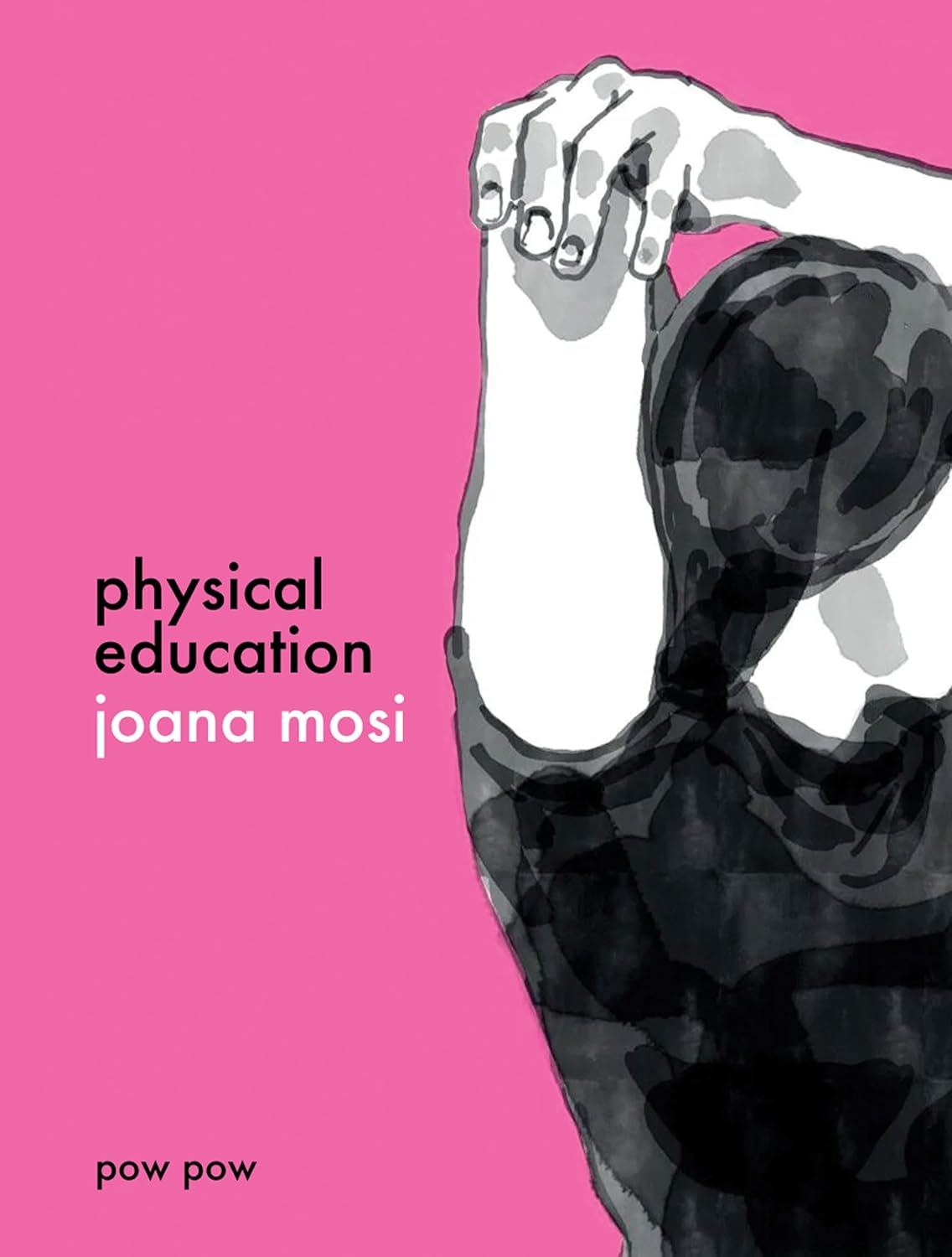
The modern condition is often defined not by action, but by the weight of possibilities that never materialize. In her latest graphic novel, Physical Education, Portuguese creator Joana Mosi captures this specific, 21st-century paralysis with a precision that is both unsettling and deeply resonant. Published in English by the Montreal-based Pow Pow Press, the work marks a significant milestone for Mosi, an artist whose singular postmodern style has finally found a global stage. Through the character of Laura, Mosi explores the intersection of digital saturation, economic precarity, and the profound alienation of a generation living in the shadow of a world that feels increasingly out of reach.
Main Facts: A Narrative of Stagnation and Style
Physical Education is an elliptical, atmospheric exploration of "contemporary angst" centered on Laura, a woman in her early 30s living in Odivelas, a suburb on the outskirts of Lisbon. Despite having received a prestigious grant to write her debut novel, Laura finds herself trapped in a cycle of procrastination and detachment. She lives with her mother, navigates a series of unfulfilling social interactions, and retreats into the numbing glow of her smartphone.
The book’s arrival in the English-speaking market is the result of a serendipitous encounter at the Toronto Comic Arts Festival (TCAF). Mosi, described as the "antithesis" of her protagonist due to her curiosity and "moxy," secured a deal with Pow Pow Press following a spontaneous portfolio review. The publisher was reportedly "blown away" by Mosi’s visual language—a blend of wiry lines, collage-like compositions, and a sophisticated use of digital layering.
The narrative does not follow a traditional three-act structure. Instead, it mirrors the fragmented, often incoherent experience of modern life. It is a story told through silences, mundane physical rituals, and the "digital overload" that characterizes the 2020s.
Chronology: From Lisbon to the International Stage
The journey of Physical Education begins with Joana Mosi’s own background in Lisbon, a city that serves as more than just a backdrop for the story; it is a central antagonist. Mosi worked and studied in Portugal’s capital, witnessing firsthand the transformation of the city from a local hub to a gentrified playground for international tourists.
- The Creative Conception: Mosi developed the story as a reflection of the "precarity" facing young Portuguese adults. The setting of Odivelas was chosen specifically as the "uncool" counterpart to the hipster-heavy center of Lisbon.
- The TCAF Breakthrough: A few years prior to the book’s 2026 English release, Mosi presented her work at TCAF. Her proactive approach led to the partnership with Pow Pow Press, which recognized the universal appeal of her specific Portuguese malaise.
- The Digital Production: The book was created entirely through a digital workflow. In an ironic twist that mirrors the themes of the book, Mosi utilized a complex layering process similar to the one pioneered by Chester Brown in I Never Liked You (1994), allowing her to rearrange panels and elements with surgical precision.
- The International Release (May 2026): The English translation brings Mosi’s work to a broader audience, positioning her alongside contemporary masters of the "slice-of-life" genre like Jillian Tamaki.
Supporting Data: The Socio-Economic Subtext
To understand Laura’s paralysis, one must understand the environment Mosi depicts. Physical Education is grounded in the harsh realities of the European housing crisis and the psychological toll of the "attention economy."
The Gentrification of Lisbon
The book highlights the stark contrast between "Dear Brunch"—a fictionalized version of the trendy, English-named establishments popping up across Lisbon—and the lived reality of its citizens. Lisbon has become one of the most expensive cities in Europe relative to local wages. This "alienating" atmosphere contributes to the low self-esteem and lack of confidence seen in Laura’s cohort. For them, "temporary" living situations with parents become permanent, and childhood dreams are discarded in favor of survival.
Digital Saturation and Mental Health
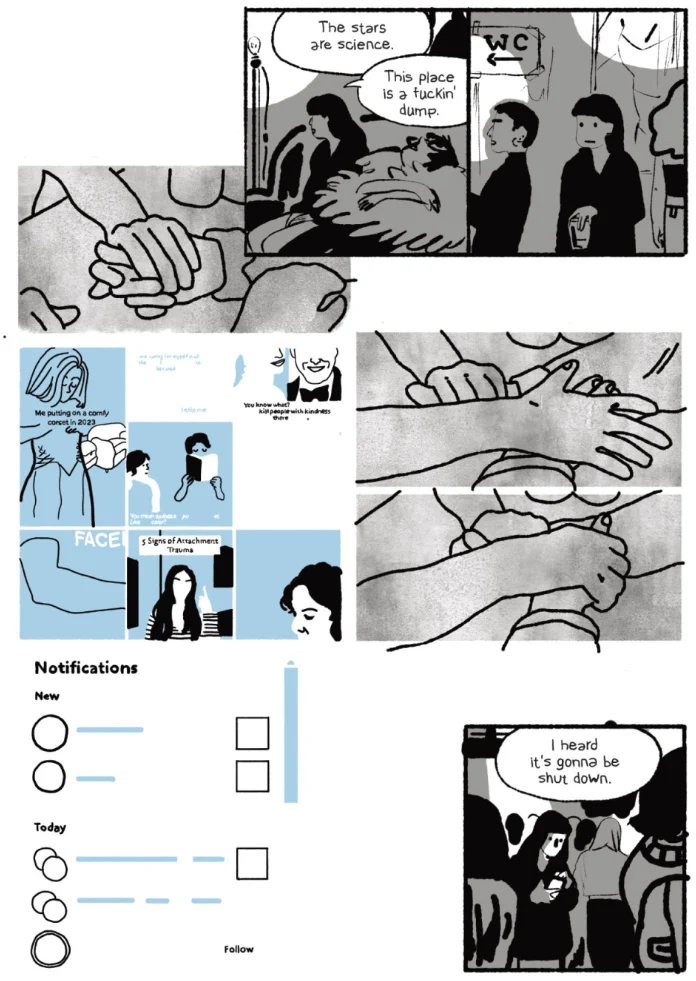
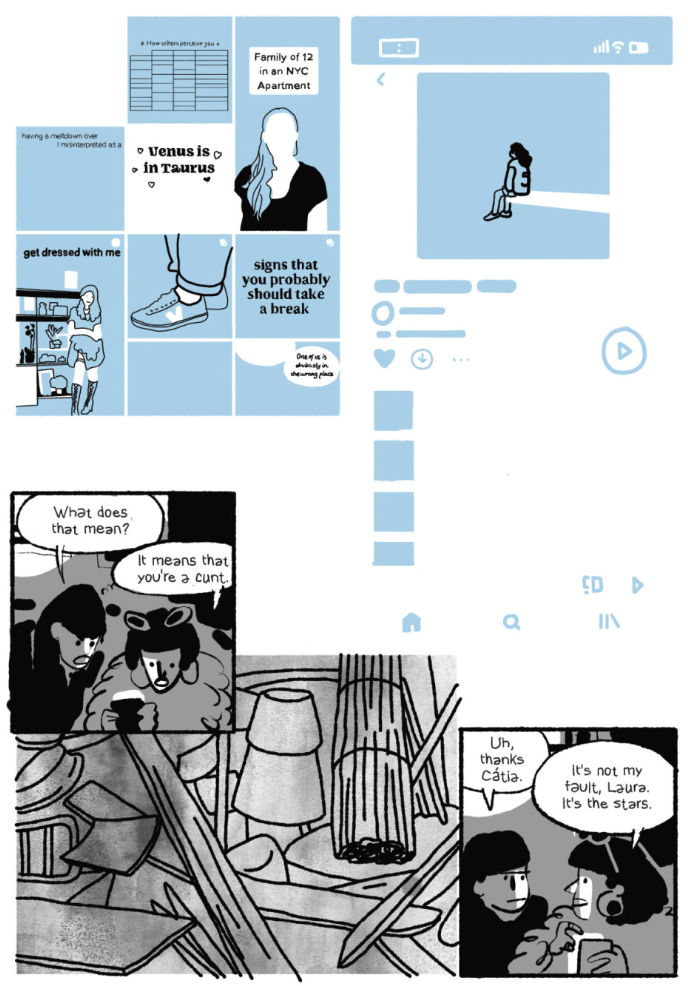
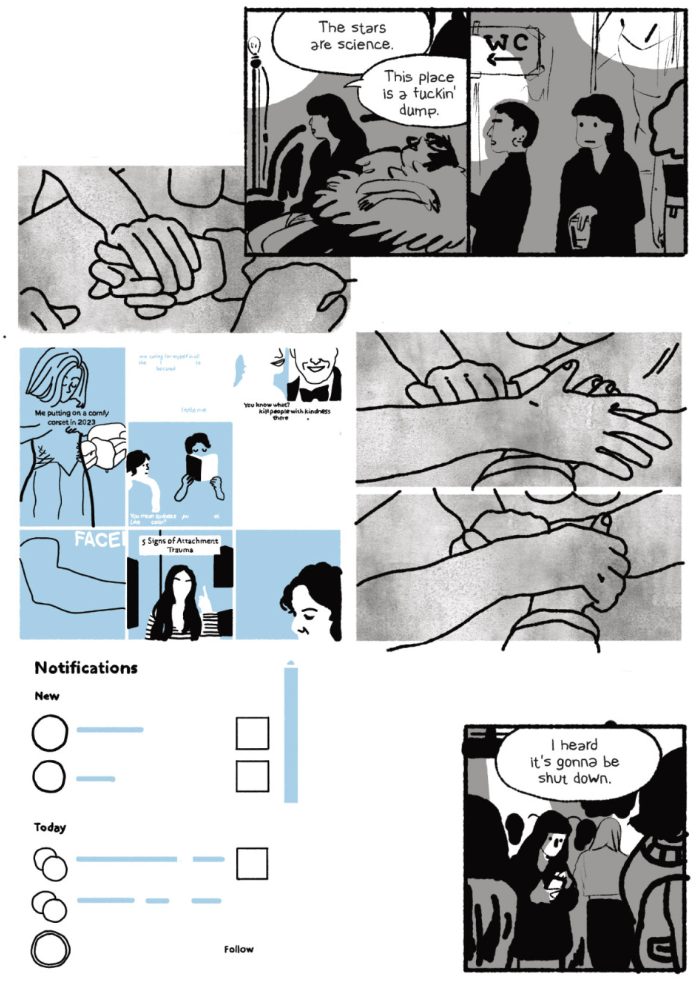
Mosi draws a direct line between Laura’s inability to write her novel and the "digital overload" she consumes. The book depicts a barrage of:
- Social media notifications and "unread" message counts.
- Listicles, celebrity gossip, and horoscopes.
- The paradox of choice: online quizzes that help people choose everything from sweaters to romantic partners, ultimately trivializing the act of decision-making.
Similar to Jillian Tamaki’s Boundless, Mosi treats the digital world as an "overwhelming emotional burden." The pressure to be constantly "connected" results in a profound disconnection from the self.
Official Responses and Authorial Intent: The Regret of the Digital
While critics have praised the book for its "postmodern style" and "dissonant musical phrases," Mosi herself has expressed a complex relationship with the final product. One of the most striking aspects of the book’s production is that it was a 100% digital creation—a fact Mosi now publicly regrets.
The Loss of the Creative Record
In a move to save memory space on her computer, Mosi continuously deleted her sketch files, replacing them with the finished digital illustrations. Consequently, no physical or digital record of the book’s evolution exists. This loss of "creative memory" mirrors the themes of the book: the ephemeral nature of digital existence and the way the present consumes the past. Mosi has stated she even has trouble remembering the evolution of the artwork, leading her to commit to creating her next graphic novel entirely by hand on paper.
The Visual Language of Connection
Mosi’s use of detail is an intentional narrative device. The "wiry lines" and "broad strokes" used to depict characters vary based on Laura’s emotional proximity to them:
- Intimate Characters: Features are recognizable and detailed.
- Alienated Figures: Characters are rendered as mere silhouettes or faceless voices. In one scene, a gym employee examining Laura’s injured ankle is depicted as a faceless entity, emphasizing Laura’s detachment even during moments of physical intimacy or care.
Implications: The Gym as a Metaphor for Life
The title Physical Education refers to the recurring scenes where Laura and her friends meet at a downtown gym. This setting serves as a powerful metaphor for the modern struggle. The gym is a "brief respite from digital culture," yet Laura remains as detached from her body as she is from her career.
The Struggle for Presence
Laura’s dislike of physical education in school carries over into her adult life. She attends the gym not out of a desire for health, but out of a passive habit of "following her old friend group." However, Mosi provides glimpses of hope through Laura’s occasional "hyper-awareness of physical experiences."
- The Cigarette: A two-page spread dedicated to the rolling of a cigarette.
- The Wine: The opening of a bottle depicted in excruciating detail over multiple panels.
These moments suggest that the only way out of the digital fog is a return to the tactile, the physical, and the slow.
A Call for Attentive Reading
The book’s structure—fragmented pages, stream-of-consciousness images, and a lack of a consistent grid—demands a different kind of engagement from the reader. Mosi and her critics suggest that Physical Education "should be read at least twice." It is a work that values silence and interruption over plot points.
Conclusion: A Mirror for a Precarious Generation
Joana Mosi’s Physical Education is more than a story about a woman who can’t start her book; it is a diagnostic tool for a generation paralyzed by choice and economic precarity. By blending the specific geography of a changing Lisbon with the universal experience of digital burnout, Mosi has created a work that is both a warning and a reflection. As she moves back to pen and paper for her next project, Physical Education remains as a digital monument to the very things it critiques: the beauty, the mess, and the terrifying silence of modern life.



Leave a Comment