Gula: The Ancient Mesopotamian Goddess Whose Healing Touch Still Resonates Today
Baghdad, Iraq – In the annals of ancient Mesopotamia, where a pantheon of deities governed every aspect of human existence, one goddess stood out as a beacon of solace and recovery: Gula. Known also by her older names Ninkarrak, Bau, and Ninisina, Gula was the preeminent Sumerian goddess of healing, the revered patroness of doctors, medical arts, and all forms of therapeutic practice. Her influence, stretching from the dawn of the Ur III period (circa 2112 to 2004 BCE) across the vast expanse of ancient Sumer, Akkad, and beyond, cemented her status as one of the most popular and enduring divinities of her era.
Main Facts: The Great Healer Unveiled
Gula, whose very name means "Great" and is widely interpreted as "great in healing," embodied the hopes and fears of a civilization grappling with illness and mortality. Her alternate appellation, Ninkarrak, translated as "Lady of Kar" or "Lady of the Wall," hints at her protective aspects, a divine barrier against maladies. To the Sumerians, she was intimately known as the "great physician of the black-headed ones," a direct reference to their own people. Across countless Mesopotamian medical texts and incantations, she was revered with epithets such as belet balati ("Lady of Health") and Azugallatu ("Great Healer"), underscoring her unparalleled authority in the realm of well-being.
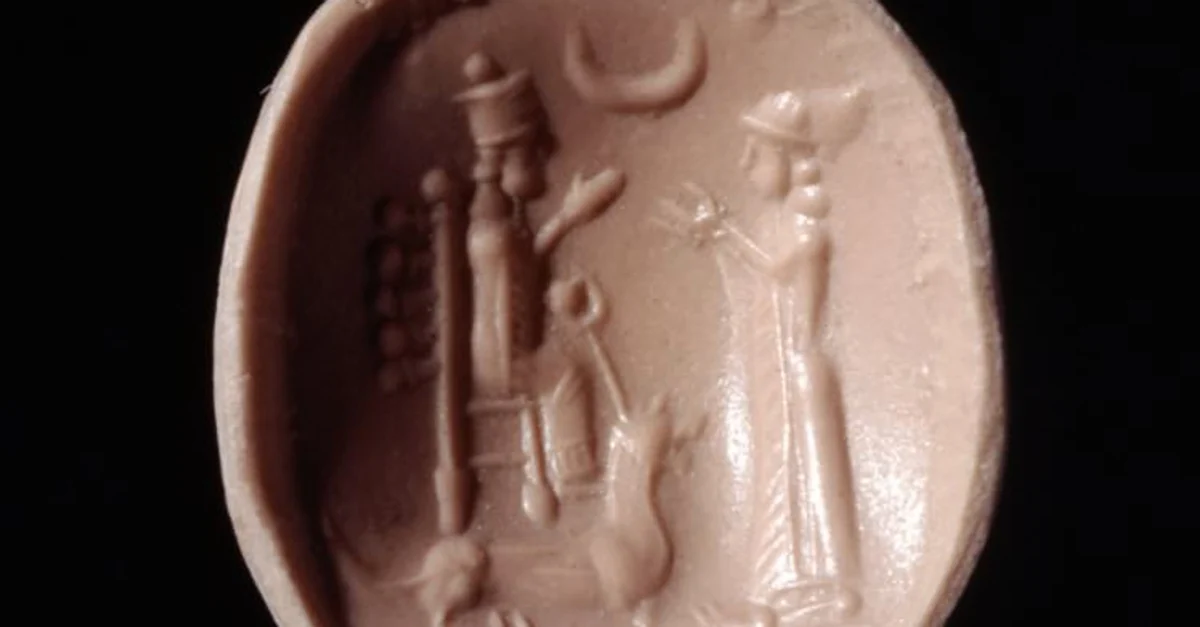
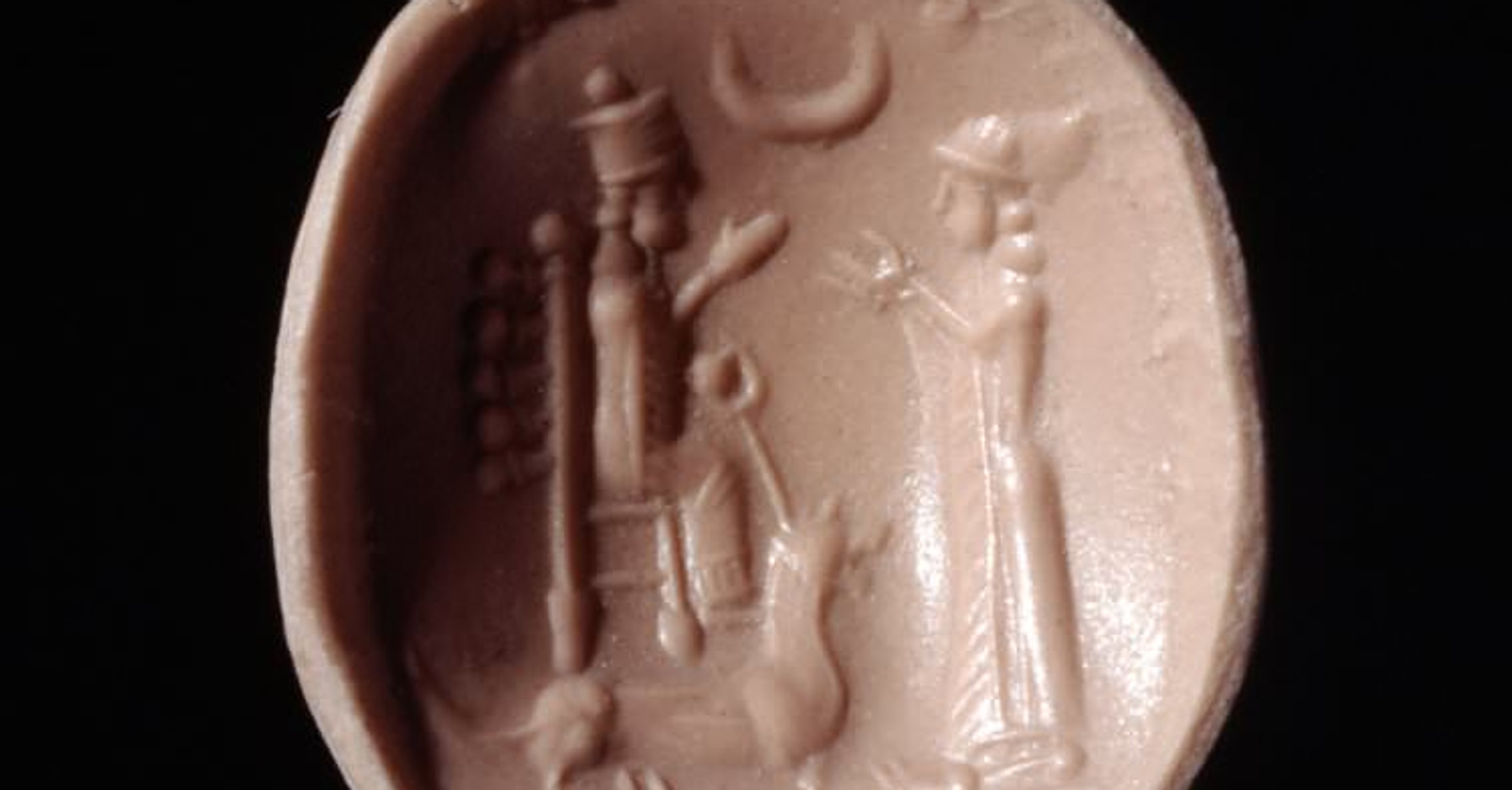
Her primary cult center flourished in the city of Isin, a hub from which her worship radiated, eventually permeating the entirety of Mesopotamia. Iconographically, Gula is consistently depicted alongside her sacred companion, the dog, often seated and encircled by stars—a visual testament to her celestial power and earthly connection. Beyond her role in healing, she was also associated with the profound concepts of the underworld and transformation, hinting at a broader influence over life, death, and regeneration. Her legacy is not merely historical; it contains echoes that surprisingly resonate into modern medical symbolism.
Chronology: The Evolution of a Divine Healer
Gula’s story is one of fascinating divine evolution, a testament to the dynamic nature of ancient religious beliefs.
Early Origins: Bau and the Canine Connection
Her earliest form emerged as the Sumerian deity Bau (or Baba), initially revered as a goddess of dogs. This seemingly humble origin held the key to her future prominence in healing. Ancient observers noted a curious phenomenon: when dogs licked their wounds, they often appeared to heal more rapidly. This observation led to a profound cultural association between canines and restorative powers. Consequently, Bau, the goddess of these observant creatures, gradually transformed, assimilating healing attributes and evolving into a dedicated healing deity.
From Lagash to Isin: Ninisina’s Rise
As her worship expanded from its initial stronghold in the city of Lagash, it found a new, powerful home in Isin. With this geographical shift came a new name: Ninisina, meaning "Lady of Isin." This period marked a significant consolidation of her identity as a patron of health. She acquired further names, such as Nintinugga and Nimdindug, explicitly linked to her burgeoning healing talents, while others simply elevated her as the patroness of a specific city, reflecting her growing influence.
Scholar Jeremy Black highlights this process of divine assimilation, noting that many of Gula’s names were "originally the names of other goddesses [such as Meme]" whom she gradually absorbed into her own multifaceted identity (101). This syncretic tendency allowed her to grow in power and scope, incorporating diverse regional traditions and attributes.
The Great Healer: Gula’s Dominance
Her most widely recognized name, Gula, became prominent during the latter part of the Old Babylonian period (circa 1894-1595 BCE). This era solidified her status as the "great healer," a title that would define her identity for millennia. Her worship continued to spread, reaching as far north as Nippur, where she was venerated as Ninnibru, "Queen of Nippur," and notably associated with the hero-god Ninurta. This widespread adoption across diverse city-states underscores her universal appeal and the critical importance of health in ancient Mesopotamian society.
Enduring Veneration and Eventual Decline
The veneration of Gula proved remarkably resilient. Even as female deities experienced a decline in prestige following the reign of Hammurabi (1792-1750 BCE), a period that saw male gods increasingly dominate the theological landscape, Gula’s worship remained steadfast. Her transformative powers also linked her to agriculture, earning her the epithet "Herb Grower," and prayers for bountiful harvests joined those for childbirth and good health.
Her cult thrived well into the Christian period, maintaining a popularity in the Near East comparable to that of better-known deities like Anahita or Isis. However, the inexorable rise and entrenchment of Christianity ultimately led to her decline. By the close of the first millennium CE, the once-ubiquitous "Great Healer" had, tragically, faded from collective memory, her profound impact on ancient society largely forgotten until modern archaeological and historical rediscovery.
Supporting Data: The Fabric of Mesopotamian Healing
Understanding Gula’s significance requires delving into the intricate web of Mesopotamian cosmology, medical practices, and societal beliefs.
Divine Lineage and Symbolic Marriages
Gula’s mythological origins place her as a daughter of the supreme god Anu, created alongside his other children at the dawn of time. Her consorts varied, often cited as Ninurta, the healer god; Pabilsag, the divine judge; or Abu, the agricultural god. Scholar Stephen Bertman offers a compelling interpretation for these diverse marital associations: "Because at least two of these divinities were connected with agriculture, her marriage to them may symbolically reflect the medicinal use of plants" (119). This insight underscores the practical, holistic approach to healing that permeated Mesopotamian thought, recognizing the earth’s bounty as a source of remedies.
A Pantheon of Healers: Gula’s Offspring
Gula’s divine family further solidified her central role in healing. Her sons, Damu and Ninazu, and her daughter Gunurra, were all esteemed healing deities in their own right, reflecting a familial dedication to well-being.
-
Damu: The Intermediary Healer: Damu, a Sumerian god of healing, masterfully blended magical and empirical approaches to disease. He was closely associated with the dying and reviving god figure Tammuz (also known as Dumuzi), central to the myths involving Inanna and the cycles of rebirth. This connection imbued Damu with associations of transformation and transition, making him a potent figure for those facing illness. Frequently invoked alongside Gula in incantations, particularly concerning children’s illnesses and childbirth, Damu was often seen as the crucial intermediary through whom Gula’s formidable healing power reached human doctors.
-
Ninazu: Serpent, Underworld, and the Caduceus: Ninazu, another of Gula’s sons, carried potent symbolism. He was intrinsically linked with serpents—universal symbols of transformation and regeneration due to their shedding of skin. His association with the underworld further emphasized themes of transition and renewal, mirroring the transformative process of healing. Most remarkably, Ninazu carried a staff entwined with serpents. This iconic image was later adopted by the Egyptians for Heka, their god of magic and medicine, and subsequently by the Greeks as the caduceus. This very symbol, a staff carried by Hermes Trismegistus (their god of magic, healing, and writing, often associated with the Egyptian Thoth), is today globally recognized in doctors’ offices and medical practices as the emblem of Hippocrates, the revered father of medicine. The direct lineage from Ninazu’s staff to the modern caduceus represents an astonishing continuity of ancient symbolism in contemporary practice.
Mesopotamian Medical Practice: The Asu and Asipu
Ancient Mesopotamia boasted a sophisticated, albeit distinct, approach to medicine, characterized by two primary types of practitioners: the asu and the asipu.
-
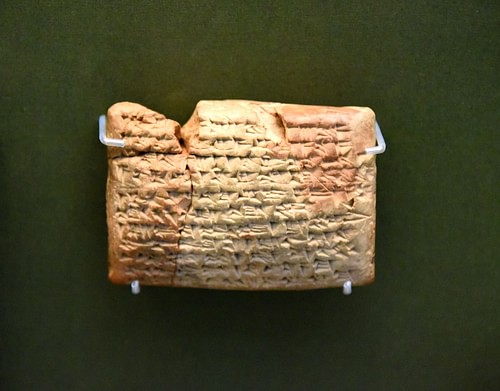
Two Paths to Wellness: The asu was a medical doctor who engaged with illness through what modern observers might term a ‘scientific’ lens, focusing on observable symptoms and herbal remedies. In contrast, the asipu was a healer who relied predominantly on what we would call ‘magic’—incantations, divination, and appeals to divine or demonic forces. The medical landscape also included surgeons and veterinarians, who could emerge from either background, alongside specialists like dentists. While midwives (sabsutu) were responsible for the actual delivery of children, doctors were compensated for their services during births, with higher fees for male infants, suggesting their involvement in prayers, warding off malevolent entities like Lamashtu (a demon notorious for harming infants), or administering pain-relieving herbs.
-
Holistic Approach to Illness: Crucially, the Mesopotamians regarded both the asu and asipu with equal respect. Scholar Robert D. Biggs emphasizes this parity: "There is no hint in the ancient texts that one approach was more legitimate than the other. In fact, the two types of healers seem to have had equal legitimacy, to judge from such phrases as, ‘if neither medicine nor magic brings about a cure,’ which occur a number of times in the medical texts" (1). This perspective highlights a holistic understanding of health where physical and spiritual well-being were inextricably linked. Both types of healers accepted a supernatural origin for illness, underscoring that the asu was not necessarily more ‘modern’ or ‘scientific’ in our contemporary sense, but rather approached the same underlying problem from a different methodological angle.
-
Cult Centers and Training: These doctors typically operated from temples, treating patients on-site, but more frequently made house calls. The city of Isin, as Gula’s primary cult center, is widely believed to have functioned as a prestigious training ground for physicians, who were then dispatched to temples across various cities as demand dictated. While evidence of private practice per se is scarce, kings and the affluent certainly maintained personal physicians, always associated with a temple complex, reinforcing the divine connection to healing.
-
Gender and Prowess: Significantly, both women and men could become doctors in Mesopotamia. While scholar Jean Bottero notes that "Women scribes or copyists, exorcists or experts in deductive divination [the asipu and asu] could be counted on the fingers of one hand" (117), Sumeria notably had a higher number of female physicians than other regions. This prevalence was no mere coincidence, aligning with the Sumerians’ generally high regard for women, which likely informed their initial envisioning of a powerful female deity of healing like Gula.
The Divine and Demonic Roots of Sickness
The Mesopotamian understanding of illness was deeply embedded in their religious worldview. Sickness was primarily perceived as originating from the gods—either as a direct punishment for transgressions or as a divine wake-up call to steer an individual back onto the righteous path. The gods, as creators and caretakers of humanity, provided for happiness but also enforced moral order.
-
Punishment, Warning, or Malevolence: Beyond divine chastisement, illness could stem from other supernatural sources: malevolent demons, evil spirits, or the angry dead. It was conceivable for an innocent person to fall ill without personal fault, and even with correct incantations and medicines, death was an accepted outcome. The intricate theological landscape meant that even if one god intended a patient’s recovery, another might be offended and refuse placation. Further complicating matters, the cause might not be the gods at all, but a ghost—allowed by the gods to inflict trouble to rectify a wrong—or simply an unaligned evil spirit.
-
Amulets and Protection: Pregnant women and those in labor resorted to special amulets, not only to shield their unborn children from the notorious demon Lamashtu but also to invoke the protection of other entities, such as Pazuzu. In ancient Mesopotamia, the term "demon" did not exclusively carry the negative connotations it does today; some could be benevolent spirits. Pazuzu, though fearsome, was invoked precisely because his malevolence was so potent it could scare away other, lesser dark entities.
-
Ghosts and Unnatural Deaths: Ghosts were a recognized and potent threat to safety and security. Biggs explains: "The dead – especially dead relatives – might also trouble the living, particularly if family obligations to supply offerings to the dead were neglected. Especially likely to return to trouble the living were ghosts of persons who died unnatural deaths or who were not properly buried – for example, death by drowning or death on a battlefield" (4). These restless spirits could inflict various ailments, adding another layer of complexity to diagnosis and treatment.
-
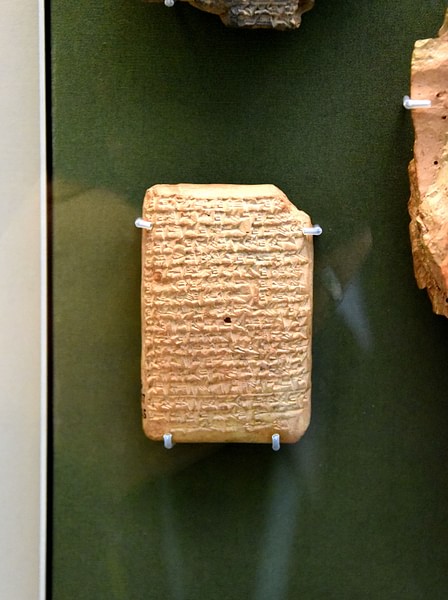
Divine Providence of Healing: Despite these multifaceted supernatural origins of illness, medical texts from libraries like Ashurbanipal’s reveal an impressive body of medical knowledge. This knowledge, encompassing herbal remedies, surgical procedures, and diagnostic observations, was not seen as separate from the divine. Instead, it was considered a sacred gift from Gula herself, a means provided by the gods to combat the very afflictions they or other entities had sent. Gula was frequently invoked for conception, especially when supernatural interference was suspected, appearing in numerous fertility inscriptions. Her healing powers were generally believed to restore health, though her temperament was known to be fierce.
Iconography and Cultic Practices
Gula’s cult was characterized by distinctive practices and iconography.
-
The Sacred Canine: The dog was Gula’s sacred animal, an ever-present feature in her depictions. At her temples, dogs roamed freely, well-cared for as her divine companions. Bertman notes, "Her sacred animal was the dog and ceramic models of dogs were dedicated to her at her sanctuaries by those who had been blessed by her tender mercies" (119). The famous Nimrud Dogs, ceramic statuettes discovered in the 1950s, are prime examples of these amuletic figures dedicated to Gula.
-
Temple Worship: Worship at Gula’s temples, shrines, and sanctuaries generally followed the Mesopotamian model. Priests and priestesses maintained her statue and inner sanctum, while devotees gathered in outer courtyards to offer respects, seek counsel, and leave gifts of supplication or thanks. Formal congregational services, as understood today, did not exist. A unique aspect of Gula’s rites, however, involved the presence of dogs in healing rituals, though the precise nature of their participation remains unclear. Archaeological findings, such as over 30 dogs buried beneath the ramp leading to Gula’s temple at Isin, suggest they may have been honored temple animals or even involved in ritual sacrifice.
-
Amuletic Figures and Protection: Beyond the temple, ceramic figures like the Nimrud Dogs, often inscribed with Gula’s name, were buried at doorways and thresholds of homes. These figurines, found at sites including Nineveh, served as powerful charms, believed to protect the dwelling and its inhabitants from harm and evil, extending Gula’s protective aura into the domestic sphere.
Official Responses: Royal Patronage and Scholarly Interpretation
Gula’s influence extended beyond the individual healer-patient relationship into the very fabric of Mesopotamian society and governance, and continues to be analyzed by modern scholarship.
Royal Endorsement and Protective Inscriptions
The goddess Gula was not only revered for healing but also frequently invoked in curses, demonstrating her formidable power as a punisher. Her capacity to unleash natural disasters earned her epithets such as "Queen of the Tempest" and "She Who Makes Heaven Tremble." This dual nature—benevolent healer and wrathful avenger—was formally recognized at the highest levels of society. A tablet from the reign of Nebuchadnezzar I (circa 1121-1100 BCE) offers a compelling example. It invokes Gula as a protectress for a royal memorial, incorporating a customary curse against anyone who would deface or remove it. The inscription reads: "May Ninurta, the king of heaven and earth, and Gula, the bride of E-Sharra, destroy his landmark and blot out his seed" (Wallis Budge, 126). Such royal endorsements highlight her integration into the state’s protective mechanisms and the profound respect—and fear—she commanded.
Theological Integration
Gula’s epithets and mythological roles underscore her deep theological integration. Her title "Healer of the Land" reflects her pervasive influence over communal well-being. "She Who Makes the Broken Whole Again" and "The Lady Who Restores Life" speak to her profound regenerative capabilities. Most significantly, Gula is credited with breathing life into the new creatures fashioned by the gods after the Great Flood, animating them. This act positioned her as a kind of mother goddess, akin to Ninhursag, who was responsible for creating human bodies. This profound cosmological role demonstrates how ancient Mesopotamian "official responses" to Gula extended beyond mere cultic worship to a fundamental understanding of her place in the creation and sustenance of life itself.

Modern Scholarly Engagement
Contemporary scholarship has "officially responded" to Gula through meticulous archaeological excavation and textual analysis. Historians and Assyriologists have painstakingly pieced together her evolving identity, the nuances of her cult, and her lasting impact. The careful distinction between the asu and asipu, the tracing of the caduceus symbol, and the nuanced understanding of illness causation are all products of modern academic inquiry. These scholarly "responses" illuminate not only Gula’s historical significance but also provide critical insights into the broader intellectual and spiritual landscape of ancient Mesopotamia, revealing a sophisticated society grappling with universal human concerns through a unique cultural lens.
Implications: Legacy and Enduring Relevance
Gula’s story carries profound implications for understanding not only ancient Mesopotamia but also the enduring currents of human culture and the practice of medicine.
The Caduceus: A Direct Line to Antiquity
Perhaps the most tangible and surprising implication of Gula’s legacy is the direct historical line connecting her son Ninazu’s serpent-entwined staff to the modern caduceus, the globally recognized symbol of medicine. This continuity, spanning millennia and cultures, underscores the deep-seated human need for symbols of healing and the remarkable resilience of certain archetypal images. It serves as a powerful reminder that contemporary medical practice, despite its scientific advancements, carries within its iconography the echoes of ancient Mesopotamian divine patronage.
Holistic Medicine’s Ancient Roots
The equal respect afforded to the asu (empirical healer) and the asipu (magical healer) in Mesopotamia implies a holistic understanding of health that transcended a rigid mind-body dichotomy. Illness was not merely a physical malfunction but often a spiritual or divine affliction requiring both practical remedies and ritual intervention. This ancient perspective challenges modern tendencies to compartmentalize health and offers a historical precedent for integrating diverse approaches to well-being—a concept increasingly explored in contemporary discussions of holistic and integrative medicine.
Gender and Divine Authority
Gula’s prominence as a powerful, benevolent, and at times fearsome female deity of healing, particularly in Sumeria, provides a crucial counter-narrative to simplistic views of ancient gender roles. Her existence, coupled with the presence of female physicians, suggests a society where women could wield significant spiritual and practical authority, especially in vital spheres like health. This challenges assumptions about patriarchal dominance in antiquity and highlights the nuanced roles women held in religious and professional life.
Cultural Assimilation and Evolution
Gula’s transformation from Bau, her absorption of other goddesses, and her adaptability across different city-states and historical periods vividly illustrate the dynamic and syncretic nature of ancient religious beliefs. Deities were not static entities but evolved with the societies that worshipped them, integrating new attributes and meanings. This process of cultural assimilation is a fundamental aspect of religious studies, and Gula’s trajectory offers a compelling case study.
The Fragility of Memory
Her eventual oblivion, despite millennia of immense popularity and profound influence, is a stark implication of cultural shifts. The rise of new belief systems, particularly monotheistic religions like Christianity, can gradually erase even deeply entrenched deities from collective consciousness. Gula’s forgotten status serves as a poignant reminder of how fragile historical memory can be and how easily the rich tapestry of ancient spiritual life can unravel, only to be rediscovered through painstaking modern scholarship.
Insight into Mesopotamian Worldview
Ultimately, Gula’s dual nature as both benevolent healer and fearsome punisher provides a nuanced and profound insight into the Mesopotamian worldview. Their gods were not simply benign providers but complex, multifaceted forces capable of both creation and destruction, healing and affliction. This complex theological understanding underscored the human condition in ancient Mesopotamia: a delicate balance between divine favor and wrath, where health was a blessing, and illness a divine communication. Gula, the Great Healer, stood at the heart of this intricate relationship, a powerful and enduring symbol of hope and protection in a world perpetually seeking equilibrium.