7UP Reimagines Its Iconic Identity: A Bold Shift to "Lime Lemon" and a Revitalized Brand Narrative
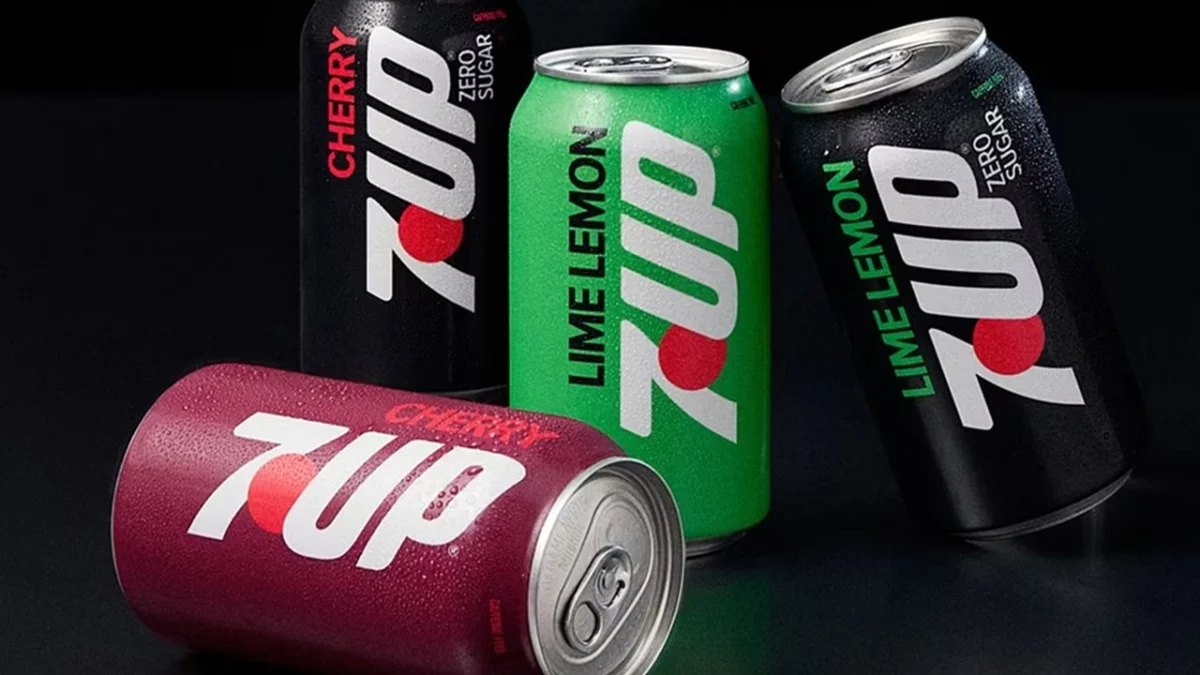
In a surprising move that challenges decades of established branding and consumer perception, 7UP has undergone a significant rebrand, marking its second major overhaul in just three years. This latest iteration isn’t merely a cosmetic facelift; it represents a fundamental shift in the beverage’s flavor profile and a strategic pivot to capture the palates of younger generations, primarily Gen Alpha and Gen Z. The iconic "lemon and lime" descriptor has been boldly replaced with "lime lemon," a change that underscores a pronounced emphasis on lime and aims to position the beloved soda as a modern disruptor in the competitive carbonated soft drink market.
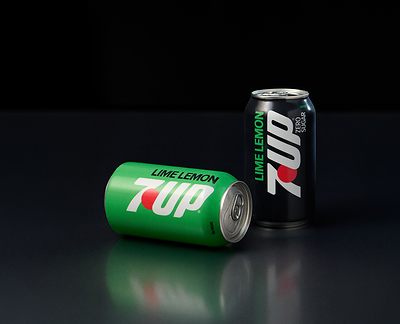
This strategic repositioning, spearheaded by Keurig Dr Pepper, seeks to leverage 7UP’s heritage as the "Original Uncola" by embracing innovation and differentiation. The company asserts that this evolution is not only a response to evolving consumer preferences but also a deliberate effort to carve out a more distinct niche in a saturated category. The new visual identity, described as "striking" and incorporating a "soft, retro wordmark," complements the altered flavor profile, aiming to resonate with a new wave of consumers who, according to internal research, gravitate towards citrus-forward tastes.
A Strategic Evolution: From Lemon-Lime Dominance to Lime-Forward Focus
The rebranding effort is rooted in a clear market analysis, with Keurig Dr Pepper highlighting that "72% of Gen Alpha and Gen Z consumers gravitate toward citrus-forward flavours." This statistic serves as the primary impetus behind the decision to evolve 7UP’s taste to a "brighter, lime-first profile." The shift from "lemon and lime" to "lime lemon" is more than a semantic alteration; it signifies a fundamental rebalancing of the flavor equation, placing lime at the forefront. This move is intended to imbue the brand with a sharper, more contemporary appeal, moving away from what might be perceived as a more traditional citrus blend.
Drew Panayiotou, Chief Marketing and Innovation Officer at Keurig Dr Pepper, articulated the vision behind this bold reinvention: "This is a bold reinvention of one of America’s most iconic soda brands for a new generation of consumers – starting with the flavor itself. 7UP has an incredible legacy, but by giving lime the spotlight, we’re rewriting the rules of the lemon lime category. We are transforming a beloved heritage brand into a modern disruptor – delivering a sharper visual identity, a more refreshing taste experience, and a distinct position that attracts new users and deepens brand loyalty." This statement underscores a commitment to not just refresh the brand but to fundamentally reorient it within the market, aiming to disrupt established norms and capture a younger demographic.
The company’s announcement emphasizes that this is the "category’s first lime-led formula designed to strengthen the brand’s distinctiveness and appeal with a new generation of drinkers." By positioning itself as a "lime-forward" option, 7UP aims to stand out in a segment often characterized by similar flavor profiles. This differentiation strategy is crucial for cutting through the noise and capturing the attention of consumers who are increasingly seeking novelty and unique taste experiences. The "Original Uncola" moniker, historically used to differentiate 7UP from cola giants, is being recontextualized to signify a spirit of innovation and a willingness to challenge conventions.
A Timeline of Transformation: Navigating Brand Identity Shifts
7UP’s journey towards this latest rebrand is marked by a series of strategic adjustments, indicating a continuous effort to adapt to market dynamics and consumer trends. The current rebrand follows closely on the heels of another significant identity overhaul, which occurred just three years prior. This rapid succession of major rebranding initiatives suggests an accelerated pace of strategic evolution for the iconic beverage.
While the specifics of the 2023 rebrand are not detailed in the provided text, the fact that a new look and feel were introduced so recently highlights a proactive approach by Keurig Dr Pepper. Brands in the fast-moving consumer goods (FMCG) sector, particularly in the beverage industry, often undergo periodic refreshes to maintain relevance and appeal. However, a complete flavor profile alteration, coupled with a new visual identity, within such a short timeframe is a notable strategic maneuver.
The historical context of 7UP is deeply intertwined with its "lemon and lime" identity. The brand has long been associated with this classic citrus combination, which has enjoyed widespread popularity and recognition for decades. The decision to pivot to "lime lemon" represents a significant departure from this established perception. This kind of fundamental shift often requires extensive market testing and careful communication to manage consumer expectations and prevent alienation of the existing loyal customer base.
The introduction of the "lime lemon" designation is particularly intriguing. The phrase "lemon and lime" has become an almost immutable binomial, a conventional pairing that flows naturally in the English language, much like "chalk and cheese" or "knife and fork." The inversion to "lime lemon" may indeed sound "vaguely heretical" to some, evoking a sense of unfamiliarity akin to reversing common pairings like "pepper and salt" or "bolts and nuts." This deliberate challenge to linguistic convention mirrors the brand’s ambition to be a disruptor.
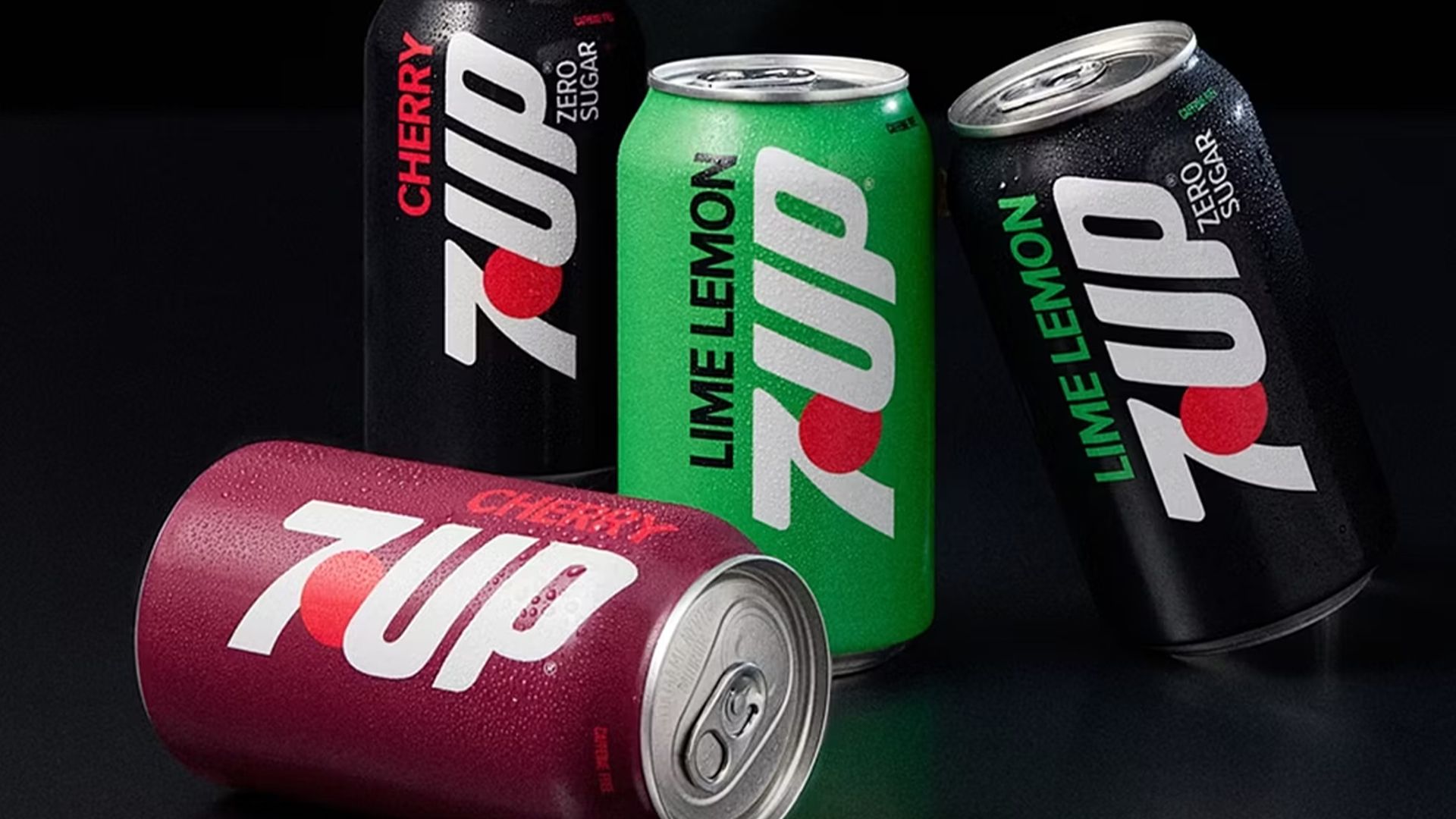
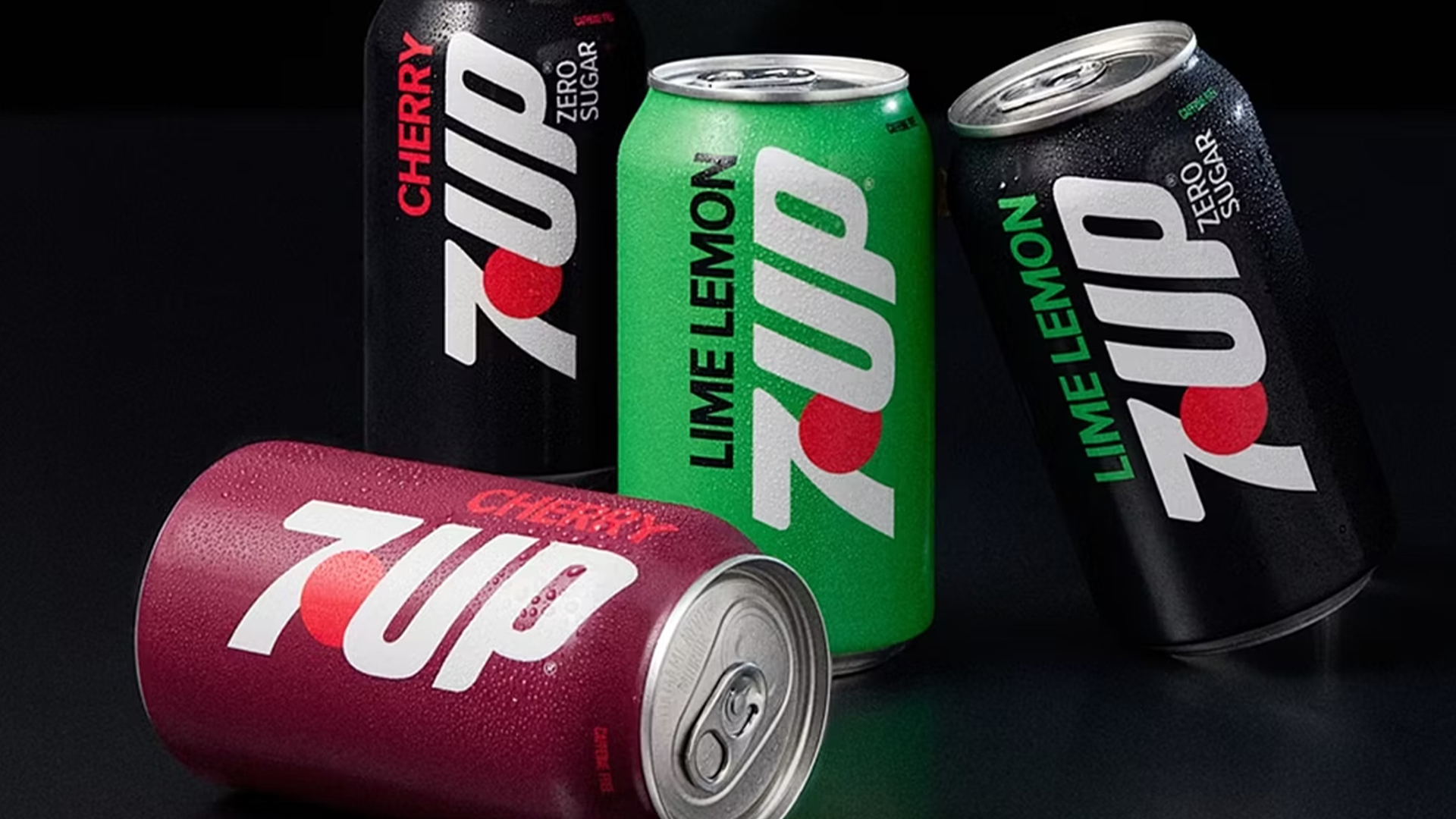
The inclusion of imagery showcasing the new 7UP cans provides a visual representation of this evolution. The "clean and striking" branding, with its "soft, retro wordmark," suggests a design philosophy that balances modernity with a nod to the brand’s heritage. This approach aims to appeal to both new consumers drawn to contemporary aesthetics and existing fans who appreciate the brand’s history. The careful curation of visual elements is integral to reinforcing the new brand narrative and ensuring that the product stands out on shelves.
Supporting Data: The Generational Imperative for Citrus
The strategic rationale behind 7UP’s latest rebrand is heavily anchored in data concerning the preferences of younger demographics. Keurig Dr Pepper’s assertion that "72% of Gen Alpha and Gen Z consumers gravitate toward citrus-forward flavours" is a critical piece of evidence supporting the shift towards a lime-forward profile. This statistic suggests a significant divergence in taste preferences between older and younger generations, a trend that beverage companies are increasingly observing and responding to.
Gen Alpha, born roughly between 2010 and 2024, and Gen Z, born between 1997 and 2012, represent the future consumer base for many brands. Understanding their preferences is paramount for long-term market success. The data indicates that this demographic is actively seeking out flavors that are perceived as bright, zesty, and invigorating, with citrus, particularly lime, fitting this description perfectly.
The "lime lemon" formulation is thus a direct response to this identified consumer trend. By amplifying the lime component, 7UP aims to create a taste experience that is perceived as more vibrant and contemporary, aligning with the sensory expectations of these target groups. This move is not just about introducing a new flavor; it’s about recalibrating the entire sensory identity of the brand to resonate with a generation that has grown up with a wider array of flavor options and potentially different taste profiles.
The "Original Uncola" positioning also plays a role in this data-driven strategy. Historically, 7UP differentiated itself by not being a cola. Today, the company is leveraging this inherent spirit of differentiation to carve out a unique space within the lemon-lime segment itself. By becoming the "lime lemon" and emphasizing its "lime-forward" taste, 7UP is creating a distinct identity that can stand apart from competitors that may offer a more balanced or lemon-dominant citrus blend. This strategic differentiation is crucial in a market where consumers often make purchasing decisions based on clear brand positioning and unique selling propositions.
The company’s internal research and market analysis are crucial in guiding these strategic decisions. The investment in understanding generational preferences underscores a commitment to data-informed marketing and product development. As consumer tastes continue to evolve, particularly among younger demographics, brands that can effectively interpret and respond to these shifts are poised for sustained growth and relevance. 7UP’s aggressive move to reorient its flavor profile and branding signals a strong belief in the power of this data to reshape its market position.
Official Responses: A Bold Vision for a New Era
The strategic vision behind 7UP’s dramatic rebrand has been clearly articulated by key figures within Keurig Dr Pepper, emphasizing a commitment to innovation, differentiation, and capturing the attention of a new generation of consumers. The official statements paint a picture of a company not afraid to challenge its own legacy in pursuit of future relevance.
"The debut of 7UP Lime Lemon marks the category’s first lime-led formula designed to strengthen the brand’s distinctiveness and appeal with a new generation of drinkers," announced Keurig Dr Pepper. This statement highlights the dual objectives of the rebrand: to create a unique product that appeals to younger consumers. The emphasis on "lime-led" is a direct acknowledgement of the flavor shift, positioning it as a pioneering move within the lemon-lime beverage category. The company sees this as a way to "strengthen the brand’s distinctiveness," a crucial strategy in a crowded market where standing out is paramount.
The company further elaborated on the brand’s historical ethos, stating, "As the Original Uncola, 7UP built its reputation by challenging conventions and offering consumers something different. Today, the brand is returning to those roots with a renewed focus on differentiation, introducing a distinctive lime-forward taste and bold new visual identity designed to help the brand stand out in one of the largest segments in carbonated soft drinks." This narrative frames the rebrand not as a departure from 7UP’s heritage but as a return to its foundational principles of innovation and distinctiveness. The "Original Uncola" identity is being repurposed to signify a willingness to disrupt and offer a unique proposition, now within the context of its own established category.
Drew Panayiotou, Chief Marketing and Innovation Officer at Keurig Dr Pepper (KDP), provided further insight into the strategic intent. He declared, "This is a bold reinvention of one of America’s most iconic soda brands for a new generation of consumers – starting with the flavor itself." The term "bold reinvention" underscores the significant nature of the changes, indicating that this is more than a minor tweak. Panayiotou continued, "7UP has an incredible legacy, but by giving lime the spotlight, we’re rewriting the rules of the lemon lime category. We are transforming a beloved heritage brand into a modern disruptor – delivering a sharper visual identity, a more refreshing taste experience, and a distinct position that attracts new users and deepens brand loyalty." This quote encapsulates the multifaceted nature of the rebrand, aiming to achieve a sharper visual appeal, an enhanced taste experience, and a distinct market position that fosters both new customer acquisition and enduring loyalty among existing consumers. The ambition to transform a "beloved heritage brand into a modern disruptor" clearly signals a strategic intent to shed any perceptions of being outdated and to embrace a more dynamic and contemporary brand persona.
These official statements collectively convey a message of strategic ambition and a confident outlook on the brand’s future. Keurig Dr Pepper appears to be betting on the idea that by embracing a more pronounced lime flavor and a refreshed visual identity, they can re-energize 7UP and secure its place in the market for years to come, particularly among the influential younger consumer demographics.
Implications: Redefining a Classic and the Future of Beverage Branding
The ambitious rebrand of 7UP carries significant implications, not only for the beverage itself but also for the broader landscape of brand management and consumer perception in the FMCG sector. This bold move challenges long-held assumptions about brand loyalty, the impact of generational shifts on taste preferences, and the very definition of iconic products.
One of the most immediate implications is the potential for a recalibration of consumer expectations within the lemon-lime soda category. By explicitly positioning itself as "lime lemon" and emphasizing a "lime-forward" taste, 7UP is creating a distinct sub-category. This could encourage other brands to explore more nuanced flavor profiles or to double down on their existing formulations, leading to a more diverse and potentially competitive market. The success of this strategy will hinge on whether the new flavor truly resonates with the target demographic and whether it can overcome any initial resistance from consumers accustomed to the traditional "lemon and lime" balance.
Furthermore, the rebrand underscores the increasing importance of understanding and catering to the preferences of Gen Alpha and Gen Z. The data cited by Keurig Dr Pepper regarding their inclination towards citrus-forward flavors highlights a significant market opportunity. This serves as a potent reminder for brands across all sectors that ignoring generational shifts in taste and preference can lead to market stagnation. The "Original Uncola" narrative, reimagined to champion disruption, suggests that heritage brands must actively evolve and adapt to remain relevant to younger audiences, even if it means making significant departures from their established identities.
The choice to embrace a "lime lemon" designation, which may initially feel counterintuitive or even jarring to some, speaks to a willingness to be a "modern disruptor." This implies a strategic decision to prioritize differentiation and novelty over immediate, universal familiarity. The success of this approach will be a litmus test for whether bold, unconventional branding strategies can effectively capture the attention and loyalty of younger consumers who often value authenticity and unique experiences.
The implications for beverage branding are far-reaching. This rebrand suggests a future where iconic products are not static but are continuously reinvented to meet evolving consumer demands. It points towards a more dynamic approach to flavor development, where subtle, or even significant, shifts in taste can be leveraged as core brand propositions. The visual identity’s blend of retro and modern elements also reflects a broader trend in design, where brands seek to connect with consumers through nostalgia while maintaining a contemporary edge.
Ultimately, the success of 7UP’s "lime lemon" transformation will be measured by its ability to attract new consumers, retain existing ones, and solidify its position as a distinct and relevant player in the beverage market. If successful, it could serve as a case study for other legacy brands grappling with the challenge of reinventing themselves for a new generation, demonstrating that even the most established identities can be reimagined to foster renewed growth and appeal. The beverage aisle may soon see more brands boldly challenging conventional pairings and reinterpreting their flavors to capture the zeitgeist of evolving consumer palates.