Dungeons & Dragons Unveils Ambitious Multi-Initiative Plan to Revitalize Classic Settings with Original Creators and Strategic Partnerships
Renton, WA – Wizards of the Coast, the venerable publisher behind the world-renowned tabletop roleplaying game Dungeons & Dragons, has announced a sweeping new strategy to invigorate its most beloved campaign settings. This multi-pronged approach leverages the creative genius of D&D’s foundational architects and establishes strategic partnerships with leading third-party publishers, promising a rich tapestry of new content for Dragonlance, Greyhawk, the Forgotten Realms, Eberron, and Ravenloft. The initiative is broadly divided into two distinct but complementary endeavors: the "D&D Icons" line, which sees the return of influential creators, and a series of official publishing partnerships designed to expand the D&D universe through external expertise.
This move signals a significant shift in Wizards of the Coast’s content development philosophy, aiming to cater to both long-time fans yearning for the return of classic voices and new players eager to explore the rich lore of D&D’s diverse worlds. While specific titles, release dates, and formats remain largely under wraps, the announcements have already ignited considerable excitement within the global D&D community, hinting at a new era of collaborative creativity for the iconic franchise.
A New Dawn for D&D: Main Facts of the Revitalization Effort
The core of Wizards of the Coast’s latest announcement revolves around two pivotal initiatives designed to broaden the scope and depth of Dungeons & Dragons content:
-
D&D Icons: This new publishing line is poised to reunite legendary creators and their families with the very settings and characters they helped forge. The line’s strategic direction will be guided by actor and producer Joe Manganiello, who has been appointed as its chief creative officer. The inaugural projects under the D&D Icons banner will focus on three cornerstone IPs: Dragonlance, the saga of Drizzt Do’Urden within the Forgotten Realms, and Greyhawk. This initiative directly taps into the nostalgia and foundational impact of D&D’s early days, bringing original visions back to the forefront.
-
Third-Party Publishing Partnerships: In a move that expands the ecosystem of official D&D content, Wizards of the Coast has forged significant collaborations with three highly respected independent publishers:
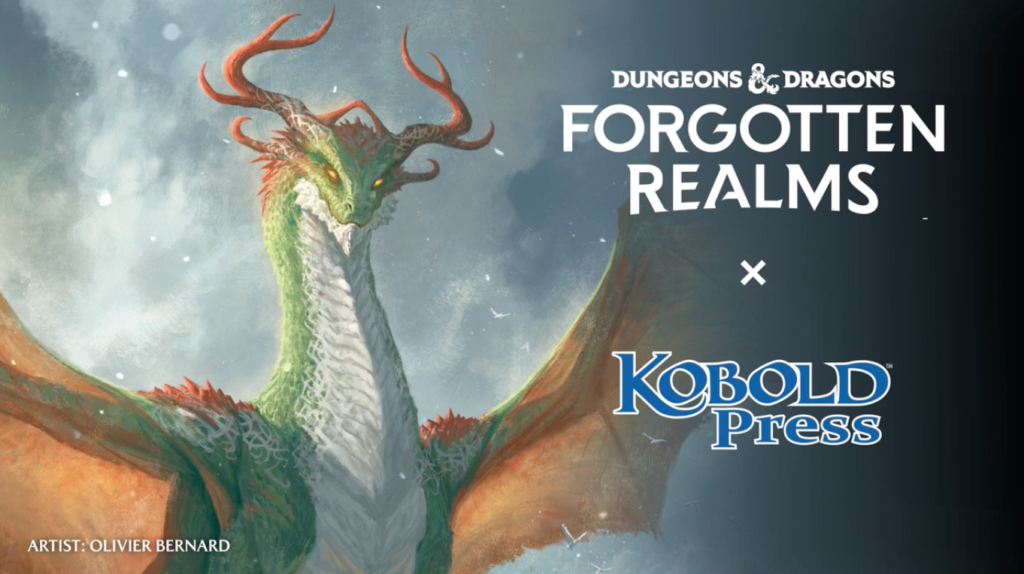
- Kobold Press will be granted the opportunity to produce official material for the sprawling and popular Forgotten Realms setting.
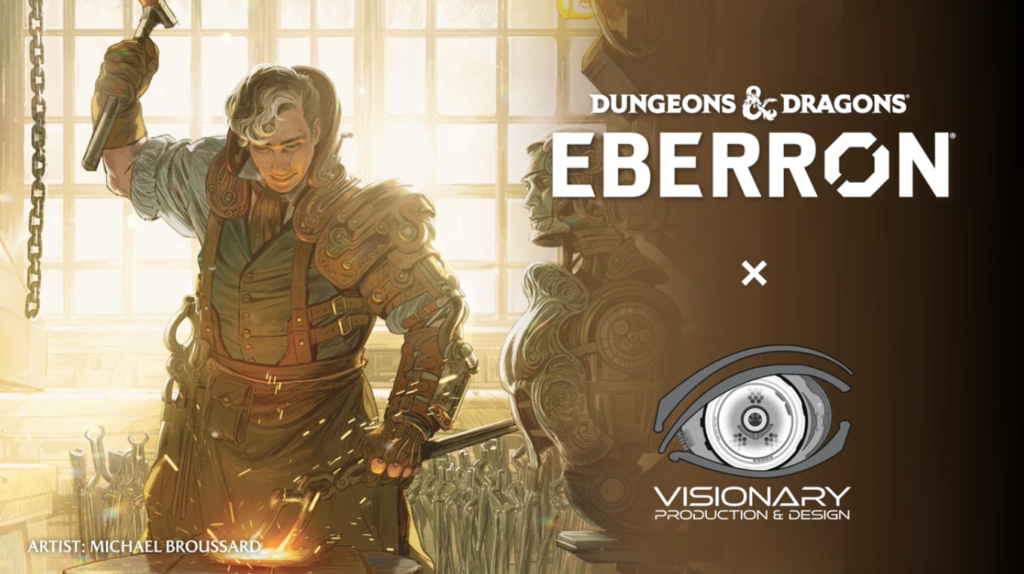
- Visionary will take the reins in supporting the unique and innovative Eberron setting.
- Ghostfire Gaming is set to develop new content for the chilling gothic horror realm of Ravenloft.
These partnerships represent a conscious decision by Wizards of the Coast to decentralize some aspects of content creation, leveraging the specialized expertise and distinct creative voices of established third-party entities. The strategy aims to provide a broader range of official products, ensuring that each setting receives dedicated attention from teams with a proven affinity for its unique characteristics.
A Chronology of Collaboration: D&D’s Evolving Relationship with Creators and Community
The Dungeons & Dragons franchise, born from the imaginations of Gary Gygax and Dave Arneson in the mid-1970s, has always thrived on the creative contributions of its community. Initially, the game’s expansion was driven by its creators and early TSR designers. As D&D grew, so did the demand for new adventures, monsters, and settings, leading to a vibrant, albeit sometimes unofficial, ecosystem of third-party content.
The late 1990s and early 2000s saw a more formalized approach with the advent of the Open Game License (OGL), which allowed third-party publishers to create content compatible with D&D’s core rules. This period fostered a boom in independent publishing, enriching the game with countless supplements. However, the relationship between Wizards of the Coast and third-party creators has fluctuated, often oscillating between embracing external contributions and centralizing development internally.
More recently, platforms like the DMs Guild, launched in 2016, have offered a structured marketplace for creators to publish D&D content, sharing revenue with Wizards of the Coast. While successful, the DMs Guild primarily focuses on community-driven content rather than official, setting-defining works from established publishers.
The current announcement represents a significant evolution in this historical trajectory. By launching "D&D Icons," Wizards of the Coast is making a deliberate statement about valuing the foundational creative forces of the game, actively inviting them back to shape the future of their legacies. Concurrently, the official third-party partnerships go beyond mere compatibility; they grant these publishers the authority to produce official content within specific, beloved campaign settings. This is a level of formal collaboration not seen universally across all settings in recent memory, signaling a strategic intent to both honor heritage and diversify creative output. It reflects an acknowledgment that the D&D universe is too vast and rich for a single internal team to manage comprehensively, and that external passion and expertise can deliver truly authentic and exciting new experiences.
Supporting Data: A Deep Dive into the New Projects and Their Significance
While concrete details regarding release schedules, formats, and exact content remain scarce, the implications of these announcements are profound, particularly when examining each project individually.
The D&D Icons Line: Honoring Legacies
Joe Manganiello as Chief Creative Officer: The appointment of actor Joe Manganiello is a notable highlight. A self-professed and highly visible D&D enthusiast, Manganiello has long championed the game in popular culture. His deep passion for D&D, combined with his experience in storytelling and production, positions him uniquely to guide the "Icons" line. His involvement not only brings celebrity appeal but also assures fans that the projects will be helmed by someone genuinely committed to the spirit and history of D&D. Manganiello’s role suggests a focus on quality, authenticity, and a true appreciation for the game’s narrative heritage.
Dragonlance: The Return of Weis & Hickman: Arguably one of the most anticipated announcements is the return of Margaret Weis and Tracy Hickman to Dragonlance. These literary giants co-created the world of Krynn and penned the seminal Dragonlance Chronicles and Legends trilogies, which introduced generations of players and readers to characters like Raistlin Majere, Tanis Half-Elven, and Kitiara Uth Matar. Their last major roleplaying project for Dragonlance was approximately two decades ago. Their new tabletop book, expected to be a single volume that consolidates decades of lore and history, is a momentous occasion. Whether it manifests as a comprehensive campaign setting guide, an epic adventure, or a hybrid, its primary significance lies in the authentic voice and vision that Weis and Hickman bring, promising a definitive and revered new chapter for Krynn. This project aims to bridge the gap between Dragonlance’s rich literary history and its current D&D 5th Edition ruleset, offering both nostalgia and a fresh perspective.
The Legend of Drizzt: R.A. Salvatore’s Enduring Legacy: R.A. Salvatore’s contribution to D&D, particularly through the character of Drizzt Do’Urden, is immeasurable. The drow ranger, who defies his evil heritage to become a hero, has been a cornerstone of the Forgotten Realms for nearly four decades across dozens of novels. Salvatore’s project will delve deeper into Drizzt’s world, potentially exploring his companions (like Bruenor Battlehammer and Catti-brie), his formidable enemies (from Lloth to the demon Errtu), his intricate history, and the iconic locations he has traversed. This initiative recognizes the immense popularity and narrative depth of Drizzt, offering fans a chance to engage with his story in a new, interactive format, likely expanding upon elements from Salvatore’s extensive bibliography and potentially introducing new narrative threads.
Greyhawk: Luke Gygax and the Origins of D&D: Greyhawk holds a sacred place in D&D lore as Gary Gygax’s original home campaign, which eventually became one of the game’s earliest published settings. Luke Gygax, son of D&D co-creator Gary Gygax, leading a new Greyhawk project is a powerful testament to the game’s roots. The promise of adapting unfinished material created by Gary Gygax himself provides a direct, unprecedented link to the very genesis of Dungeons & Dragons. This project is not merely a revisit; it’s an archaeological excavation of D&D history, promising to bring to light the foundational ideas and concepts that shaped the game, adapted for modern D&D audiences. It represents an opportunity to experience Greyhawk through the lens of its original creator’s vision, filtered through the insights of his son.
Third-Party Publishing Partnerships: Expanding the Universe
Forgotten Realms from Kobold Press: Kobold Press has established itself as a highly respected name in the tabletop RPG industry, known for its high-quality adventures, bestiaries (like the Tome of Beasts series), and other D&D-compatible material. Their previous collaborations with Wizards of the Coast underscore their capability and reliability. Their official foray into the broader Forgotten Realms campaign setting signifies a major expansion for this flagship world. While no specific region, storyline, or format has been announced, Kobold Press’s reputation suggests detailed lore, compelling adventures, or innovative supplementary content that will enrich the Realms beyond the Drizzt-focused project. This dual approach ensures comprehensive support for the Forgotten Realms, catering to both character-centric narratives and wider world-building initiatives.
Eberron from Visionary: Eberron, the brainchild of Keith Baker, stands out among D&D settings for its unique "pulp fantasy" aesthetic, blending magical technology, noir intrigue, political tension, and a world recovering from a devastating global conflict. Visionary’s partnership is particularly apt given their prior work with Baker on Eberron material. This existing relationship ensures that the new content will maintain the setting’s distinct flavor, which combines elements of film noir, steampunk, and traditional fantasy. Visionary’s involvement promises to deliver material that authentically captures Eberron’s blend of magic and industry, its complex moral landscape, and its dynamic, post-war political climate, ensuring the continued evolution of this beloved world.
Ravenloft from Ghostfire Gaming: D&D’s gothic horror setting, Ravenloft, is a realm of mist-shrouded domains, cursed Darklords, and chilling supernatural threats. Ghostfire Gaming, renowned for its dark fantasy and horror-focused products (such as Grim Hollow), is an ideal partner for this setting. Their expertise in crafting atmospheric and terrifying experiences makes them a natural fit to develop new official material for Ravenloft. This partnership could manifest as new adventures exploring the Domains of Dread, expansions on existing lore, or a broader collection of horror-themed mechanics and creatures. Ghostfire Gaming’s track record suggests that their Ravenloft contributions will amplify the setting’s core themes of dread, despair, and the constant struggle against overwhelming evil, further solidifying its place as D&D’s premier horror experience.
Official Responses: Wizards of the Coast’s Strategic Vision
While no direct quotes from specific executives accompanied the initial general press release, the overarching message from Wizards of the Coast is clear: this multi-initiative approach represents a deliberate strategy to support and expand its established D&D worlds.
The primary stated goals are:
- Leveraging Original Creators: By bringing back figures like Weis, Hickman, Salvatore, and Gygax, WotC is directly addressing fan demand for authentic content from the minds that first envisioned these worlds. This taps into deep loyalty and ensures that new material resonates with the established lore and spirit of each setting.
- Diversifying Creative Input: The partnerships with Kobold Press, Visionary, and Ghostfire Gaming indicate a recognition that D&D’s vast intellectual property can benefit from external perspectives and specialized expertise. This allows WotC to support a wider array of genres and playstyles (high fantasy, noir, horror) without solely relying on its internal design teams, which can then focus on core rulebooks and flagship releases.
- Expanding Classic Settings: The announcements demonstrate a renewed commitment to older, beloved settings that might not receive as much direct attention from WotC’s internal publishing schedule. This strategy promises to fill gaps in existing lore, update settings for current editions, and introduce new narratives that keep these worlds vibrant and relevant.
Essentially, Wizards of the Coast is adopting a more decentralized and collaborative model for content creation. This approach allows for a greater volume and variety of official content, while also strategically aligning specific settings with publishers and creators who possess a deep understanding and passion for them. It’s a move to enrich the D&D experience by casting a wider net for talent and vision.
Implications: A Glimpse into the Future of D&D
The implications of these announcements are far-reaching, affecting players, publishers, and the broader tabletop RPG industry.
For Players: This news is overwhelmingly positive. Fans of specific settings will see their beloved worlds receive dedicated attention from creators and publishers intimately familiar with their unique characteristics. The return of original creators promises a sense of authenticity and a deepening of established lore, while the third-party partnerships offer fresh perspectives and innovative approaches to well-trodden paths. Players can anticipate a richer, more diverse array of official content, expanding their options for campaigns and character development across multiple iconic settings. It also potentially means more frequent releases for settings beyond the Forgotten Realms, which often dominates WotC’s internal output.
For Wizards of the Coast: This strategy could be a masterstroke. By leveraging external talent, WotC can increase its content output without overburdening its internal teams. It also helps to cultivate goodwill within the broader TTRPG community by empowering respected third-party publishers and honoring its creative pioneers. This move could solidify D&D’s market dominance by offering a broader, more appealing portfolio of official products, attracting both veteran players seeking nostalgic returns and new players eager to explore the game’s rich history. It demonstrates a more flexible and open approach to IP management, potentially setting a precedent for future collaborations.
For Third-Party Publishers: The official partnerships are a massive boon. Being commissioned to produce official D&D content for specific settings elevates the status of these publishers, granting them access to a wider audience and providing a strong validation of their creative capabilities. It opens new revenue streams and opportunities for collaboration, potentially fostering a healthier and more integrated ecosystem between WotC and independent creators. This could also inspire other third-party publishers to refine their pitches and seek similar partnerships, leading to an overall increase in quality and innovation across the industry.
Market Impact: The announcements could stimulate the entire tabletop RPG market. Increased D&D content often translates to increased player engagement, which can spill over into other games and products. The emphasis on beloved, classic settings might also draw back lapsed players, expanding the overall player base. The collaborative model suggests a potential paradigm shift, where intellectual property holders increasingly work with specialized external teams to maximize content creation and cater to diverse fan bases.
Balancing Nostalgia and Innovation: A key challenge will be striking the right balance between honoring the past and innovating for the future. The "D&D Icons" line is clearly designed to evoke nostalgia, but the projects must also feel relevant and exciting for modern D&D 5th Edition gameplay. Similarly, third-party partners will need to deliver content that is both authentic to the setting and fresh enough to capture new imaginations. The success of these initiatives will hinge on their ability to deliver content that feels both familiar and new, preserving the essence of these worlds while pushing their narratives and gameplay possibilities forward.
In conclusion, Wizards of the Coast’s latest strategy marks an exciting and pivotal moment for Dungeons & Dragons. By thoughtfully integrating the foundational voices of its past with the dynamic energy of contemporary third-party publishers, the company is poised to usher in an era of unprecedented content richness, ensuring that the diverse worlds of D&D continue to inspire and entertain adventurers for generations to come. The stage is set for a grand resurgence, promising a truly legendary future for the world’s greatest roleplaying game.