The Great Web 3.0 Conflation: Untangling the Threads of the Digital Gold Rush
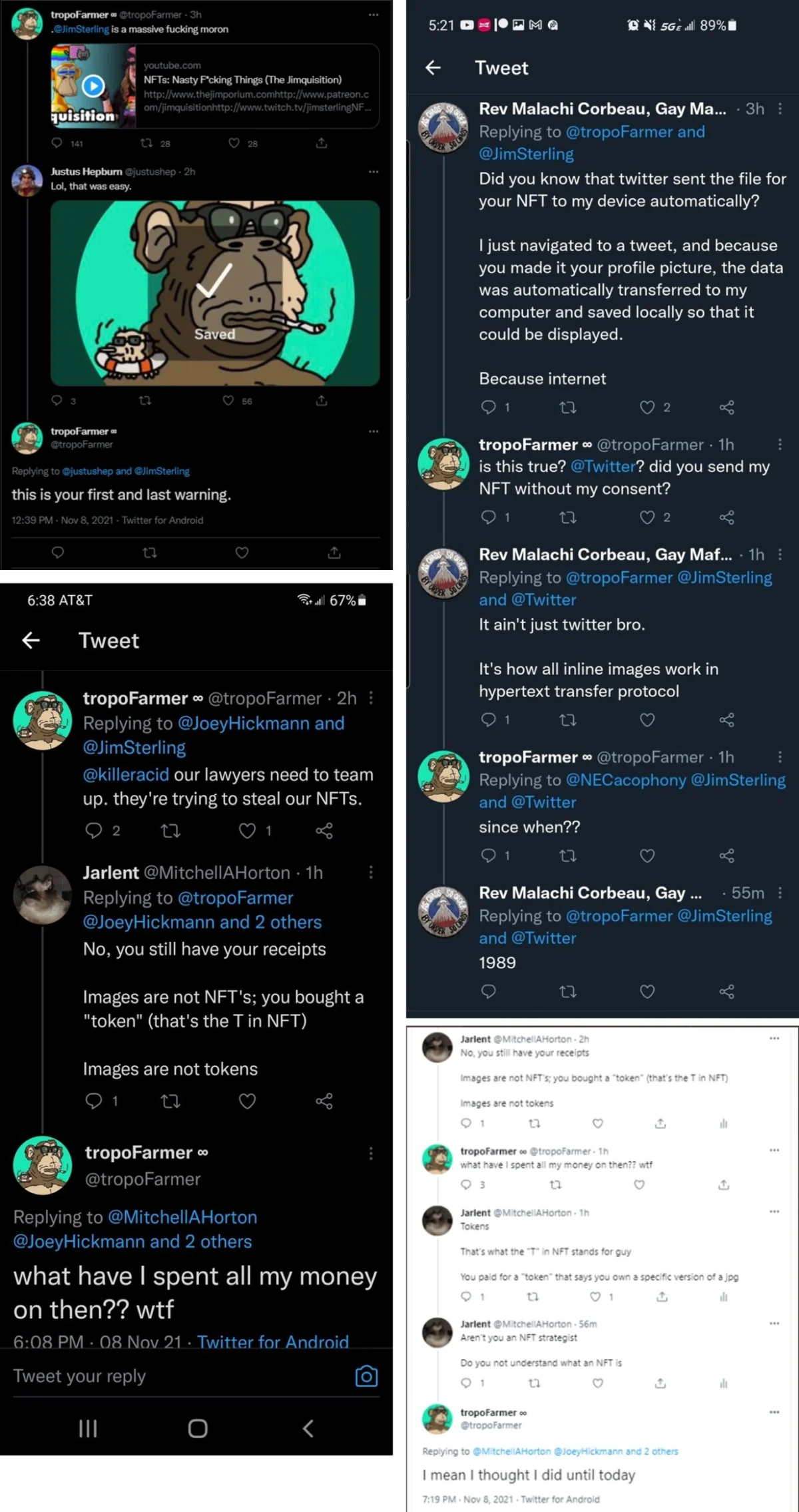
The current financial landscape is dominated by a feverish pursuit of the next "frontier." From the boardrooms of Silicon Valley to the digital corridors of Discord, the terms "Cryptocurrency," "Blockchain," "NFTs," and "Play-to-Earn" are often used interchangeably, woven into a singular, shimmering tapestry known as Web 3.0. However, beneath the marketing gloss lies a complex and often contradictory set of technologies and economic theories.
Critics and industry analysts are increasingly warning that the deliberate conflation of these four distinct areas by promoters is creating a speculative bubble that may dwarf the dot-com crash of 2000. Driven by a macroeconomic climate of historically low interest rates and a pandemic-fueled surge in investment capital, the "Web 3.0" movement is being scrutinized not just for its technological promise, but for its potential to facilitate Ponzi-like schemes on an unprecedented scale.
Main Facts: The Four Pillars of the Modern Speculative Storm
To understand the current "perfect storm" of digital speculation, one must first disentangle the four components that promoters frequently—and often misleadingly—bundle together.
- Cryptocurrencies: Digital tokens intended to function as a medium of exchange. They rely on decentralized control as opposed to centralized digital currency and central banking systems.
- The Blockchain: The underlying distributed ledger technology. It is a growing list of records, called blocks, that are securely linked using cryptography. Its primary appeal is the promise of a "trustless" system.
- Non-Fungible Tokens (NFTs): Unique cryptographic tokens that exist on a blockchain and cannot be replicated. They are used to represent ownership of specific items, such as digital art, music, or in-game assets.
- Play-to-Earn (P2E): A business model where users can earn rewards with real-world value by playing a game. This often involves the integration of cryptocurrencies and NFTs into the game’s economy.
The central issue, as identified by skeptics, is that while each of these elements may possess long-term utility, their current synthesis is often used to mask a lack of fundamental value. By blurring the lines between a currency, a database, a deed of ownership, and a job, promoters can pivot their narrative whenever one aspect faces scrutiny.
Chronology: From Genesis Block to the NFT Explosion
The path to the current bubble has been a decade in the making, characterized by technical breakthroughs followed by waves of intense speculation.
- 2009: The Genesis. Satoshi Nakamoto mines the first block of Bitcoin, proving that a decentralized digital currency could function without a central authority.
- 2015: The Smart Contract. Ethereum launches, introducing "smart contracts." This allowed the blockchain to move beyond simple transactions to executing complex code, paving the way for NFTs and decentralized apps (dApps).
- 2017: The First NFT Craze. CryptoKitties launches, clogging the Ethereum network and proving there was a market for unique digital collectibles, even if their utility was negligible.
- 2020-2021: The Pandemic Catalyst. As global lockdowns took hold, a surge in retail trading combined with government stimulus created a massive influx of "bored money." This period saw the rise of "meme coins" like Dogecoin and the astronomical sale of Beeple’s NFT for $69 million.
- 2021-Present: The P2E Pivot. Games like Axie Infinity gained massive traction, particularly in developing nations, by promising a way for players to earn a living through digital combat. This marked the formal entry of the "Play-to-Earn" narrative into the mainstream.
Supporting Data: The Economic Contradictions of Digital Assets
The fundamental problem with the current crypto-narrative lies in the attempt to make cryptocurrencies serve three mutually exclusive functions: a means of trade, an appreciating asset, and a store of value.

The Store of Value Dilemma
A functional currency requires stability. If an individual puts $100 into a bank, they expect it to retain its purchasing power (minus controlled inflation). However, cryptocurrencies are currently treated as speculative assets. For example, Bitcoin’s value can swing by 10-20% in a single day. Basic economic theory suggests that as risk increases, the demanded return must also increase. If a currency’s value is highly variable, it introduces a "cost of risk" that makes it inefficient for daily trade.
The Blockchain and the Illusion of Trust
The blockchain is often touted as a "trustless" system, but security experts like Bruce Schneier argue this is a fallacy. Instead of trusting a bank or a government, users must trust the cryptography, the software protocols, and the hardware. Schneier notes that when this trust is misplaced—via a hacked exchange, a lost private key, or a bug in a smart contract—there is no legal recourse. In the "Wild West" of the blockchain, the lack of regulators to prevent mis-selling or enforcers to punish fraud means the burden of trust is actually higher for the individual, not lower.
The NFT Utility Gap
In the gaming sector, NFT proponents suggest that digital assets like a "purple lightsaber" could be used across different games, from Minecraft to Destiny. However, this ignores the technical and commercial realities of game development.
- Technical Hurdles: Each game uses different engines, art styles, and balance parameters. Importing an asset requires significant work from developers to ensure it functions and looks correct in a new environment.
- Commercial Disincentives: Current service-based games operate as mini-monopolies. Developers have no financial incentive to allow players to use assets purchased from a competitor, which would cannibalize their own revenue streams.
Official Responses and Critical Perspectives
The response from established institutions and intellectual leaders has been a mix of cautious curiosity and profound skepticism.
The Technological Critique: Bruce Schneier, in his seminal essay Blockchain and Trust, argues that the blockchain merely shifts trust from people to technology, often creating single points of failure. He questions whether a human legal system is not, in fact, more reliable than computer code that the average user cannot audit.
The Sociological View: Yuval Noah Harari, author of Sapiens, points out that money has always been a "story" we tell ourselves. The value of the US Dollar is backed by the story of the US government’s stability and its ability to collect taxes. Cryptocurrencies lack this underlying narrative of institutional enforcement, relying instead on a collective belief in an algorithm.

The Gaming Industry Pushback: While companies like Ubisoft have attempted to integrate NFTs, the player base has largely responded with hostility. Critics argue that "Play-to-Earn" is a misnomer that leads to the "Overjustification Effect"—a psychological phenomenon where providing an external incentive (money) for an intrinsically enjoyable activity (playing games) actually decreases a person’s enjoyment of that activity.
Implications: The Future of a Fragmented Web
The current trajectory of Web 3.0 suggests several potential outcomes, ranging from total collapse to a radical redefinition of digital labor.
The Rebalancing of Labor and Capital
The most optimistic view of "Play-to-Earn" and the "Creator Economy" is that it provides a way for "labor" (the players and creators) to capture more of the value they generate for platforms. This "Etsy-fication" of digital content could, in theory, allow individuals to monetize their hobbies. However, the risk remains that this will simply create a new class of digital "sweatshops" where workers in developing nations perform repetitive digital tasks for meager crypto-wages, further enriching the "capital" (the platform owners and early token holders).
The Regulatory Reckoning
As the "Ponzi" nature of certain schemes becomes more apparent, government intervention is inevitable. The "Wild West" era of cryptocurrencies is likely to end with a whimper of paperwork as regulators apply existing securities laws to digital assets. This would strip away the "decentralized" allure of these technologies, effectively turning NFTs into digital versions of existing copyright and deed-tracking systems.
Conclusion: Disentangling the Hype
The primary danger of the Web 3.0 movement is not the technology itself, but the "shysterism" that occurs when these four areas are conflated. To find real value, investors and users must evaluate schemes based on their individual components. Is a project offering a better database (Blockchain)? A more stable currency (Crypto)? A clearer deed of ownership (NFT)? Or a sustainable job (P2E)?
When these threads are untangled, the "perfect storm" of the Web 3.0 bubble begins to dissipate, revealing a landscape where the technology is significant, but the promises of the promoters are often hollow. As the music slows, the industry may finally have to face the reality that a digital asset is only as valuable as the utility it provides and the legal framework that protects it.