Epic Games Navigates the AI Chasm: A Transparent Showcase Sparks Fierce Debate
The gaming giant’s latest demonstration of generative AI in concept art creation ignites a passionate, and often polarized, discussion within the creative community and beyond.
Epic Games, a titan in the video game industry and developer of the ubiquitous Unreal Engine, has been steadily integrating artificial intelligence into its creative processes for some time. However, this gradual adoption has consistently been met with a degree of skepticism and outright opposition from a significant portion of the creative workforce. Despite Epic’s commitment to transparency regarding its use of these evolving technologies, the recent unveiling of a video showcasing how its artists leverage generative AI (genAI) in concept art development has amplified the existing debate, revealing the deep-seated ethical and professional anxieties surrounding AI’s role in art creation.
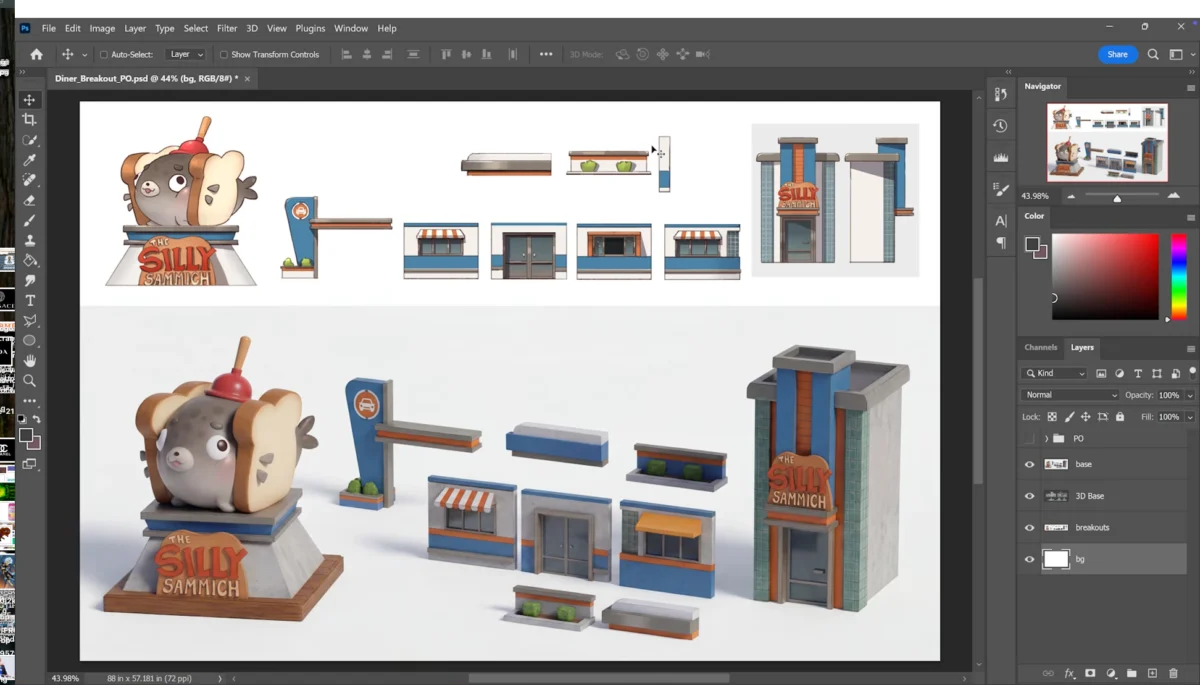
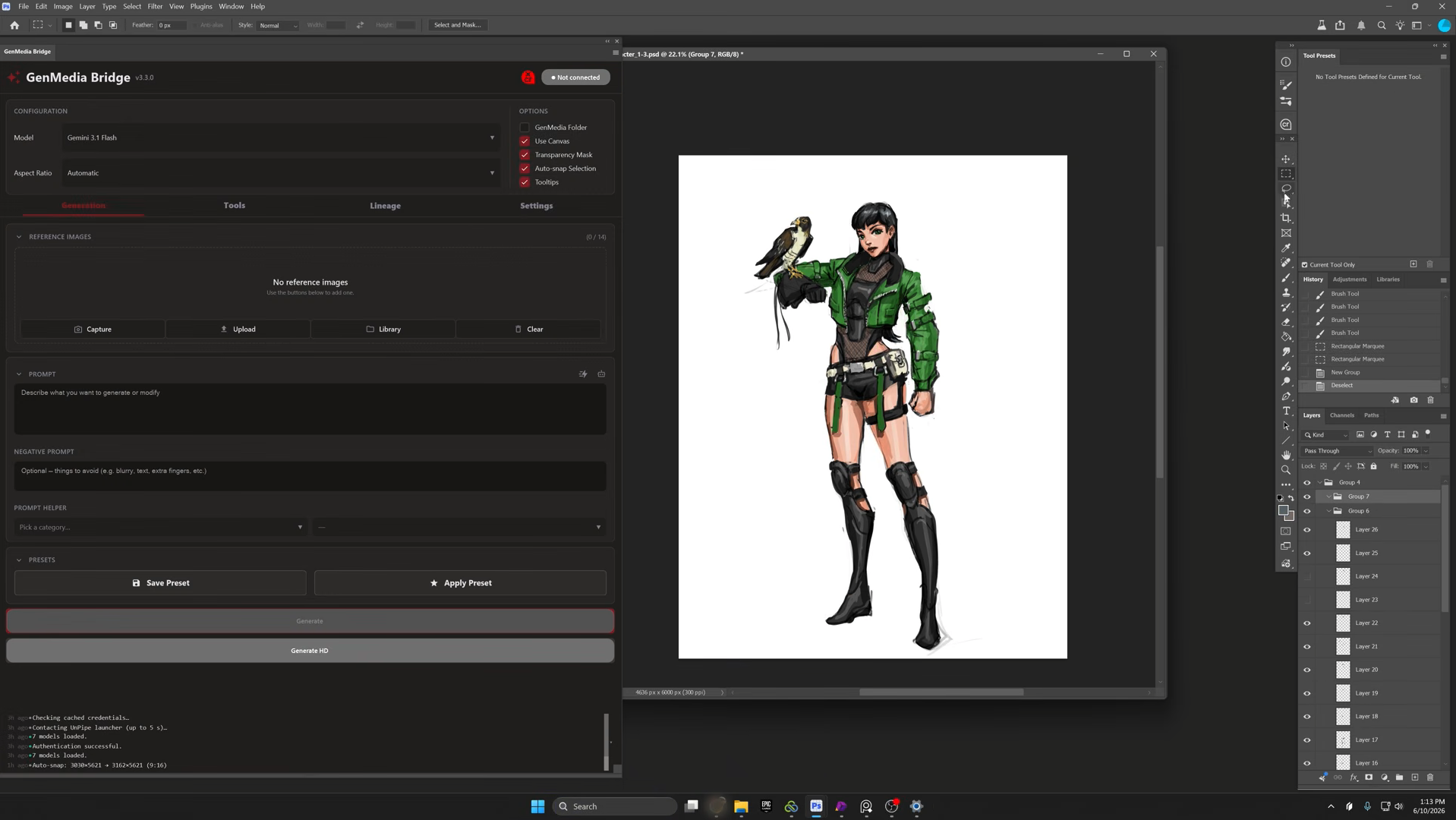
The video, intended to offer a behind-the-scenes look at Epic’s artistic workflow, demonstrates how AI tools are employed to augment, rather than replace, human creativity. It traces the journey from initial human-led sketches to refined concept art, highlighting the integration of tools like GenMedia for Photoshop and Nano Banana within Unreal Engine. While each stage emphasizes human artistry, the AI components are presented as facilitators that streamline aspects of the creative pipeline. Yet, the response to this seemingly innocuous demonstration has been anything but calm, underscoring the multifaceted and unresolved nature of the AI discourse in the creative industries.
The Transparent Showcase: A Glimpse into Epic’s AI-Assisted Workflow
At the heart of the controversy lies a video produced by Epic Games, meticulously detailing the integration of generative AI into their concept art pipeline. The presentation walks viewers through the traditional stages of artistic creation, from the initial spark of an idea translated into a hand-drawn sketch, to the sophisticated refinement that results in polished concept art. The key takeaway from the demonstration is that AI is positioned as a collaborative tool, an assistant that can accelerate certain processes and introduce new possibilities, rather than a sole creator.
One of the primary AI tools featured is GenMedia, utilized within Adobe Photoshop. This technology is shown to transform 2D character concept art into more developed, almost 3D-like renders, significantly speeding up the iteration process. Similarly, Nano Banana, integrated with Unreal Engine, aids in generating new render shots, further enhancing the visual fidelity and exploration of artistic ideas. The artists themselves are depicted as actively engaged in every step, meticulously reviewing, refining, and correcting the output generated by the AI.
Crucially, the artists openly acknowledge the limitations and imperfections of the AI. They highlight instances where the AI might introduce discrepancies, such as missing details or erroneous color choices. This leads to a key statement from one of the artists: "That’s why it’s a starting point, not a finish line." This sentiment emphasizes the indispensable role of human judgment, artistic direction, and critical evaluation in the AI-assisted creative process. The artists’ candid acknowledgment of AI’s flaws and their assertion of human oversight were intended to foster understanding and alleviate concerns about AI replacing human artists. However, this transparent approach, rather than quelling the opposition, has inadvertently become a focal point for criticism.
The Backlash: Accusations of "Anti-Art" and Exploitation
The overwhelmingly negative reaction to Epic’s video reveals the depth of concern and distrust surrounding AI in creative fields. Critics quickly labeled the demonstration as an endorsement of "anti-art technology" and a "shameless" disregard for the value of human artistic labor. The online discourse was rife with accusations that Epic was devaluing the contributions of real artists.
One particularly pointed comment encapsulated the sentiment of many: "You just literally… insulted the entire real artists community." This sentiment was echoed by others who viewed the integration of AI as an existential threat to their livelihoods and the integrity of their craft. The argument often centered on the perceived exploitation of existing artistic works, which form the training data for many generative AI models, without proper attribution or compensation to the original creators.
A significant portion of the criticism also drew parallels between Epic’s embrace of AI and its recent controversial staff layoffs. One commenter poignantly stated, "First you fire 1000 mostly valuable employees for a bulls**t reason, then proudly admit to using AI for your creative process? For the company that gave us Unreal Engine, I expected FAR better." This juxtaposition highlights a perceived hypocrisy: a company laying off human talent while simultaneously touting the efficiency and advancements brought about by artificial intelligence. The narrative emerging from this segment of the online community is one of corporate cost-cutting disguised as innovation, where human expertise is deemed expendable in favor of automated solutions.
The ethical considerations surrounding AI-generated art are complex and far-reaching. Concerns about copyright infringement, the potential for mass production of low-quality content, and the erosion of traditional artistic skills are frequently raised. For many, the "art" produced by AI, while visually impressive, lacks the soul, intention, and personal narrative that defines human-created art. This perspective views AI as a tool that bypasses the years of dedication, practice, and emotional investment required to master artistic disciplines, thereby diminishing the very essence of art itself.
The Counter-Narrative: Transparency as a Force for Good
Amidst the vocal opposition, a counter-narrative emerged, championing Epic’s transparent approach as a welcome departure from the often clandestine adoption of AI by other entities. For this segment of the community, honesty, even when discussing a contentious topic, is a valuable commodity.
Commenters expressed appreciation for Epic’s willingness to openly share its processes, allowing for a more informed discussion about the practical applications and limitations of genAI. One user articulated this sentiment: "While I have criticisms about current use of AI in general, like the flood of slop spam it’s enabled, I have a lot less objections to how it’s being used at Epic. GenMedia took a sketch that was clearly drawn by hand and rendered it in a 3D-like style." This perspective highlights a nuanced view: acknowledging the broader issues with AI while finding merit in Epic’s specific implementation.
The idea that AI can empower rather than replace artists gained traction within this group. The argument is that generative AI, when used as a tool for iteration, exploration, and enhancement, can significantly boost the productivity and creative output of traditional 2D and 3D concept artists. It allows them to explore more ideas, refine concepts faster, and achieve a higher level of polish within tighter deadlines. The analogy of AI providing a "cheat code" for concept art resonated with those who see it as a powerful accelerator for existing creative workflows.
Furthermore, this perspective suggests that the fear of AI rendering human artists obsolete is perhaps overstated. Instead, it posits that the industry will adapt, with new roles emerging for artists who can effectively wield AI tools, curate AI-generated content, and integrate AI into established creative pipelines. The focus shifts from AI as a replacement to AI as an enhancement, a partner in the creative journey that amplifies human talent.
The Underlying Tensions: The Future of Craft and Creativity
The debate surrounding Epic Games’ use of AI in concept art extends beyond the immediate reactions to a single video. It taps into fundamental questions about the nature of creativity, the value of human craft, and the ethical implications of technological advancement in art. The author’s personal reflection at the end of the article encapsulates a common internal struggle: the difficulty in reconciling the inevitable evolution of technology with the deeply ingrained value placed on human skill and dedication.
The persistent issues of copyright, job security, and the potential for a deluge of mediocre content ("slop") generated by AI are legitimate concerns that fuel the skepticism. The core of this apprehension often lies in the perceived "death of craft." While AI can undoubtedly streamline processes and bypass traditional learning curves, the argument is that the inherent reward and satisfaction derived from mastering a craft through years of practice and dedication are lost. The question posed is stark: will the pursuit of efficiency and abundance through AI lead to a dilution of quality, ultimately resulting in a landscape saturated with superficial, uninspired content?
This sentiment echoes a broader societal anxiety about automation and its impact on human roles. In the context of art, it raises concerns about the potential commodification of creativity, where unique artistic visions and painstaking craftsmanship are devalued in favor of easily replicable, algorithmically generated outputs. The question of "just because AI can, doesn’t mean it should" becomes a poignant reminder of the need for ethical consideration and a deep respect for the human element in artistic creation.
The Road Ahead: Navigating the AI Revolution in Gaming
Epic Games’ recent demonstration serves as a microcosm of the larger AI revolution unfolding within the gaming industry and beyond. The company’s commitment to transparency, while met with a mixed reception, has opened a valuable dialogue. As AI technology continues to advance at an unprecedented pace, the creative industries, and particularly the gaming sector, face a critical juncture.
The examples of Unity AI, which promises game development through verbal commands, and the broader industry scramble to master AI, underscore the transformative potential of these tools. However, these advancements also necessitate a careful and considered approach. The ethical considerations surrounding AI – from copyright and intellectual property to the potential displacement of human workers and the very definition of art – demand ongoing discussion and the development of robust frameworks to guide their integration.
The future will likely see a hybrid approach, where AI tools are increasingly woven into the fabric of game development, from asset creation and character design to narrative generation and player experience personalization. The challenge for companies like Epic Games, and indeed for the entire industry, will be to harness the power of AI responsibly, ensuring that it augments human creativity, fosters innovation, and ultimately contributes to the creation of compelling and meaningful artistic experiences, without sacrificing the core values of craftsmanship, originality, and the irreplaceable human touch. The debate is far from over, and the path forward will require continuous dialogue, adaptation, and a commitment to ethical innovation.