Epic Spaceman: How One Creator is Revolutionizing Science Communication Through Immersive Animation
By Jamie Lang | August 6, 2026
For decades, the awe-inspiring expanse of the universe has been made digestible through the charismatic storytelling of science communicators. From Carl Sagan’s cosmic voyages on a dandelion seed to Bill Nye’s engaging explanations of fundamental principles, and the intricate physics deciphered by Neil deGrasse Tyson and Brian Greene, popular science has always relied on adept guides to translate complex concepts for mass audiences. Today, Toby Lockerbie, known online as Epic Spaceman, is boldly carrying this torch forward, but with a distinctively modern and visually arresting approach. His YouTube channel, a burgeoning powerhouse in online science education, is built not on traditional footage or archival material, but entirely on the foundation of meticulously crafted human-made animation and visual effects.
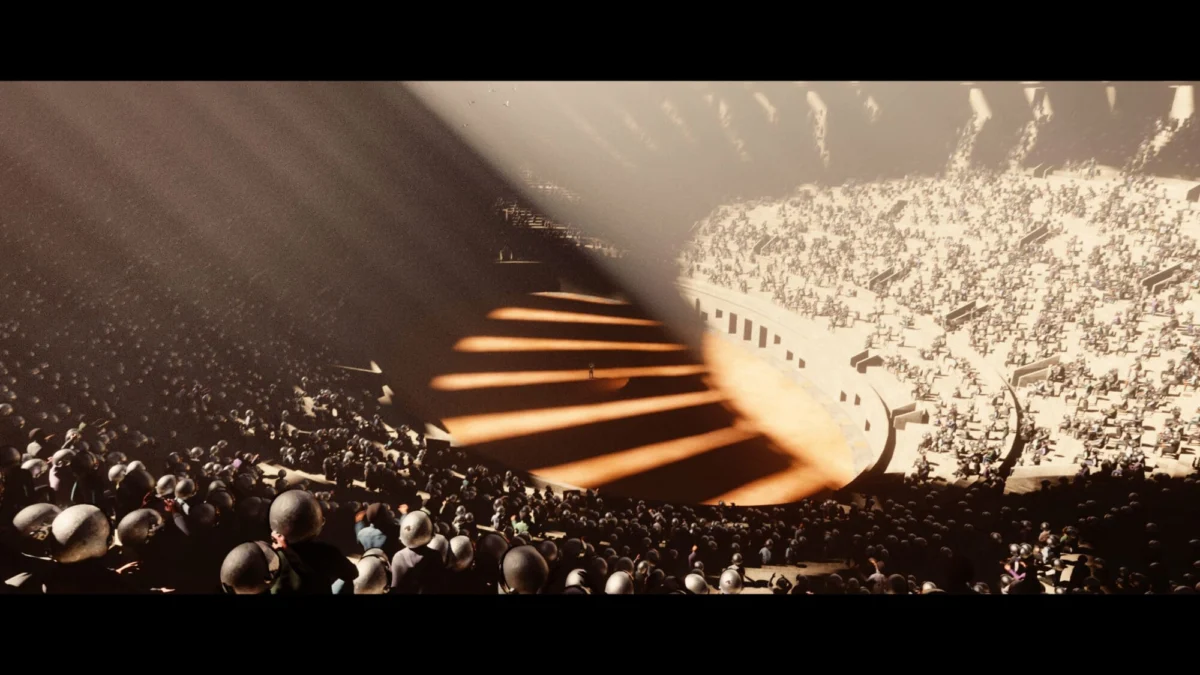
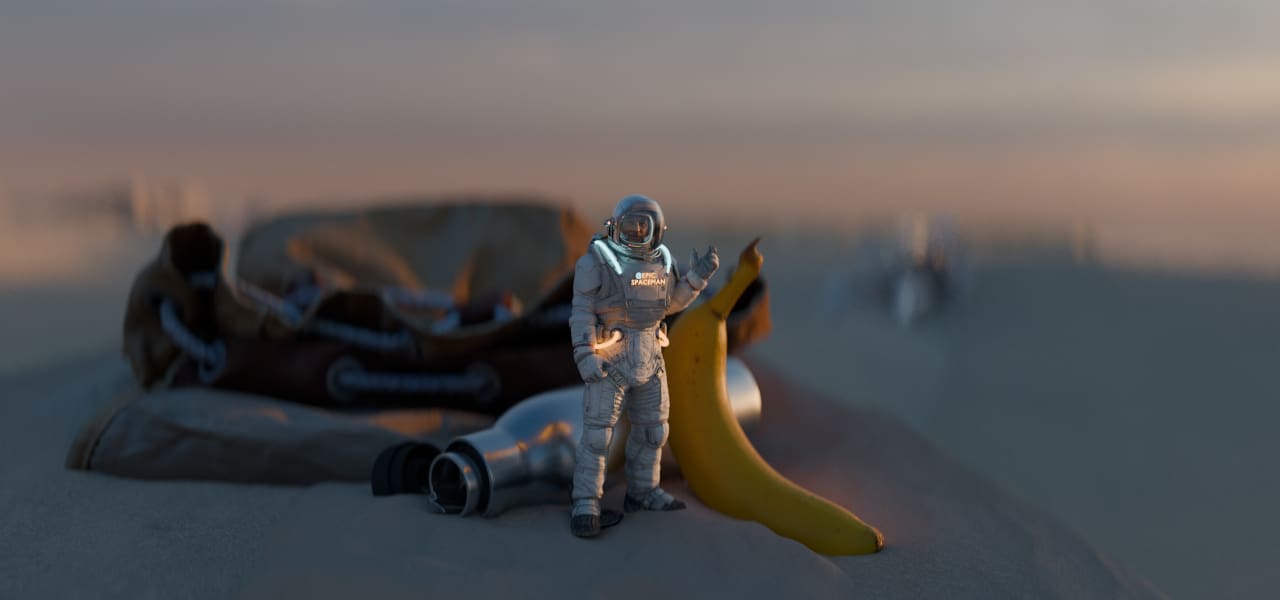
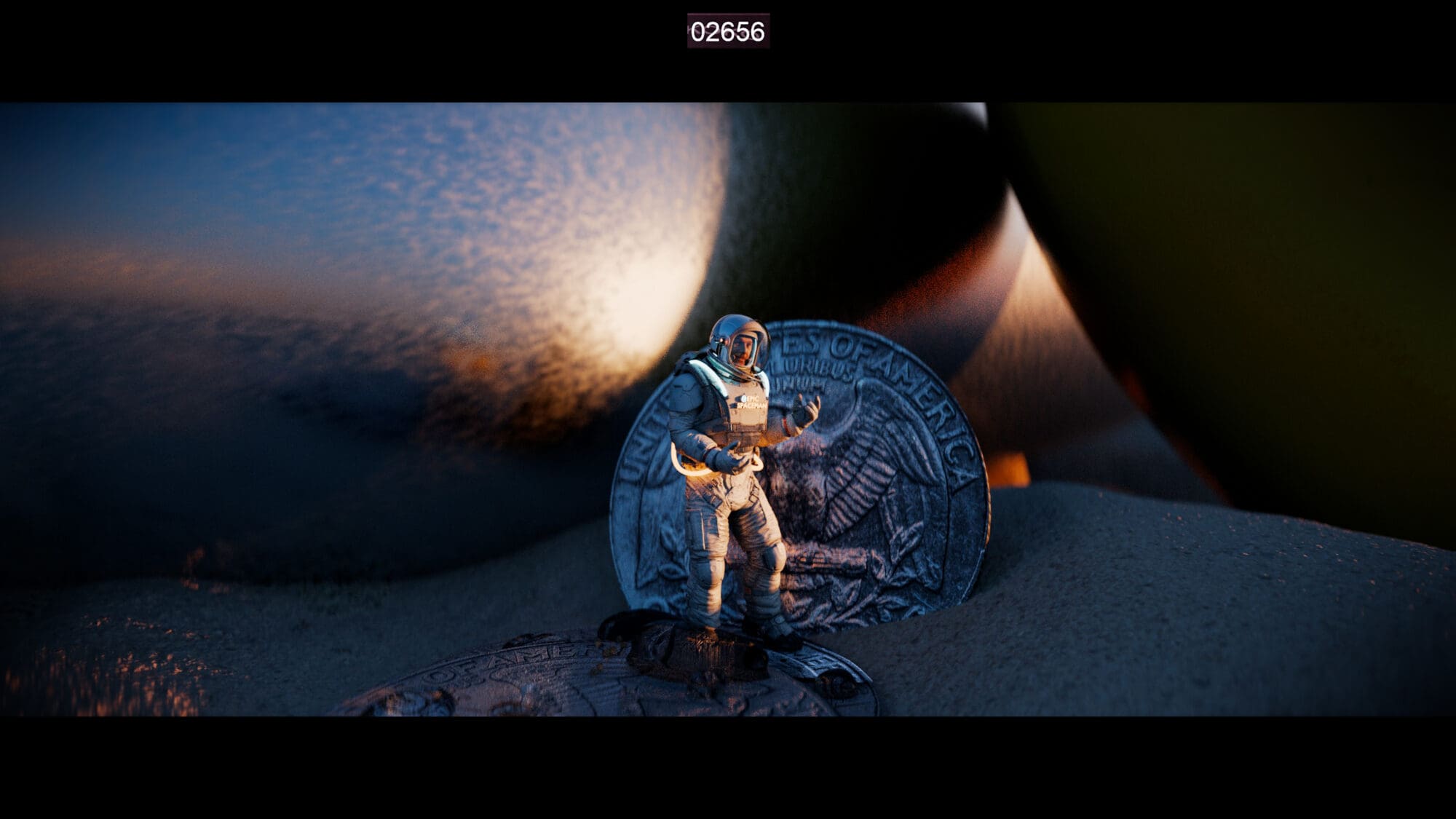
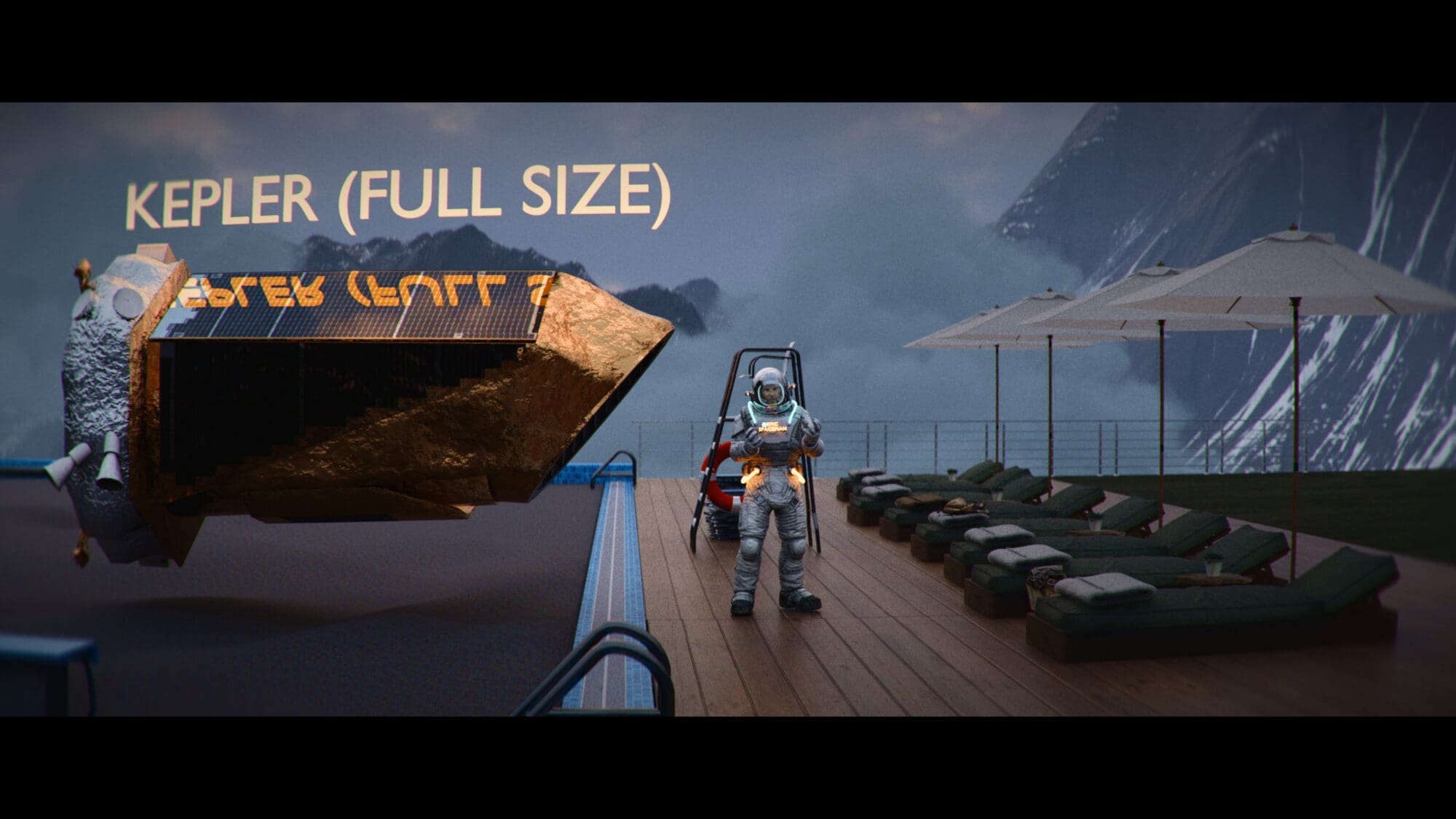
Lockerbie’s genius lies in his ability to dismantle the abstract and the astronomically vast into tangible, relatable experiences. He eschews dry numbers in favor of vivid, often whimsical, visual metaphors. The sheer volume of galaxies in the observable universe is transformed into a swimming pool brimming with cereal. Our own Milky Way galaxy is stretched across the continental United States. The mind-boggling concept of tens of billions of potentially Earth-like worlds becomes a cascade of marbles poured into the iconic Roman Colosseum. Within this animated universe, Lockerbie himself, rendered in a custom-designed Blender-built spacesuit, acts as both narrator and, frequently, an intrinsic unit of measurement, allowing viewers to grasp scale in an unprecedented way.
While these visuals are undoubtedly entertaining and often breathtaking, spectacle is not the ultimate aim. Lockerbie’s animation serves a profound pedagogical purpose: to tackle the persistent challenge faced by all great science communicators. The most extraordinary facts about our universe are frequently expressed in numbers and concepts so immense or minuscule that they defy ordinary comprehension. Through his innovative use of visual metaphors, Lockerbie makes cosmic scale not only understandable but also engaging, and consistently, visually stunning.
The Genesis of a Visual Universe: A Lockdown Reinvention
Lockerbie’s journey into the realm of science animation is far from traditional. He began his academic career studying computer engineering, a path that eventually led him to a successful career as a photographer, filmmaker, and director of photography. For years, he operated as a "one-man production company," crafting music videos, commercials, and travel documentaries for a diverse clientele. This established career, however, came to an abrupt halt with the onset of the global pandemic. Facing an extended period of work drought and acutely aware of the fragility of his client-dependent livelihood, Lockerbie recognized an opportunity to build something entirely independent, something that was solely his own.
"I was making videos for other people, and they were really happy with them, and I was really happy that they were happy," Lockerbie shared in an interview. "But I wasn’t creating my own thing." His childhood passions for science, physics, and art resurfaced, and he found himself re-engaging with popular science through books, articles, and iconic programs like Sagan’s Cosmos. When contemplating the subject of his own creative endeavor, the answer was immediate.
"I would love for it to be something a bit like Cosmos, but not a reboot," he explained. "Something that would work for my own attention span, something very much focused on metaphors and visuals and not using numbers." The primary hurdle, at that point, was the technical know-how. During the lockdown, Lockerbie began teaching himself the intricacies of 3D animation software, specifically Blender. While he diligently completed a significant portion of Blender’s renowned "doughnut tutorial," he soon realized that meticulously modeling sprinkles wasn’t bringing him closer to the cinematic vision he held.
"I thought, ‘Okay, I’ve made some sprinkles. This isn’t anything like what I’m planning on making, so I need to start doing something else,’" he recalled. "I just started trying to make my first video." His existing expertise in cinematography, editing, camera movement, and live-action production provided a crucial head start. However, that inaugural film also became his visual effects bootcamp. He learned new skills as each successive shot demanded them, a process that continues to define his workflow today. Every episode, in essence, is both a finished cinematic piece and a catalyst for acquiring new technical proficiencies.
Crafting the Cosmic Persona: The Epic Spaceman
Epic Spaceman is far more than just a disembodied voice narrating over impressive visuals. From the outset, Lockerbie understood the critical need for a relatable protagonist—an avatar to guide viewers through the complexities of the universe and imbue the vast and minuscule objects with a tangible sense of scale.
"I wanted it to look and feel like science fiction, but it was actually true," Lockerbie stated. "Like an amazing scene from a Marvel film, but instead of Thor describing a black hole, it would be some space dude describing a black hole. And the stuff that he’d be saying would be real."

Lockerbie films his own face, seamlessly integrating it into the animated astronaut’s helmet. The character’s body was initially static due to the absence of a practical animation system. This challenge was overcome with the acquisition of a Rokoko motion-capture suit, which was later enhanced by a multi-camera setup that tracks his movements within his office. The astronaut’s suit itself began as a purchased 3D model, which Lockerbie then meticulously customized, adding a distinctive helmet, illuminated elements, and personal insignia, drawing inspiration from the iconic oversized helmets of Alien and the illuminated interiors of Pacific Rim.
"Because I was making everything on my own, I had to be a generalist and sort of six out of ten at everything," he admitted. "I tend to start with buying other people’s models, and then I modify them and add bits and pieces." The astronaut persona also serves to humanize the channel, preventing it from feeling anonymous. Lockerbie firmly believes that science documentaries resonate most powerfully when viewers can connect with a person, observing subtle emotions and reactions, much like they did with David Attenborough immersed in his subjects or Sagan walking along a beach.
"I think you really do need a human connection to understand something that’s cosmic," he emphasized. "You need someone to draw you through it."
The Rigorous Process: Research Twice, Film Once
While the visual aesthetic is paramount to Lockerbie, he estimates that approximately half of his production time is dedicated to the crucial stages of research, writing, and iterative script refinement. A single script might undergo as many as fifteen revisions before he transitions to the full production pipeline. As he is not a trained astrophysicist, and does not present himself as such, the act of publishing highly detailed scientific content carries an inherent anxiety. Without a dedicated team of researchers or scientific advisors, Lockerbie undertakes the rigorous task of double- and triple-checking his material, meticulously scrutinizing every word and calculation to ensure accuracy and prevent any potential misrepresentation that could undermine the integrity of his carefully constructed narratives.
"The most mortifying thing for me would be that I say something about a topic, particularly science-related, and it’s a demonstrable fact that I get wrong," he confessed. "I’m not speaking so much from a position of authority. I’m speaking from a position of someone who does their research diligently until they understand the topic quite well."
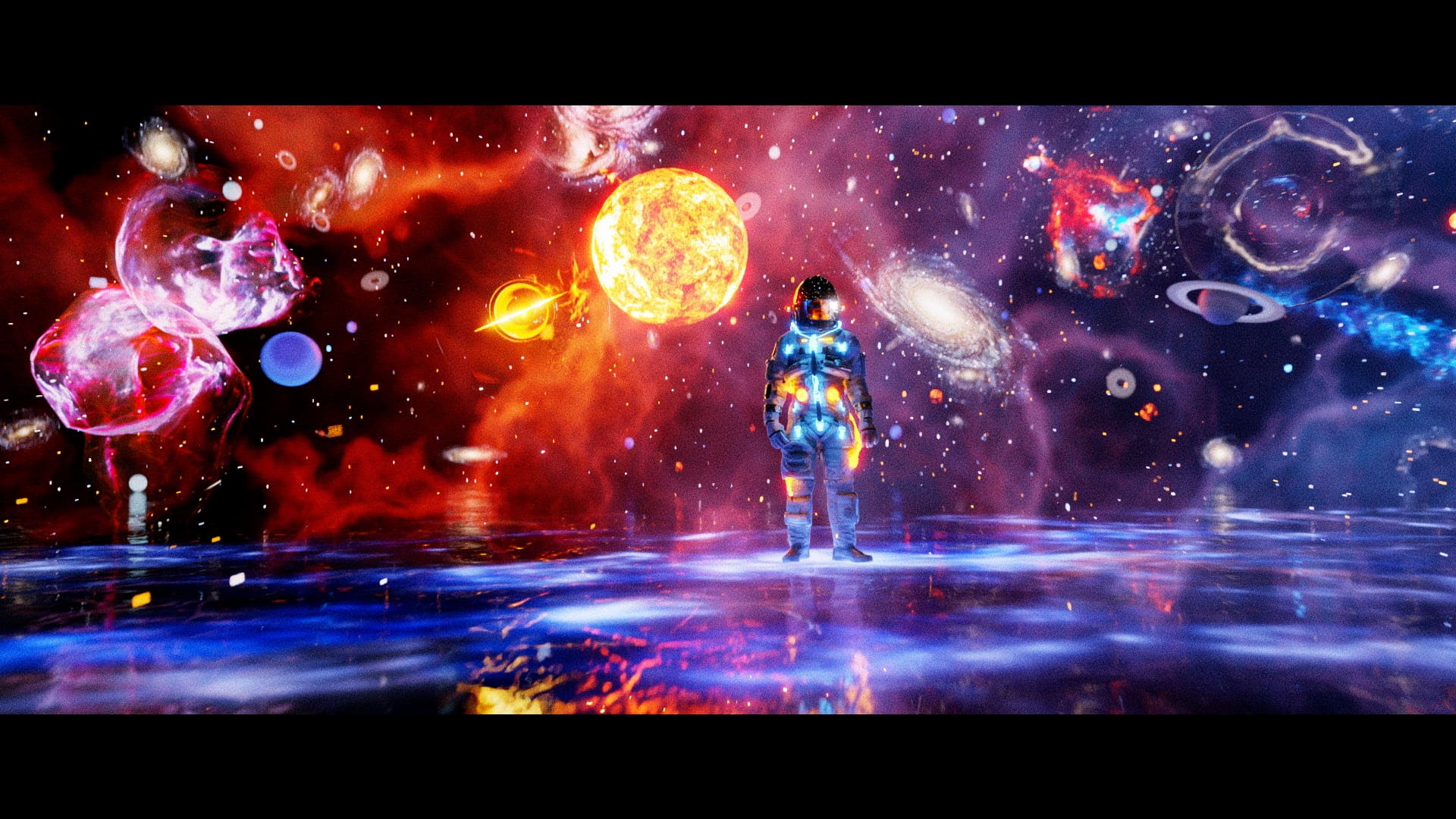
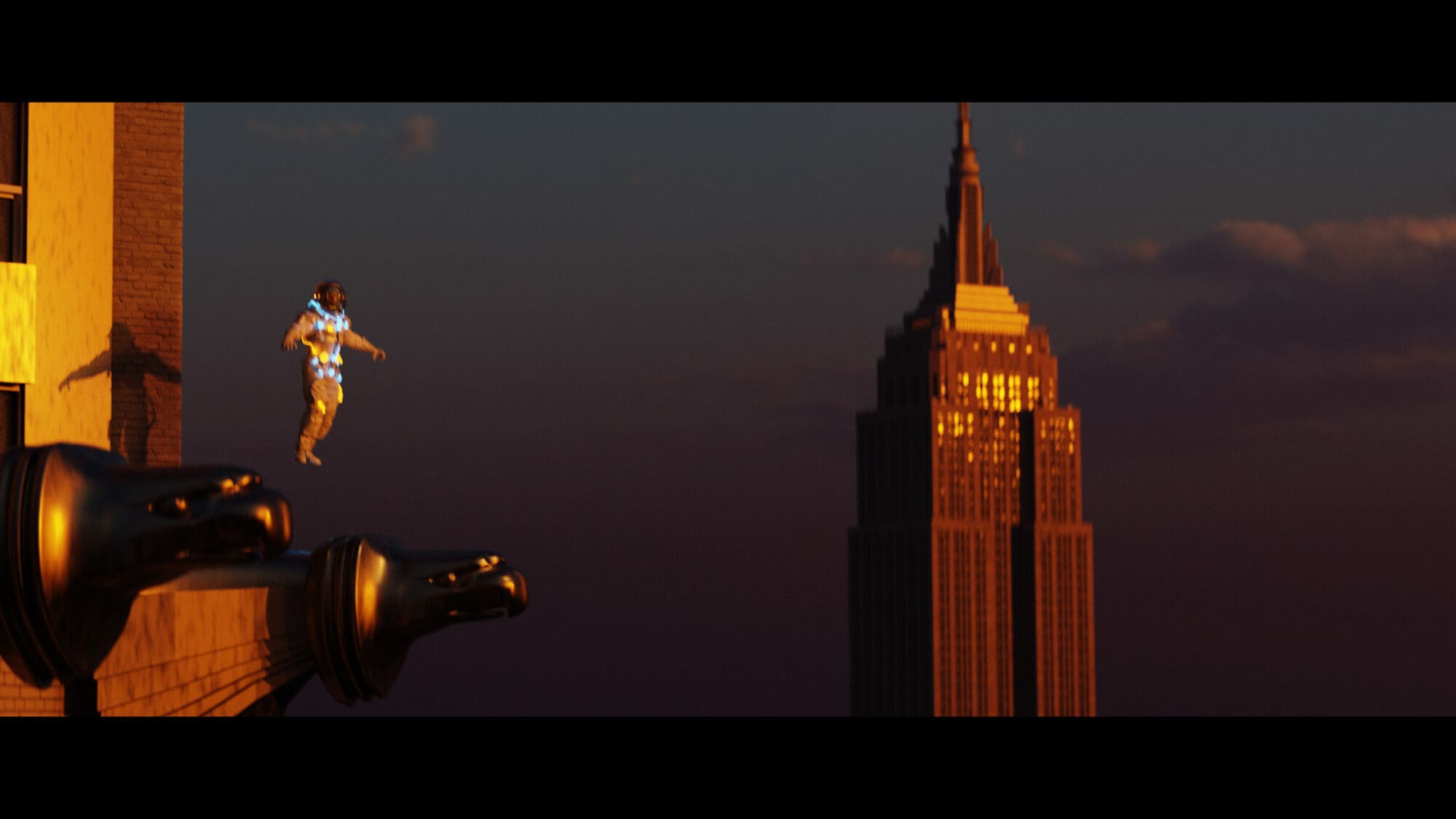
Crucially, Lockerbie’s intention is not to oversimplify science into mere entertainment. His goal is to identify the most effective visual representation that will help a viewer retain the underlying scientific concept long after the video concludes. The recurring use of everyday objects—cereal, swimming pools, marbles, familiar landscapes—serves as a deliberate bridge, connecting ordinary human experience with the immense scales of the cosmos.
"If I could get the story right and the graphics right, then I feel like I know the content is right, because space and science and physics are amazing," Lockerbie stated. "Enough people will enjoy it if I can package it right for them."
Navigating the Digital Landscape: A Slow Channel in a Fast Business
Epic Spaceman’s deliberate release schedule stands in stark contrast to conventional advice for building an online audience. Lockerbie does not adhere to daily, weekly, or even monthly publishing cadences. His videos are released when they are complete, each requiring sufficient traction in terms of viewership, advertising revenue, sponsorship, and Patreon support to sustain the creation of the next.
This approach has only recently become a financially viable full-time endeavor. However, this independence affords Lockerbie a level of creative control that was absent when he was beholden to client assignments. He dictates the subject matter, the duration of production, the acceptable compromises, and the sponsors who align with the channel’s ethos.
"I love that I have my own little TV show, and I can do anything I want," he remarked. "It can crash and burn, but that’s all on me. That’s all my fault if that’s the case."
While not entirely insulated from the demands of the platform—subjects must still attract viewers, and explanations sometimes need to be more concise than he might prefer—the pressure to publish does not originate from layers of executives and their notes. "The dream, really, for anyone creative, is to do the thing that they love and are passionate about and still be able to somehow make a living from it," he articulated.
Lockerbie has engaged in preliminary discussions regarding television projects, though he remains cautious about potential creative compromises inherent in such ventures. A feature film holds even greater appeal than a series. Regardless of future opportunities, he anticipates the continued evolution of Epic Spaceman, driven by its capacity for direct viewer engagement and his unwavering ownership of the creative process.
The Human Touch: Entirely Human-Made
In recent Epic Spaceman productions, a clear declaration appears early on: "Entirely Human-Made." This explicit statement, often flashing across the character’s visor, serves a dual purpose. Ethically, it underscores Lockerbie’s commitment to traditional animation and VFX craftsmanship. Commercially, it addresses a concerning trend where viewers, mistaking his meticulously crafted visuals for AI-generated content, would dismiss his work before even watching it.
"I was getting comments on my YouTube videos just saying ‘AI slop,’" Lockerbie expressed, his voice tinged with disappointment. "It was so depressing when you spend six months on a video and pour your heart and soul into it."
The prevalence of astronauts and fantastical cosmic imagery in AI-generated content makes his work particularly susceptible to misinterpretation. When he released a short video without a disclaimer, the initial comments accused it of being AI-generated, negatively impacting its performance. Lockerbie realized the necessity of providing a clear signal that a human artist was behind the creation.
"One of the reasons I have the AI disclaimer right at the beginning is literally so people will keep watching," he explained. "So many people are turned off by thinking it’s AI."
However, Lockerbie’s objection extends beyond the mere possibility of misattribution. He perceives generative AI as fundamentally distinct from tools like Blender or Unreal Engine, which empower artists to make deliberate decisions and refine them throughout the production process. Generative models, in contrast, offer suggestions based on prompts, but the underlying system retains a degree of creative agency that the user cannot fully control.
A Tool That Uses You: The Limitations of Generative AI
"It doesn’t work like a tool," Lockerbie asserted. "It’s a creation machine, and it’s a black box. It does whatever it wants. All you can do is give it some suggestions."
This inherent lack of control, in Lockerbie’s view, renders generative AI a problematic choice for professional animation and visual effects. High-quality productions are built on iterative refinement, with filmmakers constantly requesting adjustments to performances, lighting, composition, timing, and countless other elements. Generative AI may produce a single impressive image, but making nuanced revisions while preserving existing strengths remains a significant challenge for the technology.
"Anyone who’s done any kind of VFX work for companies will know that one of the reasons for delays, and one of the things that makes it so difficult, is clients always trying to tweak things and change things," he chuckled, drawing from his extensive experience in the filmmaking industry. "This is the thing that AI is the worst in the world for."
Furthermore, Lockerbie remains unconvinced that audiences are actively seeking the hyper-realistic synthetic imagery that generative AI companies are rapidly developing, particularly photorealistic artificial humans. Animation has historically succeeded by engaging viewers without requiring absolute fidelity to reality. He points to the stop-motion artistry of Aardman Animations as a testament to how the visible presence of the artist can enhance, rather than detract from, an image’s impact.
"If you watch an Aardman animation, those aren’t photorealistic humans, but they’re telling an amazing story," he observed. "You can see the thumbprints on them, and it’s amazing. It makes it so good to know that people were tweaking all these things along. It adds a layer of humanity and meaning to the art form."
While Lockerbie’s own creations incorporate purchased assets, motion capture, compositing, and other digital tools, he maintains ultimate control over every frame. The inherent limitations of these tools, and the ingenious solutions he devises to overcome them, become integral components of the finished artwork, contributing to the artistry of his videos.
"The fingerprints are kind of the point of art," he stated, explaining that, in his opinion, the introduction of AI into any visual element compromises the entire piece. "The point is that it’s made by humans. Once you use AI to introduce an element that you couldn’t get without it, it adds a visible layer of AI over the whole thing. It becomes something else."
Lockerbie’s perspective is also shaped by a long-standing underappreciation of the immense skill and labor involved in high-quality VFX. For decades, studios and filmmakers have often downplayed digital contributions by emphasizing practical production methods. Generative AI, he fears, presents another avenue through which audiences may overlook the human artists responsible for creating these compelling visuals.
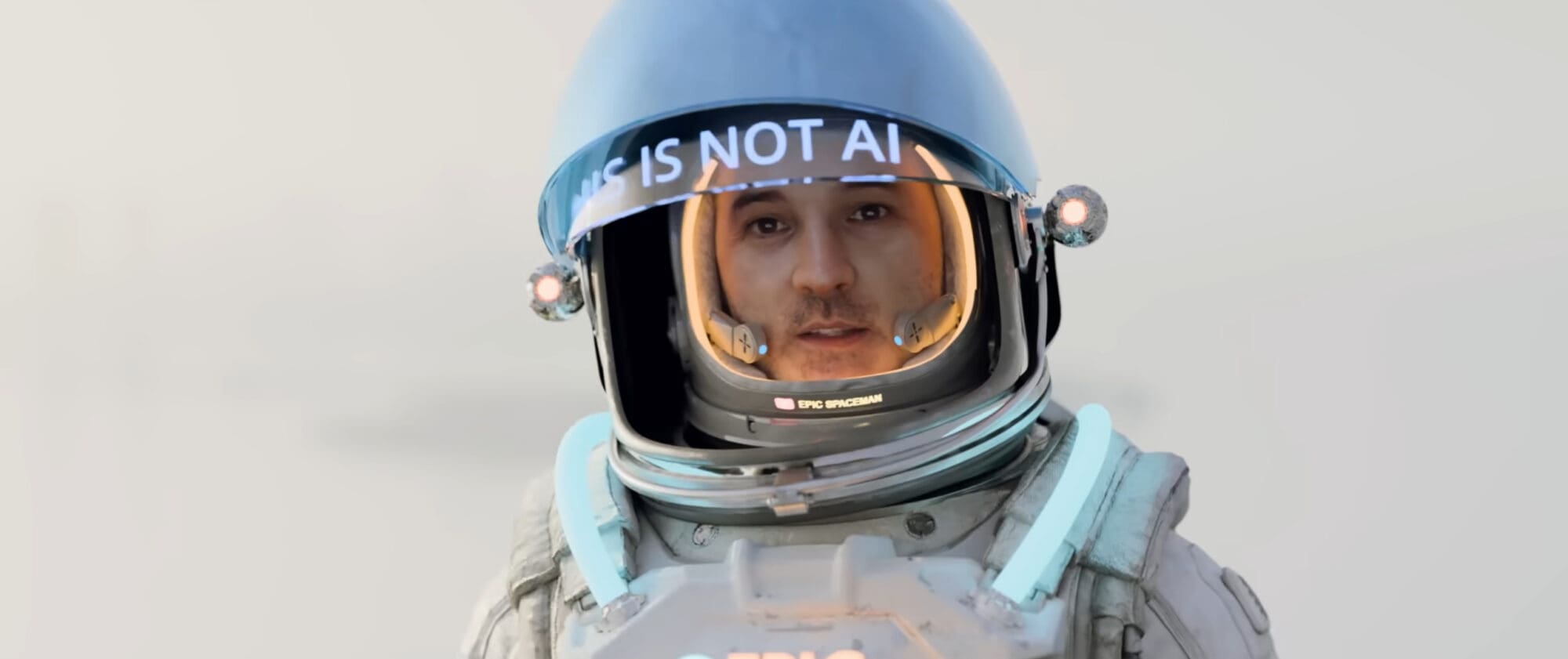
"VFX is so amazing, and the industry has relied on it so much," he reflected. "It always felt like a double slap in the face not to talk about how amazing the people holding up the visuals of the production were." The "Entirely Human-Made" disclaimer is therefore more than just a reassurance to viewers; it is an implicit acknowledgment of the months of dedicated research, animation, compositing, performance capture, and iterative problem-solving that underpin each of his videos.
"I love VFX. I dislike AI," Lockerbie concluded emphatically. "I love seeing other people’s VFX. I love knowing that someone created that."
A New Frontier: Going Down to Keep Looking Up
On Friday, August 7, 2026, Lockerbie will unveil a new video that marks a significant departure for Epic Spaceman, venturing into the depths of the ocean. This shift moves beyond the cosmic scale that defined the channel’s initial identity, but the core methodology remains unchanged: a human protagonist undertaking an extraordinary journey, with animation and visual effects employed to render scientific concepts palpable and relatable.
The enduring success of Epic Spaceman has already demonstrated that science filmmaking need not be an either/or proposition between informative content and captivating spectacle, nor between the broad reach of a digital platform and the meticulous craft of traditional production.
"I was making something for myself, effectively, and hoping there were enough people out there like me who would enjoy it," Lockerbie shared. "If I’m going to do something positive, that would be the thing that I think I could do best."