The Case for Expansion: Why Certain Fantasy Epics Demand a Transition to Television
The landscape of modern entertainment has undergone a seismic shift. As the "Golden Age of Television" matures into the "Era of the Streaming Giant," the boundaries between cinematic spectacles and prestige TV have blurred. While cinema remains the home of the two-hour concentrated burst of wonder, the sprawling, intricate nature of the fantasy genre often finds itself constrained by the limitations of a theatrical runtime.
Fantasy, unlike its cousin science fiction, frequently looks backward to reconstruct alternate histories of the medieval or the mythic. These worlds are defined by their "lore"—the complex social structures, arcane laws of physics, and deep-seated histories that govern their existence. When a film attempts to condense a thousand years of world-building into 120 minutes, the result is often a beautiful but breathless experience. Television, conversely, offers the luxury of time, allowing audiences to inhabit these realms and understand their nuances over multiple seasons.
Drawing from the archives of cult classics and visionary masterpieces, we examine five fantasy films that possess the narrative architecture and thematic depth required to thrive as long-form television series.
1. Main Facts: The Narrative Density of Fantasy Cinema
The primary argument for transitioning specific fantasy films to television lies in the concept of "narrative density." In the theatrical releases of films like Nausicaä of the Valley of the Wind or Nightbreed, audiences are introduced to vast ecosystems and secret societies that the script simply doesn’t have time to fully explore.
In the current market, where platforms like HBO, Amazon Prime, and Netflix are hungry for intellectual property (IP) that can support multi-year arcs (such as The Lord of the Rings: The Rings of Power or The Witcher), these five properties stand out. They offer established fan bases, unique visual aesthetics, and—most importantly—unresolved potential. The transition to TV would not merely be a "remake," but an expansion of the "lore" that was previously truncated.
2. Chronology of Potential: From 1984 to 2003
The films identified for this transition span two decades of visionary filmmaking, each representing a different sub-genre of fantasy—from post-apocalyptic eco-fantasy to Southern Gothic tall tales.
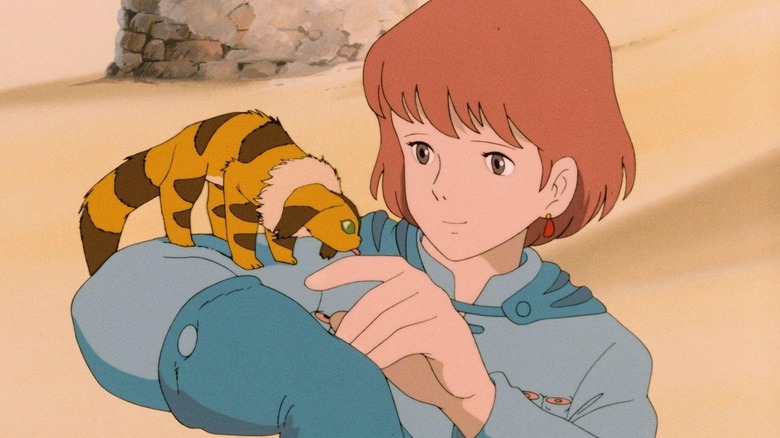
Nausicaä of the Valley of the Wind (1984)
Hayao Miyazaki’s early masterpiece is often cited as the blueprint for Studio Ghibli’s environmentalist ethos. Set a millennium after a nuclear "Seven Days of Fire," the world is divided between human enclaves and the "Sea of Corruption," a toxic forest inhabited by giant insects called Ohms.
- The TV Potential: While the film is a complete work, Miyazaki’s original manga spans seven volumes. A television series could adopt the pacing of the source material, exploring the political machinations between the Kingdom of Tolmekia and the Pejite City-State, while dedicating entire episodes to the biology of the toxic jungle. It would serve as a meditative, episodic exploration of pacifism in a world defined by survival.
The Adventures of Baron Munchausen (1988)
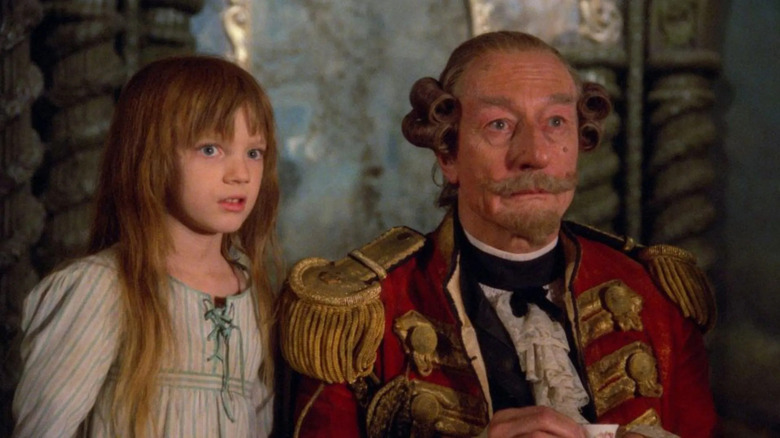
Terry Gilliam’s "Trilogy of Imagination" reached its peak with this opulent, bizarre tale of an elderly aristocrat who may or may not be the world’s greatest liar. The Baron’s world is one where he can travel to the moon, escape the belly of a whale, and outrun Death itself.
- The TV Potential: The film focuses on the Baron’s twilight years. A TV series would ideally act as a prequel/procedural, following the Baron and his retinue of superpowered companions (Adolphus the marksman, Berthold the speedster, Albrecht the strongman, and Gustavus the listener) during their prime. Each week could feature a new "tall tale," allowing for an episodic structure that mirrors the oral traditions of 18th-century folklore.
Nightbreed (1990)
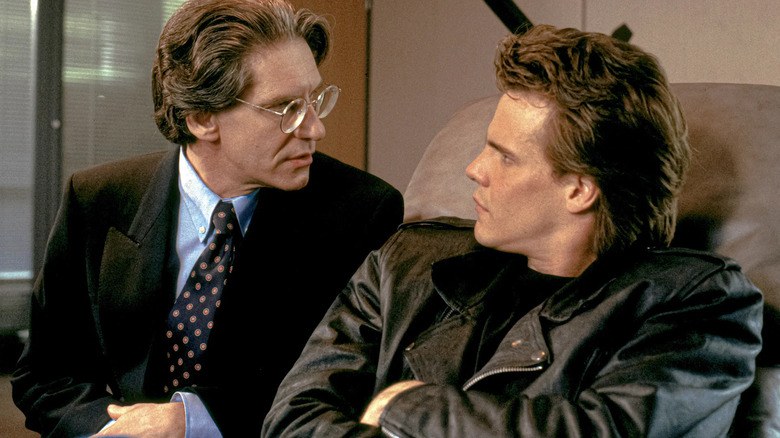
Directed by Clive Barker and based on his novella Cabal, Nightbreed introduces Midian—a subterranean sanctuary for monsters. The film subverts the horror genre by making the monsters the protagonists and the "normal" humans (led by David Cronenberg’s chilling Dr. Decker) the villains.
- The TV Potential: Midian is home to hundreds of unique creatures, each with a distinct backstory and "superpower." The film was notoriously butchered by the studio upon release, leaving much of Barker’s mythology on the cutting room floor. A series would allow for a "Star Wars-esque" expansion of this monster-underground, exploring the bureaucracy, religion, and history of the Breed.
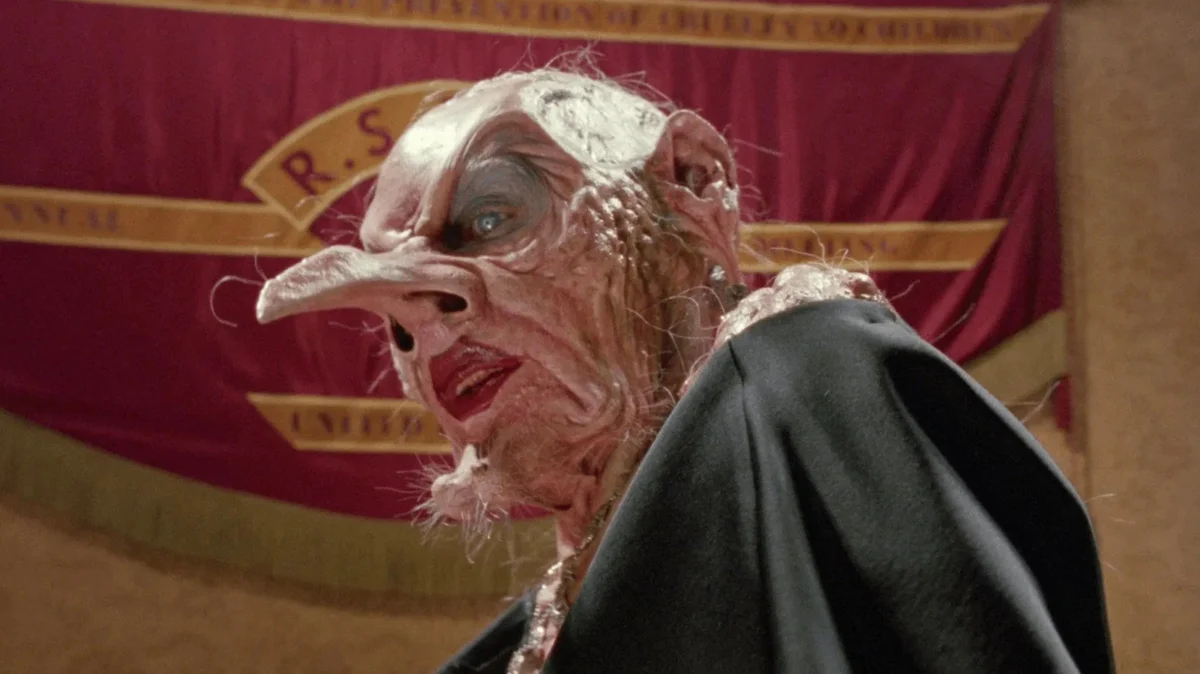
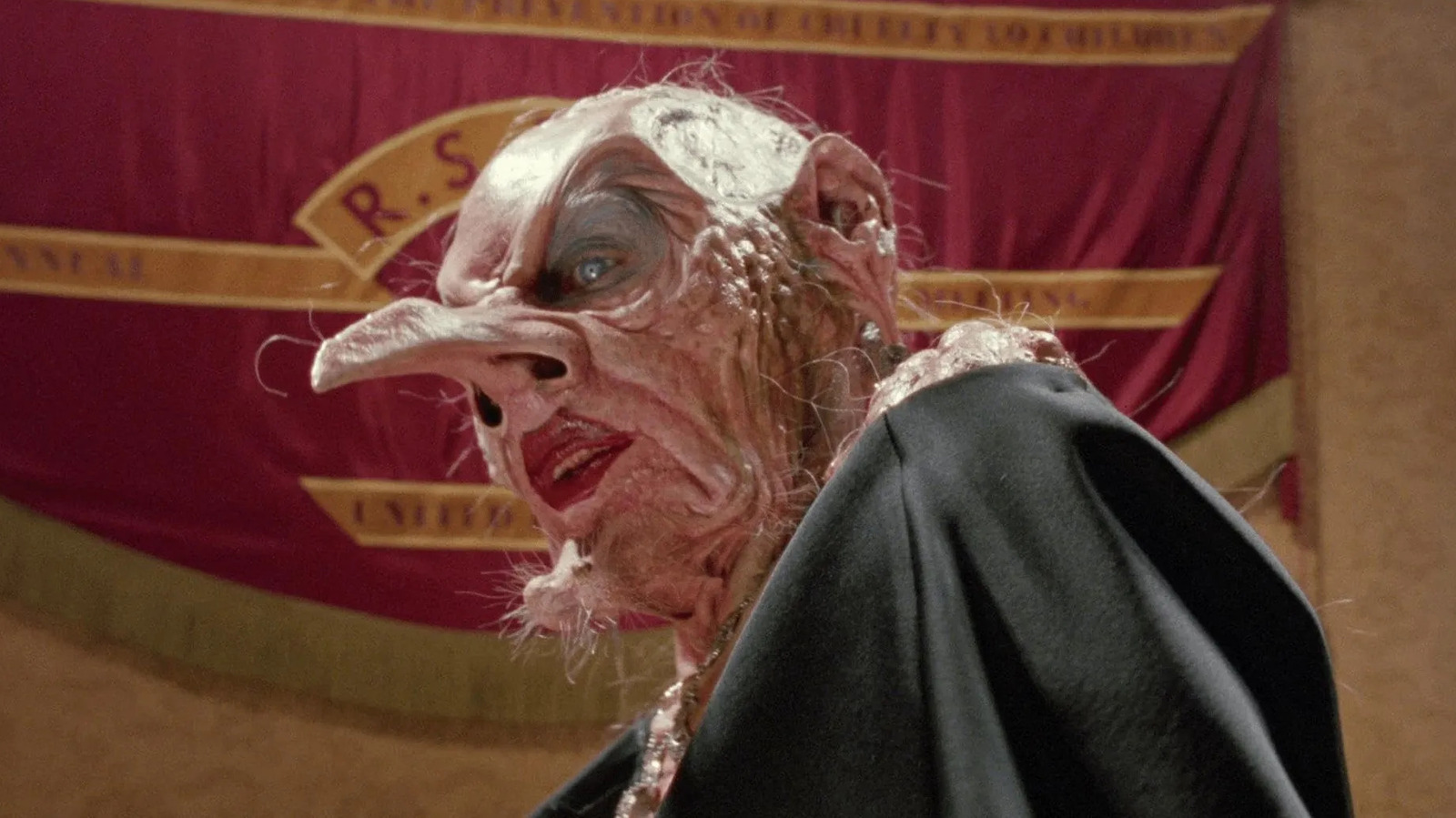
The Witches (1990)
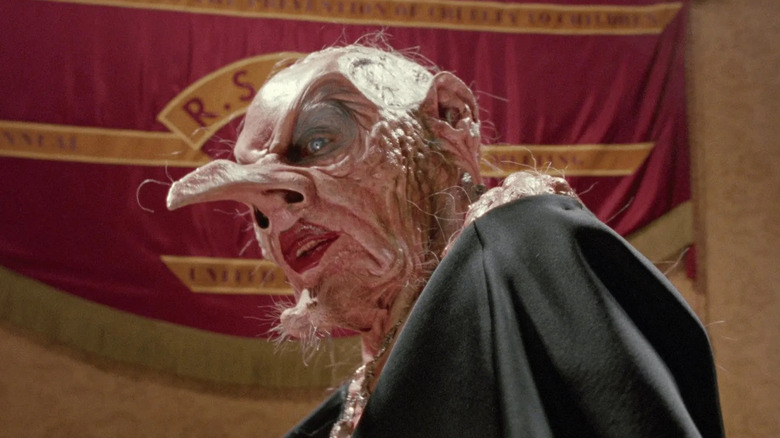
Nicolas Roeg’s adaptation of Roald Dahl’s novel is a masterclass in "hidden world" fantasy. It posits that witches are not fairy-tale tropes but a secret, organized society of child-hating predators living among us in plain sight.
- The TV Potential: A series could take a "Monster of the Week" approach, or more accurately, a "Witch of the Week." Following a secret society of "Witch Hunters" (perhaps a grandmother and grandson duo), the show could explore different regional covens across the globe, each with their own methods of blending into human society. It would be a dark, whimsical procedural for the "all-ages" demographic.
Big Fish (2003)
Tim Burton’s most emotional work deals with the mythologizing of a father’s life. Through the eyes of Edward Bloom, the American South becomes a landscape of giants, werewolves, and magical circuses.
- The TV Potential: Like Munchausen, Big Fish is built for an anthology format. A series could follow a young Edward Bloom (the "traveling salesman") as he encounters a new fantastical element in every town. The "present-day" framing device—an older Edward telling stories to his skeptical son—would provide the emotional anchor, turning the show into a weekly meditation on the power of storytelling.
3. Supporting Data: The Limitations of the "Two-Hour Window"
Industry data suggests that the fantasy genre benefits significantly from "slow-burn" storytelling. According to viewership metrics from platforms like HBO, fantasy series with heavy world-building (e.g., Game of Thrones) see a "cumulative engagement" increase as the seasons progress and the audience masters the "rules" of the world.
In the case of Nightbreed, the film features over 100 original creature designs by Image Animation. In a 102-minute film, most of these characters receive less than three seconds of screen time. In a 10-episode television season, these designs—costing thousands of dollars to produce—could be utilized as recurring characters, providing a significantly higher return on investment (ROI) for the production’s practical effects department.
Furthermore, Nausicaä represents a missed opportunity in Western syndication. While the film was a hit, the "Ghibli style" of episodic storytelling has proven immensely successful in series like Ronja, the Robber’s Daughter. Transitioning Nausicaä to a high-budget animated series would tap into the multi-billion dollar "prestige anime" market currently dominated by titles like Attack on Titan.
4. Official Perspectives and Industry Responses
While there are no current greenlights for all five properties, the industry has shown significant interest in these specific IPs over the years.
- The Nightbreed Legacy: Clive Barker has been vocal about his desire to see a Nightbreed series. In 2014, Morgan Creek Productions announced they were developing a show, and later, in 2020, Michael Dougherty (Trick ‘r Treat) was attached to direct a series for Syfy. Though development has been slow, Barker’s "official response" to the idea has always been one of enthusiastic support for expansion, noting that "Midian is a world, not a location."
- The Roald Dahl Estate: Following Netflix’s acquisition of the Roald Dahl Story Company for over $500 million in 2021, the "official" path for The Witches has changed. The estate has signaled that they are looking for "expansive, cinematic universes" for Dahl’s work, moving away from standalone films toward interconnected series.
- The Gilliam Factor: Terry Gilliam has famously struggled with the "theatrical machine," with many of his films suffering from budget cuts. A transition to a streaming model (similar to how Neil Gaiman’s The Sandman was handled) would provide the creative freedom Gilliam’s "Munchausen" world requires without the box-office pressure of a tentpole movie.
5. Implications: The Future of Fantasy World-Building
The implication of moving these films to television is a fundamental change in how we consume fantasy. We are moving away from the "Hero’s Journey" as a singular event and toward the "World’s Journey."
If Big Fish or The Adventures of Baron Munchausen were to become series, they would pioneer a "Fantastical Anthology" genre that has been largely absent since the days of The Storyteller. For Nightbreed and The Witches, the implication is a deepening of the "Urban Fantasy" genre, proving that horror and fantasy can coexist in a serialized format that explores the "Other" with empathy and detail.
Ultimately, these five films represent a "gold mine" of untapped narrative. By shifting the lens from the big screen to the small screen, creators can finally give these worlds the space they need to breathe, grow, and—most importantly—explain the magic that makes them so enduring. In the age of the "binge-watch," the most successful fantasy is no longer the one that ends with a "happily ever after" in two hours, but the one that invites you to stay for years.