
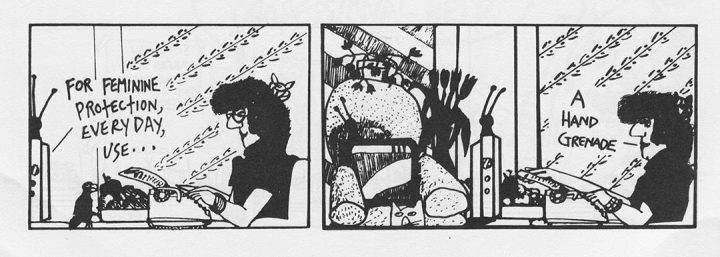
For Feminine Protection, Use a Hand Grenade: The Indomitable Legacy of Nicole Hollander (1939–2026)
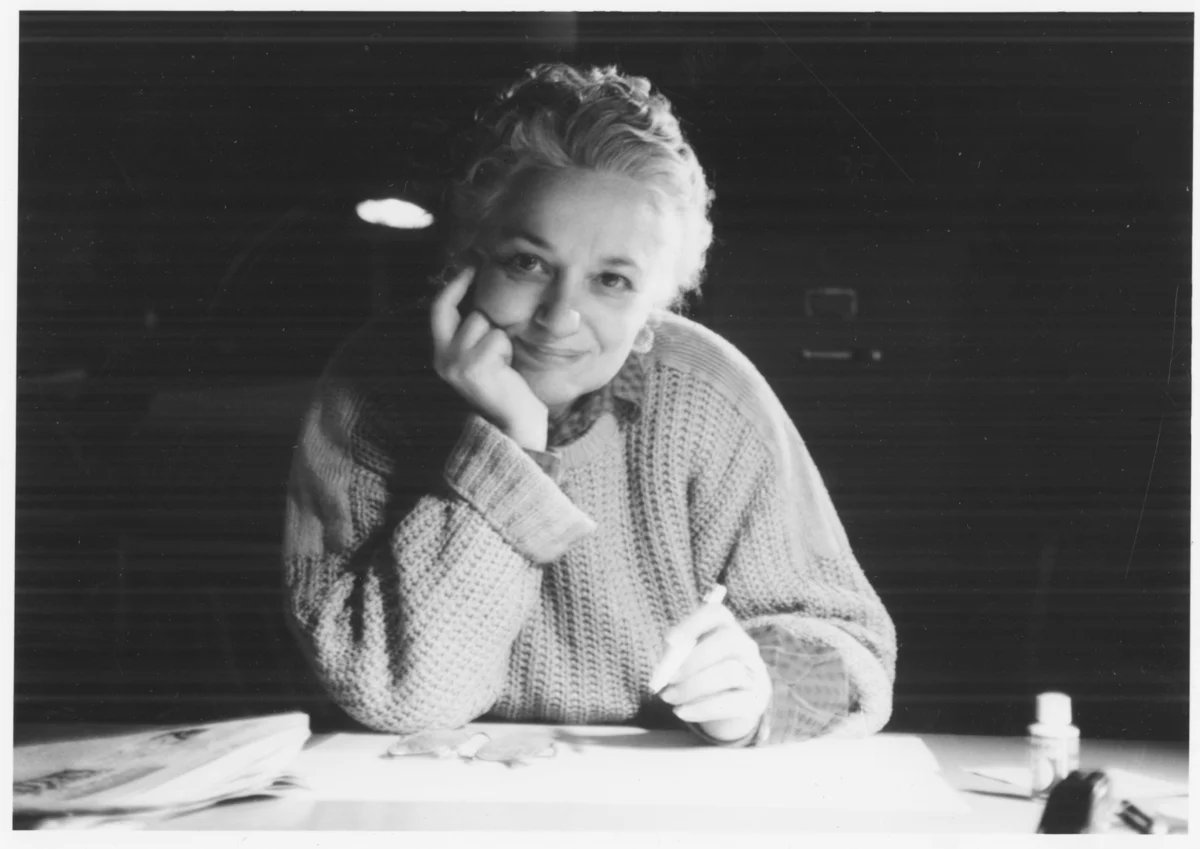
The world of American satire and sequential art lost one of its most acerbic, unapologetic, and pioneering voices on April 23, 2026. Nicole Hollander, the creator of the iconic syndicated comic strip Sylvia, passed away at an assisted living facility in her beloved Chicago, just weeks shy of her 87th birthday. For over three decades, Hollander’s eponymous character, Sylvia—a middle-aged, sharp-tongued, cigarette-wielding philosopher in a bathrobe—served as a beacon of feminist resistance and intellectual honesty on the otherwise often-staid daily comics pages of American newspapers.
Hollander did more than draw cartoons; she engineered a cultural shift. At a time when women on the funny pages were largely confined to the domestic anxieties of "Cathy" or the family-centric tropes of "For Better or For Worse," Hollander introduced a woman who talked back to the television, critiqued the patriarchy, and found more wisdom in her cats than in the political establishment.
Main Facts: A Career Defined by Creative Autonomy
Nicole Hollander was born Nicole Marilyn Garrison on the West Side of Chicago in 1939. While she began her career as a fine artist and graphic designer, it was the 1980 launch of Sylvia that cemented her place in the pantheon of American cartoonists. The strip, which ran until her retirement from the daily grind in 2012, was notable not only for its content but for its business model. Frustrated by the lack of vision from traditional syndicates, Hollander took the then-unprecedented step of self-syndicating the strip for a significant portion of its run.
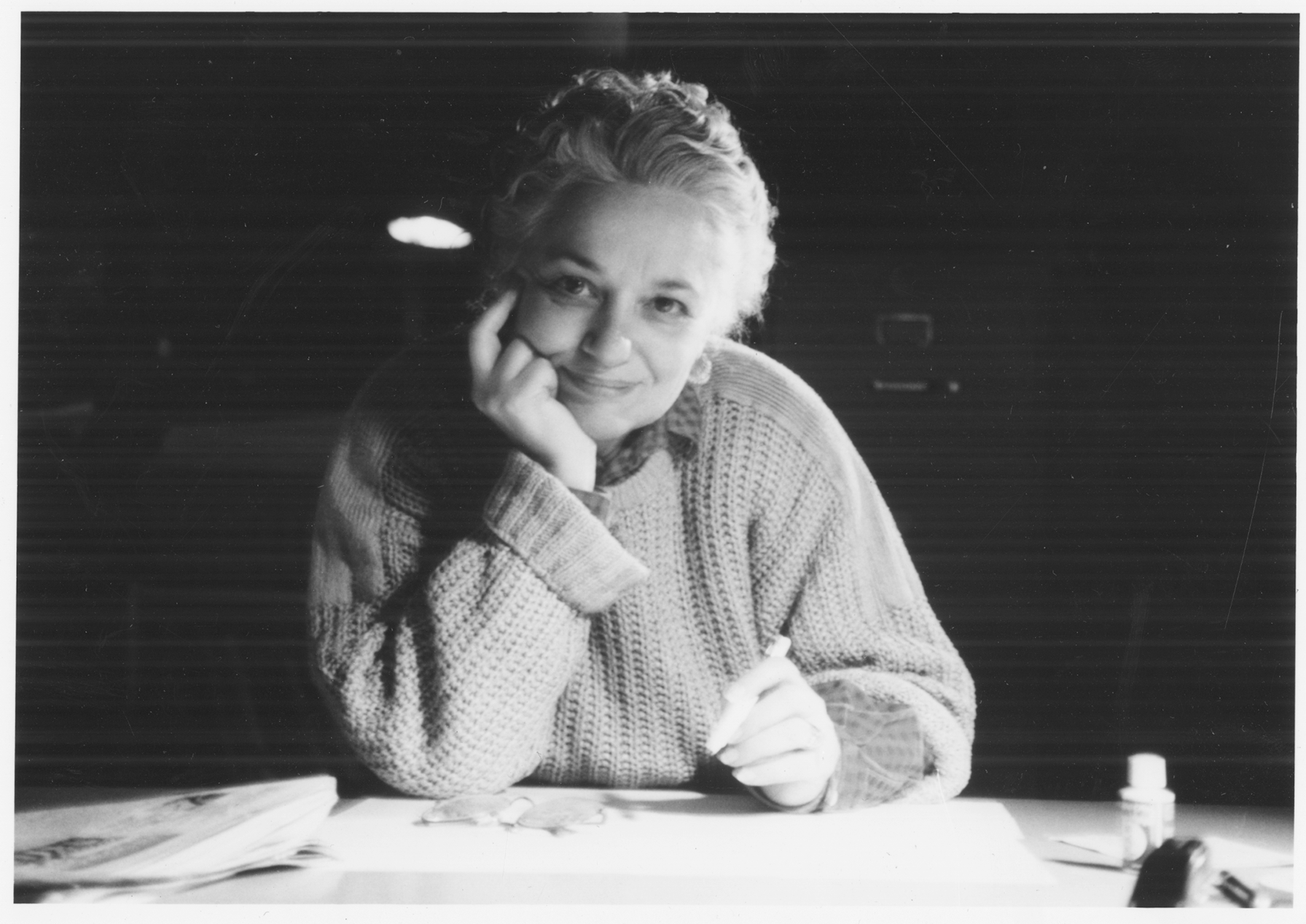
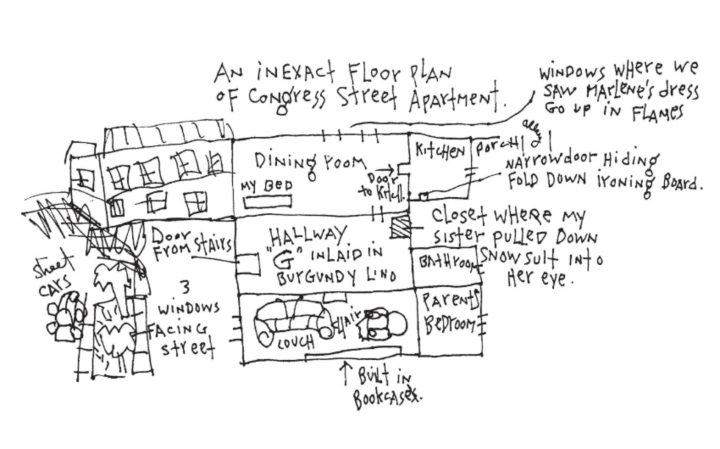
Throughout her career, Hollander published dozens of books, including the best-selling I’m in Training to be Tall and Blonde and her 2018 graphic memoir, We Ate Wonder Bread. Her work was characterized by a "loose" aesthetic—a blend of minimalist line work, collage, and heavy use of white-out—that prioritized the biting truth of the dialogue over the polish of the illustration.
Chronology: From the West Side to the National Stage
The Formative Years (1939–1966)
Hollander’s artistic sensibilities were forged in the ethnic melting pot of mid-century Chicago. The daughter of Henry Garrison, a carpenter and labor activist, and Shirley Mazur Garrison, a woman Hollander described as "funny without giving it a second thought," Nicole grew up surrounded by strong, opinionated women. These women—her mother and her friends Esther and Olga—would eventually provide the DNA for Sylvia.
She pursued a formal education in the arts, earning a B.F.A. from the University of Illinois at Urbana-Champaign in 1962 and an M.F.A. from Boston University in 1966. During this period, she married sociologist Paul Hollander; though they divorced in 1966, she retained the surname that would eventually become a household name in the world of satire.
The Rise of a Feminist Icon (1970–1980)
The 1970s saw Hollander find her political and professional footing. Working as the graphic designer for the feminist publication The Spokeswoman, she began contributing political cartoons that eventually evolved into a feature titled The Feminist Funnies. This work caught the attention of publishers, leading to her first book and, eventually, a syndicate deal.
When Sylvia launched in 1980, Hollander was 40 years old—an age when many artists are settled in their careers. For Hollander, it was just the beginning. She entered a market where the "daily comics page was at its boring low point," according to graphic novelist Derf Backderf. "The door was slammed shut to any work that was edgy or quirky. Somehow Nicole squeezed through a crack."
The Sylvia Era and Self-Syndication (1980–2012)
Sylvia was a revelation. Modeled after Hollander’s mother and her "deadpan friend Esther," the character of Sylvia took up space, both physically and intellectually. She was often depicted in profile, sitting at a table or in front of a TV, providing a running commentary on the absurdity of modern life.
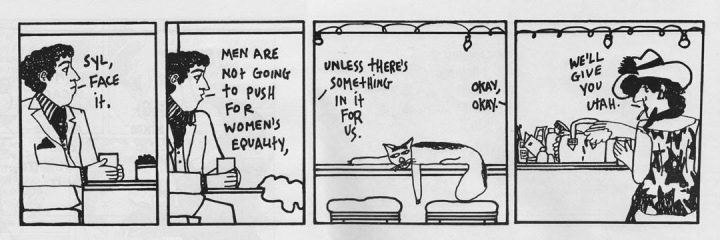
In the early 1980s, Hollander made the radical decision to self-syndicate. This move allowed her to maintain absolute creative control, ensuring that Sylvia’s "leftie" politics and subversive humor remained unwatered by corporate interests. She managed to place the strip in major markets including Chicago, New York, and San Francisco, appealing to an urban, educated, and largely female readership that had been ignored by the "legacy" strips.
Late Career and Legacy (2012–2026)
After retiring the daily strip in 2012, Hollander did not retreat from public life. She turned her attention to the theater, producing one-woman shows like Return to Lust and Plastic Surgery or a Real Good Haircut. In 2018, she released her magnum opus, We Ate Wonder Bread, a graphic memoir that Alison Bechdel described as "animated" and "vibrant," elucidating the "delicious internal logic" of Hollander’s childhood.
Supporting Data: The Artistic Process and Philosophy
Hollander’s work was often compared to that of Jules Feiffer and Garry Trudeau for its "talking heads" format, but her process was uniquely her own. Coming from a fine arts background, she initially struggled with the repetitive nature of daily cartooning.
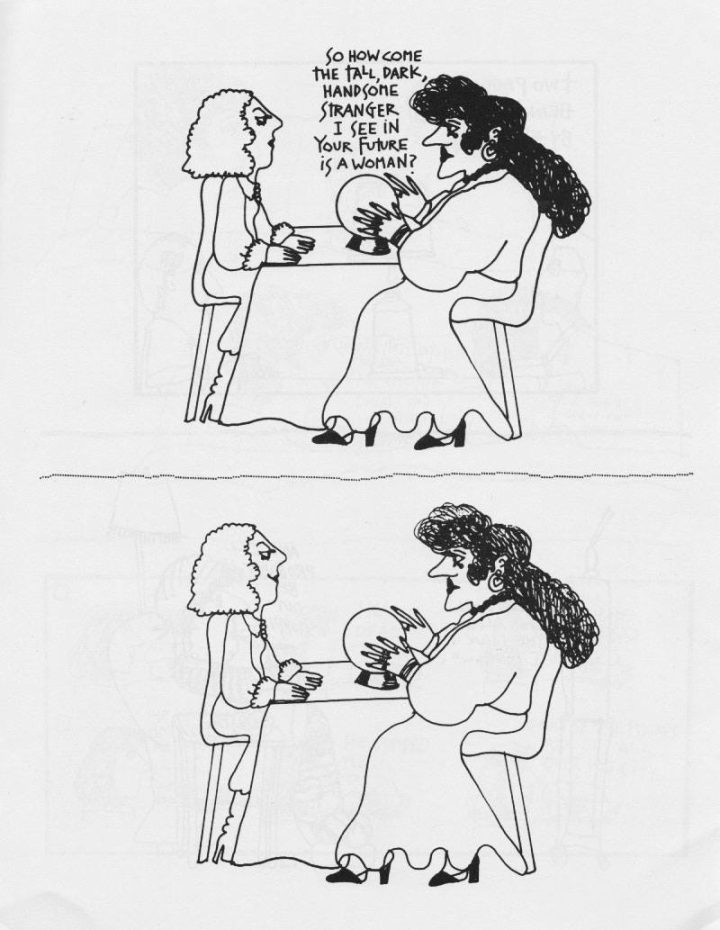
To combat the "tedium" of drawing, Hollander embraced a proto-digital collage style. She would photocopy frequently used poses—Sylvia at the typewriter or sitting in her chair—and paste them into panels. If an arm needed to be moved, she would cut it off and redraw just that section. This "clean and clear" look, achieved through layers of Avery stick-on labels and white-out, ensured that the camera only picked up the essential blacks of the line work.
"The words could be whatever I wanted," Hollander once told The Comics Journal. "I had this limitation that only the blacks showed. That was very helpful so I could make changes and make mistakes and go back."
Official Responses and Tributes: A "Creative Insurgency"
The news of Hollander’s passing prompted a wave of tributes from the cartooning community, highlighting her role as a mentor and a pioneer.
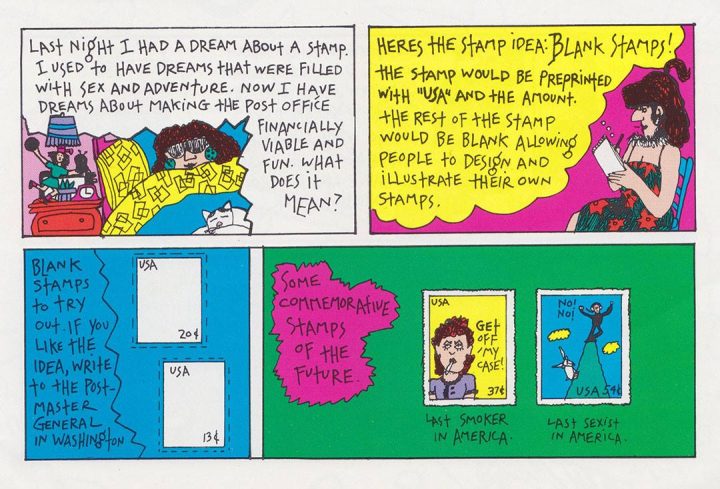
Liza Donnelly, New Yorker cartoonist: "Hollander’s work said: We can say feminist things in cartoons! She was syndicated and she published mainstream books. Her drawings were a subconscious influence for me when, later in the 1980s, I started drawing snarky women making fun of men."
Jan Eliot, creator of Stone Soup: "Nicole made me feel completely welcome… She had put me on a path that eventually led to the syndication of Stone Soup. She was a terrific speaker, really engaged the crowd and got lots of laughs."
Hilary Price, creator of Rhymes with Orange: "What I loved about Nicole Hollander and her comic strip is that her character Sylvia unapologetically took up space. She was neither slender nor blonde, and thus a complete anomaly on the comics page. She was the kind of cat lady that makes Republicans nervous."
Caitlin McGurk, Curator at the Billy Ireland Cartoon Library & Museum: "Nicole bravely self-syndicated Sylvia… in order to keep creative control and reach her audience directly. Her papers show the considerable amount of work involved in that decision… Her cartoons remain just as relevant today."
Implications: The Enduring Relevance of Sylvia
The passing of Nicole Hollander marks the end of an era for the American newspaper strip, but the implications of her work continue to resonate. At a time when the rights of women and the role of the media are under renewed scrutiny, Sylvia’s voice remains a necessary corrective.
1. Representation and the "F-Word"
Hollander was one of the few mainstream creators who refused to shy away from the label "feminist." By centering a middle-aged woman who was neither a mother nor a wife in the traditional sense, she expanded the boundaries of what female characters could be. Sylvia was a philosopher of the mundane and the political, proving that women’s voices didn’t need to be "cute" to be heard.
2. The Pioneer of Independent Syndication
Before the internet allowed artists to reach audiences directly, Hollander proved it could be done through sheer business savvy and grit. Her success as a self-syndicated artist provided a blueprint for the "alt-weekly" movement and the webcomic revolution that followed.
3. Preservation of the Chicago Voice
Through the Billy Ireland Cartoon Library & Museum, Hollander’s archives—filled with fan mail, "Sylvia look-alike" contest photos, and early graphic design work—will serve as a primary resource for historians of the feminist movement and the Chicago arts scene.
Nicole Hollander did not just draw a comic strip; she conducted a "creative insurgency" from her drawing table in Chicago. As her friend and collaborator Gina Barreca aptly noted, Hollander "got a kick out of people" and "paid attention." In return, a generation of readers paid attention to her, finding in Sylvia the courage to be sarcastic, the right to be political, and the wisdom to know that, sometimes, the only thing that makes sense in a mad world is the company of a cat and a very sharp retort.


Leave a Comment