From Corporate Conflict to Alice Tully Hall: The Tumultuous Journey of Luca Guadagnino’s ‘Artificial’
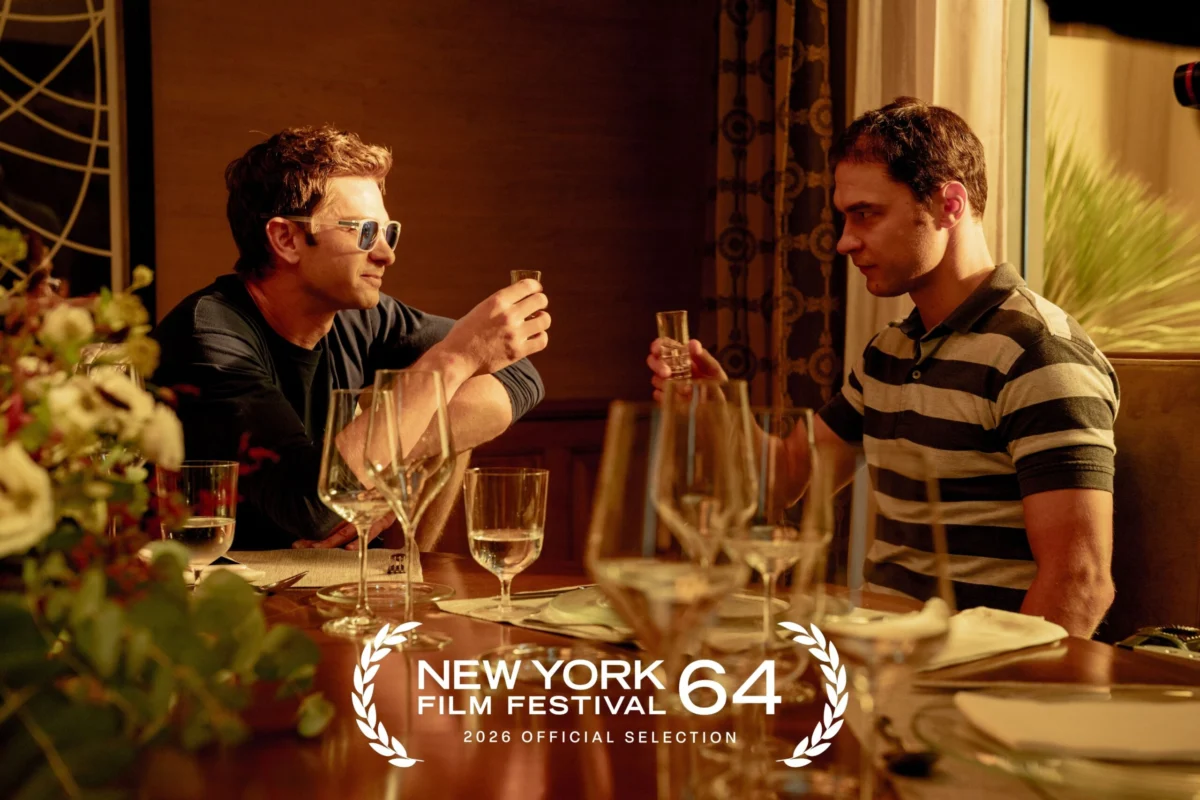
The intersection of Silicon Valley’s high-stakes power plays and Hollywood’s prestige filmmaking has rarely produced a narrative as fraught with real-world drama as Luca Guadagnino’s Artificial. In a development that has sent shockwaves through the film industry, the New York Film Festival (NYFF) recently announced the late-breaking addition of Artificial to its 64th Main Slate. The film, a dramatization of the rise of OpenAI and its enigmatic leader Sam Altman, is set to celebrate its world premiere on October 5 at Alice Tully Hall.
The announcement serves as a triumphant capstone to a "wild few weeks" for the production, which saw the film nearly buried by corporate interests before being rescued by the indie powerhouse Neon. As Guadagnino prepares to return to his frequent creative home at Film at Lincoln Center, Artificial stands as one of the most anticipated and controversial projects of the year—a cinematic "headlong plunge" into the existential anxieties of the AI era.
Main Facts: A Star-Studded Exploration of the AI Precipice
Artificial is directed by Academy Award nominee Luca Guadagnino, working from a screenplay by Simon Rich (Man Seeking Woman, Saturday Night Live). The film features a high-profile ensemble cast led by Andrew Garfield as Sam Altman, the co-founder and CEO of OpenAI whose brief ousting and subsequent reinstatement in late 2023 became a global news sensation.
The narrative is not a mere surface-level biopic; rather, it is described as a "thrilling, funny, and very human" drama that spans two decades of technological evolution. It traces the lineage of machine learning from its academic roots in 2003 to the current "AI crisis point." Joining Garfield are Yura Borisov, who portrays Soviet-born computer scientist Ilya Sutskever, and Academy Award winner Mark Rylance as Geoffrey Hinton, the "Godfather of AI" whose real-life departure from Google to warn about the dangers of the technology adds a layer of somber reality to the film’s themes.
The film’s world premiere at the 64th New York Film Festival marks Guadagnino’s fifth appearance at the prestigious event, following the successes of Call Me by Your Name, Bones and All, Queer, and After the Hunt. The premiere will include an in-person appearance by Guadagnino and members of the principal cast, signaling Neon’s intent to position the film as a major contender for the upcoming awards season.
Chronology: Production, Conflict, and the Neon Rescue
The production history of Artificial is as complex as the technology it depicts. The project was originally set up at Amazon MGM in early 2025, with the studio providing the significant resources required for a period-spanning tech drama. Production moved swiftly, and the film was completed by the fall of 2025.
However, the film’s future was thrown into jeopardy in June 2026. The parent corporation, Amazon, entered into a landmark $50 billion deal with OpenAI. Under the terms of this massive partnership, OpenAI agreed to utilize Amazon Web Services (AWS) as its primary cloud functionality provider. Almost immediately following the announcement of this corporate alliance, reports emerged that Amazon MGM was dropping Artificial from its release slate.

Industry analysts pointed to a clear conflict of interest: Amazon, now a primary financial and infrastructure partner to Sam Altman’s OpenAI, found itself in the awkward position of distributing a film that reportedly explores the "technocratic recklessness" and "gray areas" of Altman’s career. The optics of a $50 billion partner releasing a "clear-eyed horror" film about its collaborator were untenable for the Seattle-based giant.
The film entered a brief period of limbo, with many wondering if a project so critical of the tech industry’s most powerful figures could find a home in a landscape dominated by tech-owned streamers. The answer came almost immediately when Neon, the distributor behind Parasite and Anatomy of a Fall, stepped in to acquire the rights. Neon’s swift move not only saved the film from the "corporate vault" but also ensured it would receive a traditional theatrical push and a high-profile festival rollout.
Supporting Data: The Real-World Stakes of the AI Narrative
The urgency surrounding Artificial is bolstered by the real-world events that have occurred since the film was first greenlit. The screenplay by Simon Rich reportedly delves deep into the friction between the original non-profit mission of OpenAI and its eventual pivot toward a multi-billion-dollar "capped-profit" entity.
Key historical data points integrated into the film include:
- The 2003 Genesis: The film begins at the University of Toronto, where Ilya Sutskever studied under Geoffrey Hinton. This period is crucial for understanding the "neural network" breakthroughs that laid the foundation for modern Generative AI.
- The Google Era: The narrative follows Sutskever to Google, highlighting the moment when the search giant dominated the AI landscape before the emergence of OpenAI.
- The Altman/Sutskever Intersection: The film dramatizes the fateful meeting between Sutskever and Sam Altman, exploring the ideological divide between those who viewed AI as a scientific endeavor and those who saw it as a commercial revolution.
By covering twenty years of research, the film provides a historical context that many news reports lack, illustrating how academic curiosity transformed into what the festival calls a "doomsday moment."
Official Responses: "A Movie for Its Moment"
The New York Film Festival’s leadership has been vocal about why Artificial was a necessary, if late, addition to the Main Slate. Dennis Lim, the NYFF Artistic Director, offered a sobering assessment of the film’s impact and tone.
"The most remarkable thing about Luca Guadagnino’s sly and sobering new film is that it finds the perfect tone to tell the story of how we arrived at the AI precipice," Lim stated. He further emphasized that the film avoids the traps of simple hagiography or parody, instead opting for a blend of "clear-eyed horror, dark humor, and a sense of existential urgency."

The festival’s official announcement further characterized the project as Guadagnino’s "biggest swing yet." This is significant given the director’s diverse filmography, which ranges from lush romances to visceral horror. By tackling the "increasing gray areas between human and machine, truth and lie," Guadagnino is stepping into the role of a social commentator, using the medium of film to interrogate the forces shaping the 21st century.
Implications: Cinema as a Check on Technocracy
The saga of Artificial carries profound implications for both the film industry and the broader cultural conversation regarding artificial intelligence.
1. The Question of Corporate Censorship
The fact that Amazon MGM dropped the film following a deal with OpenAI raises uncomfortable questions about the future of creative independence. As tech conglomerates like Amazon, Apple, and Google continue to dominate the film distribution landscape, the risk of "corporate sanitization" grows. Artificial’s journey suggests that while the streamers may provide the budgets, they may also be susceptible to suppressing content that critiques their business partners. The role of independent distributors like Neon becomes even more vital as a safeguard for provocative storytelling.
2. The Definitive Tech Drama of the Decade
Critics are already drawing comparisons between Artificial and David Fincher’s The Social Network. While Fincher’s film captured the birth of social media and the loss of privacy, Guadagnino’s film arrives at a moment where the stakes are arguably higher: the potential obsolescence of human agency. By casting Andrew Garfield—an actor known for portraying intense, morally complex figures—as Altman, the film promises to provide a psychological profile of a man who holds the keys to a technology that could redefine civilization.
3. Awards Season and Festival Strategy
By premiering at NYFF on October 5, Artificial is positioned at the heart of the fall festival circuit. This timing is designed to build critical momentum heading into the winter. Guadagnino has a proven track record of translating festival buzz into Academy Award nominations. If Artificial lives up to its "moral urgency," it could dominate the conversation, forcing the industry to reckon with the very technology—AI—that is currently a point of contention in labor disputes and creative copyright battles within Hollywood itself.
4. Public Perception of AI
Finally, the film has the potential to shift public perception of OpenAI and Sam Altman. While Altman has been a regular fixture in Congressional hearings and tech keynotes, a Guadagnino-led dramatization offers a different kind of scrutiny. Through the lens of "dark humor" and "horror," the film may crystallize the public’s abstract fears into a tangible narrative, making the "AI crisis point" feel personal rather than purely technical.
As the 64th New York Film Festival approaches, all eyes will be on Alice Tully Hall. Artificial is no longer just a movie; it is a flashpoint for the ongoing struggle between artistic expression and the burgeoning power of the technocratic elite. In the hands of Luca Guadagnino, the story of how we arrived at this "precipice" is set to be the cinematic event of the season.