From Design Pariah to Industry Challenger: Unpacking Canva’s Controversial Ascent
Canva, the once-maligned graphic design tool, is undergoing a seismic shift. Once relegated to the realm of amateur enthusiasts and dismissed by seasoned professionals, the platform is aggressively positioning itself as a serious contender in the competitive design landscape. Recent strategic acquisitions, a burgeoning AI integration, and a relentless pursuit of user-friendly innovation are forcing the industry to re-evaluate its perception of this digital design democratizer. Yet, despite its undeniable growth and expanding capabilities, a lingering stigma persists, leaving many creatives hesitant to openly embrace what was once considered a design faux pas.
The narrative surrounding Canva has been one of rapid evolution, marked by an initial perception of superficiality that has gradually been challenged by its increasing sophistication. This journey from a perceived "easy" alternative to a tool capable of supporting professional workflows begs the question: why does the design community still grapple with admitting their use of Canva, and can it truly shed its amateur roots to gain widespread professional acceptance?
The Humble Beginnings: A Tool for the Uninitiated
Canva’s inception in 2013 was met with a mixed reception, largely polarizing the design community. For many, it represented a democratization of design, empowering individuals and small businesses to create visually appealing content without the steep learning curve or prohibitive cost associated with industry-standard software like Adobe Photoshop and Illustrator. The platform’s intuitive drag-and-drop interface, vast library of templates, and readily available stock imagery made graphic design accessible to a broader audience than ever before.
However, this very accessibility, which fueled its popularity, also became the source of its stigma. Professional designers, who had invested years in honing their craft and mastering complex software, often viewed Canva as a superficial tool that produced generic and uninspired results. The prevalence of templated designs, while convenient, was seen as a shortcut that undermined the principles of thoughtful design, originality, and strategic execution. In professional circles, the phrase "it looks like it was made in Canva" became a thinly veiled insult, implying a lack of skill and creative depth.
This perception was further cemented by the platform’s initial focus. Canva was primarily adopted by individuals in marketing, social media management, and small business owners who needed quick, presentable graphics for their online presence. These users often lacked formal design training and relied on Canva’s pre-designed elements to assemble their visuals. Consequently, the output, while functional, frequently lacked the nuance, bespoke creativity, and strategic consideration that a professional designer brings to a project. The ease of use, a key selling point, was interpreted by some as a sign of a "dumbed-down" product, incapable of supporting the sophisticated demands of professional design work.
The Shifting Landscape: Social Media and the Demand for Speed
The rise of social media platforms and the increasing importance of visual content in digital marketing created a fertile ground for Canva’s growth. As businesses and individuals alike recognized the need for a consistent and engaging online presence, the demand for quick, on-brand visuals skyrocketed. This shift in the market created a new set of challenges and expectations for designers.
Employers began seeking creatives who were not only skilled in traditional design principles but also adept at producing a high volume of content rapidly across multiple platforms. The ability to seamlessly integrate copy, design, and strategic thinking into a single workflow became increasingly valuable. In this environment, Canva, with its speed and ease of use, began to emerge from the shadows, offering a solution to this evolving demand.
While professional designers initially remained loyal to their established tools, the practical demands of the modern workplace began to create a rift. Many found themselves needing to create quick social media assets, presentations, or internal documents that didn’t necessarily warrant the full power (and time investment) of Adobe Creative Suite. This is where Canva started to bridge the gap, offering a pragmatic solution for time-sensitive tasks. However, the platform’s early reputation continued to cast a long shadow, making it difficult for designers to openly admit to using it without facing potential judgment.
The Acquisition Era: A Bid for Professional Credibility
Canva’s strategic approach to market expansion has been characterized by bold acquisitions, signaling a clear intent to move beyond its perceived limitations and compete with established industry leaders. The acquisition of Affinity, a suite of professional-grade creative software known for its powerful design capabilities and one-time purchase model, was a significant turning point. This move demonstrated Canva’s ambition to integrate more robust design functionalities into its ecosystem, directly challenging the dominance of Adobe.
This acquisition, alongside a continuous stream of user-friendly innovations and the integration of advanced features, began to shift the narrative. Canva was no longer just a template-based tool; it was evolving into a comprehensive design platform. The company’s leadership, while acknowledging its accessible roots, started to articulate a vision that positioned Canva as a valuable tool for professionals, capable of scaling projects and serving as a central hub for asset creation and brand management.
Canva’s official statements, such as those made to Creative Bloq in 2023, reflected this strategic pivot. While admitting that Canva wasn’t a direct replacement for tools like Figma or Adobe, the company emphasized its role in streamlining workflows and making creative assets accessible. This nuanced positioning aimed to assuage the fears of professional designers while highlighting the platform’s growing capabilities.
The Professional Push: AI, Ecosystems, and Data-Driven Growth
In recent years, Canva has doubled down on its pursuit of professional credibility. The acquisition of motion design software Calvary further solidified its commitment to building a comprehensive "professional creative ecosystem." This expansion into areas like animation and motion graphics signaled a clear intent to cater to a wider range of professional creative needs, moving beyond static design into more dynamic content creation.
The platform’s embrace of artificial intelligence has also been a significant driver of its evolution. Canva’s AI tools, designed to assist with content generation, image editing, and even entire brand campaign creation from simple text prompts, are rapidly enhancing its capabilities. This move into AI places Canva in direct competition with the AI initiatives of industry giants like Adobe, demonstrating its commitment to staying at the forefront of technological advancements in design.
Supporting these developments is compelling data. A study conducted between May 2025 and April 2026 revealed that Canva attracted an astonishing 144.5 billion web visits. This metric unequivocally demonstrates the platform’s immense popularity and its exponential growth, highlighting its significant impact on how people create and consume visual content. Despite this overwhelming data, a segment of the design community remains unconvinced, clinging to the ingrained perception of Canva as an amateur tool.
The Lingering Stigma: "That Looks Like It Was Made in Canva"
Despite Canva’s significant advancements and undeniable market traction, the stigma associated with its origins persists. The phrase "that looks like it was made in Canva" continues to be used as a derogatory remark, implying a lack of originality, sophistication, or professional polish. This perception is deeply entrenched within certain design circles, particularly among those who view themselves as purists of traditional design disciplines.
The reasons for this lingering skepticism are multifaceted. Firstly, the sheer ubiquity of Canva’s templates means that many designs, while functional, can appear derivative. For experienced designers who value unique visual identities and bespoke solutions, the reliance on templates can feel like a compromise on artistic integrity.
Secondly, the platform’s user-friendly interface, which is a major strength for accessibility, can also be perceived as a limitation by professionals accustomed to the granular control and advanced features of software like Photoshop. The "dumbed-down" perception, though arguably outdated, still influences how some professionals view the tool’s capabilities. This sentiment was powerfully articulated in a Reddit thread on r/graphic_design, where one user lamented: "Canva is for enthusiastic design amateurs, perhaps working in marketing, that think they don’t need a real designer. The kind of people who incorrectly believe design is ‘subjective’. This is why the percentage of sh***y design out there in the world is ever increasing." Another user starkly contrasted it with professional tools: "Canva is a dumbed-down program made for people who aren’t designers to limp their way through making stuff… There is no way to compare a Ferrari (Photoshop) to a golf cart."
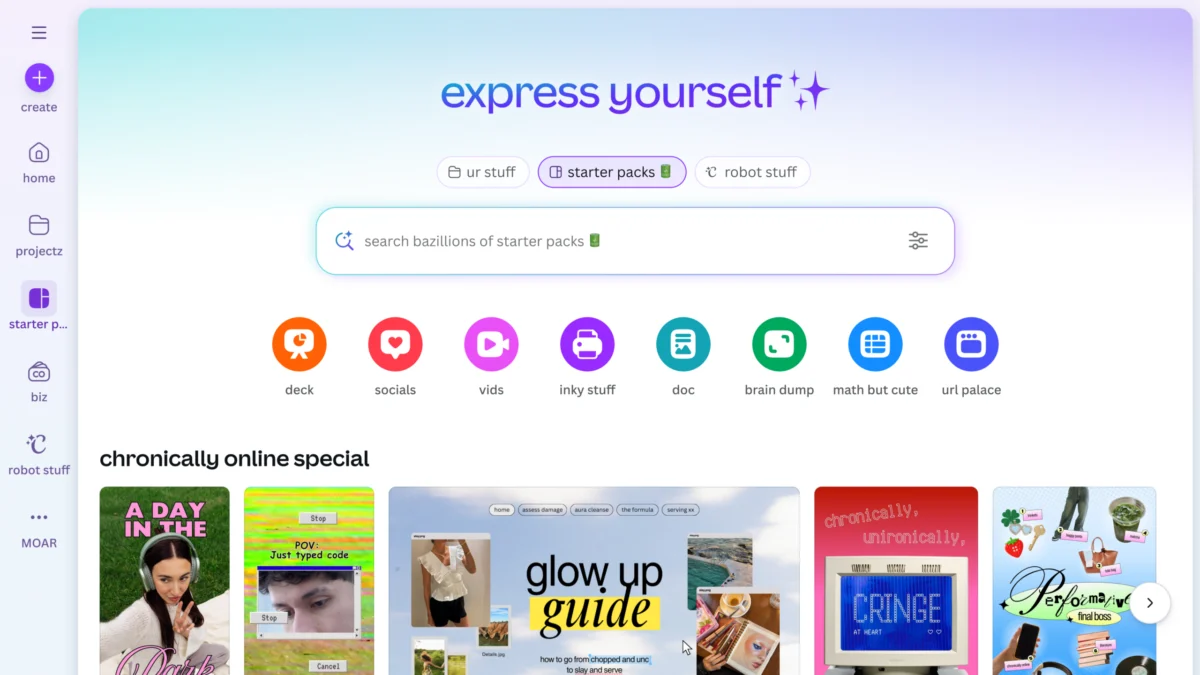
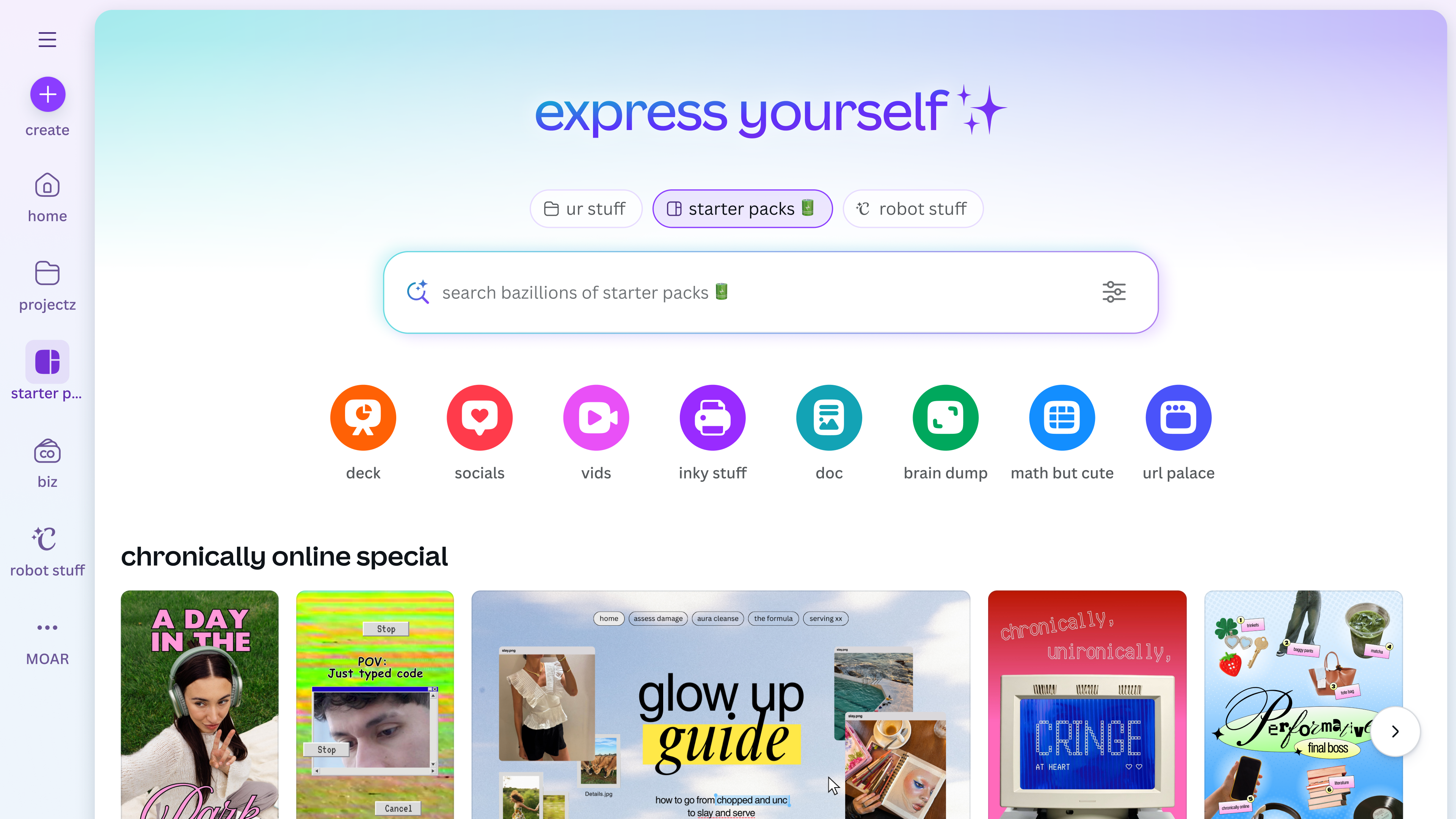
Furthermore, Canva’s attempts to engage with popular culture, such as introducing a "Chronically Online" language mode or collaborating with personalities like Gemma Collins, can be seen by some as a contradiction to its professional aspirations. This duality – the pursuit of professional credibility alongside playful, trend-driven features – creates a perception of inconsistency. Critics argue that until Canva definitively sheds its overtly playful and amateur-friendly image, it will struggle to fully win over the more discerning segments of the design industry.
The Road Ahead: Embracing the Identity
Canva’s journey from a niche tool for hobbyists to a significant player in the design software market is a testament to its adaptability and strategic vision. The platform has successfully democratized design, empowered countless individuals and businesses, and is now actively challenging the established order. However, the question of whether it can fully shed its amateur past and earn universal respect within the professional design community remains a subject of debate.
The future success of Canva in the professional sphere may depend on its ability to navigate this identity crisis. While its user-friendly nature and broad accessibility are undeniable strengths, a continued emphasis on the depth and sophistication of its professional-grade tools, alongside strategic marketing that highlights its advanced capabilities, will be crucial.
Ultimately, the design industry’s perception of Canva is a complex interplay of its historical roots, its rapid evolution, and the inherent biases within a field that often values exclusivity and technical mastery. As Canva continues to innovate and expand its offerings, it will undoubtedly force a further reckoning within the design world, challenging preconceived notions and potentially redefining what it means to be a professional designer in the digital age. Whether the embarrassment of admitting to using Canva will eventually fade, replaced by a pragmatic acceptance of its powerful capabilities, remains to be seen. The platform’s trajectory suggests that the "Canva stigma" may be a relic of the past, slowly but surely being eroded by the relentless march of progress and innovation.