The Phoenix of VR Fitness: Supernatural’s Transition to Independence and the Launch of the ‘Legacy Edition’

The landscape of virtual reality fitness is undergoing a seismic shift as one of its most prominent titles, Supernatural, prepares for a historic transition. In a move that signals both a return to roots and a leap into a new era of independent development, the popular workout platform has officially debuted its "Coming Soon" page on the Meta Horizon Store. This marks the beginning of the end for Meta’s direct stewardship of the app and the dawn of Supernatural Health, an independent entity led by the platform’s original visionaries.
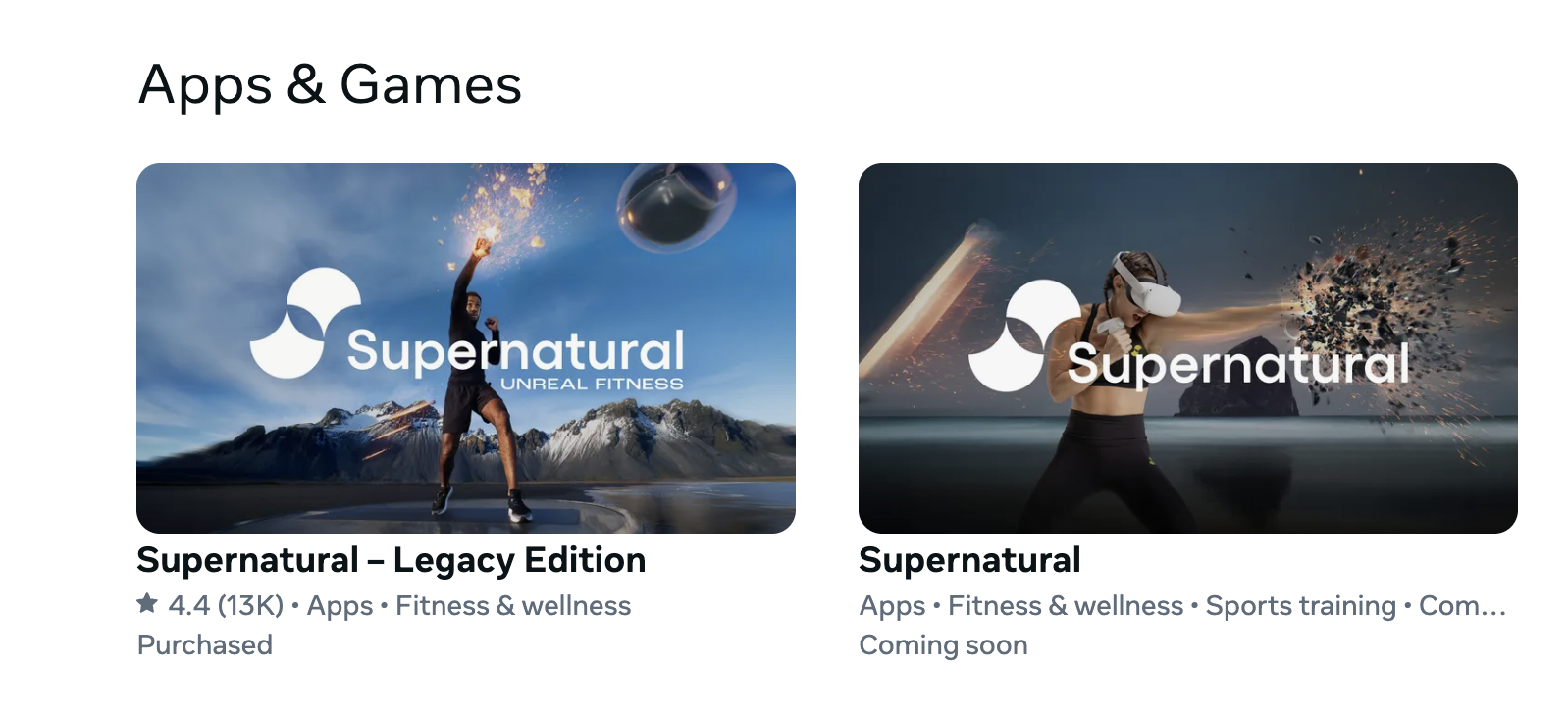
The transition is not merely a backend administrative change; it is a full-scale rebranding and technical migration. As of late August 2024, the existing Supernatural application has been renamed Supernatural – Legacy Edition, effectively setting a shelf life for the version developed under Meta’s umbrella while clearing the path for a revamped, independent successor.
Main Facts: A Tale of Two Apps
For current "athletes"—the term Supernatural uses for its dedicated user base—the Meta Horizon Store now presents a dual reality. Searching for the app reveals two distinct listings: the Legacy Edition, which current subscribers already own, and the new Supernatural, which is currently available for wishlisting ahead of its anticipated Fall launch.
This separation is a strategic necessity for the migration of user data, subscription models, and content delivery. The new app is being developed by Supernatural Health, the company formed specifically to reclaim the experience after Meta opted to cease internal development earlier this year.
Key Technical and Operational Updates:
- The Rebranding: The original app is now Supernatural – Legacy Edition.
- The New App: A separate listing titled Supernatural is live for wishlisting, signifying the independent relaunch.
- Sunset Date: Meta’s Legacy Edition will remain operational until December 3, 2026, giving users a two-year window to transition to the new platform.
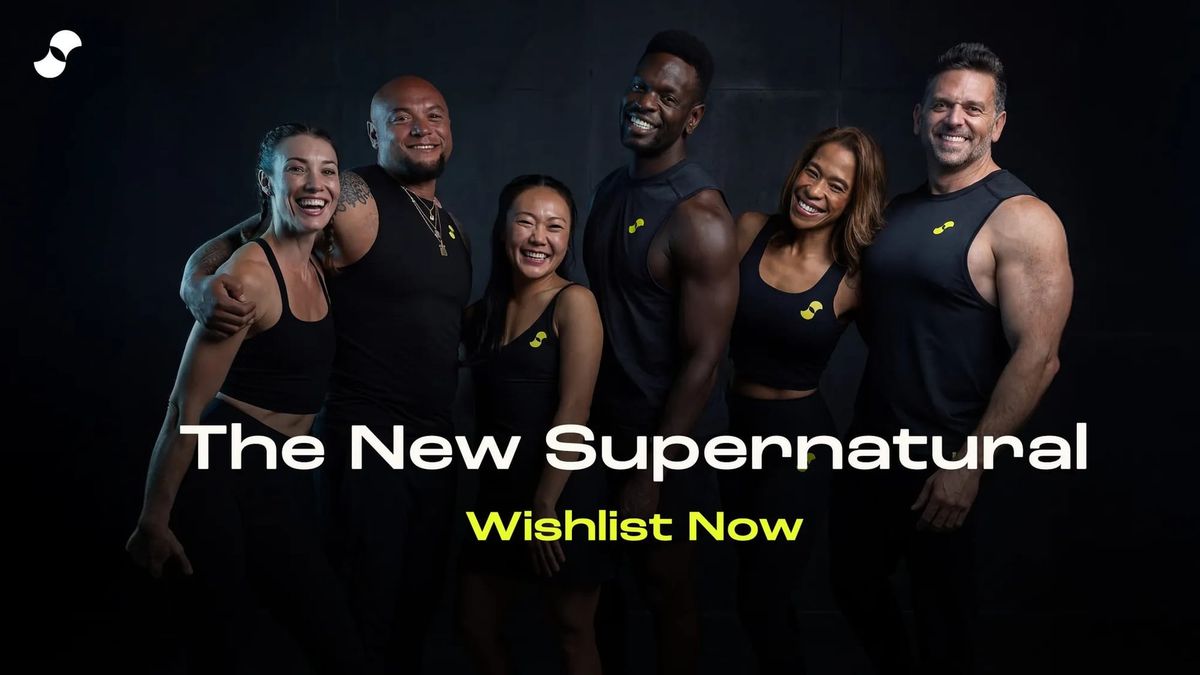
- Visual Enhancements: Coach Mark Harari has confirmed that the new app will feature workouts, music, and environments presented in "higher definition," leveraging the advanced processing power of the Quest 3.
- Content Continuity: Core modalities like Boxing and Flow will return, supported by the original roster of six coaches.
Chronology: From Acquisition to Independence
To understand the weight of this relaunch, one must look back at the tumultuous three-year journey of Within, the original developer of Supernatural.
2021–2023: The Meta Acquisition and FTC Battle
In late 2021, Meta announced its intention to acquire Within. The move was immediately met with scrutiny from the Federal Trade Commission (FTC), which filed a lawsuit to block the deal on the grounds that it would stifle competition in the VR fitness market. After a protracted legal battle, a federal judge ruled in Meta’s favor in early 2023, allowing the acquisition to proceed for an estimated $400 million.
January 2024: The Sudden Pivot
Despite the hard-fought victory to own the platform, Meta’s internal priorities shifted. In January 2024, amid broader corporate restructuring and a pivot toward "efficiency," Meta ended new development on Supernatural and laid off a significant portion of the team. For months, the future of the premier VR fitness service remained in limbo.
June 2024: The Birth of Supernatural Health
In a rare move for the tech industry, Meta announced it would allow the original founders of Within to form a new independent company, Supernatural Health, to take the reins. This deal allowed the founders to reclaim their intellectual property and continue the service outside of Meta’s corporate structure.
August 2024: The Horizon Store Split
The appearance of the "Coming Soon" page and the renaming of the Legacy Edition represent the first tangible steps in this handoff. The Fall 2024 launch window has been set, and the marketing push to move the user base has begun in earnest.
Supporting Data: Leaner Operations and New Pricing Models
The transition from a Big Tech subsidiary to an independent startup has necessitated a radical shift in operational scale. According to Leanne Pedante, Supernatural’s Head of Fitness, the new company is operating with a remarkably lean team.
Workforce Comparison
At its peak under Meta, the Supernatural team consisted of nearly 200 employees, ranging from software engineers to high-end video production crews. The new Supernatural Health is launching with a core team of approximately 15 people. This 92% reduction in headcount suggests a shift toward a more sustainable, "community-first" business model that focuses on core features rather than the expansive R&D typical of Meta’s Reality Labs.
Subscription and Pricing
Maintaining a high-production VR service—which includes daily new workouts and licensed hit music—requires significant revenue. The new pricing structure for Supernatural Health has been set at:
- Monthly: $20
- Annual: $200
- Founding Member Discount: Athletes who register via the official website ahead of the launch can secure a first-year annual rate of $180.
This pricing places Supernatural in the "premium" tier of fitness apps, comparable to the digital-only subscriptions of Peloton or Les Mills, reflecting the high costs of music licensing and the "higher definition" video production promised for the new app.
Official Responses: Reassuring the "Athlete" Community
The transition has been met with a mix of anxiety and excitement from the user base. To address these concerns, the leadership team and the coaches—who function as the face of the brand—have been vocal on social media and within the app itself.
Coach Mark Harari, a fan favorite, took to the Official Supernatural Community on Facebook to stir excitement. He emphasized that the independent move isn’t just about survival, but about improvement. "The new app will bring back the Boxing and Flow you love, but with fresh workouts and environments that look better than ever," Harari noted, specifically highlighting the "higher definition" assets that the team has been developing.
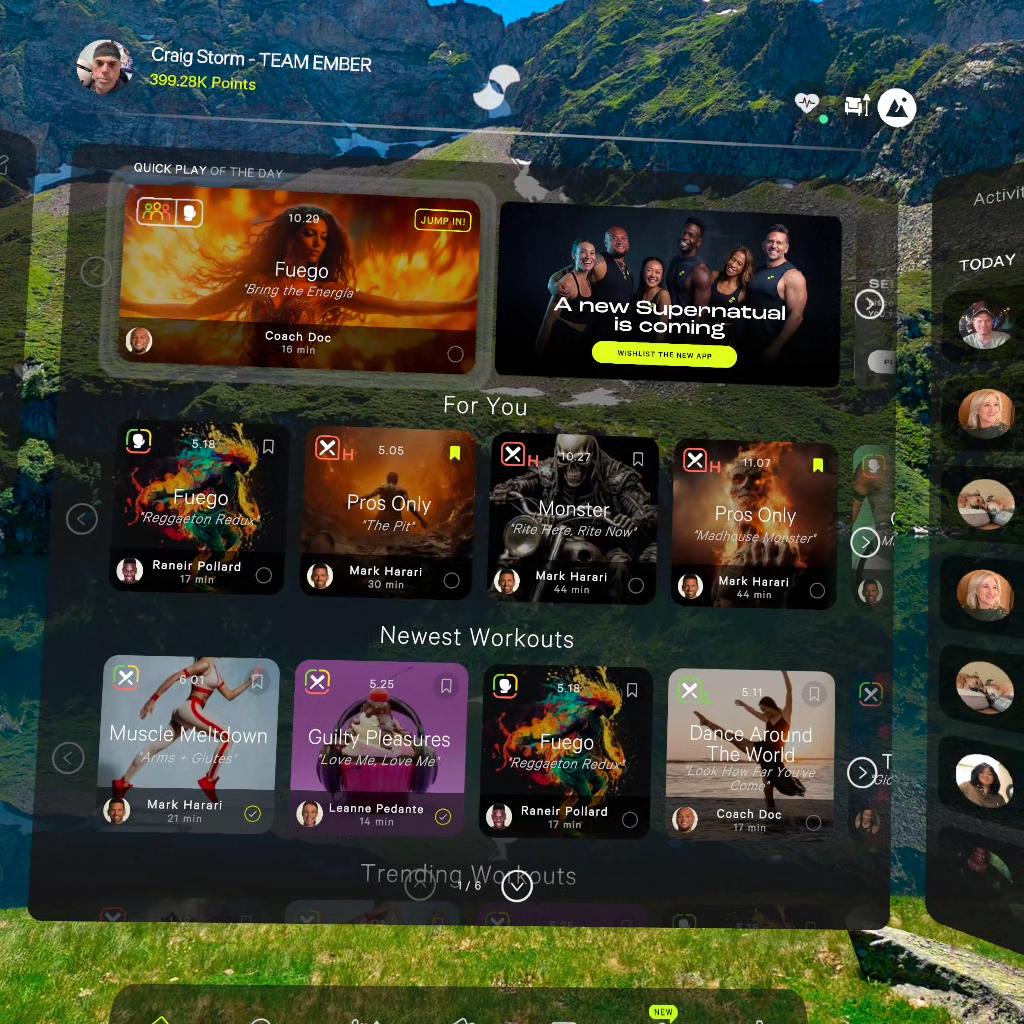
Inside the Legacy Edition app, a video message (captured on Quest 3) now greets users, urging them to wishlist the new version. The messaging is clear: the Legacy version is a bridge, but the future of the community lies in the new, independent listing.
Leanne Pedante’s confirmation that all six original coaches are returning was a pivotal moment for brand loyalty. In the world of fitness, the relationship between the instructor and the participant is the primary driver of retention. By retaining the original talent, Supernatural Health has mitigated the risk of a mass exodus during the platform migration.
Implications: The Future of VR Subscriptions and Meta’s Strategy
The Supernatural saga serves as a case study for the evolving VR ecosystem. There are several broader implications for the industry:
1. The Viability of Independent High-End VR
Can a 15-person team maintain a service that previously required 200? If Supernatural Health succeeds, it will prove that VR "Live Services" can be profitable as independent entities without the backing of a trillion-dollar parent company. This could encourage other developers to pursue subscription models for niche, high-quality content.
2. Meta’s Exit from Content Creation
Meta’s decision to spin off Supernatural suggests a strategic withdrawal from being a primary content publisher in certain sectors. While Meta still owns studios like Beat Games (Beat Saber), the Supernatural deal indicates that Meta may prefer to act as the "platform" (the Horizon Store and Quest hardware) rather than the "provider," avoiding the high operational costs of daily content production.
3. The "Legacy" Precedent
By keeping the Legacy Edition live until late 2026, Meta and Supernatural Health are setting a standard for how to sunset VR software responsibly. Often, when a VR studio shuts down, the app becomes "brickware"—unusable and deleted from libraries. This two-year transition period respects the financial investment of the users and provides a generous window for data migration.
4. Technical Evolution
The promise of "higher definition" environments suggests that the independent team is optimizing specifically for the Quest 3 and the upcoming Quest 3S. By shedding the baggage of older codebases, the new app can utilize advanced features like improved passthrough for Mixed Reality (MR) workouts, which have become a cornerstone of modern VR fitness.
Conclusion
The relaunch of Supernatural as an independent entity is a high-stakes gamble on the loyalty of its community and the efficiency of a lean startup. While the "Legacy Edition" serves as a reminder of the platform’s corporate past, the new "Coming Soon" page represents a future where the original creators have total control over their vision. For the thousands of users who rely on the platform for their daily health regimen, the message is one of continuity: the coaches are staying, the music is playing, and the workout is just getting started.
As the Fall launch approaches, all eyes will be on Supernatural Health to see if they can deliver a premium experience that justifies its "founding member" price tag in an increasingly competitive VR fitness market.