
From Titan’s Ashes to Overwatch’s Triumph: A Decade of Evolution and Resilience
Ten years after its groundbreaking debut, the architects behind the beloved hero shooter reflect on its tumultuous journey, from the catastrophic cancellation of a flagship MMO to the triumphant launch and ongoing evolution of a global phenomenon.
The genesis of Overwatch, a game that has captivated millions with its vibrant characters and dynamic gameplay, is a tale woven with threads of failure, resilience, and unwavering creative passion. To mark its 10th anniversary, Polygon sat down with five key members of the development team – Aaron Keller, Walter Kong, Pete Lee, Scott Lawlor, and Dion Rogers – many of whom have been instrumental since the game’s earliest conceptual stages. Their collective narrative paints a vivid picture of a project born from the ashes of a monumental failure, shaped by ambitious pivots, and ultimately forged into a cultural touchstone.
The Shadow of Titan: A Monumental Collapse
The story of Overwatch cannot be told without first acknowledging the specter of Titan, Blizzard Entertainment’s ambitious but ultimately doomed MMO. The dream of a sprawling, next-generation online world crumbled under the weight of its own ambition, a fate that left the core development team in a state of profound uncertainty.
"We were struggling with Titan, and I remember just before the end of that project, we had a big team-wide playtest," recalls Aaron Keller, who now helms the Overwatch team. "It didn’t go very well." He recounts a particularly telling moment: a prop apple in a virtual city that was larger than a character’s head. "It was just kind of representative of one of many pieces of that project that weren’t going right," Keller explains, highlighting a fundamental breakdown in scale and fundamental game design.
The cancellation of Titan was a devastating blow. "It was devastating, because a lot of us had worked on Titan for five or six years," says Keller. "We built up this world and became very invested in it." He vividly remembers "The White Chair Meeting," the somber gathering where the project’s demise was announced, and the chilling finality of seeing Titan archived, its digital existence erased. Walter Kong, another veteran of the team, succinctly describes the experience as "a fairly painful failure."
The Crucible of Rebirth: Forging a New Vision
In the wake of Titan‘s cancellation, a smaller, core group of passionate developers found themselves at a crossroads. While the company explored reallocating resources to bolster established titles like World of Warcraft, this dedicated faction harbored a fervent desire to create something entirely new from the wreckage.
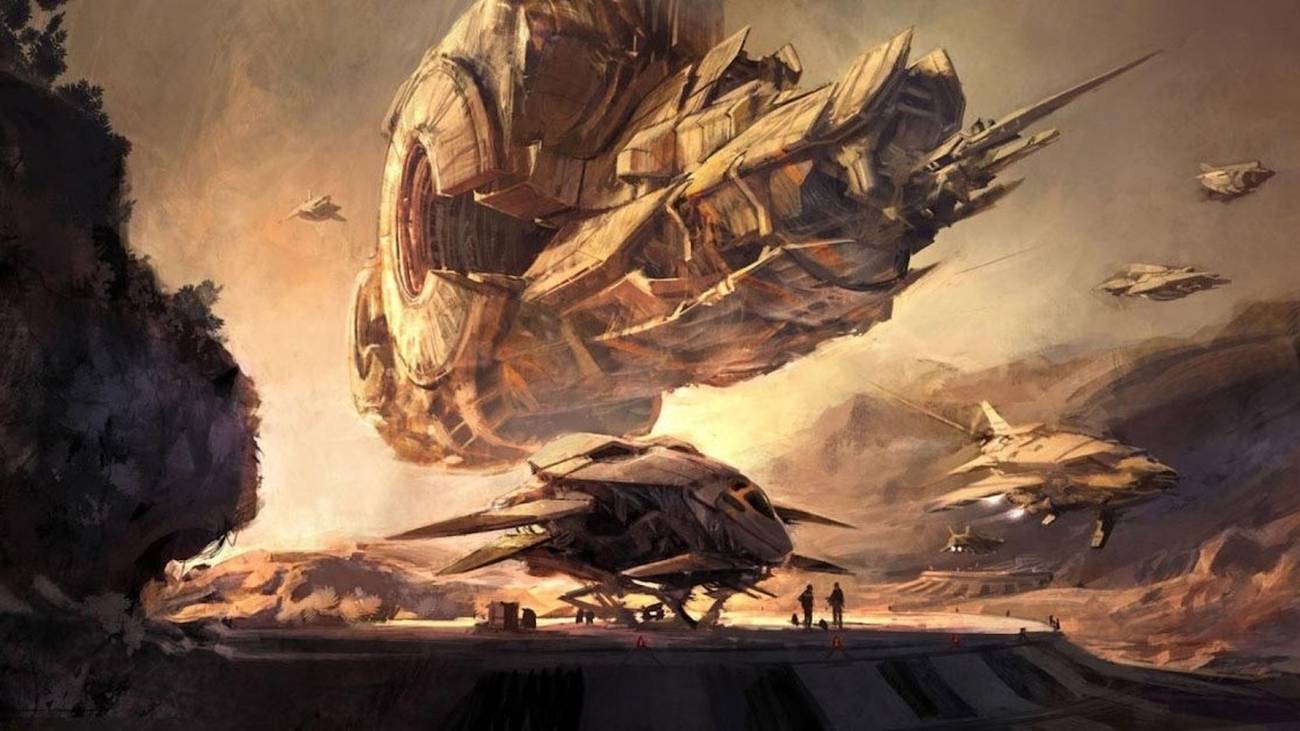
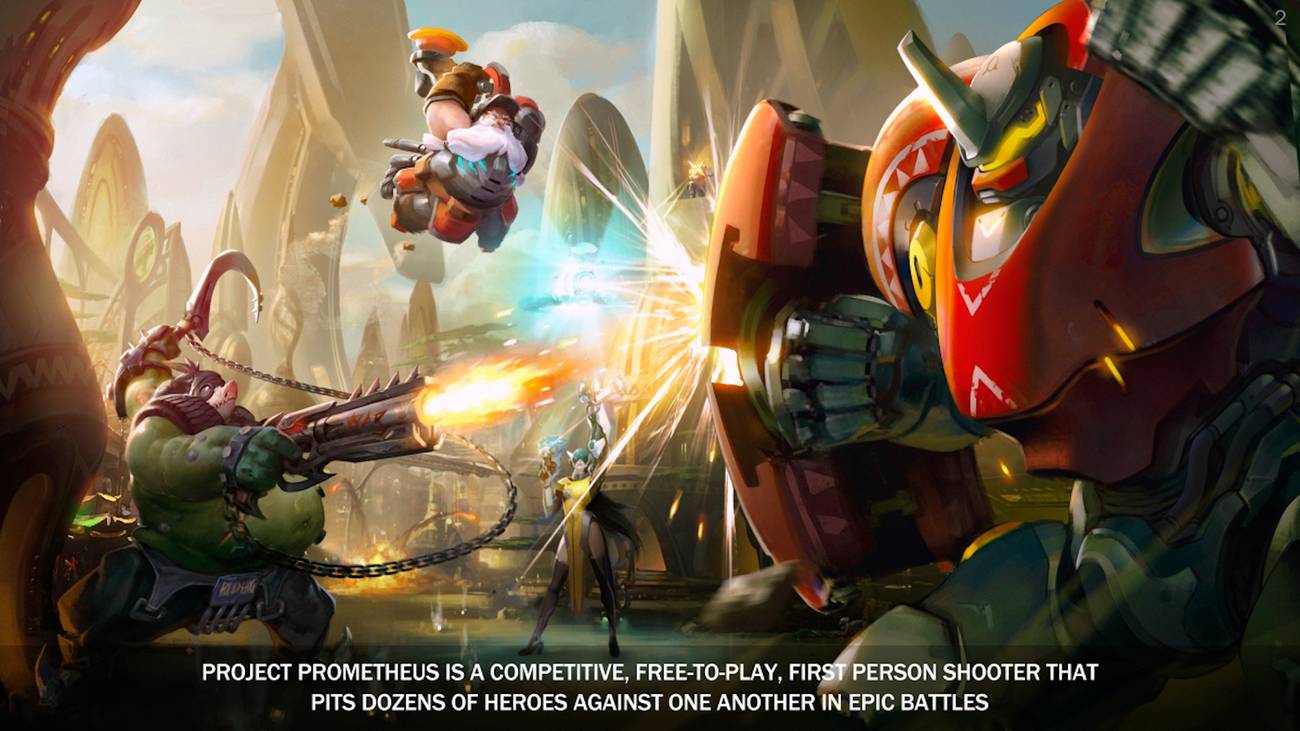
"There was a group of people that were very passionate about creating something new for Blizzard and had a very strong desire to essentially fight for the right to build something new out of the ashes of the previous game," explains Kong. This led to a period of intense ideation, a rapid prototyping of concepts that would eventually coalesce into the foundation of Overwatch.
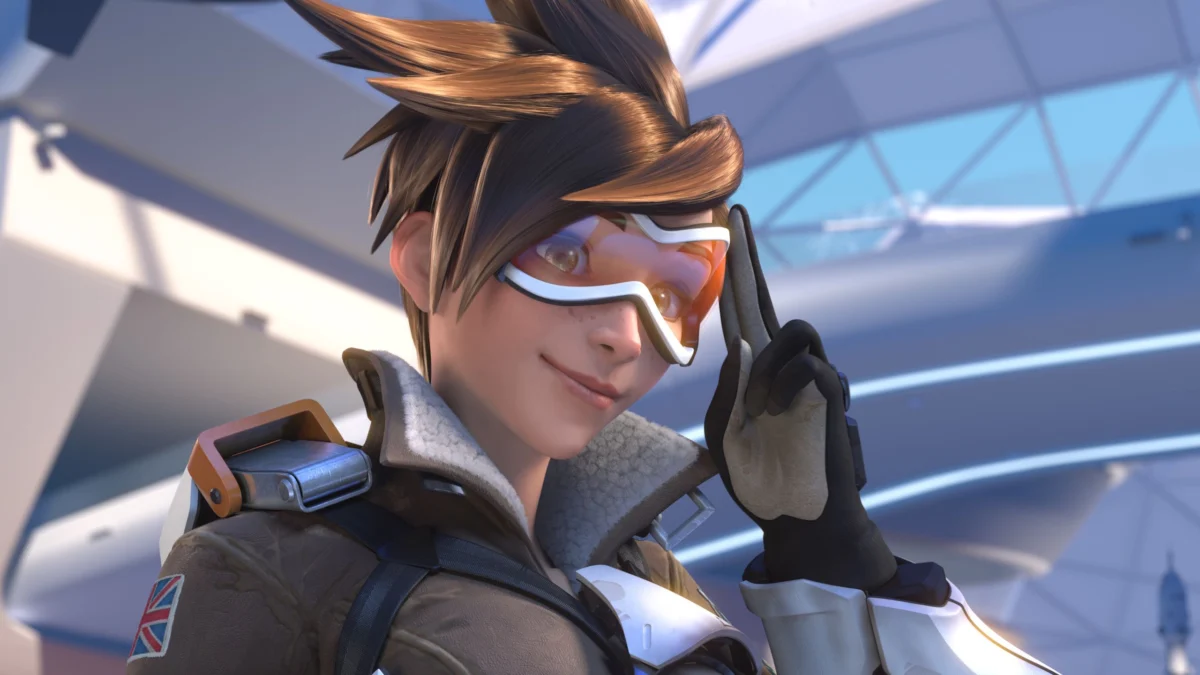
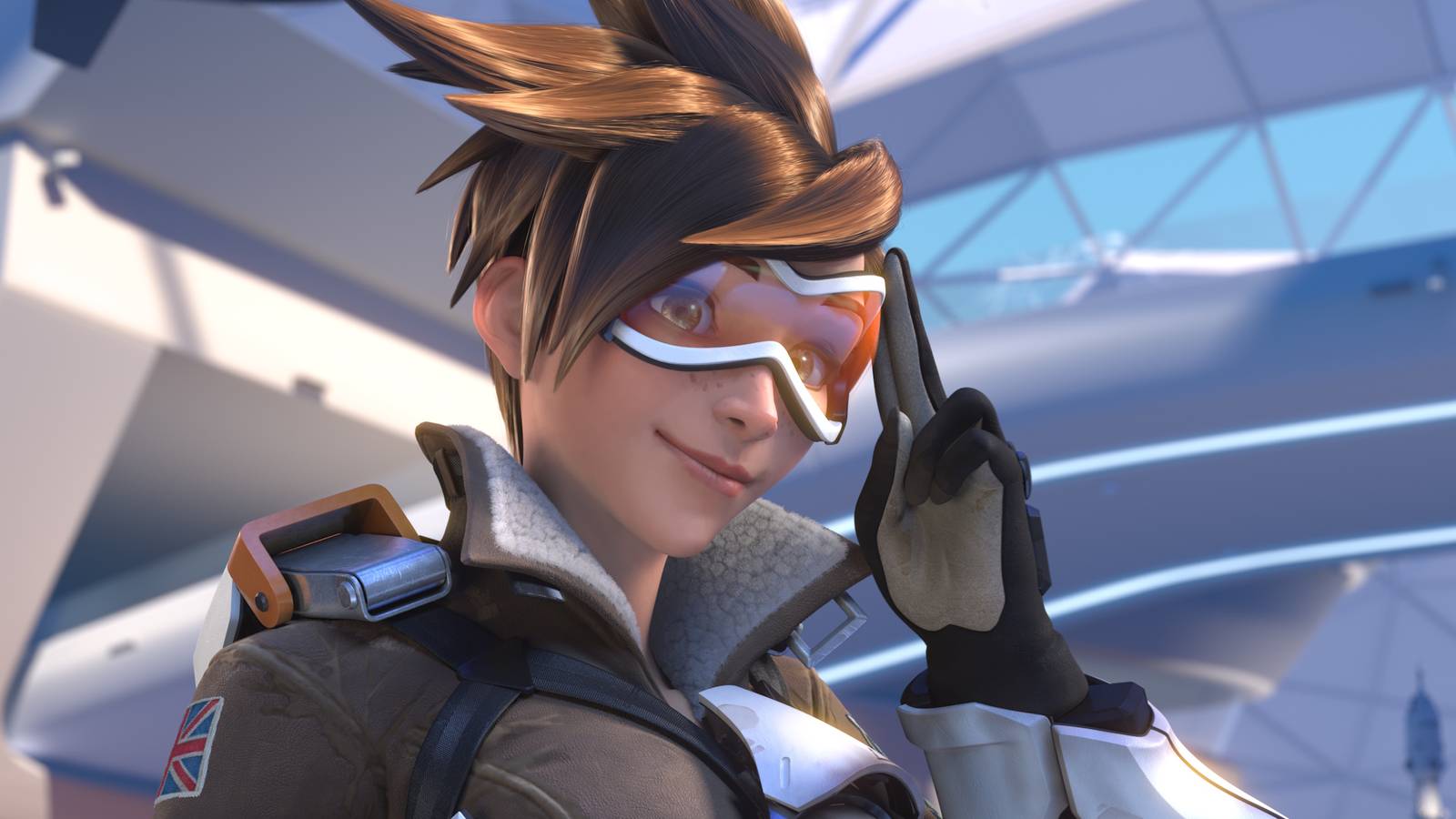
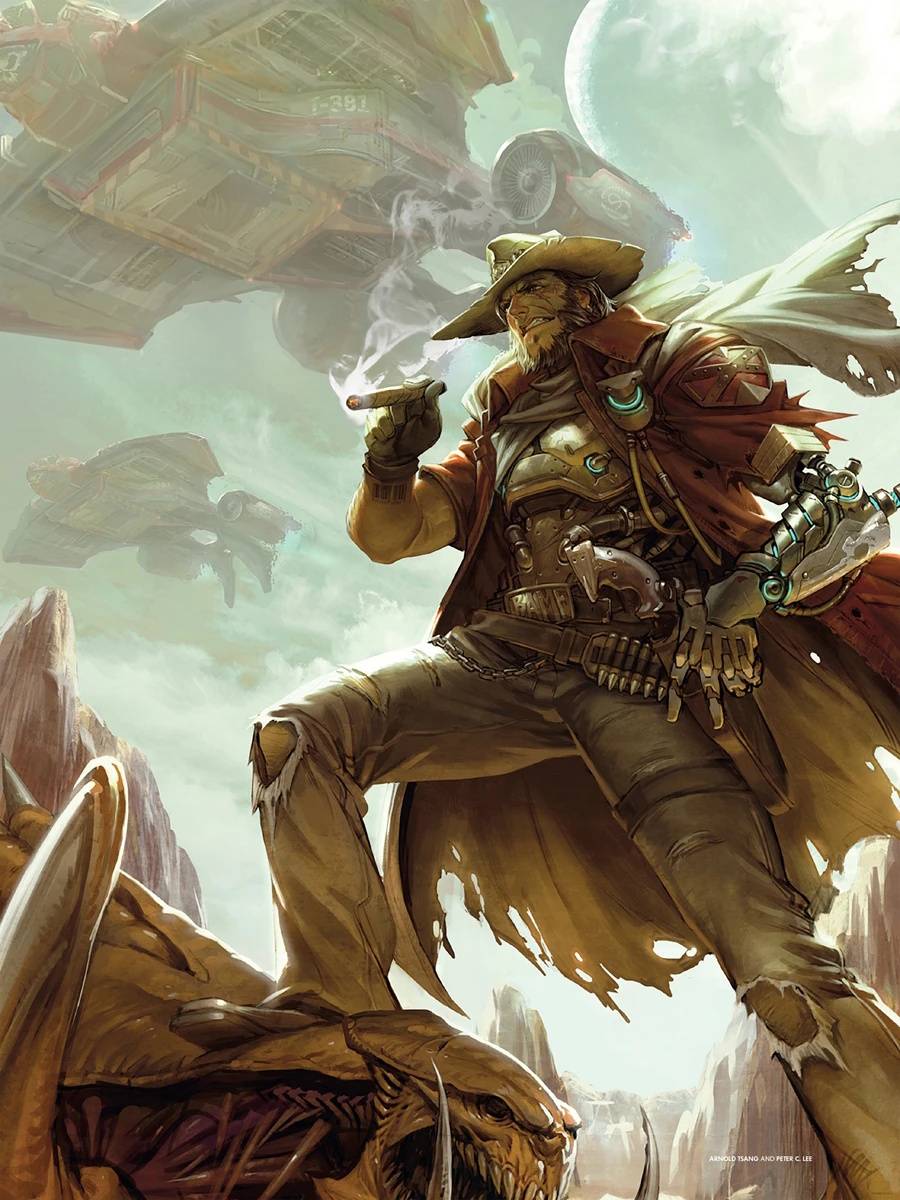
The team embarked on a two-month sprint, dedicating one month to each new pitch. The initial proposals included a StarCraft MMO and an original IP codenamed Cross Worlds. It was during the conceptualization of Cross Worlds that the seeds of Overwatch began to sprout. Pete Lee, a concept artist on the team, reveals a hidden anecdote about the iconic concept art for Cassidy. "The Cassidy picture has a hidden story that we never told to anyone," he shares, recounting a creative barter for drawing the character’s background. This period also saw the emergence of concepts that would later find their way into Overwatch, such as the origins of Tracer, Reaper, and Genji from Titan‘s asset library.
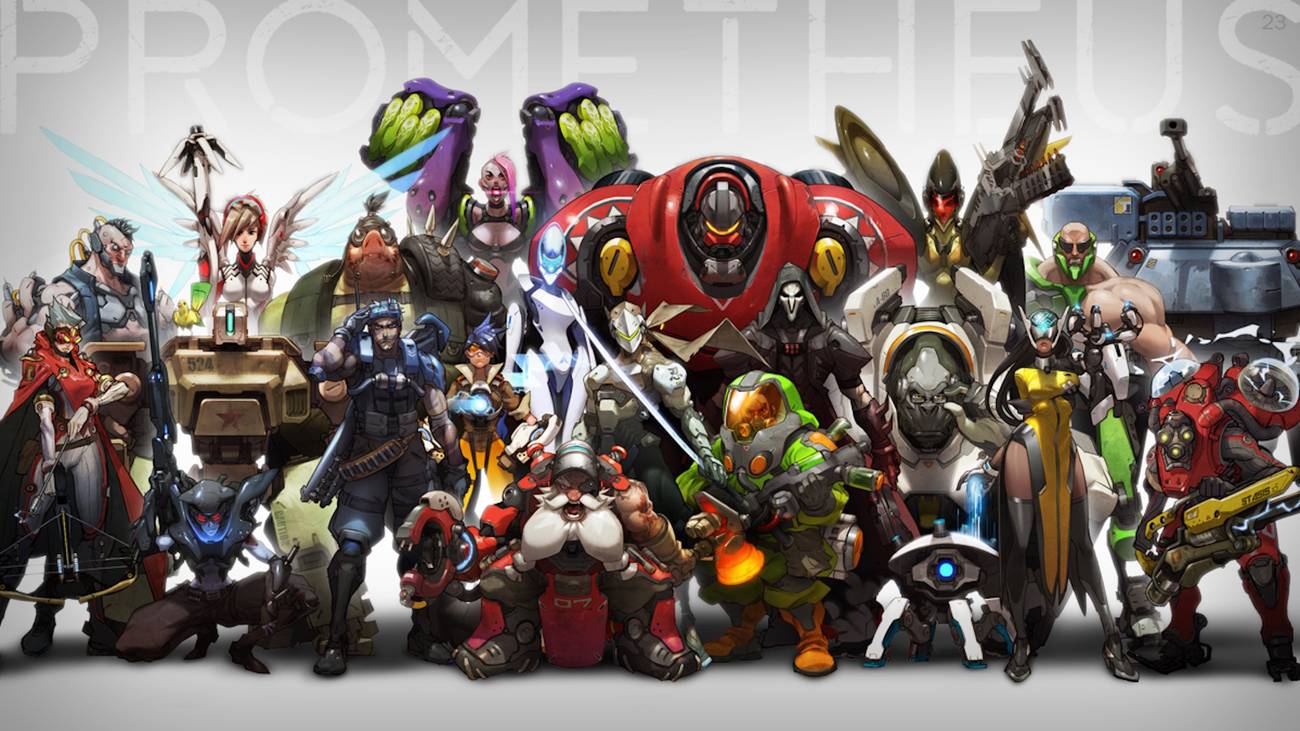
The true turning point, however, came when Jeff Goodman, the original lead hero designer, proposed a radical departure: a hero-based shooter with a vast cast of characters. "The idea just caught like wildfire," Keller recalls. This concept resonated deeply, shifting the team’s focus entirely. "No one could keep working on Cross Worlds, and everyone’s talking about this game." The sheer excitement and burgeoning ideas were infectious, leading to a torrent of hero pitches and the repurposing of existing assets from Titan into this new, thrilling direction.
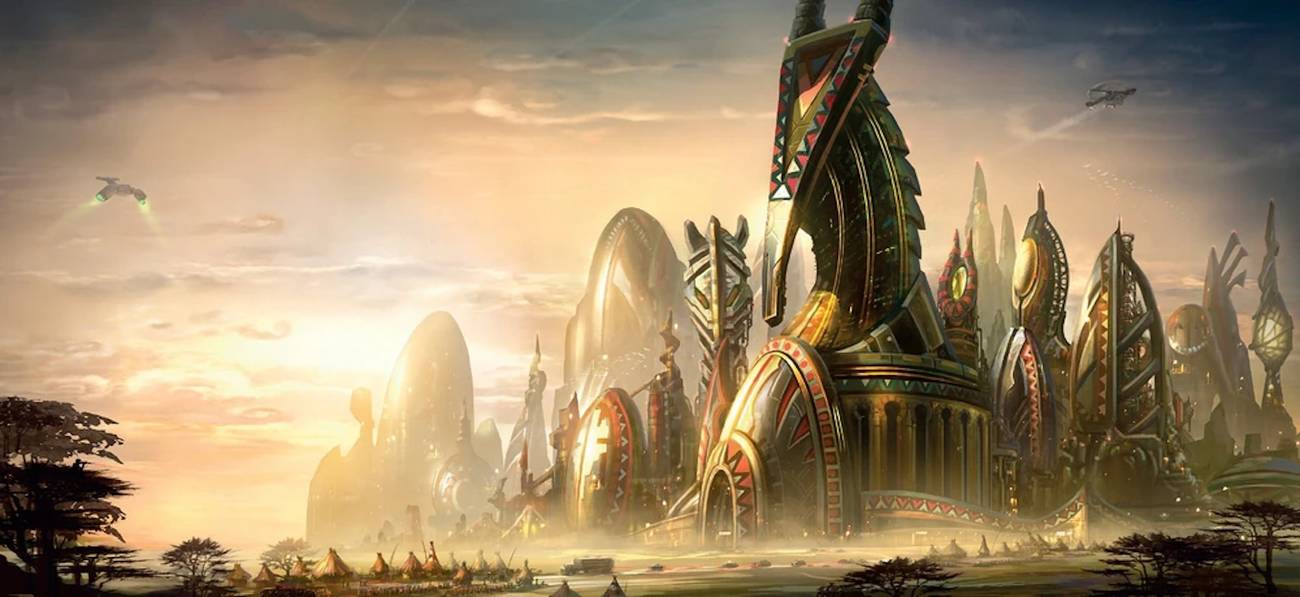
Chris Metzen, then Creative Director, played a pivotal role in liberating the team from the constraints of their previous project. "Pete, forget everything. Forget every ruleset and limitation we talked about. Just go for the fantasy. Go for pure fun," he urged. This directive unleashed a torrent of creativity, allowing the team to distill the "most fun juice" from their prior work and inject it with vibrant fantasy and dreams. Scott Lawlor highlights Metzen’s impactful contribution, noting how his infusion of "fantasy was really special towards the end of the project" and served as a crucial bridge to the Overwatch concept.
The Birth of Overwatch: From Pitch to Playable
The transition from the ambitious, yet unfocused, concepts of Titan and Cross Worlds to the singular vision of Overwatch was a remarkable feat of creative convergence. The team’s dedication was palpable, fueled by a shared desire to prove their capabilities after the Titan debacle.
A key element that distinguished Overwatch‘s development was the significant overhaul of the game’s engine and tools. "The difference between Titan tools and Overwatch tools was night and day," Lawlor emphasizes. The engineering team’s heroic efforts in repurposing and refining existing technology allowed for a much smoother and more efficient development process. This streamlined workflow enabled the team to "go 100 miles an hour" during the initial stages of development.
The pitch to company executives and the parent company was a nerve-wracking affair. Kong recounts the initial skepticism, with one executive infamously asking, "Oh, so you mean you’re building Call of Skylanders?" However, a pivotal moment arrived when the team presented the original hero lineup. The response was immediate and overwhelmingly positive. The group CEO declared it "unlike anything in any medium," marking a profound shift in the meeting’s trajectory from skepticism to envisioning the immense potential of this new intellectual property.
The rapid development cycle from pitch to playable build was astonishing. With approximately 14 months until BlizzCon 2014, the team was tasked with transforming their vision into a tangible experience. Keller describes this period as surprisingly "easy," a stark contrast to the struggles of Titan. "There weren’t a lot of moments that I can pinpoint and be like, ‘Here’s where things were falling apart,’ or, ‘We had a big existential crisis on the project.’ It just didn’t happen." This seamless progression was a testament to the team’s focused efforts and the newly refined development tools.
BlizzCon 2014: A Phenomenal Debut
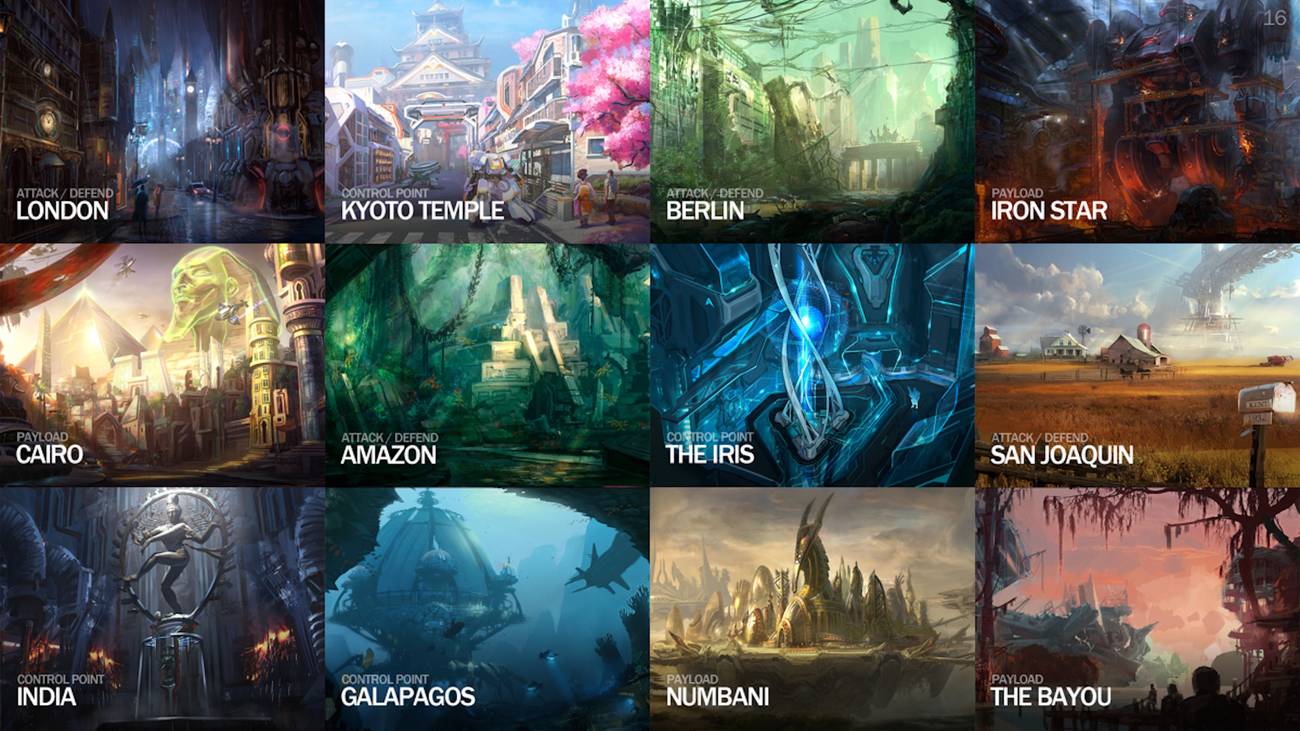
The unveiling of Overwatch at BlizzCon 2014 was a watershed moment. A compelling cinematic trailer, a detailed vision panel, and a playable build featuring a dozen distinct heroes and three maps generated an electrifying buzz. Lawlor recalls the palpable excitement, describing how attendees were immediately "buzzing" and already invested in the characters. "I’ve never seen grown men react like that to an announcement before in my entire life," he marvels, recounting the sheer exuberance displayed by his former colleagues.
Dion Rogers highlights the impact of the launch cinematic’s opening, featuring Winston the gorilla. "It really showed the difference between our hero shooter and what was out there at the time," he notes, emphasizing how the choice to lead with a non-human, intelligent character signaled a departure from conventional shooter tropes.
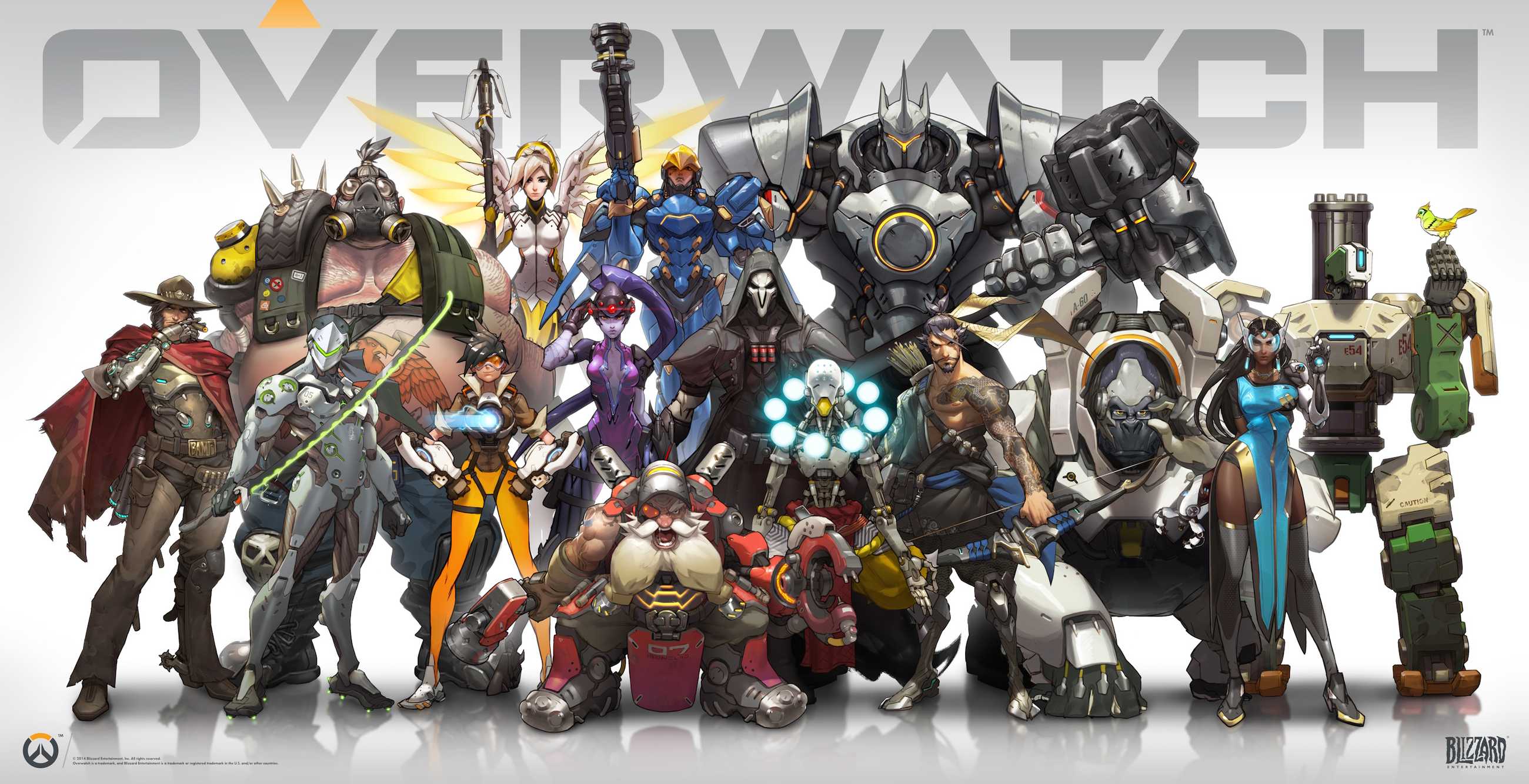
Keller posits that the appeal of hero shooters, and Overwatch in particular, lies in the sheer breadth of its roster. "When you see a lineup, it’s always more than the sum of its parts." The unique archetypes – the modern knight in Reinhardt, the technologically advanced angel in Mercy – resonate with deep, primordial aspects of human imagination, sparking a desire to explore each character’s story and personality.
The Evolving Landscape: Challenges and Triumphs
The initial success of Overwatch at BlizzCon set a high bar, and the team’s ambitious drive to deliver a polished product by 2015, though ultimately leading to a slight delay for further refinement, proved prescient. The game’s launch in May 2016 was met with widespread acclaim, solidifying its place as a new gaming titan. The celebratory champagne spray at launch, a Blizzard tradition, symbolized the immense relief and pride of releasing a successful new IP after a 17-year drought.
However, the transition to a live-service model presented a new set of formidable challenges. "There’s a really hard transition into live-service operations," Keller explains, detailing the operational and mental strain of juggling multiple development branches simultaneously. The complexities of balancing bug fixes, balance patches, and ongoing content creation with the development of new heroes proved taxing.
The emergence of competitors like PUBG and Fortnite, with their dynamic battle royale formats, shifted the gaming landscape. While Overwatch remained largely consistent, its core gameplay loop began to feel less novel to some players. This led to a gradual decline in player numbers following its 2017 peak.
The Ambition of Overwatch 2: A Rocky Road to Redemption
The ambitious promise of Overwatch 2, announced in 2019 with plans for a robust PvE campaign, new heroes, and expanded story elements, ignited player excitement but also presented an immense challenge for the development team. The dual effort of maintaining the live-service of the original game while developing a significantly larger sequel proved unsustainable.
"There was a pretty tough period where we were trying to do both, and the trade-off became slowing down the live-service additions," Kong laments. This resulted in a "painful drought in content" and significant attrition within the team, with key leadership figures departing. Kong himself stepped into the general manager role, driven by a belief that Overwatch‘s potential was far from extinguished.
The decision to pivot from the original vision of Overwatch 2‘s PvE to a more focused PvP experience with the eventual relaunch as "Overwatch" (dropping the "2" in February 2026) was a difficult but necessary one. The initial launch of Overwatch 2 in October 2022, while breaking player records for Blizzard, was met with mixed sentiment. Players desired the promised PvE content and reacted negatively to the battle pass system.
The subsequent release of the PvE "Chapter One" in mid-2023 was met with significant criticism, earning some of the worst reviews in Steam history. This period was a low point for team morale, but it also served as a crucial clarification of their path forward. "It really clarified our vision of what’s next for Overwatch," Keller states. The team recognized that the core competitive PvP experience was where their strength lay and where player satisfaction could be most effectively fostered.
Rebuilding Trust and Embracing the Future
The journey since the PvE cancellation has been one of earnest effort to regain player trust and redefine the game’s future. The team has embraced transparency, openly communicating their roadmap, the "why" behind their decisions, and the state of the business to both their internal team and the player base.
"We’re from Titan, so we took that moment and used it to keep moving forward," Rogers explains. By actively listening to player feedback and focusing on core strengths, the team has been able to create more content with greater efficiency. This has led to a renewed sense of optimism and improved player sentiment, particularly around the introduction of new heroes like Venture, Juno, and Hazard, who represent a more diverse and grounded approach to character design.
The team has also experimented with innovative gameplay modifications through initiatives like "Quick Play Hacked" and seasonal events, using these as testbeds for new mechanics and concepts like "Perks" and "Stadium." This iterative approach allows them to gauge player reception and refine their ideas before broader implementation.
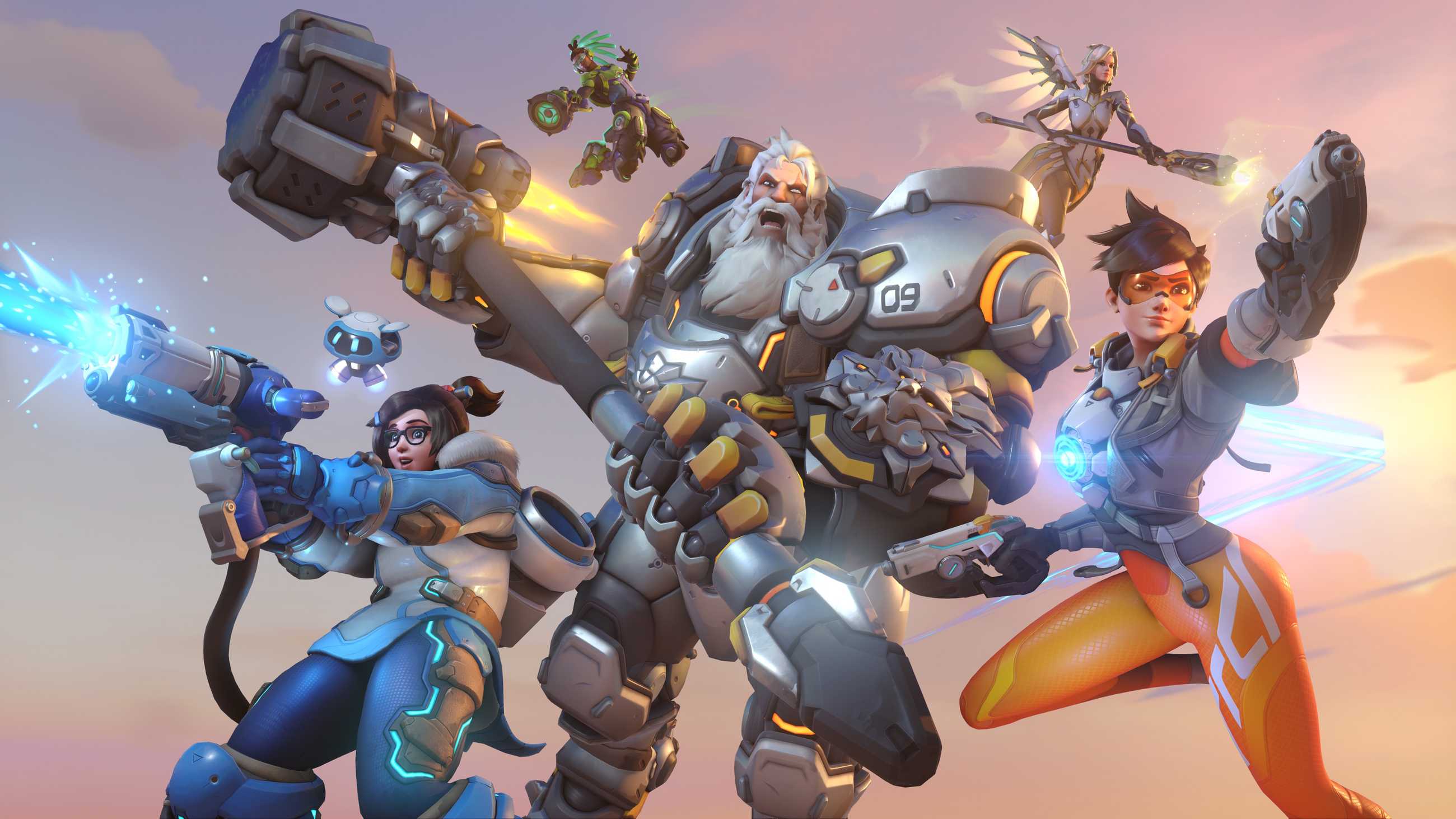
Looking ahead, the team is focused on evolving the Overwatch experience. The introduction of "Perks" aims to provide players with fresh perspectives on the hero roster annually, while storytelling elements are being more deeply integrated into the game world and maps. The recent rework of the Gibraltar map, reflecting a Vendetta attack, exemplifies this commitment to advancing the narrative and improving gameplay.
A Decade of Resilience: The Enduring Spirit of Overwatch
The story of Overwatch is a powerful testament to the resilience of its creators. Emerging from the ashes of Titan, the team has navigated immense challenges, celebrated groundbreaking successes, and learned invaluable lessons from setbacks. While the scars of past disappointments may linger for some, the current momentum and renewed ambition are undeniable.
"I don’t know if we ever get to turn our reputation all the way around with everybody," Keller admits, acknowledging the lingering impact of unmet promises. Yet, the spirit that fueled the game’s initial creation remains vibrant. The team is dedicated to building upon the core strengths of Overwatch, fostering a sense of community, and continuing to deliver a hopeful and optimistic universe that resonates with players worldwide. The next decade promises further evolution, driven by the same passion and creativity that transformed a canceled MMO into a beloved global phenomenon.



Leave a Comment