George B. McClellan: A Paradox of Genius and Paralysis in the American Civil War
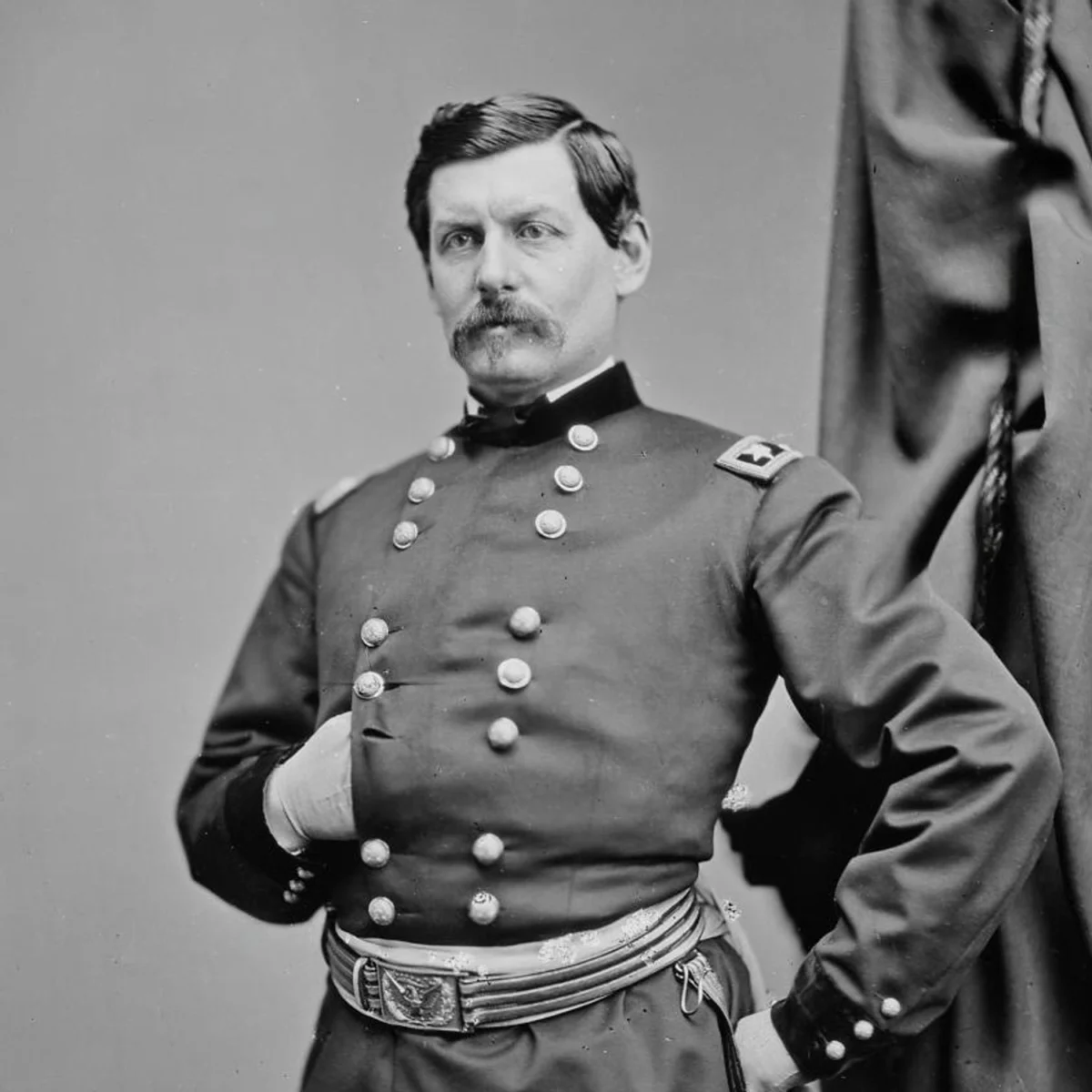
Washington D.C., [Current Date] – George B. McClellan (1826-1885), a figure often shrouded in historical paradox, stands as one of the most debated generals of the American Civil War. Elevated to the commanding generalship of the United States Army in 1861 and leading the formidable Army of the Potomac from 1861-1862, McClellan possessed an undeniable genius for organization, training, and logistics. Yet, this very brilliance was consistently overshadowed by a crippling overcaution and an almost pathological aversion to risk, ultimately hindering the Union’s early war efforts and earning him the moniker "the Young Napoleon" for his flair, but also a reputation for frustrating inaction.
While credited with transforming a demoralized rabble into a professional fighting force after the Union’s humiliating defeat at the First Battle of Bull Run, McClellan’s tenure as a field commander was marked by missed opportunities and a consistent overestimation of enemy strength. His career trajectory, from a prodigiously talented West Point graduate and celebrated engineer to a general whose strategic paralysis drew the ire of President Abraham Lincoln and the nation, offers a compelling study in leadership, character, and the unforgiving crucible of war. Many historians conclude that McClellan was not inherently a "bad" general, but rather "the wrong man for the job" – a masterful administrator ill-suited for the aggressive, decisive command required on the battlefield.
Chronology: From Prodigy to Puzzling Commander
Early Life & West Point: A Glimpse of Effortless Success
Born on December 3, 1826, in Philadelphia, George Brinton McClellan was the son of a prominent physician, George McClellan, and Sophia McClellan. Education was paramount in the McClellan household, and young George excelled from an early age. He attended "infant school" at five, studied at Sears Cook Walker’s private school, and received private tutoring in classics, mastering Latin and French by his early teens. Though initially destined for medicine, financial constraints led him to consider law, a path that held little interest.
At just 15, McClellan secured an exceptional early entry into West Point Military Academy, bypassing the age requirement through his father’s appeal to the Secretary of War and potentially President John Tyler’s intervention. His time at West Point further solidified his reputation as a prodigy. Scholar Stephen W. Sears notes that "Cadet McClellan sometimes worked only as hard as was necessary to get by," yet still graduated second in his class in 1846, at the remarkably young age of 19. This early, effortless success would deeply forge his character, instilling a belief in his own infallible judgment and a profound aversion to the unfamiliar taste of failure.
Mexican-American War & Inter-War Years: Engineering Acumen and Growing Confidence
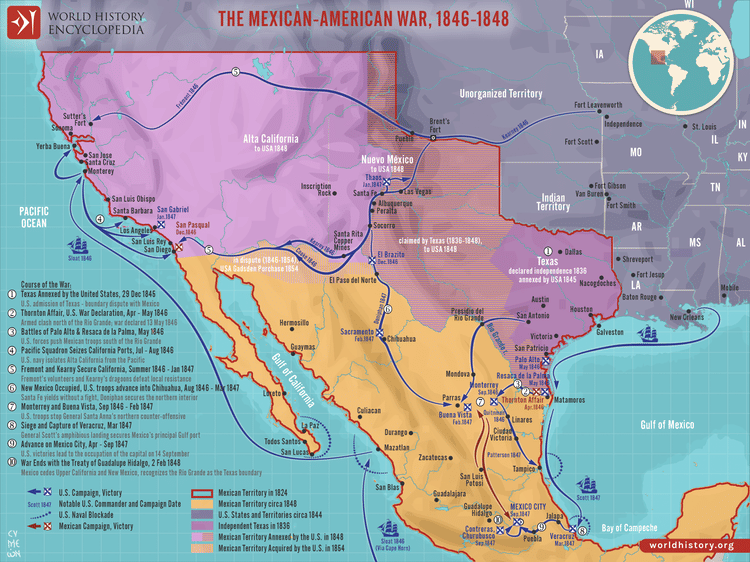
Immediately after West Point, McClellan was dispatched to the Rio Grande for the Mexican-American War. Despite an early bout with malaria and dysentery that sidelined him for a month, he served with distinction in the U.S. Army Corps of Engineers. He was instrumental in building crucial infrastructure like roads and bridges and conducting combat reconnaissance for General Winfield Scott, a future mentor. McClellan saw action at Contreras, Churubusco, and Chapultepec, earning two brevet promotions to lieutenant and then captain. From Scott, he absorbed valuable lessons in flanking maneuvers and the efficacy of well-executed sieges over costly frontal assaults. His linguistic skills, honed by his early classical education, allowed him to quickly become fluent in Spanish, further enhancing his utility.
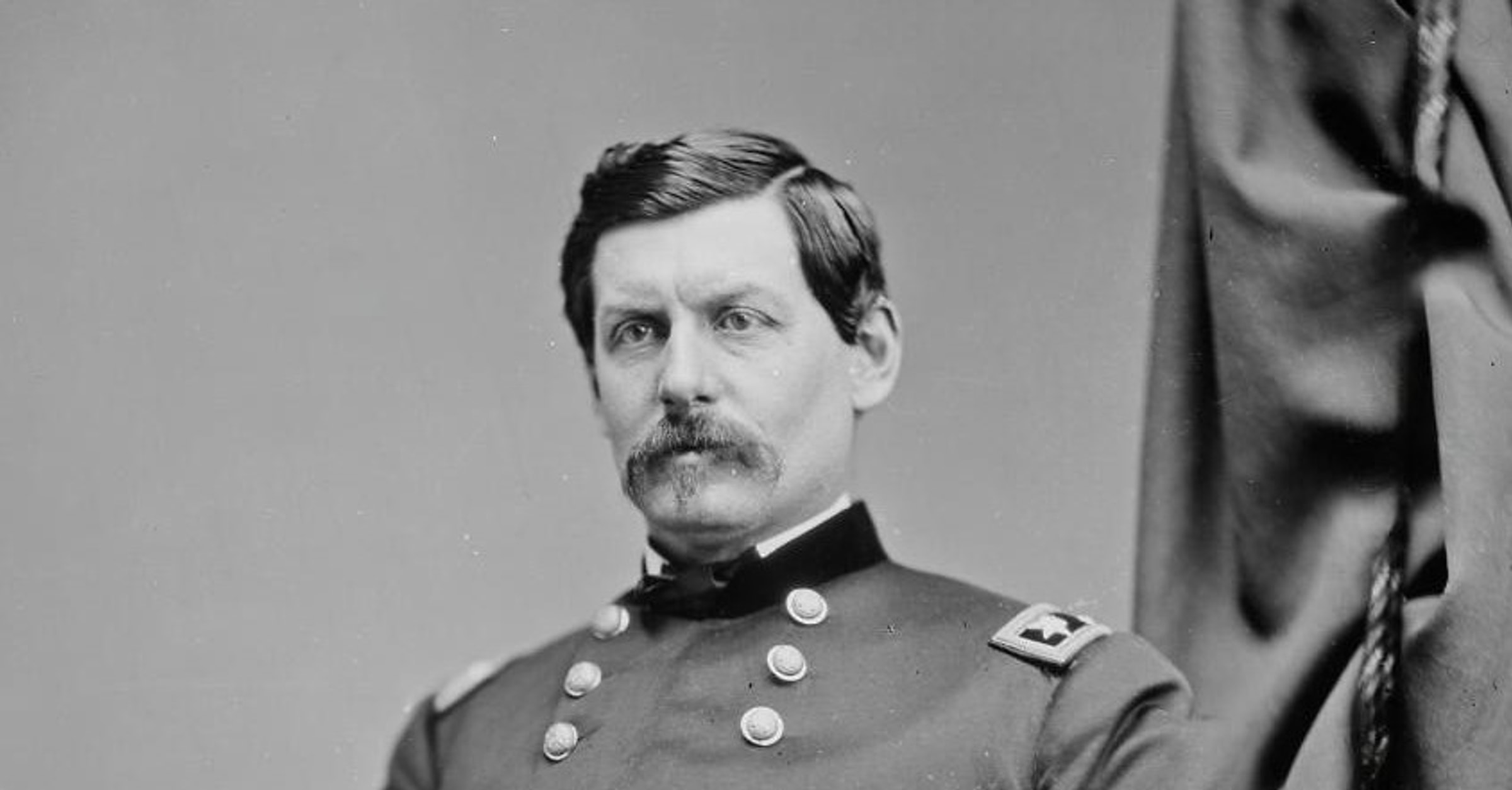
Post-war, McClellan returned to West Point as an instructor of engineering. His expertise led to significant assignments, including an expedition in Arkansas in 1852 to locate the source of the Red River, and in 1853, surveying duties for the nascent transcontinental railroad. During these tasks, a discernible pattern of behavior emerged: a conviction in his own superior knowledge, a dismissive attitude towards differing opinions, and a growing disdain for authority figures who challenged him.
His fluency in French, coupled with his engineering prowess and political connections (including his father’s friendship with Scott), secured him a prestigious assignment in 1855: observing European military innovations during the Crimean War. His observations, later published in a manual on cavalry tactics, provided insights into siege warfare that would influence his later Peninsula Campaign. This European tour also led to his enduring contribution to military equipment: the "McClellan Saddle," adopted by the U.S. Army and used for decades.
In 1857, McClellan resigned his commission to pursue a lucrative career in the burgeoning railroad industry, first as chief engineer for the Illinois Central Railroad, then as president of the Ohio and Mississippi Railroad by 1860. His personal life also flourished; after an initial refusal in 1855, Ellen Mary Marcy accepted his marriage proposal in 1859, and they wed in 1860. This period cemented his image as a man of exceptional talent and boundless potential.
Ascension to Command: Unearned Laurels and a National Hero
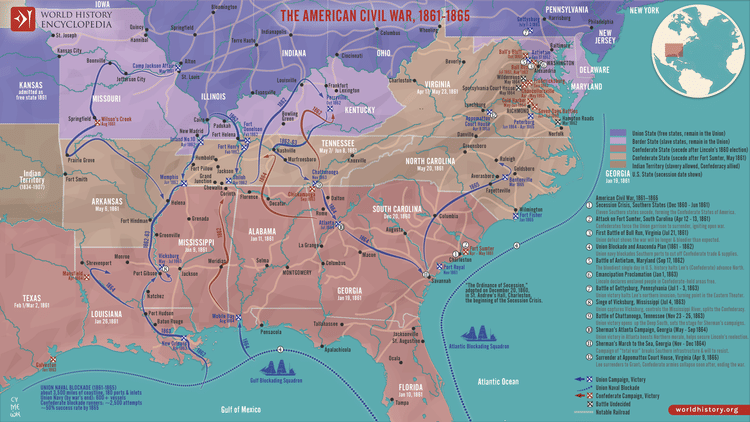
At the outbreak of the Civil War, McClellan’s prior experience offered little to suggest he was destined for army command. His manual on cavalry tactics and engineering skills, however, impressed Ohio Governor William Dennison, leading to his commission as a major general in April 1861 and command of the Ohio militia. His immediate task was to secure the pro-Union region of Northwestern Virginia from secessionist forces.
His first engagement was the Battle of Philippi on June 3, 1861. From his headquarters in Cincinnati, McClellan dispatched Brigadier General Thomas A. Morris against an inexperienced Confederate force. The Confederates, lacking proper pickets, were utterly surprised by Union artillery and fled, an event the Northern press gleefully dubbed the "Philippi Races." This "skirmish," though minor, disproportionately elevated McClellan to national hero status, despite his having no direct involvement in the tactical victory.
The subsequent Battle of Rich Mountain on July 11, 1861, further underscored this pattern. The victory was largely orchestrated by his subordinate, Colonel William S. Rosecrans, who executed a flanking maneuver while McClellan, overestimating enemy numbers by a factor of four, hesitated to commit his main force. Scholar Stephen Budiansky highlights the familiar characteristics: "the same overestimate of the enemy, the same tendency to interpret unfavorably the sights and sounds in front, the same hesitancy to throw in his whole force when he knew that his subordinate was engaged." Yet, McClellan again claimed full credit, fueling Northern optimism about a swift Confederate collapse.
Forging the Army of the Potomac: The Administrator’s Masterpiece
The harsh reality of war shattered this optimism with the Union’s decisive defeat at the First Battle of Bull Run on July 21, 1861. General Irvin McDowell’s forces were routed, leading President Lincoln to summon McClellan on July 25, 1861, replacing McDowell as commander of the Division of the Potomac. McClellan, convinced he was chosen by divine providence to save the nation, now embarked on what would be his most celebrated achievement: transforming a demoralized, undisciplined collection of volunteers into the professional fighting machine known as the Army of the Potomac.
Over five months, McClellan’s organizational genius shone. He instituted rigorous daily drills, demanding discipline and cohesion. He oversaw the construction and garrisoning of forty defensive forts around Washington, D.C., ensuring the capital’s security. His personal charisma and evident dedication to his troops inspired fierce loyalty and significantly boosted morale during regular reviews. Under his meticulous guidance, the army swelled from 50,000 to an unprecedented 168,000 men by November. His administrative capabilities were beyond reproach; he built an army that was well-fed, well-equipped, and exceptionally trained.
With Winfield Scott’s retirement due to ill health, McClellan was appointed general-in-chief of all Union armies on November 1, 1861. He now commanded the largest armed force in United States history, a testament to his organizational prowess. The nation held its breath, expecting him to lead this magnificent instrument to victory.
General-in-Chief and the "Delay": The Paralysis of Perfectionism
But action would not come. McClellan’s administrative brilliance was paired with a crippling battlefield timidity. He consistently exaggerated Confederate troop numbers, often based on flawed intelligence from his Chief of Secret Service, Allan Pinkerton. He insisted on more drills, more training, more preparation, perpetually delaying engagement. At the core of this inaction was a deep-seated fear of failure, a sentiment alien to a man whose life had been a string of effortless triumphs. He could not bear the thought of risking his perfect record.
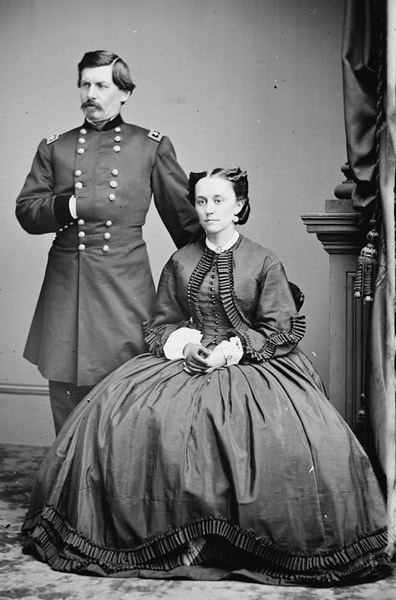
By early 1862, impatience mounted within Lincoln’s administration, Congress, the press, and the public. McClellan’s loyalties even came under scrutiny, fueled by his apparent inaction and his barely concealed contempt for superiors and subordinates alike. Budiansky vividly captures this aspect of his character: "His contempt for superiors and subordinates alike never wavered… as general-in-chief of the army and commander of the Army of the Potomac, his abuse of colleagues and administration officials, even the President himself, never let up… ‘Everything here needs the hand of the master,’ he wrote his wife." He genuinely believed only he possessed the competence to command.
One of McClellan’s primary justifications for delay was the need to meticulously plan a flanking campaign south to outmaneuver Confederate General Joseph E. Johnston, whom he believed commanded superior numbers and artillery near Washington, D.C. The truth, however, was exposed in March 1862 when Johnston withdrew south, burning supplies, and inspectors discovered the "cannon" were merely logs painted black—infamous "Quaker Guns." With his excuses evaporated, Lincoln, on March 11, 1862, relieved McClellan of his general-in-chief command (though not replacing him directly to avoid a power vacuum) and ordered him to move his army south.
Peninsula Campaign: Mismanagement and Retreat
On March 17, 1862, McClellan finally embarked on the Peninsula Campaign, aiming to capture the Confederate capital of Richmond by advancing up the Virginia Peninsula. Yet, almost immediately upon arrival at Fort Monroe, the campaign was plagued by his mismanagement. Budiansky critiques the lack of modern staff coordination: "The moment McClellan’s force went ashore, the woeful inadequacy of existing systems for everything else began to tell with a vengeance. Uncoordinated attacks fell apart, wagons clogged roads for days, units went astray for lack of basic topographic information or cavalry guides… Nothing is more astonishing… than McClellan’s lack of a general staff to coordinate operations in the field." McClellan’s reliance on personal orders via aides on horseback was a relic of 18th-century warfare, utterly inadequate for commanding a massive 19th-century army.
After a month-long, laborious siege of Yorktown, which the Confederates eventually abandoned, McClellan’s army moved sluggishly up the peninsula. Over several weeks in May and June, his forces engaged in the Seven Days’ Battles. Despite coming within four miles (6.4 km) of Richmond, McClellan, again convinced he was vastly outnumbered, ordered a retreat. The campaign, which promised a swift end to the war, collapsed, and McClellan, true to form, blamed everyone but himself.
Antietam: A Missed Decisive Blow
Following the Peninsula Campaign’s failure, Lincoln placed Major General John Pope in command of the Army of Virginia, ordering him to advance on Richmond from the northeast. McClellan was meant to support Pope but delayed, contributing to Pope’s crushing defeat at the Second Battle of Bull Run (Second Manassas) from August 28-30, 1862.
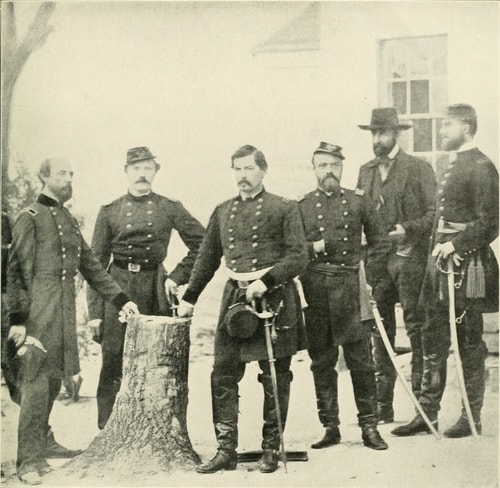
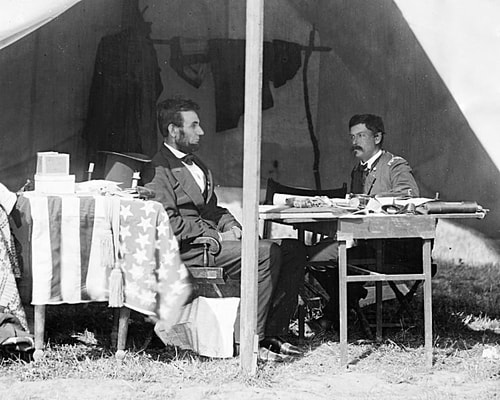
Despite intense opposition from his cabinet, Lincoln reinstated McClellan to command the Army of the Potomac, desperate for a capable leader to confront Robert E. Lee’s audacious Maryland Campaign, which began on September 4. The two armies clashed at Antietam Creek, near Sharpsburg, Maryland, on September 17, 1862, in what remains the single bloodiest day in American military history.
McClellan, once more overestimating Lee’s forces (he had over 50,000 men to Lee’s little over 30,000), launched "poorly coordinated attacks, allowing Lee to shift reserves to receive each blow on different parts of his line," as scholar Alan Taylor notes. He refused to commit his entire army, launching piecemeal assaults to preserve his forces, convinced he faced overwhelming odds. On September 18, Lee, despite heavy losses, refused to retreat, but McClellan again declined to attack, believing he had "fought the battle splendidly & that it was a masterpiece" that had "defeated Lee so utterly and saved the North so completely." This "rich fantasy life," as Taylor describes it, prevented him from pressing his advantage. That night, Lee’s battered army escaped across the Potomac back into Virginia.
Though a tactical draw, Antietam was considered a Union strategic victory as it halted Lee’s invasion of Maryland. Crucially, it provided Lincoln the opportune moment to issue the preliminary Emancipation Proclamation on September 22, shifting the war’s moral and strategic objectives. However, McClellan’s failure to pursue and destroy Lee’s vulnerable army sealed his fate. Lincoln, exasperated by his general’s persistent inaction, removed him from command, replacing him with Major General Ambrose Burnside, a decision that would prove equally, if not more, disastrous.
Supporting Data: A Commander’s Flawed Psychology and Administrative Brilliance
McClellan’s career reveals a stark dichotomy. His administrative and organizational skills were unparalleled for his era. He meticulously planned logistical operations, understood the importance of troop welfare, and could inspire immense loyalty from his men. The Army of the Potomac, as he shaped it, became a model of professionalism, a well-oiled machine capable of sustained operations. The "McClellan Saddle" is but one tangible legacy of his practical innovation.
However, his operational leadership was profoundly hampered by psychological factors. His early, effortless successes bred an inflated self-regard and a profound aversion to failure. This manifested as an obsessive overcaution, a tendency to overestimate enemy strength, and a paralyzing inability to make decisive moves when confronted with real risk. His reliance on Pinkerton’s often exaggerated intelligence figures, which consistently inflated Confederate numbers, provided a convenient justification for his inherent timidity. The "Quaker Guns" incident, where Confederate dummy cannons fooled him into months of inaction, was a humiliating public demonstration of this flaw.
McClellan’s command style was also deeply rooted in an anachronistic vision of warfare. He believed in centralized control, with every detail passing through his personal scrutiny, lacking a modern general staff capable of delegating and coordinating complex battlefield maneuvers. This rendered his vast, well-trained army unwieldy and slow to react in combat, especially when facing agile commanders like Robert E. Lee. His constant criticisms of superiors, subordinates, and even the President reflected a profound arrogance and an inability to accept responsibility for setbacks, instead externalizing blame.
Official Responses: Lincoln’s Frustration and McClellan’s Self-Justification
President Lincoln’s relationship with McClellan was a tumultuous one, oscillating between desperate hope and utter exasperation. Initially, Lincoln saw in McClellan a brilliant young officer capable of leading the Union to victory. However, as delays mounted and opportunities were squandered, Lincoln’s patience wore thin. His famous query, "If General McClellan does not want to use the army, I would like to borrow it for a while," encapsulates his mounting frustration. Lincoln understood that war required decisive action, even at the cost of mistakes, a concept McClellan struggled to embrace. His eventual removal of McClellan, despite the general’s popularity with the troops, was a testament to the President’s conviction that the Union could not afford such costly inaction.
The "Radical Republicans" and abolitionists within Congress and the press were far less forgiving, openly questioning McClellan’s loyalty and commitment to the Union cause, suspecting him of being a Copperhead sympathizer who sought a negotiated peace rather than total victory. This suspicion, though likely unfounded regarding his loyalty, was fueled by his perceived reluctance to engage the enemy decisively and his constant complaints about the administration.
McClellan, for his part, remained steadfast in his own self-justification. His letters to his wife, Ellen, and later his memoirs, McClellan’s Own Story, paint a picture of a general constantly undermined by incompetent superiors and politicians, a victim of circumstance rather than his own shortcomings. These personal writings, intended to rehabilitate his image, ironically confirmed many of his critics’ observations: a man convinced of his own brilliance, immune to criticism, and deeply averse to risk. His subordinate, Jacob Cox, perhaps offered the most astute contemporary analysis, noting McClellan’s recurring "overestimate of the enemy, the same tendency to interpret unfavorably the sights and sounds in front, the same hesitancy to throw in his whole force."
Implications: A Mixed Legacy of Organizational Genius and Missed Opportunity
McClellan’s impact on the American Civil War is complex and enduring. On one hand, he undeniably laid the foundation for the Union’s eventual victory by transforming a fragmented collection of volunteers into a professional, disciplined fighting force. His organizational principles and dedication to troop welfare established standards that would benefit subsequent Union commanders. The Army of the Potomac, forged under his hand, became the primary instrument of Union power in the Eastern Theater.
On the other hand, his leadership cost the Union dearly in terms of time, resources, and morale. His strategic paralysis and overcaution prolonged the war, allowing the Confederacy to consolidate its strength and inflicting immense casualties that might have been avoided with more decisive action. Historians widely agree that McClellan squandered at least two clear opportunities to potentially end the war in 1862 – during the Peninsula Campaign and after Antietam – by failing to press his advantage. This delay also provided Lincoln with the crucial political and military space to issue the Emancipation Proclamation, irrevocably changing the nature and stakes of the conflict.
After his military career ended, McClellan attempted to transition into politics. In 1864, he ran for President against Lincoln on an anti-war platform, though his personal stance for continuing the war until Union restoration conflicted sharply with his party’s "peace at all costs" platform. This internal contradiction, coupled with Lincoln’s growing popularity after military successes, led to his decisive defeat, winning only 21 electoral votes.
He later served a term as Governor of New Jersey (1877-1880), where he once again demonstrated his talent for administration and organization, applying the same methodical, cautious approach that had defined his military command. He died from a heart attack in 1885, aged 58, shortly after completing his memoirs.
In conclusion, George B. McClellan remains a tragic figure in American history. A man of immense natural talent, capable of inspiring loyalty and building formidable armies, he ultimately failed to rise to the occasion of battlefield command. His character, shaped by a lifetime of unearned success and a crippling fear of failure, prevented him from taking the calculated risks essential for victory in a brutal civil war. While his contributions to the Union Army’s structure and training were invaluable, his operational timidity and strategic paralysis left a legacy of missed opportunities that prolonged one of the darkest chapters in American history. He was, as many contend, a brilliant engineer and administrator, but profoundly "the wrong man for the job" when the fate of the nation hung precariously in the balance.