Doolittle Raid: A Daring Strike That Jolted Japan and Ignited Allied Morale
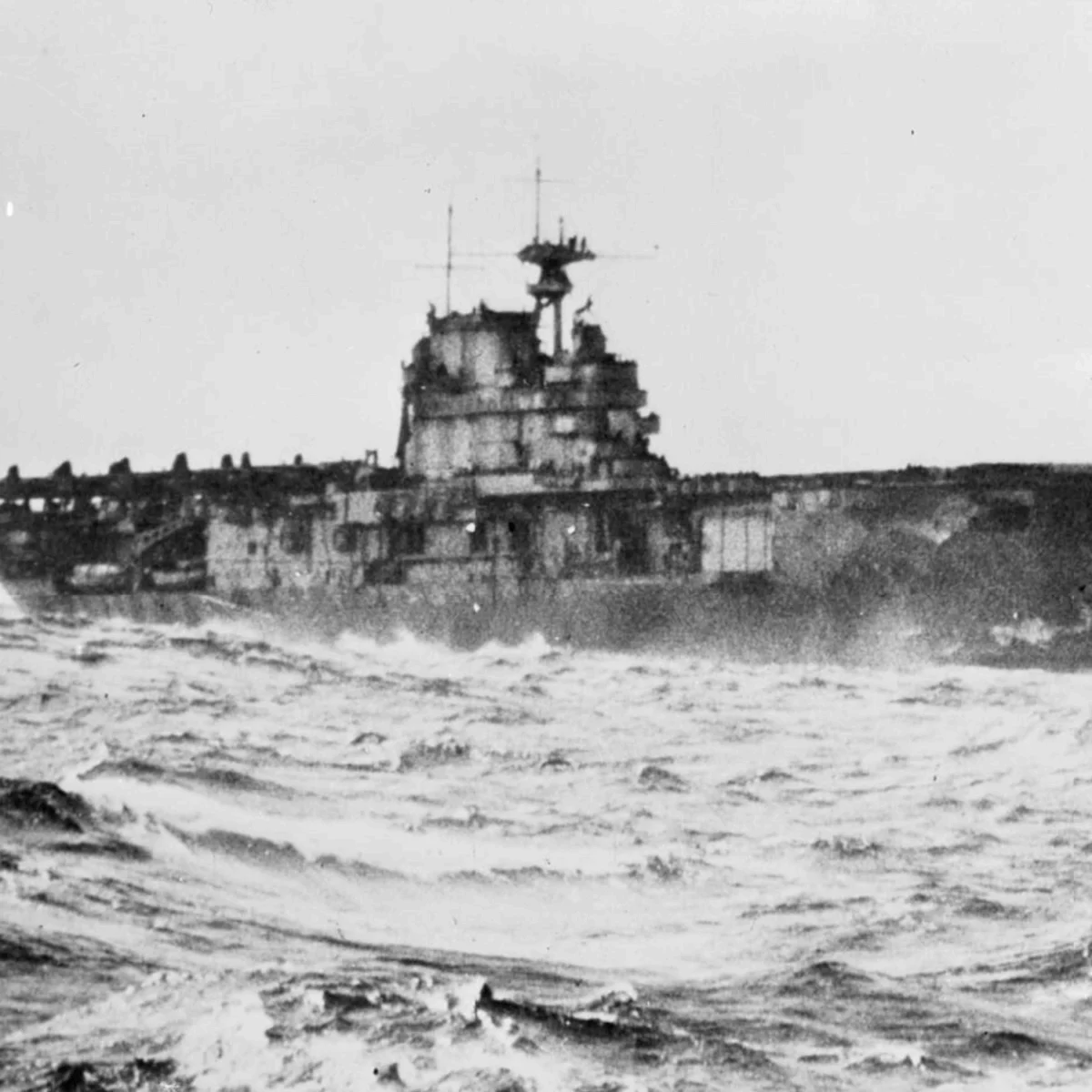
April 18, 1942 – In a daring and audacious gambit that electrified the American public and sent shockwaves through the Japanese high command, 16 US B-25 Mitchell bombers launched from the aircraft carrier USS Hornet to strike Tokyo and other strategic targets across Japan’s home islands. This audacious aerial assault, famously known as the Doolittle Raid, marked the first time Japanese soil had been bombed since its infamous attack on Pearl Harbor just four months prior, an act of aggression that had thrust the United States into the Second World War. While the material damage inflicted by the raid was relatively slight in the colossal scope of the Pacific War, its psychological impact was monumental, demonstrating that no city and no civilian population, anywhere in the world, was safe from the escalating reach of aerial warfare.
Main Facts: A Bold Retaliation
The Doolittle Raid, executed on April 18, 1942, was a critical turning point in the early days of the Pacific War. Led by Lieutenant Colonel James H. Doolittle, the mission involved 16 modified B-25B Mitchell medium bombers taking off from the USS Hornet, an unprecedented feat for such large land-based aircraft. The primary target was Tokyo, then the third-largest city globally, with other planes assigned to hit Nagoya, Kobe, and Osaka. The strategic objective was less about inflicting massive material damage and more about delivering a profound psychological blow to Japan and boosting the morale of a reeling America.
The raid was fraught with peril from its inception. The B-25s, modified for extended range and stripped of certain defensive armaments, faced the immense challenge of launching from a carrier deck — a maneuver they had never practiced at sea. Furthermore, an early detection by Japanese patrol boats forced the squadron to launch approximately 170 miles (273 km) earlier than planned, in daylight and at a greater distance, significantly complicating their fuel calculations and post-bombing escape routes.
Despite these immense challenges, all 16 bombers successfully launched. They struck their targets, encountering surprisingly light resistance in some areas, a testament to the element of surprise. The aftermath saw most crews forced to bail out or crash-land in Allied China due to fuel exhaustion, while one plane landed in Soviet territory. Tragically, eight airmen were captured by the Japanese, four of whom perished in captivity or were executed, highlighting the brutal realities of the conflict.
The raid’s success was immediate and multifaceted. It dramatically lifted American spirits, proving that the US could strike back directly at the enemy’s heartland. For Japan, it shattered the illusion of invincibility and triggered a strategic re-evaluation that would have far-reaching consequences, notably contributing to the disastrous decision to engage the US fleet at Midway.
Chronology: From Pearl Harbor’s Shadow to Tokyo’s Skies
The Imperative for Revenge: Pearl Harbor and Its Aftermath
The genesis of the Doolittle Raid lies in the devastating surprise attack launched by Japan against the US Pacific Fleet at Pearl Harbor on December 7, 1941. In a matter of hours, much of the US naval power in the Pacific lay crippled, drawing the United States irrevocably into World War II. The next day, further Japanese raids compounded the damage, destroying a significant portion of the USAAF’s B-17 Flying Fortress aircraft on Luzon Island in the Philippines. America, reeling from this unprovoked aggression, declared war on Japan. However, with its Pacific Fleet in tatters, launching an immediate, meaningful counterattack seemed a distant possibility.
President Franklin D. Roosevelt, recognizing the urgent need to restore national morale and demonstrate American resolve, pushed tirelessly for some form of military retaliation. He understood that a symbolic strike against the Japanese homeland was essential to counteract the narrative of Japanese invincibility and reassure the American public.
Conception of a Daring Plan
The audacious concept for striking Japan directly emerged from the US Joint Chiefs of Staff. While President Roosevelt later received widespread credit for the idea, Admiral Ernest J. King, Commander-in-Chief of the US Navy, attributed its genesis to one of his operations officers, Captain Francis S. ‘Frog’ Low. Low’s groundbreaking idea was to use land-based bombers, adapted for carrier launch, to strike Japan, thereby minimizing the risk to the precious aircraft carrier itself by allowing it to remain further from enemy patrols.
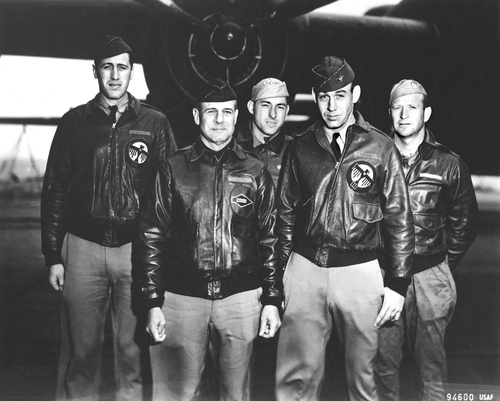
This audacious plan, initially dubbed "Special Aviation Project No. 1," quickly gained traction. Lieutenant Colonel James H. Doolittle, a renowned aviator, aeronautical engineer, and racing pilot with a flair for the unorthodox, was selected to lead the mission. His experience in pioneering aviation techniques and his reputation for fearless leadership made him the ideal candidate for such a high-stakes, unconventional operation.
The plan called for 16 North American B-25 Mitchell medium bombers, a relatively new and robust twin-engined aircraft, to take off from the aircraft carrier USS Hornet. Their primary target was Tokyo, with secondary targets including other key industrial cities like Nagoya, Kobe, and Osaka. The strategic value of the raid, given the small number of aircraft, was acknowledged to be limited in terms of material destruction. Its true purpose, however, was psychological: to demonstrate unequivocally to both Japan and the American public that the US armed forces possessed the capability and the will to strike at the very heart of the enemy, mirroring the shock value of the Pearl Harbor attack itself.
Training and Adaptation: Preparing for the Impossible
The logistical challenges were immense. B-25s were not designed for carrier operations. Doolittle and his hand-picked volunteer crews from the 17th Bombardment Group, based at Pendleton Field, Oregon, underwent months of intensive, top-secret training. This rigorous regimen included mastering the art of taking off from an airstrip precisely measured to the Hornet‘s flight deck – a mere 300 feet (91.4 meters) – and developing the unfamiliar technique of keeping the aircraft’s tail down during launch to maximize lift. Crews also practiced night-flying and navigating without visual aids or radio references, essential skills for their anticipated nocturnal overflight of Japan. Crucially, due to secrecy and practical constraints, there was no opportunity to practice actual carrier take-offs at sea.
The B-25 Mitchells themselves underwent significant modifications to adapt them for this unique mission. An autopilot system was installed to assist with long-distance navigation. The ventral gun turret, deemed unnecessary for the low-altitude bombing strategy, was removed to save weight. The standard Norden bombsight, unreliable at low altitudes, was replaced by a custom-made, simpler device that allowed the bombardier to send light signals to the pilot, maintaining critical radio silence.
Perhaps the most critical modification involved fuel capacity. Each B-25 was loaded with an extraordinary 1,141 gallons (4,319 liters) of fuel, approximately 60% more than its usual capacity, to ensure they could reach China after their bombing runs. Each bomber carried four 500 lb (225 kg) bombs, or three such bombs and a cluster of smaller incendiary bombs, aimed at industrial targets. The depth of the desire for revenge for Pearl Harbor was palpable: many US servicemen sent their war medals to Doolittle’s team, requesting they be tied to the bombs dropped on Japan, a powerful symbol of national resolve.
The Journey and Premature Launch
On April 1, 1942, the USS Hornet departed San Francisco, later linking up with a formidable protective task force from Pearl Harbor, commanded by the formidable Admiral William ‘Bull’ Halsey. This task force included the aircraft carrier USS Enterprise, providing crucial air cover. The combined fleet steamed westward towards Japan, maintaining strict radio silence.
The meticulously planned mission encountered an unforeseen hurdle on April 18. At approximately 7:38 a.m., radar on the Hornet detected Japanese patrol boats. Despite Halsey’s immediate efforts to change course and avoid detection, one of the boats, the Nittō Maru, managed to relay a sighting report to Tokyo before being attacked and sunk. The element of surprise, painstakingly preserved, was compromised.
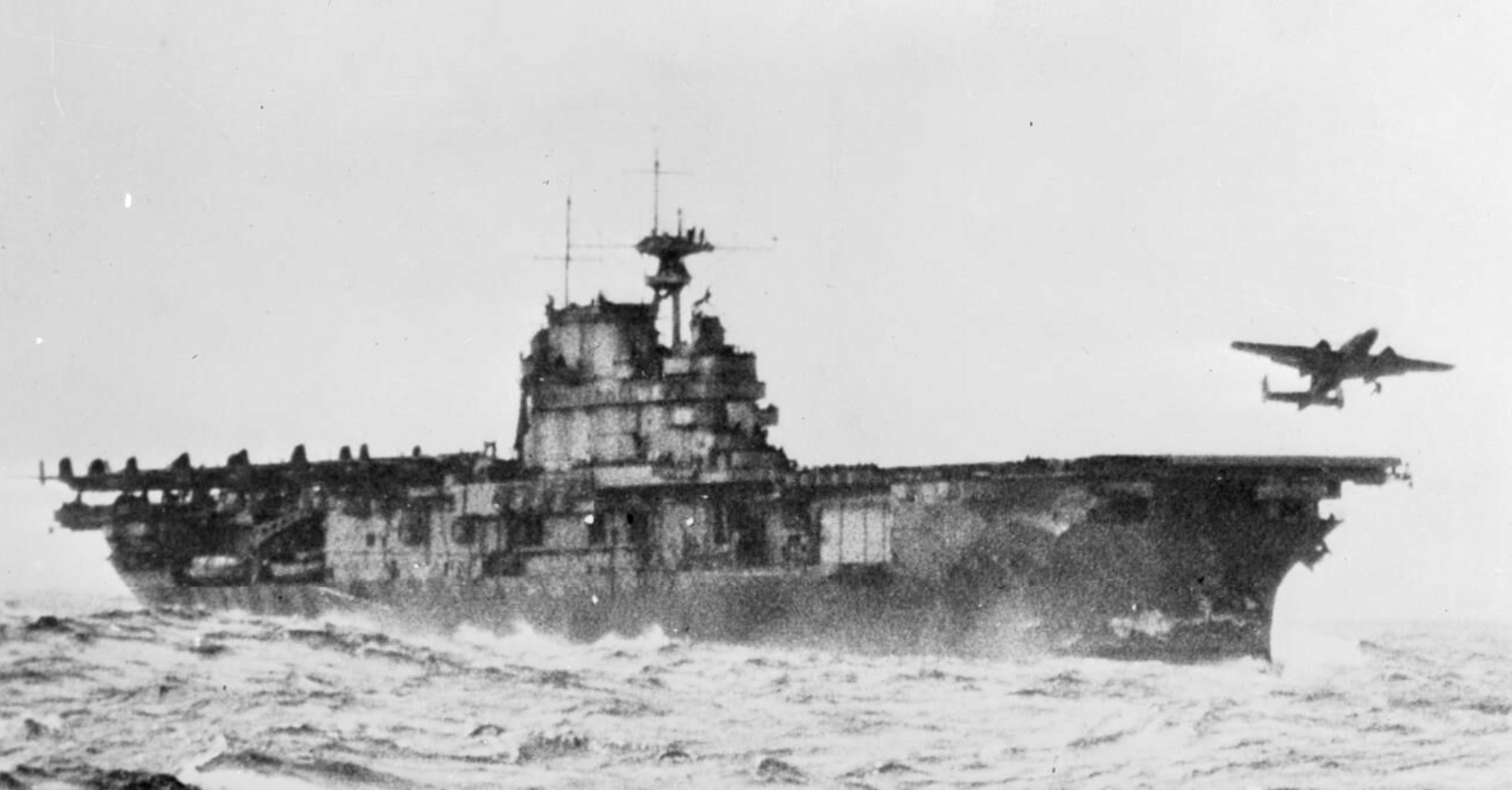
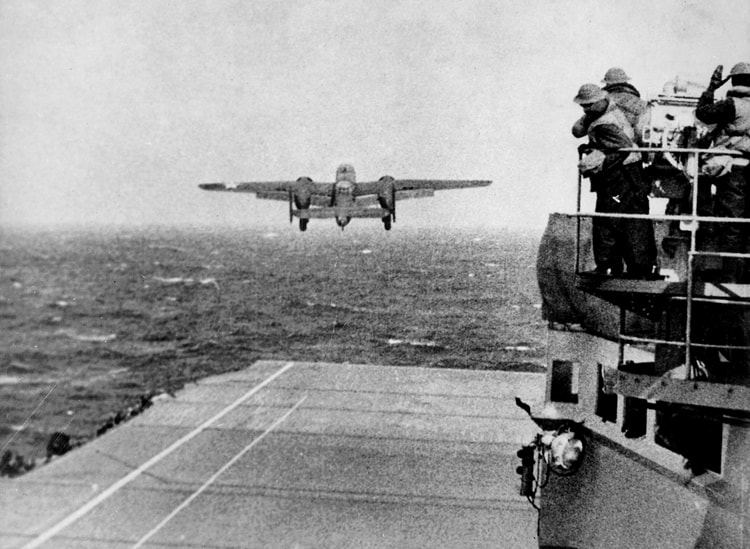
With the possibility of a direct attack on the carrier group looming, Doolittle and Halsey made the difficult decision: the bombers would have to launch immediately. The Hornet was still 700 miles (1,100 km) from Tokyo, a significant 170 miles (273 km) further than the original planned takeoff point. This meant the planes would have to take off in daylight, rather than under the cover of darkness as originally intended, and face an even longer, more precarious flight to China. Getting off the Hornet‘s flight deck was the first and perhaps the greatest challenge of the operation. Fortunately, as Doolittle later recounted, a strong headwind provided crucial assistance: "We had only one real worry and that would have been a dead calm. The carrier would have been able to make perhaps thirty knots; under those conditions taking off from the carrier deck would have been, at best, precarious. In the event there was a thirty knot wind, the carrier was able to make twenty knots into this wind so we had an effective wind of fifty knots across the deck." (Holmes, 208)
"Thirty Seconds Over Tokyo": The Attack Unfolds
Starting at 8:24 a.m., Doolittle, in the lead bomber, roared down the Hornet‘s pitching deck, successfully lifting off into the morning sky. Each subsequent aircraft followed every four minutes, their specialized training paying off as all 16 B-25s achieved the hair-raising take-off. The planes initially grouped up around 9:20 a.m. before breaking off to head towards their respective targets. Thirteen bombers were assigned to Tokyo, while others targeted Kobe, Nagoya, and Osaka. The targets were carefully selected to hit Japan’s war effort: oil refineries, ironworks, shipyards, and factories. Cultural sites, such as the Imperial Palace, were strictly off-limits, reflecting a deliberate effort to avoid unnecessary civilian casualties and maintain a moral high ground.
The raids unfolded with remarkable precision given the circumstances. Nagoya and Kobe were struck effectively. The bomber initially destined for Osaka instead hit the Yokosuka naval yard, a critical Japanese naval facility, and then Yokohama, Japan’s most important port. The 13 bombers attacking Tokyo arrived just after noon on April 18. In a stroke of luck for the attackers, the city had completed an air raid drill only an hour before, which included real aircraft. This unexpected timing "lessened the psychological impact of the raid on the local population but helped the bombers escape" (Dear, 240) by creating an initial sense of complacency among air defense units. All 13 bombers successfully dropped their loads and, despite hostile fire from anti-aircraft ground defenses and sporadic fighter attacks, managed to escape largely unscathed from the immediate target areas.
Supporting Data: Damage, Casualties, and the Human Cost
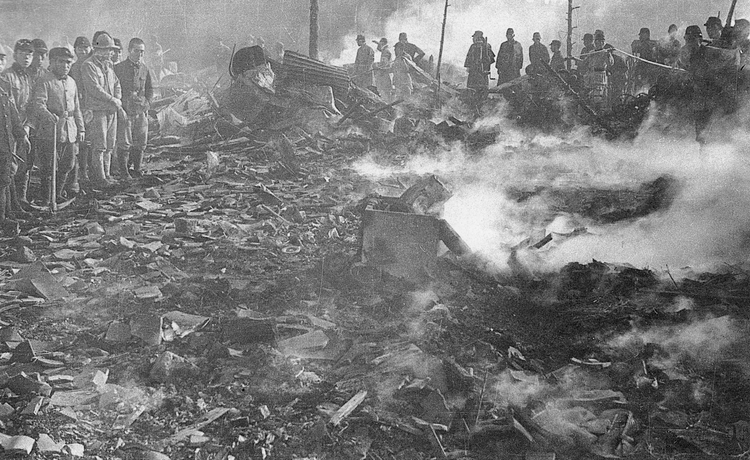
The material damage from the Doolittle Raid was, as anticipated, limited but still impactful. Approximately 50 people were killed, including women and children, and around 100 buildings were damaged. A significant blow was struck against the submarine tender Taigei, which suffered serious damage. This outcome exceeded initial expectations, considering the inherent inaccuracy of bombing technology at that stage of the war and the limited payload of each aircraft. The hope that incendiary bombs might spark uncontrollable fires was largely thwarted by the recent air-raid drill, which meant much of the Tokyo Fire Department was still on alert and quickly able to contain any blazes.
The most harrowing part of the raid unfolded after the bombs were dropped. As their fuel reserves dwindled, the crews faced immense challenges. Four of the bombers managed to crash-land in Allied China, their pilots and crews enduring perilous journeys through occupied territory with the help of Chinese civilians and resistance fighters. One aircraft, experiencing severe technical problems, was forced to land at the Russian port of Vladivostok. The remaining crews were compelled to abandon their aircraft, bailing out over China as their fuel ran out, facing an uncertain fate in unfamiliar, often hostile, terrain.
Tragically, three servicemen were captured after ditching their plane near Ningpo, and five more after parachuting out near Nanchang. These eight airmen were subjected to brutal torture and a horrific show trial for alleged war crimes, particularly for hitting civilian targets, albeit unintentionally. The Japanese authorities executed three of these airmen: Dean E. Hallmark, William G. Farrow, and Harold A. Spatz. A fourth airman, Robert J. Meder, succumbed to the terrible conditions and diseases rampant in Japanese prisons. The remaining four airmen, interned in Shanghai, endured nearly three years of captivity before their eventual release at the war’s end in August 1945.
The crew that landed in Vladivostok faced a different form of internment. As the USSR was not formally at war with Japan at the time, they were held by Soviet authorities, who had no desire to provoke Japan. However, in a testament to human ingenuity and determination, they managed to escape 13 months later, making their way to Persia (modern-day Iran) and eventually back to Allied lines. In total, 71 of the 80 US servicemen involved, including Doolittle himself, survived the perilous raid. The US fleet, with the Hornet and Enterprise, returned to Pearl Harbor unscathed on April 25, having achieved its objective and evaded Japanese retaliation.
Official Responses: Morale Boost and Strategic Rethink
The immediate aftermath of the Doolittle Raid saw contrasting but equally significant official responses from the Allied and Axis powers.
United States: A Resounding Morale Boost
For the United States, still reeling from the shock of Pearl Harbor and facing a series of defeats in the Pacific, the Doolittle Raid was an invaluable shot in the arm. The news, initially shrouded in secrecy about the launch point (President Roosevelt famously quipped the planes came from "Shangri-La"), brought a wave of euphoria and pride across the nation. It proved that America could strike back, that the Japanese homeland was not invulnerable, and that the tide could eventually turn. This psychological victory was paramount for public morale and national resolve, demonstrating that the US armed forces were capable of daring and effective operations despite earlier setbacks. President Roosevelt’s administration capitalized on this success to rally support for the war effort.
Japan: Discredit, Outrage, and a Strategic Shift
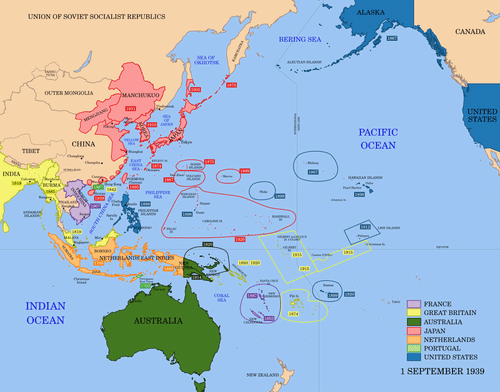
In Japan, the official response was a mixture of disbelief, outrage, and profound strategic re-evaluation. The Japanese military government had repeatedly assured its populace that the home islands were impregnable. The Doolittle Raid shattered this carefully cultivated illusion. Toshikazu Kase, Principal Secretary to the Foreign Minister, vividly captured the sentiment: "When the Doolittle raid was conducted that produced a consternation because the military repeatedly assured the public that the Japanese sky was impenetrable. When this alleged impenetrability failed it naturally produced a reaction of discrediting the capability of the military command." (Holmes, 208)
The raid not only embarrassed the military but also exposed a significant vulnerability. The Japanese public, having been told they were safe, now faced the stark reality of war reaching their cities. This forced the Japanese military command to re-evaluate its defensive perimeter and its overall strategy in the Pacific. The outrage over civilian casualties, particularly given the raid’s deliberate targeting of industrial sites but accidental impact on civilian areas, led to the brutal treatment and execution of the captured airmen, a grave violation of the laws of war. This act further hardened the resolve on both sides of the conflict.
Implications: Reshaping the Pacific War
The Doolittle Raid, despite its limited material damage, had profound and far-reaching implications that significantly influenced the trajectory of the Pacific War.
Strategic Shifts in Japanese Doctrine
One of the most direct consequences of the raid was its impact on Japanese military strategy. As Doolittle himself later noted, "Most important of all, it caused the retention of aircraft for the protection of the home islands that would have been much more effective had they been able to go south, where the fighting was going on." (Holmes, 209) This diversion of precious air assets from active combat zones to home defense directly weakened Japan’s offensive capabilities in other theaters.
Furthermore, the raid dramatically eroded the existing opposition within the Japanese Navy to engaging the US Pacific Fleet in a decisive battle. Admiral Isoroku Yamamoto, commander of the Combined Fleet, had long advocated for a decisive engagement to cripple the US fleet and force a negotiated peace. The Doolittle Raid provided the impetus, convincing skeptics that expanding Japan’s defensive perimeter was paramount, necessitating a bold offensive to eliminate the US carrier threat. This shift in thinking directly contributed to two pivotal naval engagements: the Battle of the Coral Sea in May 1942 and, more significantly, the Battle of Midway in June 1942. Midway proved to be a catastrophic defeat for Japan, resulting in the loss of four irreplaceable aircraft carriers and marking a decisive turning point in the Pacific War, from which Japan never fully recovered.
To minimize the possibility of future raids and secure their perceived defensive perimeter, Japanese forces also launched campaigns to capture strategic airfields in China, notably the Chuchow airfield, which had been the planned landing site for the Doolittle raiders. This led to brutal "rice bowl" campaigns, causing immense suffering to the Chinese populace. Additionally, an unsuccessful attempt was made to capture the Aleutian Islands, aiming to prevent any US carriers from getting close enough to launch a repeat of the Doolittle Raid.
A Precedent for Future Air Campaigns
The Doolittle Raid also served as a stark preview of the destructive power that aerial warfare would unleash on Japan. While Tokyo’s skies would not be darkened by US bombers again for another 31 months, the raid undeniably set a precedent. When US bombers did return, particularly after the capture of the Mariana Islands in June 1944, the intensive and sustained air campaign against Japanese cities, primarily by the long-range B-29 Superfortress bombers, would cause massive destruction and unparalleled loss of life. The Doolittle Raid had been a warning shot, demonstrating the vulnerability that would ultimately lead to the firebombing of Tokyo and other cities, and eventually, the atomic bombs on Hiroshima and Nagasaki.
Legacy and Recognition
The Doolittle Raid cemented its place in military history and popular culture. James H. Doolittle received the Medal of Honor, the United States’ highest military decoration, and was promoted to the rank of brigadier general, recognizing his extraordinary leadership and courage. The story of the raid quickly captivated the public imagination, inspiring numerous literary and cinematic works. Ted W. Lawson, one of the pilots involved, penned the 1943 book Thirty Seconds over Tokyo, which vividly recounted his experiences. This book served as the basis for the critically acclaimed 1944 film of the same name, starring Spencer Tracy as Doolittle. More recently, the raid also featured prominently in the 2001 film Pearl Harbor, starring Ben Affleck.
The Doolittle Raid, while not a decisive military victory in terms of material destruction, was a pivotal psychological and strategic triumph. It provided a much-needed morale boost for the United States, shattered Japan’s illusion of invulnerability, and directly influenced the strategic decisions that would ultimately lead to Japan’s defeat in the Pacific. It remains a powerful testament to the ingenuity, courage, and audacious spirit of those who fought in World War II.