"Golden Axe" Animated Series Revives Retro Icon with a Comedic Twist, Sparking Debate Among Fans
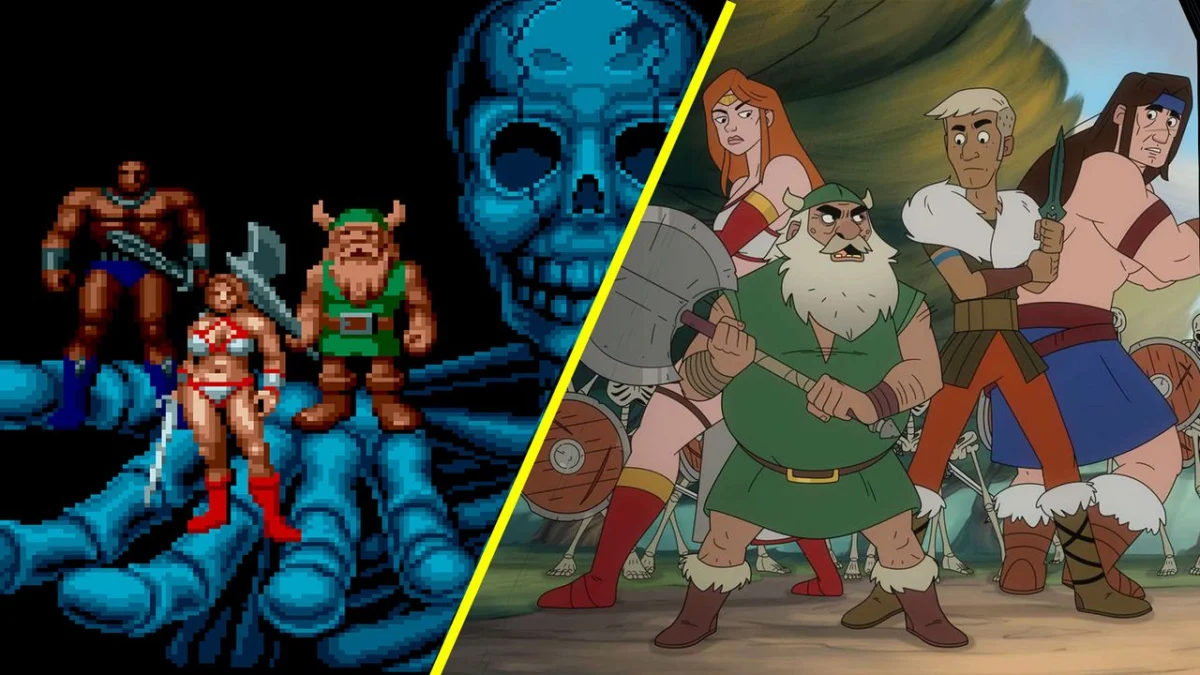
Paramount+ Prepares for September 16th Premiere of 2D Animated Series, Shifting Focus from Gritty Fantasy to Self-Aware Humor
A beloved 1989 arcade classic, Sega’s "Golden Axe," is set to make a significant comeback, not through a new video game, but via a 2D animated television series premiering on Paramount+ on September 16th. While the prospect of seeing the iconic sword-and-sorcery beat ’em up brought to life in animation has generated excitement, the series’ unexpected pivot to comedy has ignited a passionate debate among long-time fans and retro gaming enthusiasts.
The upcoming series, helmed by creators Mike McMahan ("Star Trek: Lower Decks") and Joe Chandler ("American Dad"), promises a nostalgic visual style reminiscent of Saturday morning cartoons, a move that has been met with general approval. However, the self-aware, meta-humorous approach to the source material has raised eyebrows, with many questioning whether this comedic interpretation truly honors the gritty, atmospheric essence of the original "Golden Axe."
The Genesis of a Revival: From Arcade Halls to Streaming Platforms
"Golden Axe," released in arcades in 1989, quickly became a flagship title for Sega, captivating players with its vibrant 16-bit graphics, visceral combat, and a compelling fantasy narrative. Players chose from three distinct heroes – Ax Battler, Gilius Thunderhead, and Tyris Flare – to embark on a quest to defeat the tyrannical Death Adder and reclaim the titular Golden Axe. The game was lauded for its challenging gameplay, memorable boss battles, and surprisingly impactful sound design, including blood-curdling screams sampled from horror films.
Despite its critical and commercial success, "Golden Axe" has seen fewer direct animated adaptations compared to other prominent video game franchises. While this new series marks a significant attempt to translate its world into a different medium, the creators’ chosen direction has become a focal point of discussion.
A Comedic Reimagining: Shifting the Tone of a Dark Fantasy
The trailer for the "Golden Axe" animated series reveals a distinct departure from the game’s original tone. While the 2D animation style evokes a sense of retro charm, the dialogue and character interactions suggest a significant comedic slant. This is further emphasized by the introduction of new comedic characters, such as Hampton Squib, an "eager and unqualified newcomer" voiced by Danny Pudi, a voice actor known for his comedic roles.
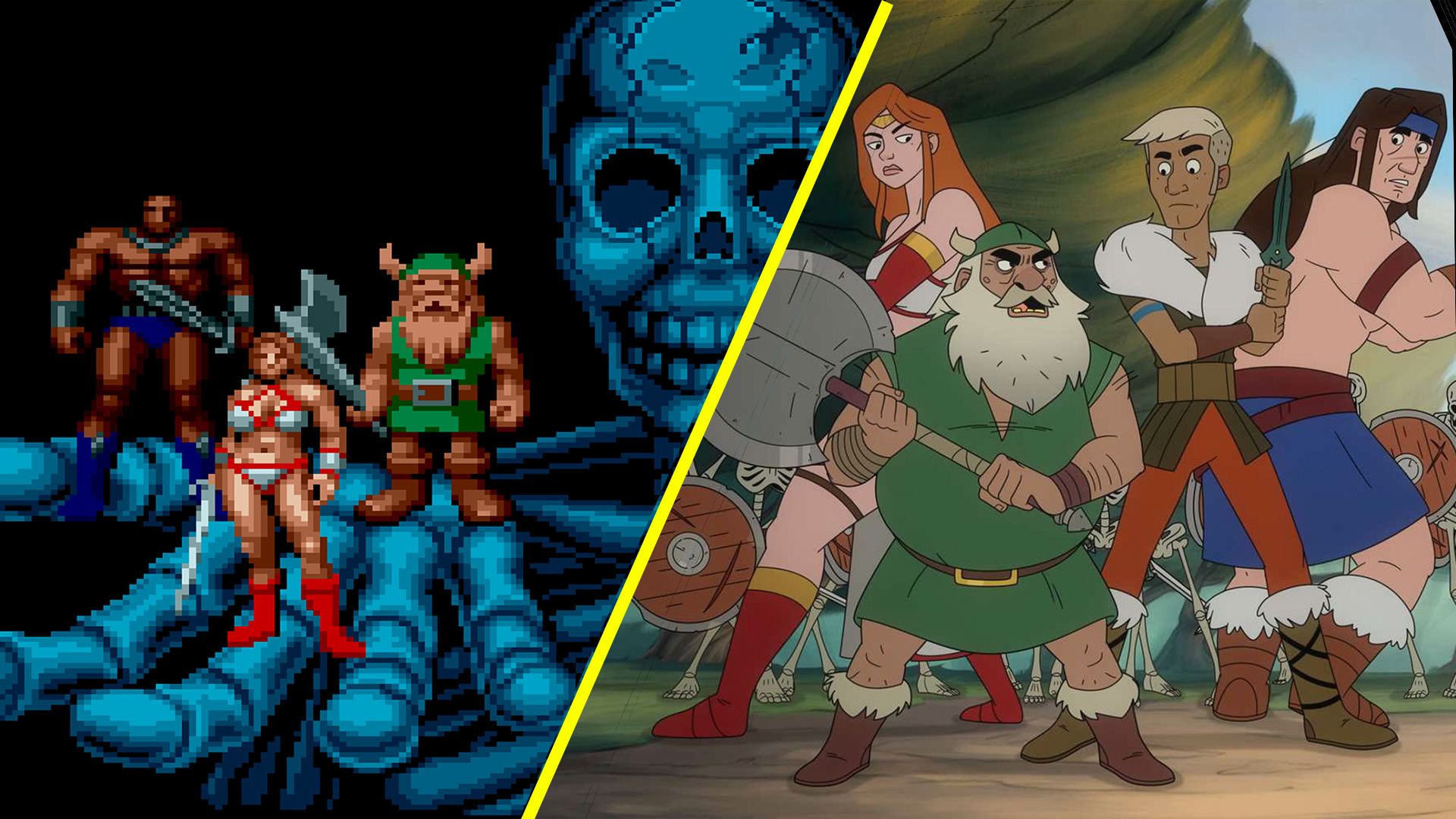
The core trio of heroes from the original game are present, each voiced by notable actors: Matthew Rhys as the "grumpy battle dwarf with exceptionally poor hygiene and a chip on his shoulder," Gilius Thunderhead; Liam McIntyre as Ax Battler, the "barbarian warrior with a strict code of honor and sweet golden retriever demeanor"; and Lisa Gilroy as Tyris Flare, who is described as "deadly in a fight and even deadlier with her sharp wit." The inclusion of characters like Chronos "Evil" Lait from "Golden Axe III" and the "trusty purple mutant thingys" (Cocatriz) adds further layers to the expanding "Golden Axe" universe.
However, the creators’ decision to inject a heavy dose of comedy into a franchise that was once considered a benchmark for grim fantasy has not sat well with all fans. The original "Golden Axe" narrative, while not overly complex, involved the protagonists grappling with the trauma of their parents and siblings’ deaths at the hands of Death Adder. This element of personal tragedy and dark fantasy contributed significantly to the game’s atmosphere. The shift towards a self-aware, meta-comedic style, as seen in shows like "Scooby Doo" (according to one observation in the original article), has led some to question if this reimagining diminishes the impact of the source material.
The Visuals and Voices: A Nostalgic Foundation for New Humor
The visual presentation of the "Golden Axe" animated series appears to be a strong point of appeal for many. The use of 2D animation directly mirrors the aesthetic of the original 16-bit game, offering a visual continuity that resonates with fans of retro gaming. This stylistic choice taps into a growing trend of reviving classic visual styles in modern media, often evoking a sense of nostalgia and appreciation for foundational animation techniques.
The voice cast, featuring established actors like Matthew Rhys, Liam McIntyre, and Lisa Gilroy, brings a level of professionalism and character depth that can elevate even a comedic narrative. Their interpretations of the iconic characters suggest a commitment to bringing these personalities to life, albeit through a new comedic lens. The inclusion of Danny Pudi as Hampton Squib further signals the creators’ intention to lean into humor, leveraging Pudi’s comedic timing and experience.
Behind the Scenes: The Vision of McMahan and Chandler
Mike McMahan, known for his work on "Star Trek: Lower Decks," brings a track record of successfully adapting established sci-fi properties with a blend of reverence and humor. Joe Chandler, with his experience on "American Dad," also possesses a strong foundation in comedic writing for animated television. Their collaboration on "Golden Axe" suggests a deliberate effort to imbue the series with their signature comedic sensibilities.
However, this creative partnership also represents a significant departure from the original game’s artistic intent. While the creators have expressed a desire to explore the "sparse" lore of "Golden Axe," their approach appears to prioritize comedic narrative over the atmospheric and gritty tone that defined the game. This has led to discussions about whether certain franchises are inherently better suited to comedic adaptations than others, with "Sonic" and "Mario" often cited as examples where lighthearted humor feels more organic.
Fan Reactions and the Specter of Parody
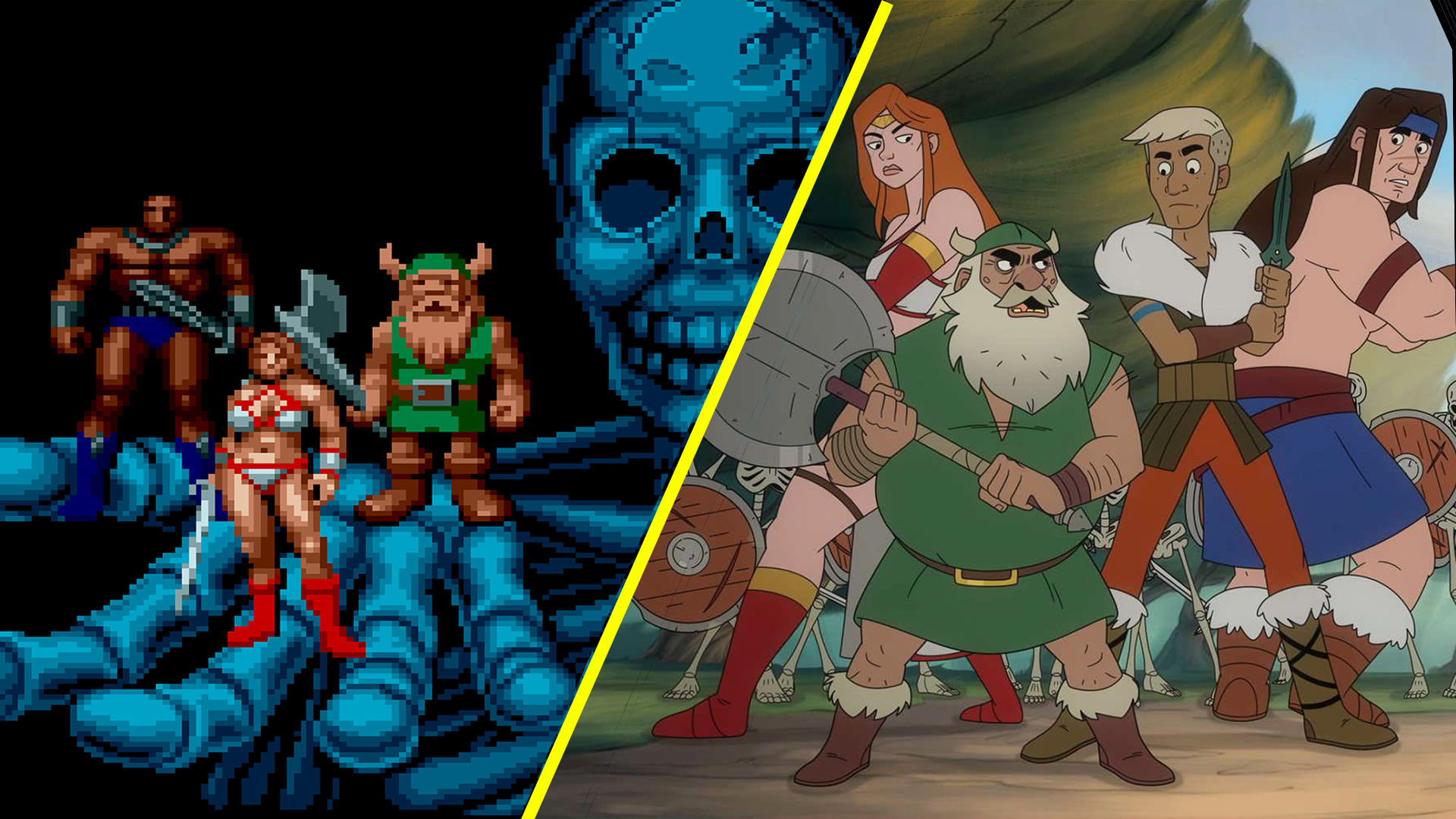
The announcement and subsequent trailer for the "Golden Axe" animated series have elicited a mixed bag of reactions from the gaming community. While some express excitement for any new content featuring the beloved franchise, a significant portion of the fanbase has voiced concerns about the comedic direction.
"It’s giving nostalgic Saturday morning vibes," one observation noted, acknowledging the visual appeal. However, the immediate follow-up, "But the self-aware gags? Golden Axe’s 16-bit graphics might look rudimentary today, but this was a gritty game with gravitas, atmosphere, and blood-curdling movie-sampled screams when you killed someone," encapsulates the core of the debate. This sentiment highlights a perceived disconnect between the original game’s dark fantasy roots and the animated series’ comedic aspirations.
The question of whether every nostalgic sword and sorcery fantasy revival is destined to become a parody, following in the wake of titles like "Masters of the Universe: Revelation," is a pertinent one. For "Golden Axe," a franchise built on a foundation of tangible threat and heroic struggle, a comedic reimagining might risk undermining the very qualities that made it a classic.
The Implications for Retro Game Adaptations
The "Golden Axe" animated series serves as a case study in the challenges and opportunities of adapting beloved retro video games for new audiences. It raises important questions about how to balance faithfulness to the original material with the demands of contemporary entertainment.
- Preservation of Tone: The core of the debate lies in whether the comedic tone of the series detracts from or enhances the "Golden Axe" experience. For fans who cherish the game’s dark fantasy atmosphere, a shift to comedy may feel like a dilution of its essence.
- Nostalgia vs. Innovation: While the series taps into nostalgia through its visual style and character roster, the comedic reinvention represents a significant innovation. The success of this approach will ultimately depend on how well it resonates with both long-time fans and new viewers.
- The Future of Game Adaptations: The "Golden Axe" series could influence future retro game adaptations, potentially encouraging more comedic interpretations or, conversely, reinforcing the value of preserving the original tone. The success or failure of this endeavor will undoubtedly be watched closely by studios and fans alike.
Looking Ahead: A Grim Axe or a Laughing Matter?
As September 16th approaches, the "Golden Axe" animated series stands poised to introduce a new generation to the world of Ax Battler, Gilius Thunderhead, and Tyris Flare. Whether this comedic reimagining will win over the skeptics and forge its own identity, or be perceived as a missed opportunity to recapture the dark fantasy magic of the original, remains to be seen. The release of the series will undoubtedly provide the ultimate answer, but for now, the debate continues, a testament to the enduring passion and diverse interpretations of a true retro gaming icon.