The Critical Failure of System Critical 3: A Case Study in VR Design Pitfalls
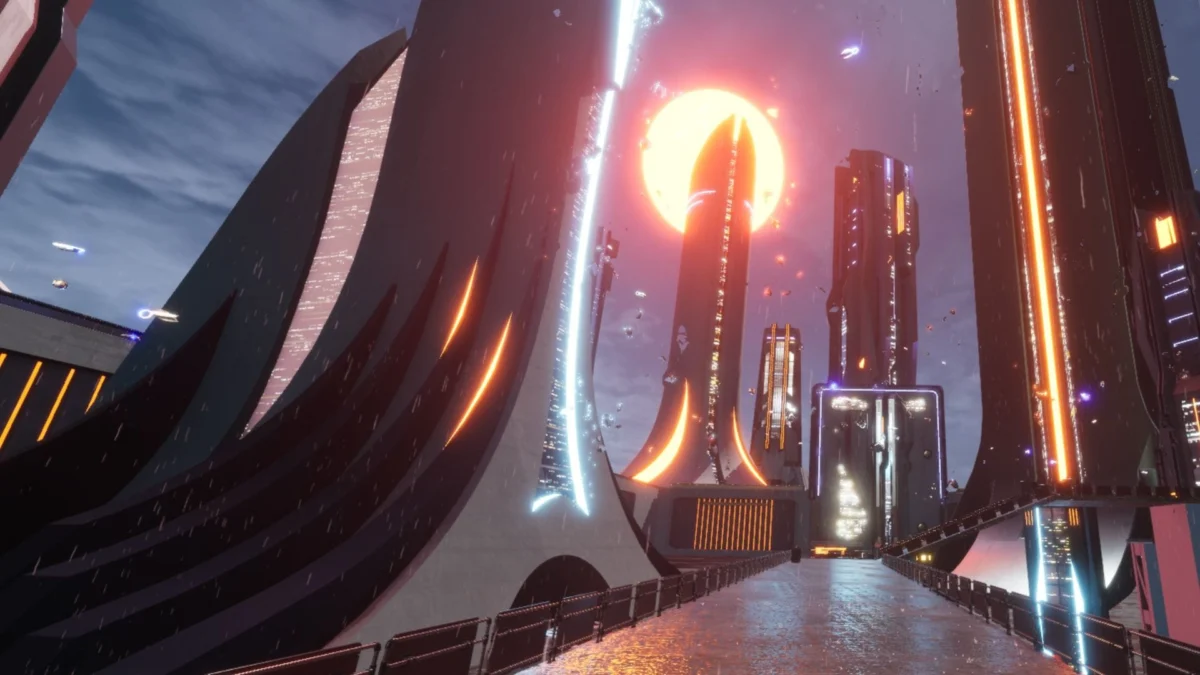
The landscape of virtual reality (VR) gaming is often viewed as the "Wild West" of the interactive entertainment industry. It is a medium where solo developers can become overnight sensations through sheer innovation, yet it is also a space where fundamental design principles are frequently discarded in favor of gimmickry. The recent release of System Critical 3 on the PlayStation VR2 (PSVR2) serves as a stark reminder of the latter. Developed and published by the solo outfit Old Formulas, the title attempts to pay homage to the golden era of arcade shooters and the "blue bomber" aesthetics of Mega Man. However, the final product has been met with significant criticism, being labeled by reviewers as one of the most poorly executed VR experiences in recent memory.
This article provides an in-depth analysis of the title, exploring its mechanical failures, its controversial use of generative AI, and the broader implications for the PSVR2 ecosystem.
I. Main Facts: The Specifications of a Sequel
System Critical 3 arrives as the third installment in a series that has struggled to find its footing. Despite the "3" in its title implying a refined or evolved experience, the game maintains a level of production quality that many critics have likened to a student project rather than a commercial $19.99 product.
- System Critical 3
- Developer/Publisher: Old Formulas (Solo Developer)
- Platform: PlayStation VR2 (Exclusive)
- Price Point: $19.99 USD
- Genre: Retro-inspired Sci-Fi Arcade Shooter
- Key Influences: Mega Man, classic arcade bullet-hells, and 90s sci-fi tropes.
- Release Status: Available now on the PlayStation Store.
The game positions itself as a "hardcore" challenge for VR veterans, promising eight main missions, several boss encounters, and hidden secrets. Yet, the disconnect between its marketing promises and the user experience has sparked a heated debate regarding quality control on curated storefronts like the PlayStation Store.
II. Chronology of the Experience: From Menu to Misery
The user journey in System Critical 3 is fraught with technical and design hurdles from the moment the headset is donned. To understand the depth of its failure, one must look at the chronological progression a player takes through the game.
The Onboarding and UI Disorientation
The initial interaction with the game occurs in the main menu, which sets a troubling tone. Critics have pointed out that the UI lacks a cohesive art style, utilizing basic fonts that clash with the game’s "System Critical" branding. However, the most egregious technical flaw is found in the settings menu.
In VR, maintaining a consistent visual frame is essential to prevent motion sickness and disorientation. System Critical 3 violates this rule by cutting to a total black screen with the word "Saving" in bright white text every time a toggle is switched. This lack of a seamless transition is a fundamental error in VR development, showing a lack of understanding of how the human brain processes sudden visual shifts in an immersive environment.
The Narrative and Generative AI Controversy
Once the player begins a new game, they are met with an expositional slideshow. The narrative is a patchwork of generic sci-fi tropes: Earth has been conquered by a mysterious organization known as "Evil Eye," and the player assumes the role of "Cyborg 17," a child kidnap victim turned killing machine seeking vengeance.
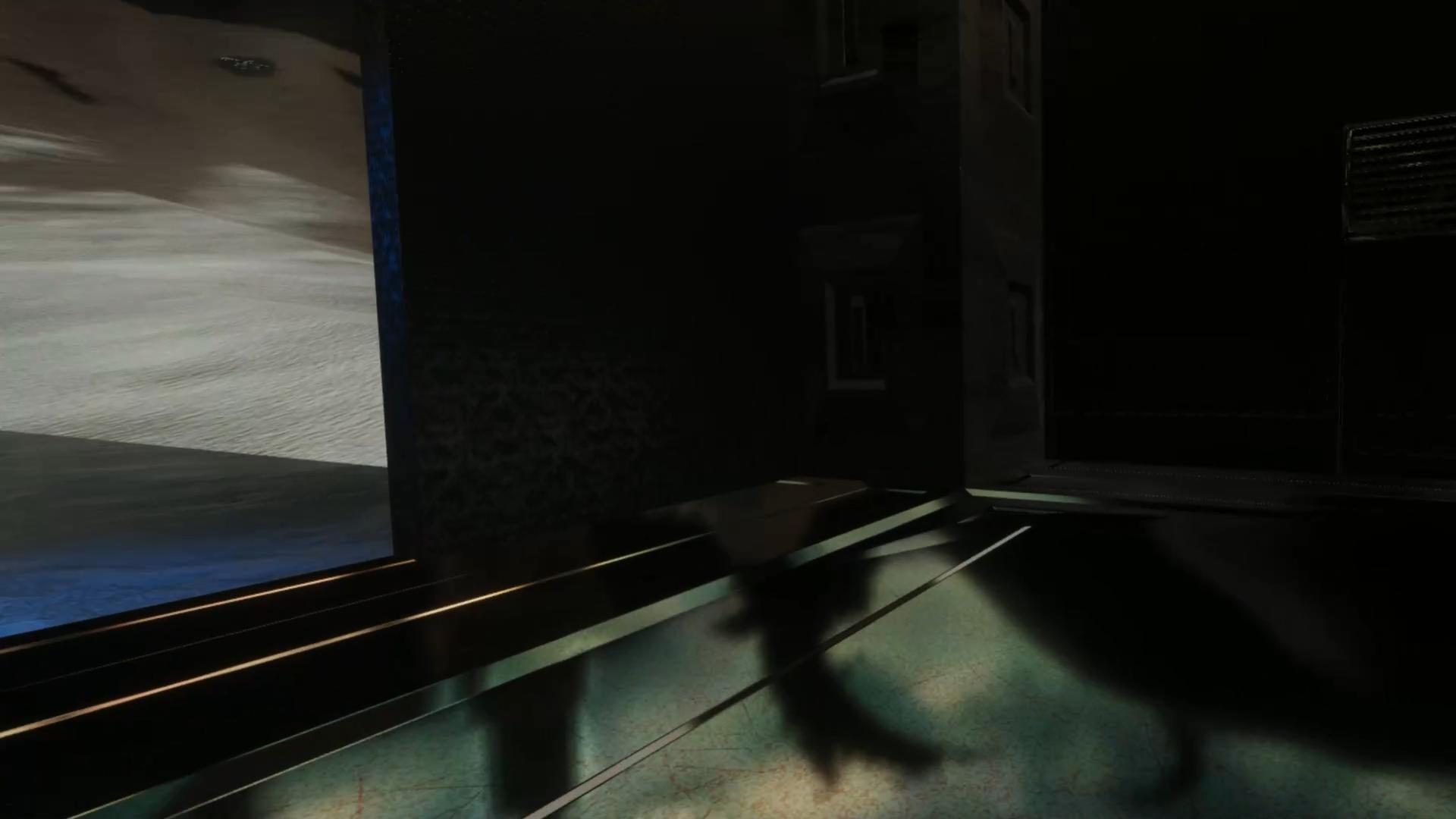
The delivery of this story has drawn ire for its reliance on generative AI. The images used in the opening "cutscenes" lack visual coherence, featuring inconsistent character designs and the "dream-like" distortions common in AI-generated content. For a paid product, the use of unrefined AI assets is seen by many as a shortcut that robs the game of its artistic soul.
The Gameplay Loop
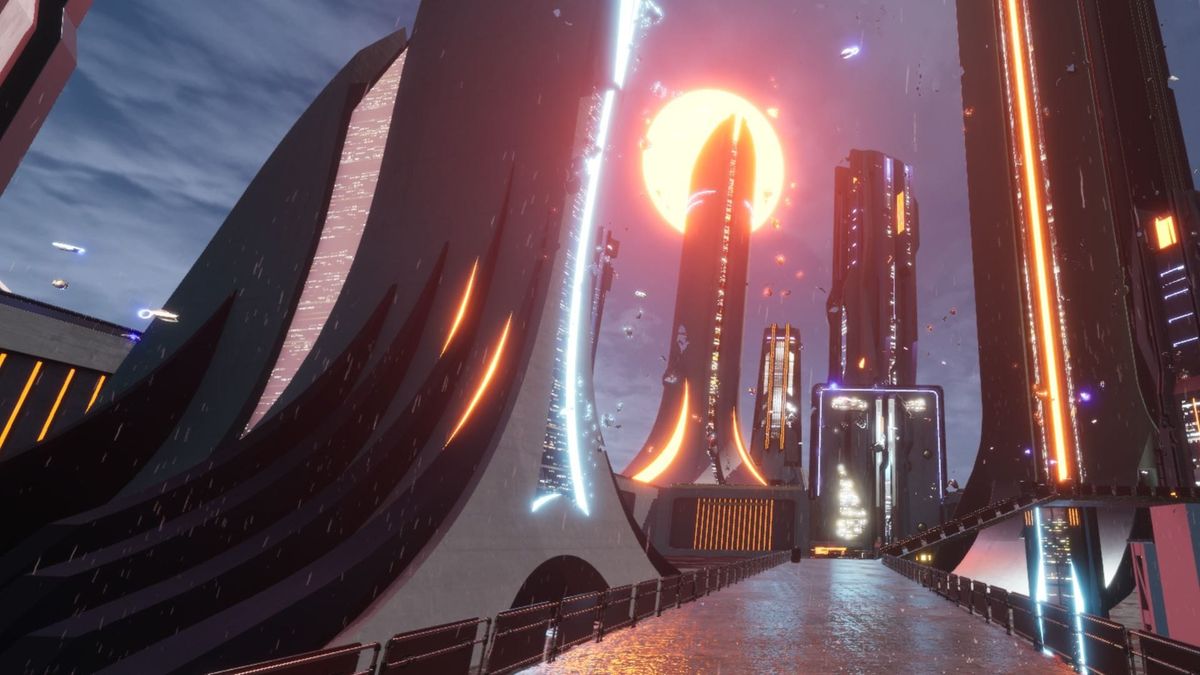
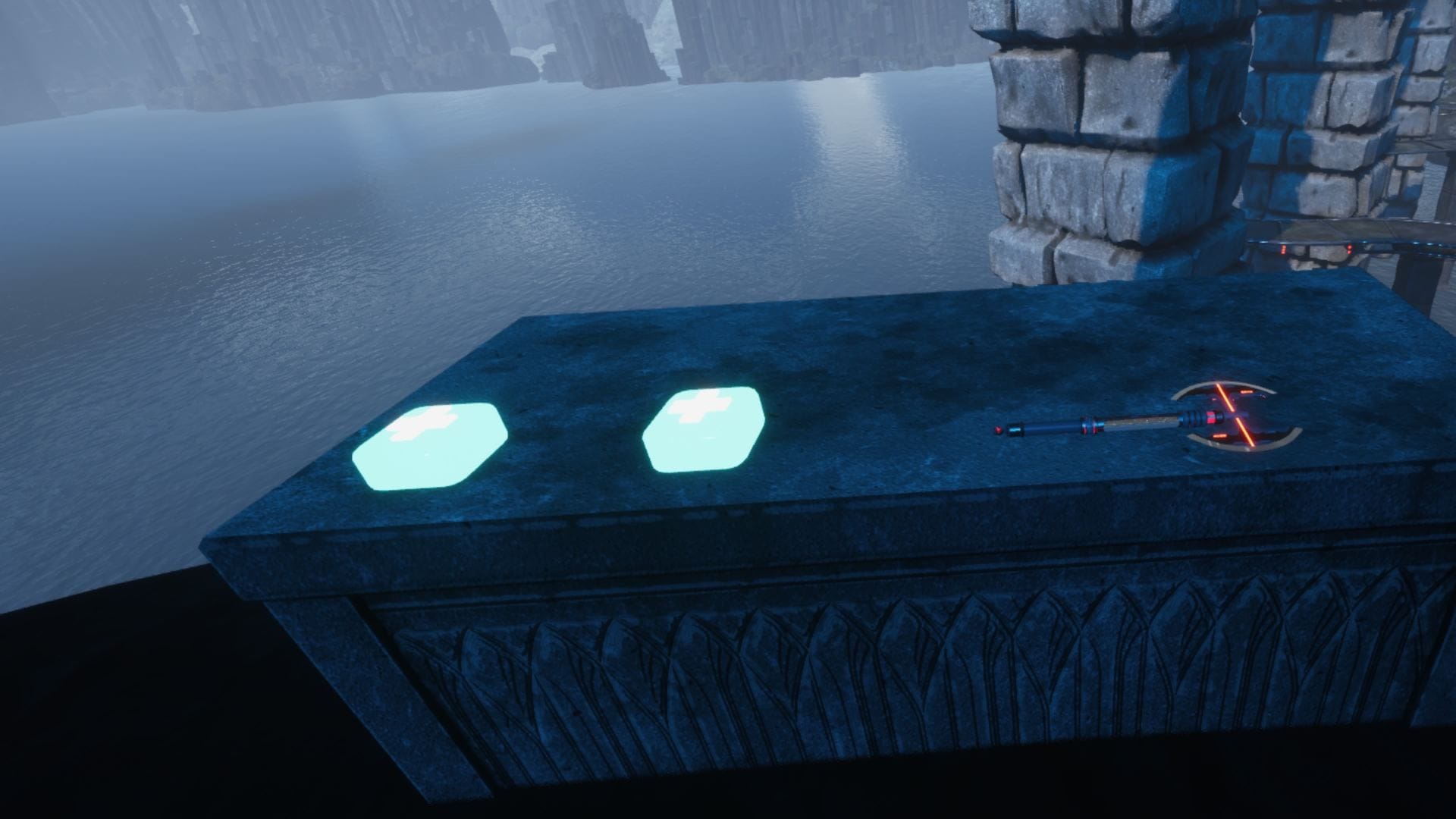
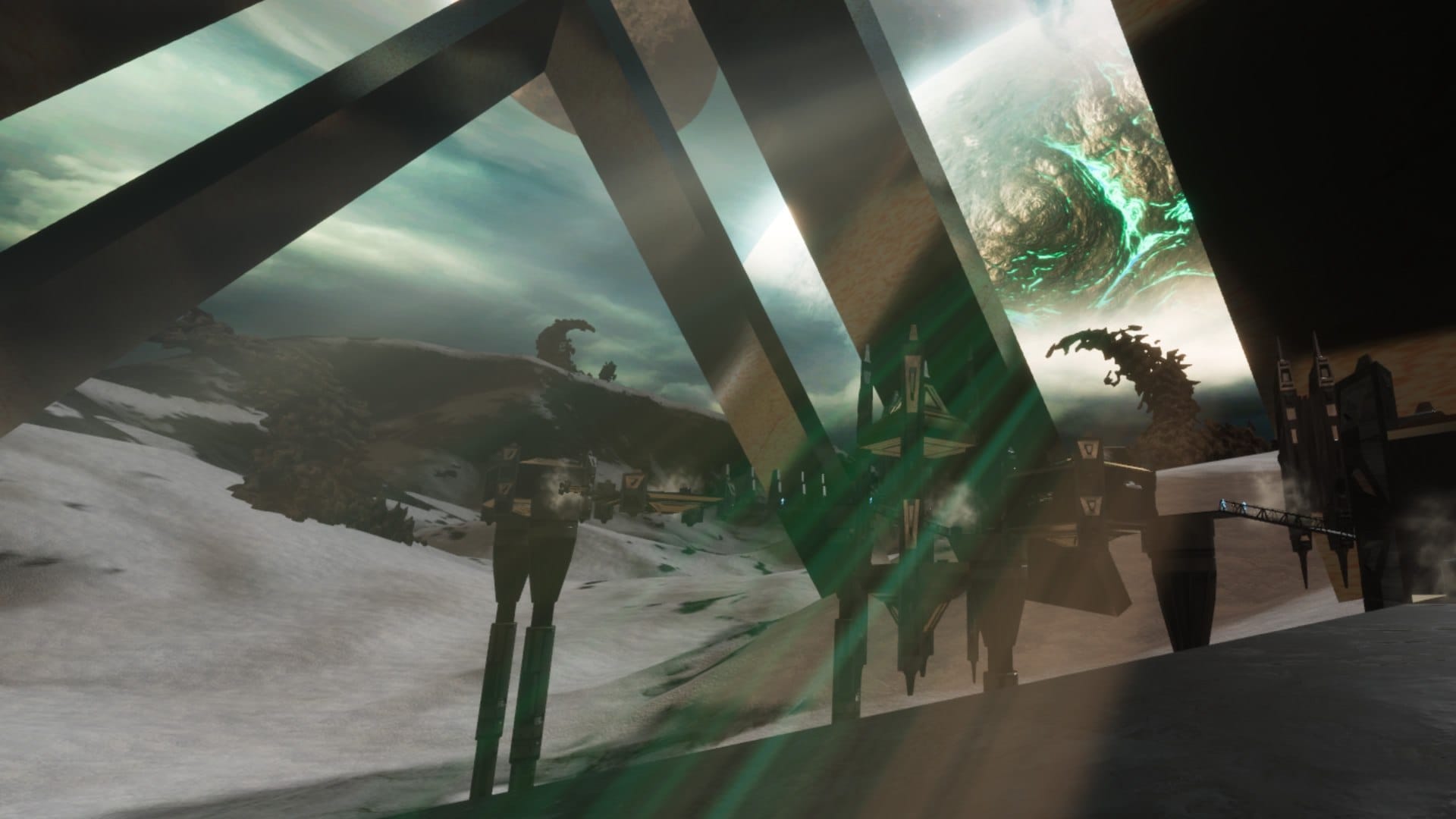
After the intro, the player is presented with a mission select screen clearly inspired by Mega Man. Stages like "Nebula Frost Basin" and "Shattered Ice Meridian" suggest a variety of environments. However, once the player enters a level, the "arcade inspiration" is quickly overshadowed by what reviewers describe as "borderline unplayable" level design.
III. Supporting Data: Analyzing the Mechanical Failures
The failure of System Critical 3 is not merely a matter of taste; it is a result of specific, quantifiable design flaws that ignore the established "best practices" of VR development.
1. Platforming and Architectural Design
The game introduces precision platforming—a difficult feat to pull off in VR—without the necessary mechanical support. Players are often spawned on floating platforms with no clear architectural logic.
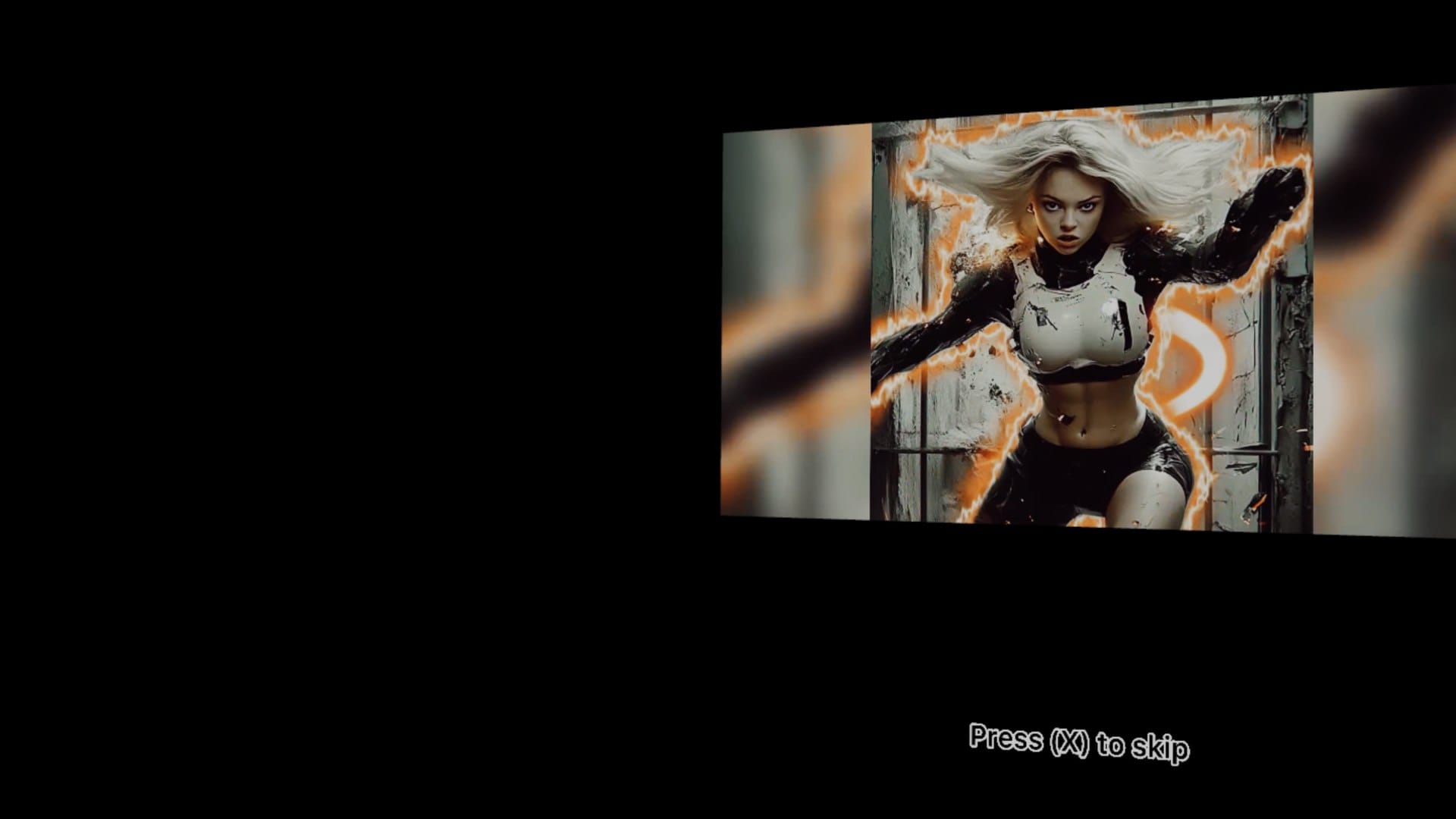
- The Momentum Problem: To clear large gaps, the game requires players to gain physical momentum before jumping. In a VR space, where the player’s physical body is stationary but their virtual body is moving rapidly toward a ledge, this creates a high risk of vestibular mismatch (motion sickness).
- Collision Detection: The hitboxes for platforms are reportedly imprecise, leading to instances where players fall through what appears to be solid ground.
2. Gunplay and Enemy AI
As an arcade shooter, the core loop should rely on "game feel"—the tactile satisfaction of firing weapons.
- The Arsenal: Players have a firearm and a blaster. While the concept is sound, the execution is hampered by a lack of impact.
- Enemy Behavior: The AI is described as "nonexistent." Enemies do not follow patterns or engage in strategic movement; instead, they are programmed to be aware of the player’s position at all times, firing a constant, mindless barrage of projectiles.
- Movement Interference: Because enemy bullets physically push or "stagger" the player, being hit while attempting the aforementioned momentum-based jumps often results in an instant, unavoidable death.
3. Technical Performance and Sound
- Audio Balance: The sound design is characterized by "obnoxiously loud" explosions that drown out the electronic soundtrack. The voice acting for the player character’s death screams is inconsistent in volume and tone, ranging from over-the-top to barely audible.
- Haptics: One of the few data points in the game’s favor is its use of PSVR2-exclusive features. The Sense controllers provide decent haptic feedback, and the headset itself vibrates when the "Slow Motion" gauge (activated by R3) is depleted. This indicates that the developer had the technical capability to utilize the hardware but failed to apply that care to the broader game design.
IV. Context and Official Positioning
While the developer, Old Formulas, has not issued a formal "press release" response to the negative reviews, their positioning as a solo developer is central to the conversation.
In the indie gaming world, "solo dev" status is often used as a shield against criticism. However, the industry standard suggests that once a game enters a premium price bracket ($15-$30), it must meet a baseline of functional quality. System Critical 3 is being compared unfavorably to other solo projects like Among Giants, which managed to deliver a polished experience within the constraints of a single-person team.
The official store description for System Critical 3 emphasizes its "retro" and "hardcore" nature. This phrasing is often used in the industry to rebrand "clunky" or "unpolished" mechanics as intentional design choices. However, the consensus among VR critics is that there is a distinction between "difficult by design" and "difficult due to poor programming."
V. Implications: The Future of the PSVR2 Library
The release and subsequent panning of System Critical 3 raise several important questions for the VR industry and Sony’s management of the PSVR2.
1. The Quality Control Dilemma
Sony’s PlayStation Store has historically been seen as a more curated environment than Steam. The presence of a title described as "borderline unplayable" suggests a loosening of the "Technical Requirements" (TRCs) that games must pass to be published. If the PSVR2 library becomes saturated with low-quality titles, it may deter potential hardware buyers who are already skeptical of the platform’s software support.
2. The Ethics of AI in Commercial VR
The use of AI-generated assets in System Critical 3 is a flashpoint for a larger industry trend. As tools become more accessible, the barrier to entry for game development lowers. While this allows more people to create, it also leads to a "devaluation of the craft." When players pay $20, they generally expect human-curated art. The backlash against System Critical 3 may serve as a warning to other developers that AI shortcuts are easily spotted and heavily penalized by the community.
3. The "Curation" Crisis
For the VR medium to survive, it needs "killer apps" that justify the cost of the headset. Titles like System Critical 3 arguably do the opposite; they provide a negative "first-time" experience that can turn users off from VR entirely due to motion sickness caused by poor design.
Final Verdict
System Critical 3 stands as a cautionary tale. It is a game that understands the aesthetic of its inspirations—the 8-bit era, the sci-fi cyborgs, the thumping synth music—but fails to understand the mechanics that made those inspirations successful. For the PSVR2 community, the advice remains clear: unless one possesses a morbid curiosity for the "worst of the worst," this is a system that is best left un-booted.
As the VR market continues to mature, the tolerance for "unpolished jank" is rapidly disappearing. Developers, whether solo or part of a triple-A studio, must prioritize the fundamental comfort and functionality of the player if they hope to succeed in the most immersive medium ever created.