Loewe’s Subtle Brilliance: How a Fashion House Reinvented Logo Design with Ingenious Footwear

In an era where overt displays of wealth and brand recognition are increasingly being eschewed for a more sophisticated approach, luxury fashion house Loewe has masterfully demonstrated the power of subtle yet impactful design. Their latest creation, the "Type Fussbett" sandal, has become a talking point in the fashion world, not for its ostentatious branding, but for its ingenious integration of the Loewe name into its very structure. This innovative footwear choice signifies a broader shift in the luxury market towards "quiet luxury," where brand identity is conveyed through craftsmanship, material quality, and understated design rather than conspicuous logos.
The mid-2010s were characterized by a pervasive "flex culture" on social media, a period dominated by displays of fast cars, flashy brand logos, and the rise of the "new money" influencer. This era, while undeniably impactful in shaping contemporary consumerism, also led to a saturation of overt branding. Fortunately, the tide appears to be turning. Loud luxury logo branding, once a staple of the fashion landscape, has seemingly been laid to rest, prompting brands to seek more creative and nuanced ways to express their identity. This evolution is a welcome departure from the days of ubiquitous Gucci monogram tracksuits and a testament to the enduring power of sophisticated design.
Spanish fashion house Loewe, under the creative direction of Jonathan Anderson, has emerged as a leader in this subtle branding revolution. Their new logo sandals are a prime example of how a brand can embed its identity without resorting to overt signage. These sandals, with their deceptively simple aesthetic, possess a hidden genius that has captivated both fashion critics and consumers alike. The true brilliance lies in the way the Loewe name is woven into the very fabric of the sandal’s design, a testament to the brand’s commitment to innovation and artistic expression.
The Genesis of a Logo Revolution: From Function to Fashion Statement
The "Type Fussbett" sandal, a cornerstone of Loewe’s recent collections, is an evolution of a seemingly utilitarian design. Historically, the "Fussbett" or footbed sandal was conceived with comfort and practicality at its core. Its primary function was to provide ergonomic support for the foot, often featuring a contoured sole and a simple strap or buckle for adjustability. However, Loewe has masterfully transformed this functional object into a statement accessory.
The genius of the "Type Fussbett" sandal lies in its innovative hardware. Instead of a traditional buckle or closure, the sandal features a unique metal piece meticulously crafted to form the distinctive anagram of the Loewe name. This intricate design element is not merely decorative; it serves as the functional fastening mechanism of the sandal. The four Ls of the Loewe logo are artfully interconnected, creating a secure and aesthetically pleasing closure that is both practical and conceptually brilliant. This transformation of an everyday functional element into a sophisticated brand identifier is a hallmark of the quiet luxury movement. It speaks to a consumer who values craftsmanship, intellectual design, and a sense of exclusivity that doesn’t need to shout for attention.
The choice of material further elevates the "Type Fussbett" sandal into the realm of high fashion. Crafted from premium suede calfskin, the sandals exude an air of understated luxury. The soft, supple texture of the suede complements the sandal’s minimalist silhouette, while the inherent quality of the material speaks volumes about the brand’s commitment to excellence. The overall effect is a sandal that is both visually striking and incredibly tactile, a testament to Loewe’s dedication to creating pieces that are not only beautiful but also a pleasure to wear.
A Divide in Design: The Polarizing Reception of Loewe’s Innovative Sandals
Despite the undeniable cleverness of the design, the Loewe "Type Fussbett" sandals have sparked a fascinating debate among consumers, highlighting the subjective nature of fashion and the evolving definition of "ugly chic." The sandals have managed to divide opinion, eliciting strong reactions that range from fervent admiration to outright bewilderment.
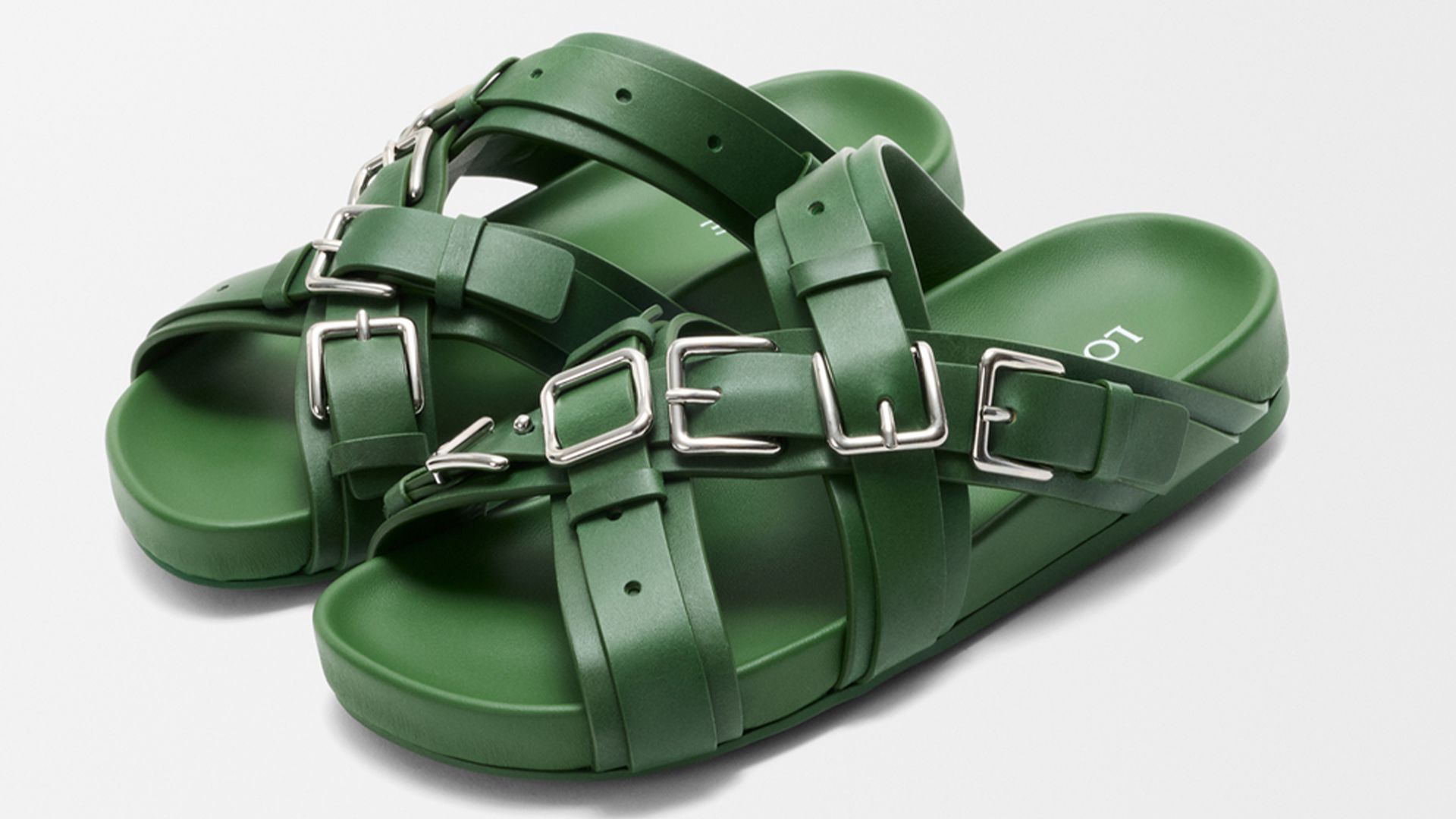
One vocal supporter of the design exclaimed, "I would buy them simply for the creativity in that hardware." This sentiment underscores the appreciation for the intellectual artistry behind the sandals. For this individual, the innovation and cleverness of the logo integration outweigh any perceived aesthetic shortcomings. The ability of the design to spark conversation and admiration for its ingenuity is, in itself, a significant achievement for the brand.
Conversely, another commenter expressed a more conflicted view, stating, "they’re ugly, but the concept is so gaggy that I rounded back to loving them." This statement encapsulates the "ugly chic" phenomenon, where an initially unappealing aesthetic is re-evaluated and embraced due to its boldness, uniqueness, or conceptual strength. The "gaggy" nature of the concept, implying something shocking or unexpectedly brilliant, suggests that the sandals possess a certain avant-garde appeal that transcends conventional beauty standards.
A similar sentiment was echoed by another individual who described the sandals as "Kinda ugly, kinda chic, kinda quirky. Love it." This description highlights the multifaceted nature of the design, acknowledging its unconventionality while simultaneously embracing its stylish and unique qualities. The "quirky" aspect suggests an element of playful experimentation, a willingness to push boundaries and challenge established norms.
Perhaps one of the most telling comments comes from a fan who remarked, "Whoever thought of this one needed a cute lil bonus on that check." This observation points to the commercial and creative success of the design, suggesting that the brains behind the concept were handsomely rewarded for their brilliant idea. It also implicitly acknowledges the significant impact and desirability of the sandals, despite their divisive nature.
This polarization in reception is not necessarily a negative for Loewe. In fact, it can be seen as a sign of the sandals’ success in sparking dialogue and capturing attention. In a fashion landscape often dominated by predictable trends, pieces that provoke thought and discussion are often the ones that leave a lasting impression. The "Type Fussbett" sandal has achieved this, solidifying its status as a noteworthy item in the current fashion conversation.
The Broader Implications: Quiet Luxury and the Future of Logo Design
The success of Loewe’s "Type Fussbett" sandal is indicative of a significant shift in consumer preferences and the broader luxury market. The era of overt, logo-driven consumption appears to be waning, replaced by a growing appreciation for "quiet luxury." This trend prioritizes quality, craftsmanship, and understated elegance over ostentatious displays of wealth. Consumers are increasingly seeking out brands that offer timeless pieces with a focus on material integrity and design innovation, rather than those that rely on prominent branding to signal status.
This shift has profound implications for logo design. Brands are no longer solely focused on creating easily recognizable emblems that can be plastered across products. Instead, the emphasis is shifting towards integrating brand identity in more sophisticated and subtle ways. This can involve embedding the logo within the texture of a fabric, subtly embossing it onto hardware, or, as in Loewe’s case, ingeniously incorporating it into the functional elements of a product.
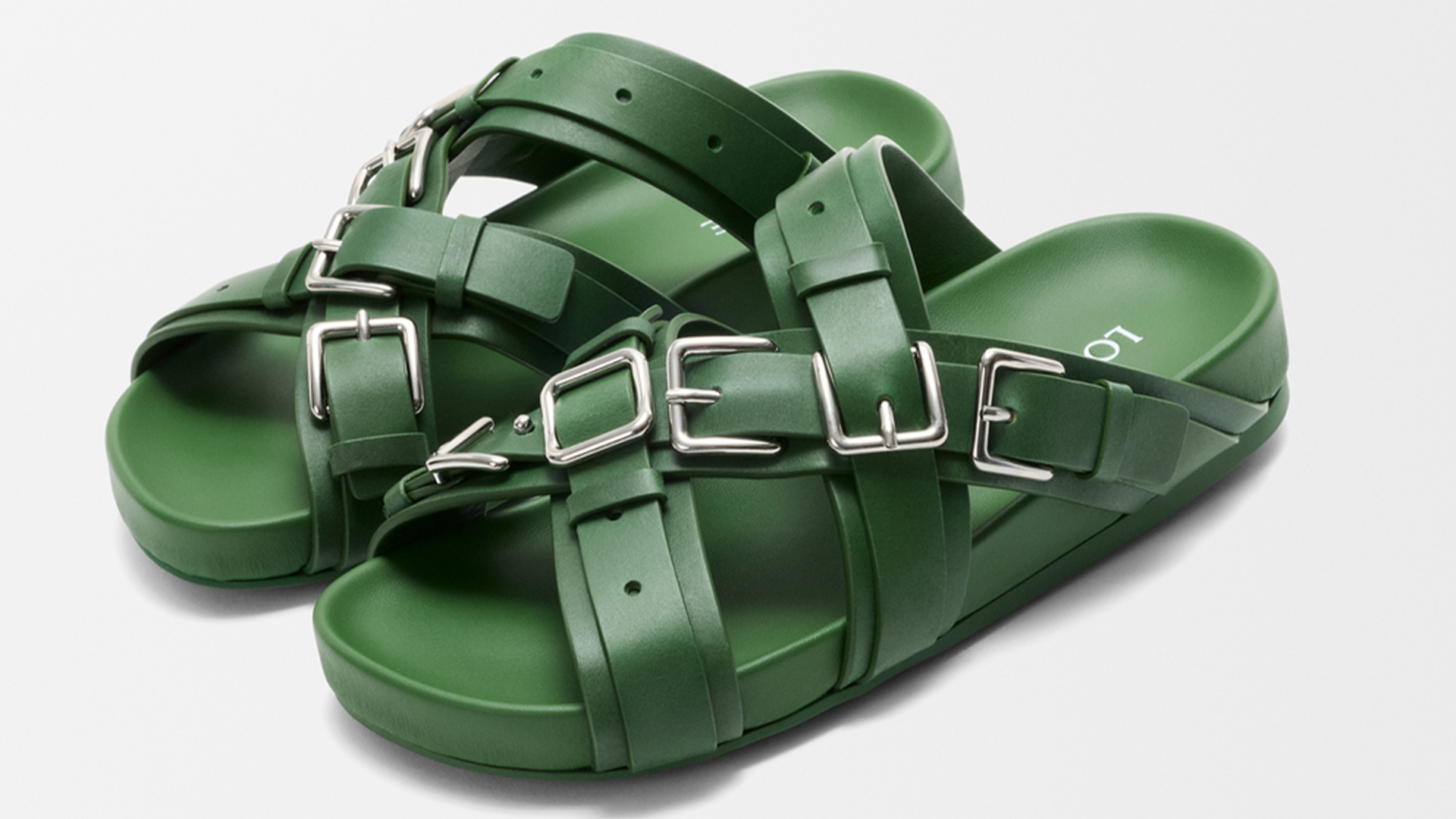
The "Type Fussbett" sandal exemplifies this new approach. The Loewe anagram is not an applied embellishment but an intrinsic part of the sandal’s structure. This integration makes the branding feel more authentic and less like a forced marketing ploy. It speaks to a brand that is confident in its heritage and design prowess, trusting that its quality and aesthetic will speak for themselves.
Furthermore, the rise of quiet luxury and the innovative approach to logo design seen in the Loewe sandals suggest a move towards a more discerning consumer. These individuals are not simply buying into a brand name; they are investing in well-crafted, thoughtfully designed pieces that reflect their personal style and values. They are drawn to the subtle nods to brand heritage and the artistic expression that lies beneath the surface.
This evolution also presents an opportunity for brands to foster deeper connections with their audience. By focusing on storytelling, craftsmanship, and unique design elements, brands can cultivate a more meaningful relationship with consumers, moving beyond transactional purchases to create a sense of community and shared appreciation for quality and artistry.
Looking Ahead: Inspiration from the Masters of Subtle Branding
The innovative approach demonstrated by Loewe is not an isolated incident but part of a growing trend within the fashion industry. Many brands are exploring ways to subtly communicate their identity and heritage. For instance, other luxury fashion houses are experimenting with negative space in their logo designs, creating a sophisticated and modern aesthetic. This technique involves using the absence of design elements to form recognizable shapes or patterns, offering a fresh and understated way to convey brand identity.
The exploration of negative space in logo design is a testament to the ingenuity of graphic designers and brand strategists. It requires a deep understanding of visual perception and a willingness to challenge conventional design norms. Brands that successfully leverage negative space are able to create logos that are both memorable and elegant, offering a sophisticated alternative to traditional, more literal branding.
For those seeking further inspiration in the realm of logo design, particularly within the fashion industry, examining the work of established and emerging brands can be highly illuminating. The "best fashion logos" often represent a careful balance of brand heritage, contemporary relevance, and aesthetic appeal. These logos are not merely visual markers but integral components of a brand’s overall narrative and identity. They are designed to resonate with the target audience, evoke specific emotions, and communicate the brand’s core values.
The continuous evolution of logo design, as exemplified by Loewe’s sandal innovation and the creative use of negative space, underscores the dynamic nature of branding in the 21st century. As consumer tastes shift and the luxury market continues to mature, brands that can master the art of subtle yet impactful communication will undoubtedly lead the way, shaping the future of design and consumer engagement. The journey from the overt displays of the mid-2010s to the refined sophistication of today’s quiet luxury is a compelling narrative of evolving aesthetics and a testament to the enduring power of intelligent design.