Material Maker 1.7 Unleashed: Free Procedural Texturing Software Hits Steam, Bolstering Accessibility for Indie Developers
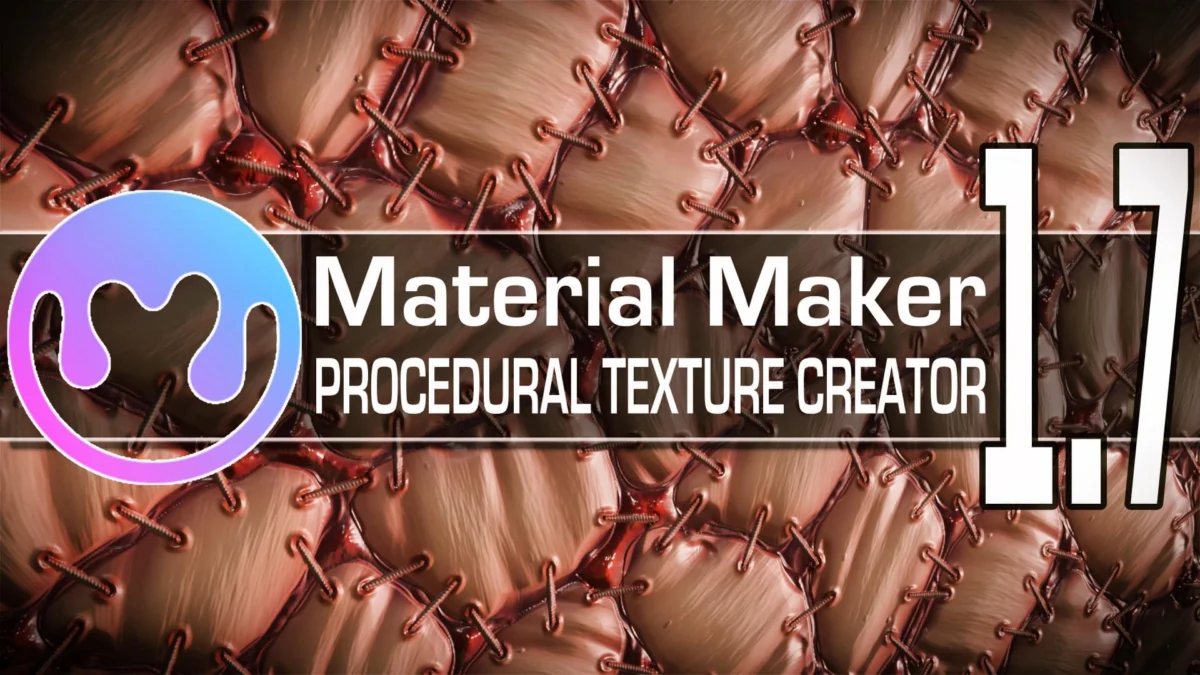
[City, State] – [Date] – The landscape of independent game development has just received a significant boost with the release of Material Maker 1.7. This latest iteration of the powerful, free, and open-source procedural material creation software, built upon the robust Godot Engine, not only introduces a wealth of new features and improvements but also marks a pivotal moment in its history: its debut on the Steam platform. This dual launch significantly enhances accessibility for aspiring and established game creators worldwide, democratizing access to high-quality texturing tools.
Material Maker has steadily carved a niche for itself within the indie game development community, offering a node-based workflow that empowers artists and programmers alike to generate intricate and dynamic textures without the need for extensive artistic skill or costly licenses. Its open-source nature fosters a collaborative environment, allowing for continuous development and community-driven enhancements. The arrival of version 1.7, coupled with its presence on Steam, signals a new era of opportunity for developers seeking to elevate their game’s visual fidelity.
A Leap Forward: Key Enhancements in Material Maker 1.7
Material Maker 1.7 represents a substantial upgrade, building upon the software’s already impressive capabilities. While the full release notes delve into granular details, several key areas have seen significant advancements, promising a more streamlined, powerful, and versatile user experience.
General Improvements: The release incorporates a series of under-the-hood optimizations and refinements aimed at improving overall stability and performance. These foundational enhancements ensure a smoother workflow, reducing potential frustrations and allowing users to focus on the creative process. While specific details are often technical, these improvements are crucial for a professional-grade application.
Node-Based Powerhouse: Expanded and Refined Functionality: The heart of Material Maker lies in its node-based system, and version 1.7 sees a considerable expansion and refinement of its node library. This is where the true power of procedural generation shines, and the new additions and improvements to existing nodes provide creators with an even broader palette of tools to craft unique and complex materials.
While the provided content did not explicitly list the specific new nodes or improvements to existing ones in this section, the implication of a "Key Features" section dedicated to "Nodes" strongly suggests significant advancements. This could encompass:
- New Procedural Generators: The introduction of novel nodes capable of generating entirely new types of patterns, textures, or surface details. This might include advanced noise functions, fractal generators, or specialized shape-creation nodes.
- Enhanced Manipulation Nodes: Improvements to existing nodes that allow for more precise control over texture manipulation. This could involve more sophisticated blending modes, distortion effects, color correction tools, or ways to combine and layer textures with greater finesse.
- Utility and Workflow Nodes: The addition of nodes designed to streamline the workflow, such as nodes for baking textures, exporting specific channels, or managing complex node graphs more efficiently.
- Integration with External Data: Potential for new nodes that can import and utilize external data, such as heightmaps or image textures, as inputs for procedural generation, bridging the gap between traditional and procedural workflows.
The impact of these node enhancements is profound. Developers can now achieve more intricate details, experiment with a wider range of stylistic approaches, and create materials that react dynamically to lighting and environmental conditions. This level of control and flexibility is invaluable for achieving a unique visual identity for any game project.
A Milestone: Material Maker Arrives on Steam
The most significant announcement accompanying Material Maker 1.7 is its availability on Steam. This move is a game-changer for accessibility, bringing the software to a platform frequented by millions of gamers and aspiring developers.
Democratizing Access: Historically, while Material Maker has been free and open-source, accessing and installing software outside of major digital storefronts can sometimes present a barrier for less technically inclined users. Steam’s ubiquitous presence and user-friendly interface significantly lower this barrier. Developers can now discover, acquire, and manage Material Maker with the same ease as any other game or software on the platform.
Community Growth and Visibility: Being on Steam not only makes the software more accessible but also dramatically increases its visibility. This can lead to a larger user base, fostering a more vibrant community, more contributions to the open-source project, and ultimately, a faster pace of development and innovation. The platform’s built-in community features, such as forums and discussion boards, can also serve as hubs for users to share knowledge, troubleshoot issues, and showcase their creations.
Supporting Indie Ecosystem: The inclusion of Material Maker on Steam aligns perfectly with the platform’s growing emphasis on supporting independent game development. By offering a powerful, free tool on their platform, Valve and the Material Maker developers are empowering indie studios and solo developers with resources that were once the exclusive domain of larger, more established studios.
A Journey of Development: Tracing Material Maker’s Evolution
While the article focuses on the 1.7 release, understanding the journey of Material Maker provides context for its current success. Born from the passion and dedication of its developers, Material Maker has undergone a continuous evolution, driven by community feedback and a commitment to open-source principles.
The project’s origins likely lie in the recognition of a need for a powerful yet accessible procedural texturing tool. Early versions would have focused on core functionalities, gradually expanding the node library and refining the user interface. The decision to build upon the Godot Engine was a strategic one, leveraging a powerful, free, and open-source game engine that shares similar development philosophies. This synergy likely streamlined development and offered a robust foundation for Material Maker’s growth.
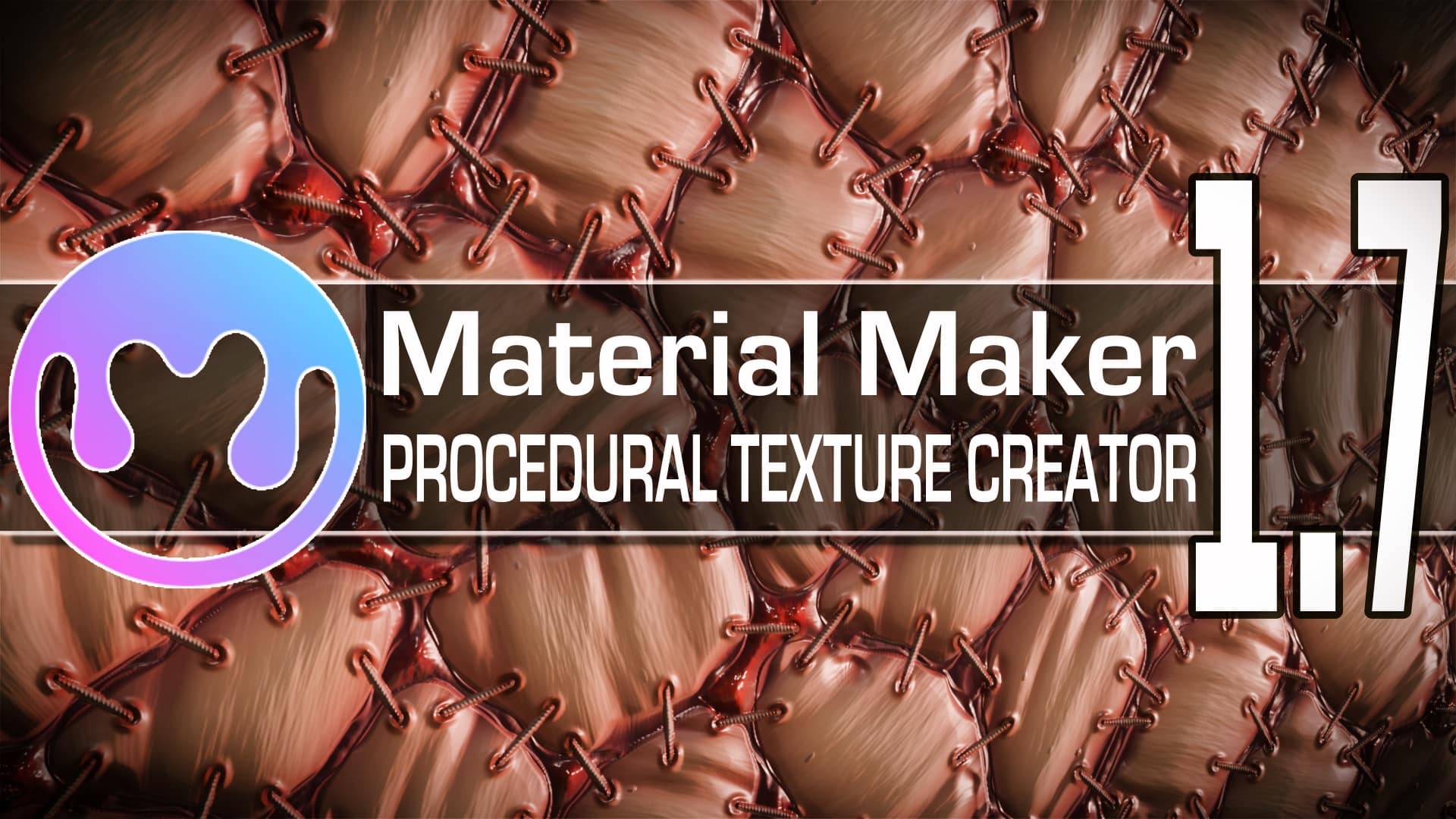
The progression through various versions, each building upon the last, demonstrates a consistent effort to improve performance, add features, and address user requests. The existence of a dedicated website, itch.io page, and GitHub repository are testaments to the project’s open and transparent development process. Each of these platforms serves a distinct purpose: the website for official information and resources, itch.io for broader distribution and community engagement, and GitHub as the central hub for code collaboration and issue tracking.
The inclusion of a Discord server further solidifies the project’s commitment to fostering a strong community. Real-time communication and direct interaction with developers and fellow users are invaluable for troubleshooting, sharing ideas, and driving collaborative development.
Beyond the Release: Implications for Game Development
The release of Material Maker 1.7 and its Steam debut have far-reaching implications for the game development industry, particularly for independent creators.
Enhanced Visual Fidelity: For indie developers operating with limited budgets, Material Maker offers a pathway to achieving AAA-level visual quality without the prohibitive costs of commercial texturing software. The ability to generate highly detailed and unique procedural materials can significantly elevate the aesthetic appeal of a game, making it more competitive in a crowded market.
Streamlined Asset Creation: Procedural generation inherently offers efficiency. Instead of hand-painting every texture, developers can create master materials that can be infinitely varied and adapted. This significantly reduces asset creation time, allowing teams to focus on other critical aspects of game development, such as gameplay mechanics, narrative, and optimization.
Dynamic and Responsive Worlds: Procedural materials are not static. They can be designed to react to in-game events, player actions, or environmental changes. This opens up possibilities for creating more immersive and dynamic game worlds, where textures can evolve over time or respond to specific stimuli, adding a new layer of interactivity.
Education and Skill Development: Material Maker’s node-based system provides an excellent learning environment for aspiring texture artists and game developers. Its visual nature makes complex concepts more approachable, and its free and open-source status encourages experimentation and skill development without financial risk. The Steam release will undoubtedly expose this powerful learning tool to a wider audience.
Open Source Innovation: The continued success and development of Material Maker is a testament to the power of the open-source model. By contributing to and benefiting from a collaborative development environment, the project can evolve at a rapid pace, often outperforming proprietary solutions in terms of innovation and responsiveness to user needs.
Official Statements and Community Buzz
While the provided content does not include direct quotes from the developers, the strategic move to Steam and the comprehensive nature of the 1.7 release speak volumes. The developers, led by RodZilla, have clearly prioritized making their powerful tool as accessible as possible. The release notes, available via the provided link, are expected to detail the specific technical advancements and bug fixes that have been implemented.
The game development community, particularly on platforms like Reddit, Discord, and specialized forums, is likely abuzz with the news. Developers who have been following Material Maker’s progress will be eager to explore the new features, while newcomers will be drawn in by the combination of power, accessibility, and cost-effectiveness. Discussions will undoubtedly revolve around the practical applications of the new nodes, the ease of use on Steam, and the potential impact on upcoming indie game titles.
Looking Ahead: The Future of Procedural Texturing
The release of Material Maker 1.7 and its presence on Steam marks a significant milestone, not just for the software itself but for the broader landscape of game development tools. By championing free and open-source solutions and making them readily available on a major platform, the Material Maker team is empowering a new generation of creators.
As the software continues to evolve, fueled by its dedicated community and the expanded reach of Steam, we can anticipate even more sophisticated features, greater integration with other development tools, and a continued democratizing effect on the creation of visually stunning games. Material Maker 1.7 is more than just an update; it’s a declaration of intent – to provide powerful, accessible tools that enable anyone to bring their virtual worlds to life.