Microsoft Solidifies Windows 11 Update Strategy: Why Version 26H2 Will Be a "Minor" Milestone
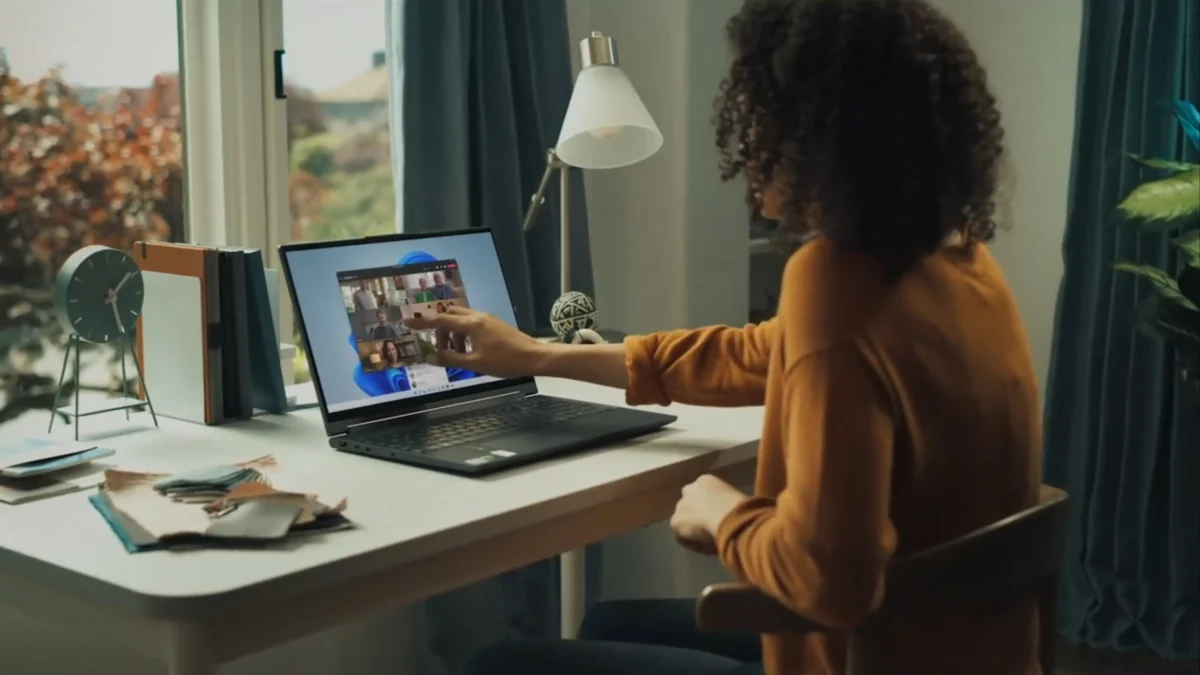
In an era where operating system updates are often met with equal parts anticipation and trepidation, Microsoft has officially signaled a shift toward stability over radical transformation. The tech giant recently confirmed that Windows 11 version 26H2, slated for release in the fall of 2026, will be delivered as a "small enablement package." This decision follows a similar path set by the upcoming 25H2 update, marking a definitive end to the era of massive, disruptive annual overhauls that previously defined the Windows ecosystem.
By opting for a lightweight update, Microsoft aims to avoid the technical pitfalls and user frustration that marred the rollout of version 24H2. For enterprise IT managers and casual users alike, this news represents a move toward a more predictable, "drip-fed" feature delivery system that prioritizes system integrity over flashy, headline-grabbing changes.
Main Facts: The Nature of the 26H2 "Enablement Package"
The core of the announcement lies in the technical delivery method of version 26H2. Unlike version 24H2, which required a full operating system swap—essentially a "reinstallation" of Windows that took significant time and carried higher risks of compatibility issues—version 26H2 will be an "enablement package."
What is an Enablement Package?
An enablement package is essentially a "master switch." Throughout the months leading up to the official release, Microsoft quietly downloads the new features of the next version via standard monthly security updates. These features remain dormant on the user’s hard drive, hidden behind a "feature gate." When the user eventually clicks "Update" for 26H2, the system simply installs a tiny file that flips the switch, activating the pre-staged features.
Key Details of the 26H2 Release:
- Release Window: Expected in September or October 2026.
- Update Size: Minimal (measured in kilobytes or megabytes rather than gigabytes).
- Downtime: Requires a single, quick restart, comparable to a standard monthly security patch.
- Support Cycle: It will provide a new support lifecycle "marker," extending the life of the OS for another 24 to 36 months depending on the edition (Home/Pro vs. Enterprise).
Chronology: From the 24H2 Chaos to a Stable Future
To understand why Microsoft is doubling down on minor updates, one must look at the turbulent history of Windows 11 development over the past two years.
The 24H2 Turning Point (Late 2024)
Windows 11 version 24H2 was intended to be the "AI update," introducing the foundations for Copilot+ PCs and a new hardware abstraction layer. However, because it was built on a new codebase (internally referred to as "Germanium"), it triggered a cascade of technical failures:
- SSD Incompatibility: Certain Western Digital and SanDisk drives suffered from Blue Screen of Death (BSOD) errors.
- Software Friction: Popular games using Easy Anti-Cheat and third-party customization tools like Start11 faced immediate crashes.
- Installation Loops: Many users found themselves stuck in "undoing changes" loops, unable to complete the update.
The Shift to 25H2 (2025)
Recognizing that the user base was suffering from "update fatigue" and stability anxiety, Microsoft pivoted. It announced that 25H2 would be a minor enablement package, allowing the 24H2 codebase to mature without introducing new architectural risks.
The Confirmation of 26H2 (2026)
The recent confirmation via the Microsoft Tech Community blog and Windows IT Pro channels confirms that this "slow and steady" approach is now the standard. By keeping 26H2 as a minor update, Microsoft ensures that the foundations laid in 24H2 remain the bedrock of the OS for at least three consecutive years.
Supporting Data: Support Lifecycles and Hardware Realities
The decision to make 26H2 a minor update is not just about avoiding bugs; it is a calculated move to manage the Windows 11 lifecycle as the "end of life" for Windows 10 approaches in October 2025.
The Support "Cliff"
Windows 11 24H2 is a "Long-Term Servicing" baseline for many. However, support for the initial 24H2 Home and Pro editions is set to expire in October 2026. If 26H2 were a massive, risky update, millions of users would be forced to undergo a high-risk OS migration exactly when their current version loses security coverage. By making 26H2 an enablement package, Microsoft provides a "safety valve"—users can transition to a supported version in minutes rather than hours.
Architecture Divergence: x86 vs. Arm
There is an interesting technical split occurring in the background. While the x86 (Intel and AMD) version of Windows is moving toward the 26H2 enablement package, the Arm-based branch (powering the new Snapdragon X Elite laptops) is operating on a slightly different cadence.
- 26H1: This update is largely focused on the Arm architecture, refining the "Germanium" platform for better emulation of legacy apps.
- 26H2: This serves as the unifying point for the broader x86 install base.
Performance Metrics
Internal telemetry from Microsoft suggests that enablement packages have a 99.8% success rate on the first attempt, compared to roughly 85-90% for "full build" upgrades. For a company managing over a billion devices, that 10% difference represents tens of millions of support calls avoided.
Official Responses and Industry Sentiment
Microsoft’s official stance, shared via the Windows IT Pro Blog, emphasizes "continuity and reliability." The company stated that the goal is to provide "a seamless transition that allows organizations to stay protected and productive without the overhead of a major OS deployment."
The Enterprise Perspective
IT administrators have largely lauded the move. In previous years, a "feature update" meant months of compatibility testing for bespoke corporate software. With the enablement package model, the underlying kernel remains the same, meaning if an app works on 24H2, it is virtually guaranteed to work on 26H2.
The Developer Reaction
Developers have expressed a mix of relief and caution. While the stable API surface of 26H2 makes maintenance easier, some worry that Windows is entering a "stagnation phase" where innovative features are being delayed to ensure stability. Microsoft has countered this by pointing to "Moments"—smaller feature drops delivered via the Microsoft Store and monthly updates—as the new vehicle for innovation.
Implications: What This Means for the Future of Windows
The confirmation of 26H2 as a minor update has profound implications for the roadmap of the Windows ecosystem, potentially hinting at what lies beyond Windows 11.
1. The "Windows 12" Question
By scheduling minor updates for 2025 (25H2) and 2026 (26H2), Microsoft is effectively clearing the runway. History suggests that when Microsoft stabilizes an OS for several years, they are preparing for a major architectural leap. This strengthens rumors of a "Windows 12" or a total platform refresh in 2027.
2. The Rise of "Continuous Innovation"
The traditional "Big Bang" update is dead. Microsoft is moving toward a "Continuous Innovation" model where features like AI-powered Recall, improved File Explorer tabs, and Taskbar enhancements arrive when they are ready, rather than being held for a yearly autumn release. 26H2 is no longer the source of new features; it is merely the checkpoint for support.
3. Hardware Requirements and Longevity
Because 26H2 maintains the status quo, hardware requirements are unlikely to change. The TPM 2.0 and CPU generation requirements that caused controversy at the launch of Windows 11 will remain the baseline. This provides a period of "hardware calm," where users don’t have to worry about their relatively new PCs becoming obsolete due to a software update.
4. 27H2: The Next Big Shift?
Early leaks suggest that 2027’s update (27H2) may be the one that finally unifies the Arm and x86 codebases into a single, modular "Core OS." By keeping 26H2 simple, Microsoft is allowing its engineering teams to focus on this massive 2027 transition, which is expected to be the most significant change to Windows since the move to the NT kernel.

Conclusion
Windows 11 26H2 may seem "boring" on paper, but in the world of operating systems, boring is often synonymous with "reliable." By prioritizing the enablement package model, Microsoft is acknowledging that the modern user values uptime and stability over a redesigned Start menu or experimental features that might break their drivers.
As we approach 2026, the Windows experience will likely feel more iterative and refined. The "chaos" of 24H2 has served as a valuable lesson for Redmond: in the enterprise and consumer worlds alike, the best update is the one you don’t even notice is happening. Version 26H2 promises to be exactly that—a quiet, efficient transition that keeps the world’s most popular desktop OS running smoothly into the late 2020s.