The Final Frontier of Ownership: Why Star Trek Fans and Jeri Ryan are Fighting to Save Physical Media
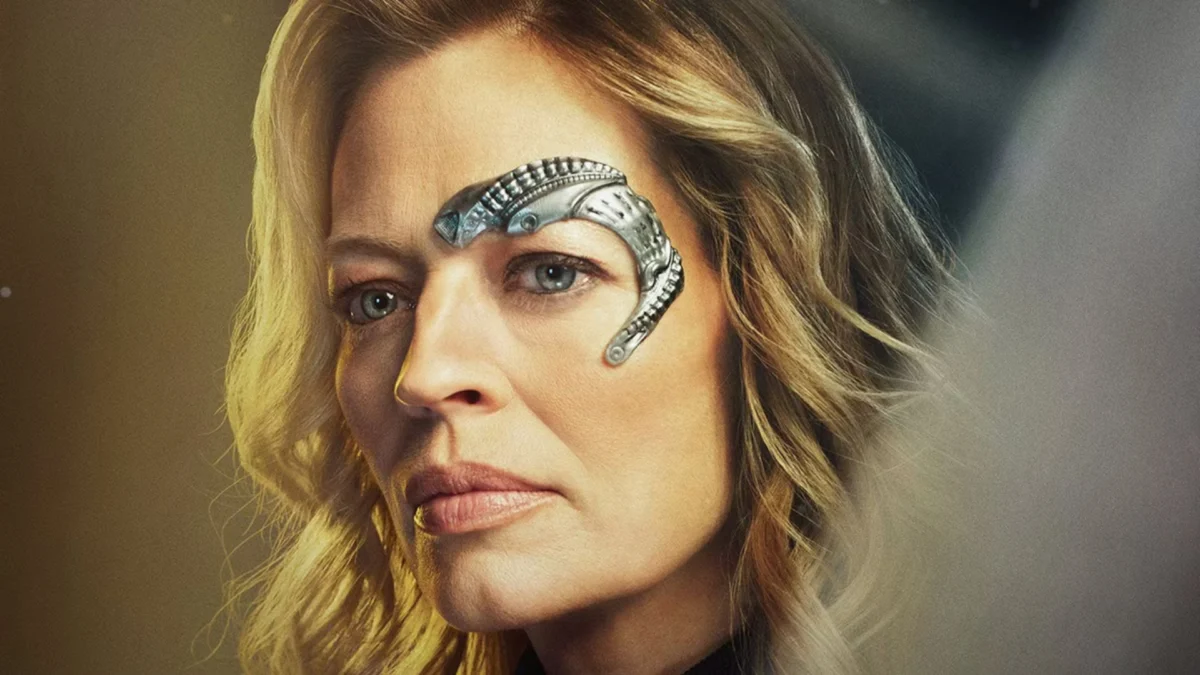
For nearly six decades, Star Trek has been more than just a television franchise; it has been a pioneer in how audiences consume and archive media. From the early days of fan-traded VHS tapes to the pristine 4K restorations of the modern era, the "Trekker" community has long been defined by its desire to own a piece of the future. However, as the industry shifts toward a streaming-exclusive model, a new anxiety is permeating the bridge.
The recent Italian Global Series television festival in Rimini served as a backdrop for a growing conversation among the faithful: Is the era of physical ownership coming to an end? With the upcoming series Star Trek: Starfleet Academy currently lacking a confirmed physical release date, and industry veterans like Jeri Ryan sounding the alarm on the "tech bro" takeover of Hollywood, the battle for the Blu-ray has become a battle for the soul of the franchise.
Main Facts: The Starfleet Academy Dilemma and the Streaming Shift
The primary catalyst for the current concern is the status of Star Trek: Starfleet Academy. While the series—starring heavyweights like Holly Hunter and Paul Giamatti—is one of the most anticipated additions to the Paramount+ roster, there has been a conspicuous silence regarding its eventual release on Blu-ray, 4K UHD, or DVD.
In previous decades, a home media release was a foregone conclusion—a secondary "window" of profit that studios relied upon. Today, however, streaming platforms often view physical media as a competitor to their subscription models. If a fan owns the discs, they have one less reason to pay a monthly fee to Paramount+.
This tension was addressed recently by Jeri Ryan, the actress who brought the iconic former Borg drone Seven of Nine to life in Star Trek: Voyager and Star Trek: Picard. Speaking on the potential disappearance of physical media, Ryan expressed a cautious optimism rooted in the sheer economic power of the collector market.
"I can’t imagine that physical media will go away entirely, because there are too many collectors," Ryan noted. However, her optimism was tempered by a sharp critique of the current leadership in Hollywood. She argued that studios have transitioned from creative hubs into "IP companies" managed by "tech bros" who prioritize algorithms and quarterly numbers over the long-term preservation of art.

Chronology: From Magnetic Tape to the Digital Void
To understand why the lack of a Starfleet Academy disc date is so jarring, one must look at the history of Star Trek’s relationship with its audience.
- The 1960s & 70s (The Era of Scarcity): After The Original Series was canceled, fans relied on local syndication. Ownership was impossible until the advent of expensive, bulky 16mm film reels for private collectors.
- The 1980s (The VHS Revolution): Star Trek became one of the first franchises to prove that people would pay to own television episodes. Paramount released "Two-packs" of episodes on VHS, creating a lucrative home video market that helped fund the launch of The Next Generation.
- The 1990s & 2000s (The Golden Age of Discs): The transition to DVD and later Blu-ray allowed for "Complete Season" sets. This era cemented the idea of the "Star Trek Library." Fans spent thousands of dollars to ensure that even if a network went dark, the bridge of the Enterprise remained open in their living rooms.
- 2017–Present (The Streaming Hegemony): With the launch of CBS All Access (now Paramount+), the franchise moved to a "Streaming First" model. While Discovery, Picard, and Strange New Worlds eventually received physical releases, the gap between the streaming premiere and the disc release has widened, and in some cases, international releases have been delayed or canceled entirely.
The current "chronological crisis" reached a boiling point in 2023 when Star Trek: Prodigy was abruptly removed from Paramount+ for tax write-off purposes. For several months, the only way to watch the show was through the physical Blu-ray release—a stark reminder that in the digital age, "access" does not equal "ownership."
Supporting Data: The Economics of the Collector and the "Streaming Erasure"
The argument for physical media is supported by two primary data points: the resilience of the boutique media market and the phenomenon of "streaming erasure."
According to industry reports from the Digital Entertainment Group (DEG), while mass-market DVD sales have declined, the "premium" segment—4K UHD and collector’s editions—has remained remarkably stable. Star Trek fans are a "high-ARPU" (Average Revenue Per User) demographic. They don’t just want to watch the show; they want the steelbooks, the behind-the-scenes documentaries, and the uncompressed audio tracks that streaming bitrates cannot match.
Furthermore, the "tech bro" logic Jeri Ryan referenced has led to a volatile environment where content is frequently purged. In the last 24 months, platforms like Disney+, Max, and Paramount+ have removed dozens of original titles to save on residuals and licensing fees.
- Data Point: When Star Trek: Prodigy was canceled and removed from streaming, its Season 1 Blu-ray sales spiked by over 200% on major retailers like Amazon. This proved that fans view physical media as an "insurance policy" against corporate volatility.
Official Responses and Creative Perspectives
While Paramount has not issued a formal statement regarding a permanent cessation of physical media, their actions speak to a "wait-and-see" approach. The studio has continued to release Strange New Worlds on 4K, likely because the sales data justifies the manufacturing costs. However, smaller or more experimental projects often find themselves in a "digital-only" limbo.

Jeri Ryan’s perspective represents a growing faction of actors and creators who are becoming more politically active regarding digital rights. In April 2024, Ryan testified in support of California Senate Bill 1050. This legislation targets the "synthetic digital performer" industry, requiring clear disclosures when AI is used to replicate an actor’s likeness.
Ryan’s advocacy against AI and her defense of physical media are two sides of the same coin: the fight for human-centric control over art. If a studio can replace an actor with a digital "puppet" and then keep the content locked behind a subscription wall that they can delete at any time, the power dynamic shifts entirely away from the creators and the fans toward the "tech bros" Ryan frequently critiques.
"It’s about dollars, and numbers, and if there’s money to be made," Ryan said during the Rimini festival. Her point is clear: the only way to ensure physical media survives is for the "collectors" to make it more profitable for the studios to print discs than to withhold them.
Implications: The Future of the Final Frontier
The implications of this shift extend far beyond Starfleet Academy. If Star Trek—a franchise with arguably the most dedicated physical collectors in history—moves away from discs, it signals the beginning of the end for the home media market at large.
1. The Loss of Archival Quality
Streaming services utilize heavy compression to deliver video over the internet. A 4K stream on Paramount+ typically has a bitrate of 15-25 Mbps. In contrast, a 4K UHD Blu-ray can reach bitrates of 100 Mbps. For a franchise known for its intricate visual effects and "cinematic" television, the loss of physical media is a loss of visual fidelity.
2. The Death of the "Special Feature"
Physical releases are the primary home for audio commentaries, deleted scenes, and "making-of" featurettes. In a streaming-only world, these educational and historical artifacts are rarely produced because they do not drive subscription growth in the same way a new season of a show does.

3. The Rise of Boutique Labels
One potential future is the "Criterion Model." If major studios like Paramount decide that manufacturing discs is too much of a logistical headache, they may license the physical rights to boutique labels like Shout! Factory or Arrow Video. These companies specialize in high-end, limited-edition releases for "super-fans," potentially keeping the Star Trek physical legacy alive, albeit at a higher price point.
4. Cultural Memory and Ownership
The most profound implication is philosophical. Star Trek has always been about a future where humanity has overcome the limitations of the past. There is a cruel irony in a future where we no longer "own" our culture, but merely rent it from a handful of tech conglomerates. As Jeri Ryan noted, the presence of physical things in our possession is a tether to the art we love.
Conclusion: Will Starfleet Academy Break the Cycle?
As production continues on Starfleet Academy, the Star Trek community remains in a state of watchful waiting. The lack of a confirmed physical release date is a symptom of a larger industry-wide identity crisis. On one side are the "tech bros" and the "IP companies" who view media as a disposable service; on the other are the "creatives" like Jeri Ryan and the "collectors" who view it as a permanent legacy.
The survival of Star Trek on physical media will ultimately depend on the very thing the franchise has preached for 60 years: the power of the collective. If fans continue to demand discs and support physical releases, the "dollars and numbers" will eventually align in favor of the Blu-ray. Until then, the "Final Frontier" of ownership remains a contested territory, with the fate of Starfleet Academy serving as a crucial bellwether for the future of the franchise.