Motorola’s Premium Ambitions: The Leak of the Moto Watch Ultra and the Quest to Reclaim the Wearable Crown
For nearly a decade, the narrative of the Android smartwatch market has been one of consolidation and shifting alliances. While Samsung and Google have recently solidified their positions at the top of the hierarchy, a legendary name from the early days of the "wrist-worn revolution" appears to be preparing for a high-stakes comeback. Exclusive leaks and renders have recently surfaced, pointing toward a new flagship wearable from Motorola: the Moto Watch Ultra.
This development, if confirmed, represents more than just a new product launch; it signals Motorola’s intent to move beyond the budget-friendly fitness tracker niche and directly challenge the "Ultra" dominance established by Apple and Samsung. With a focus on rugged materials, independent connectivity, and a sophisticated aesthetic, the Moto Watch Ultra could be the vehicle that restores Motorola to its former glory in the wearable space.
I. Main Facts: Unveiling the "Ultra" Blueprint
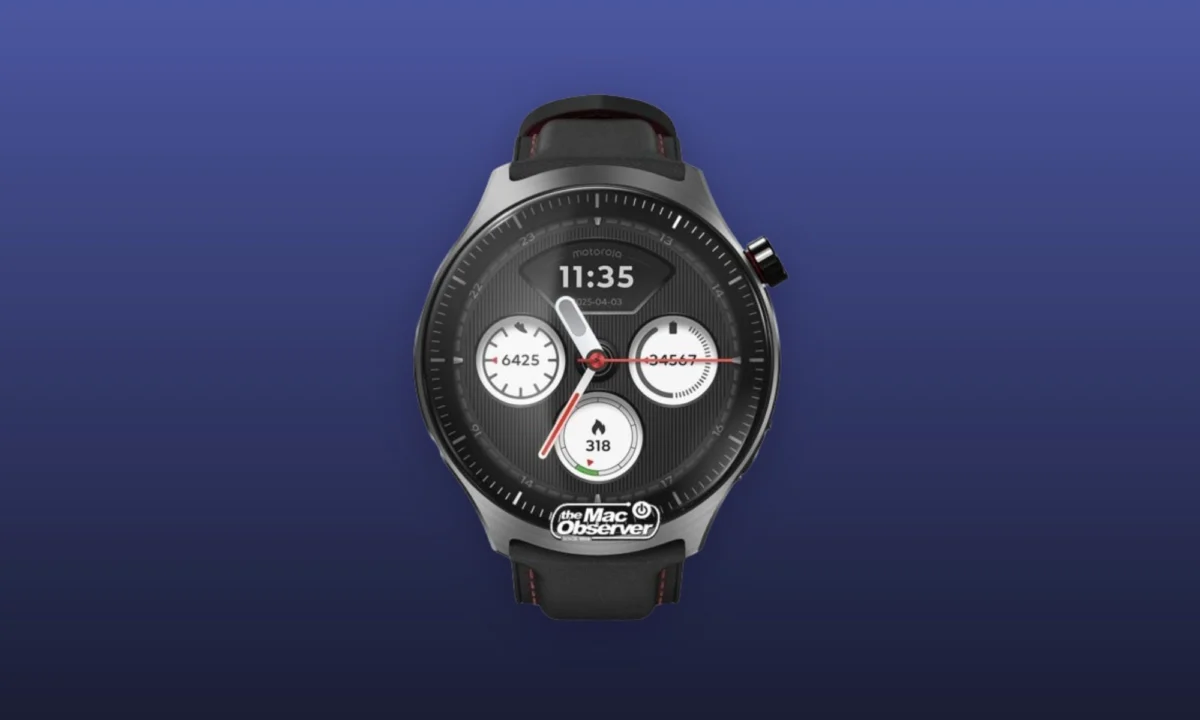
The leak, first reported by The Mac Observer, provides a detailed look at a device that is internally referred to as the Moto Watch Ultra. The renders suggest a significant departure from the more utilitarian, entry-level Moto Watch models released earlier this year.

Premium Construction and Aesthetics
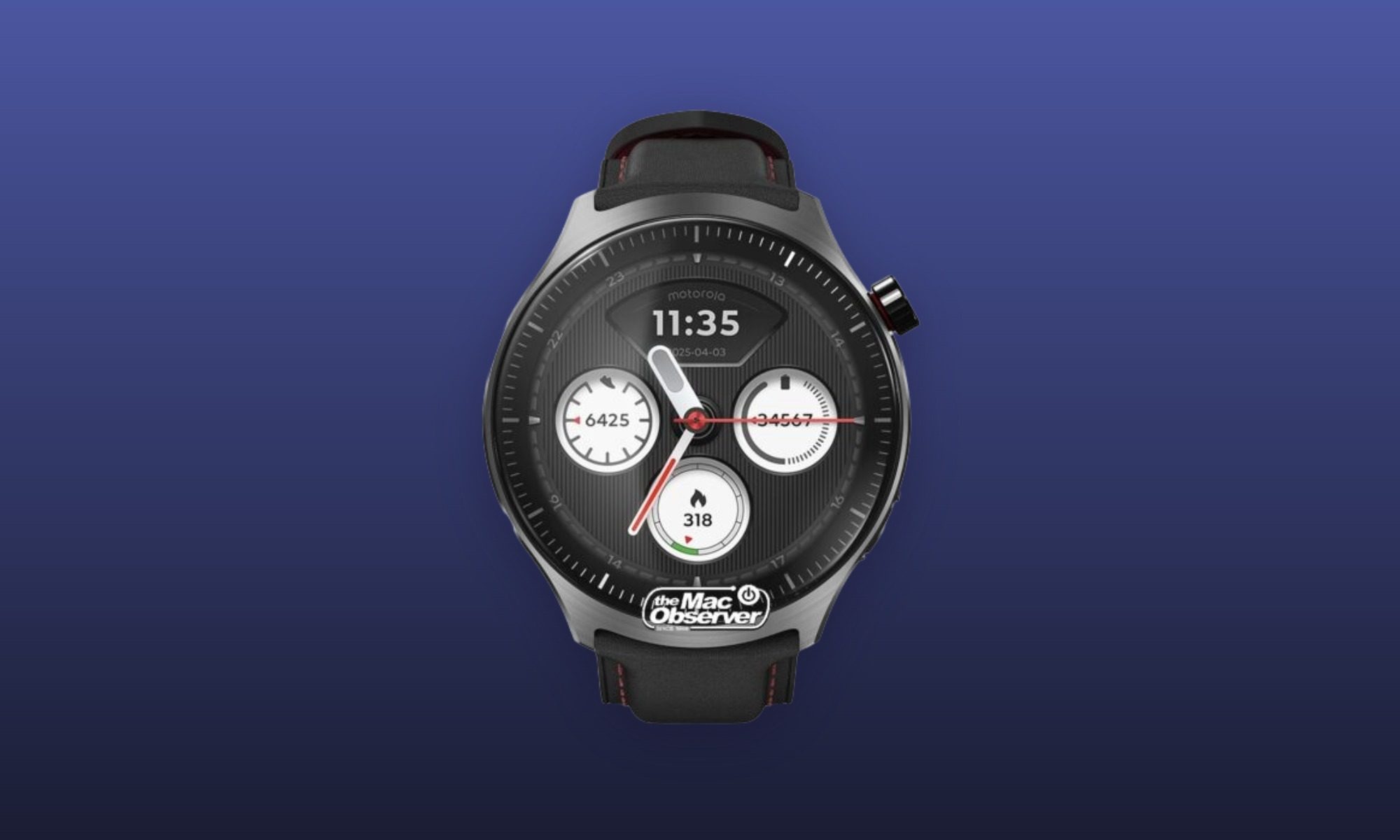
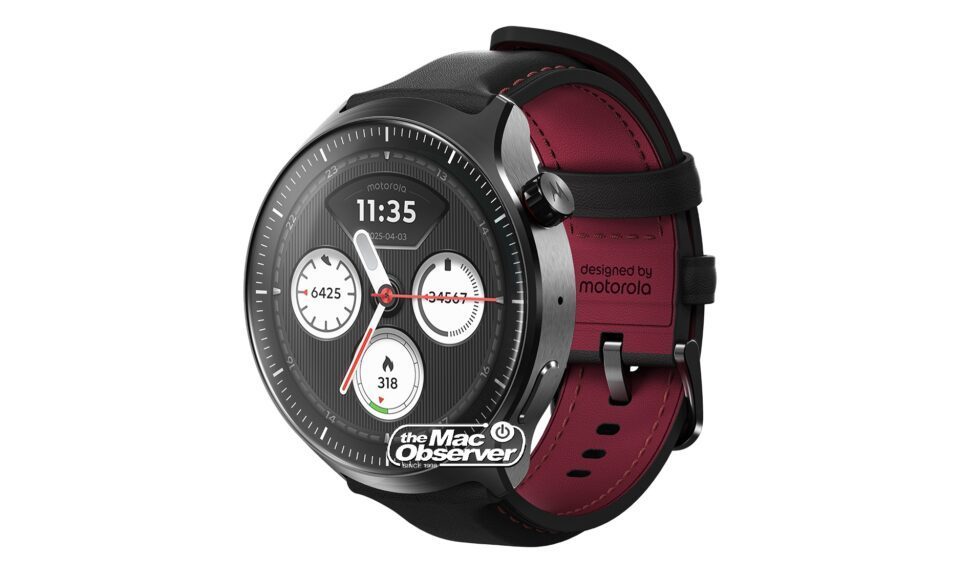
Unlike the aluminum frames found on the current Moto Watch 70 or 100, the Moto Watch Ultra reportedly utilizes a 46mm stainless steel case. This material choice is a hallmark of premium horology, offering superior scratch resistance and a "heft" that consumers associate with luxury timepieces. The design features a classic circular display, but it is augmented by a functional, numbered bezel and a large, textured rotating crown. This crown is flanked by an additional physical side button, suggesting a user interface designed for tactile reliability, particularly in environments where touchscreens may be difficult to use (such as underwater or while wearing gloves).
Connectivity and Durability
The technical specifications gleaned from the renders indicate that Motorola is aiming for high-end functionality:
- LTE Connectivity: Perhaps the most significant revelation is the inclusion of LTE. This allows the watch to function independently of a smartphone, handling calls, messages, and data streaming on its own.
- Built-in GPS: Essential for the "Ultra" branding, standalone GPS ensures accurate tracking for runners, hikers, and cyclists.
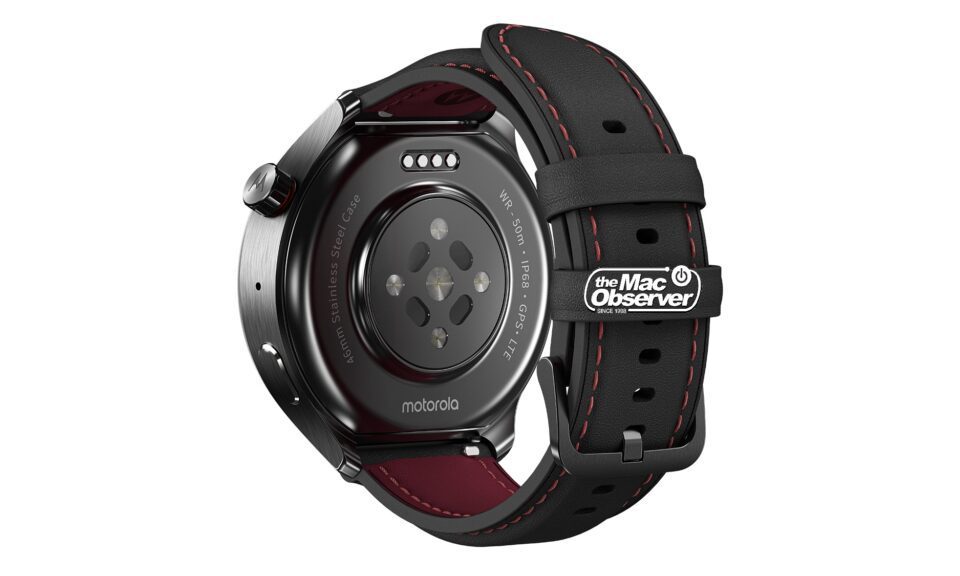
- Atmospheric Resistance: The device boasts an IP68 rating for dust and water resistance and is rated for protection in water up to 50 meters (5 ATM). This places it firmly in the category of swim-proof and outdoor-ready wearables.
- Health Monitoring: A sophisticated optical sensor array on the back of the case suggests a suite of health-tracking capabilities, likely including heart rate monitoring, SpO2 (blood oxygen) tracking, and potentially advanced metrics like ECG or stress analysis.
II. Chronology: The Rise, Fall, and Licensed Rebirth of Moto Wearables
To understand the weight of the Moto Watch Ultra leak, one must look back at Motorola’s turbulent history in the smartwatch sector.
2014: The Circular Revolution
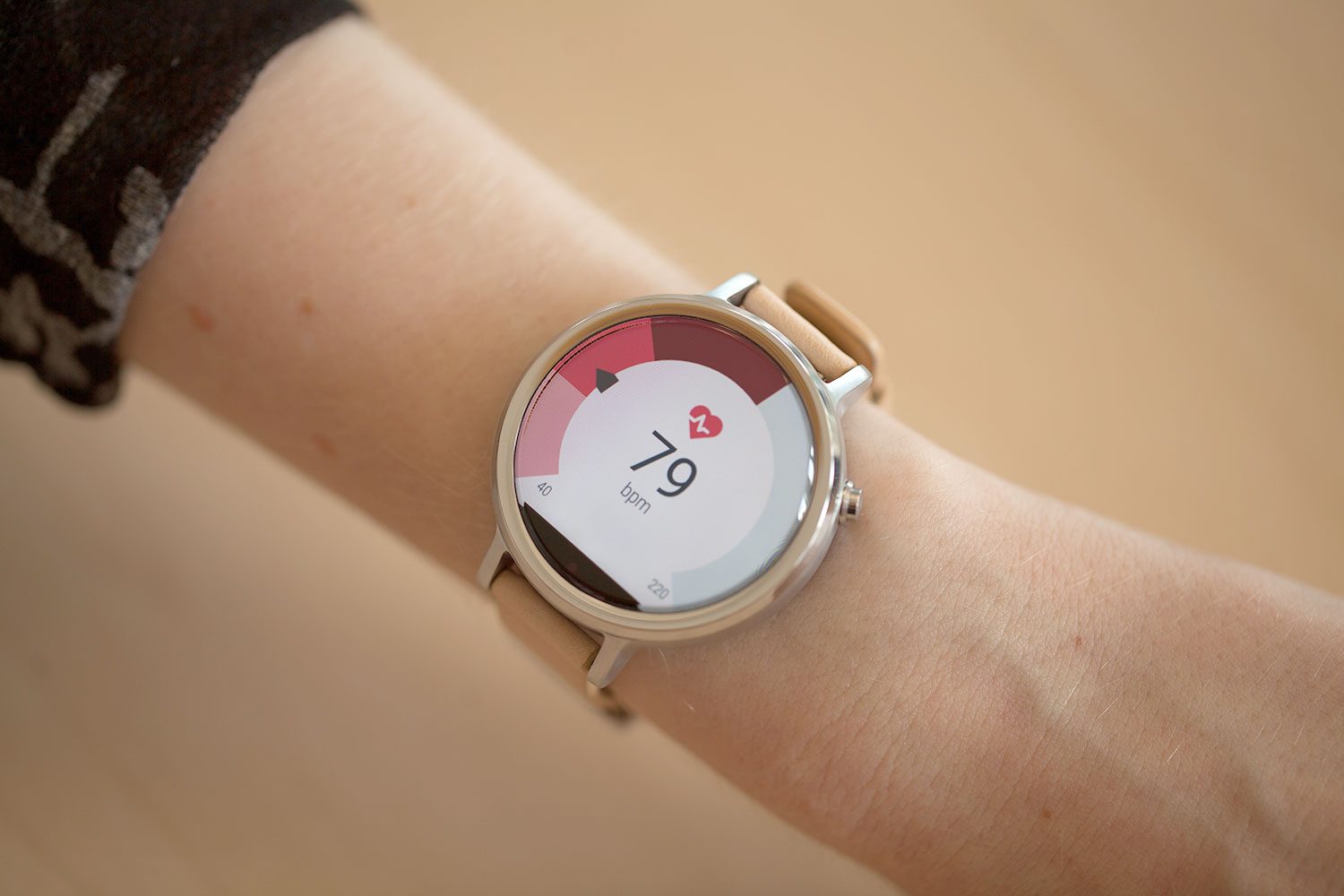
In 2014, Motorola changed the trajectory of the industry with the original Moto 360. At a time when most smartwatches were bulky, rectangular slabs of plastic, the Moto 360 introduced a circular design that felt like a "real" watch. Despite the infamous "flat tire" (the small black bar at the bottom of the screen for sensors), it became the poster child for Google’s Android Wear (now Wear OS).
2015–2016: Refinement and Retreat
The second-generation Moto 360 (2015) addressed many of its predecessor’s flaws, offering different sizes and a "Sport" variant. However, the wearable market at the time was struggling with poor battery life and limited use cases. In late 2016, following its acquisition by Lenovo, Motorola announced it was stepping away from the smartwatch market indefinitely, citing a lack of "broad enough appeal" to justify annual releases.
2019–Present: The Licensing Era
The Motorola brand returned to wrists in 2019, but with a caveat: the hardware was produced by eBuyNow under a brand licensing agreement. This "third-generation" Moto 360 was a solid Wear OS device, but it lacked the direct engineering DNA of Motorola’s mobile division. In the years that followed, the brand shifted toward "Moto Watch" branded devices that utilized RTOS (Real-Time Operating System)—a lightweight software platform that prioritizes battery life over app ecosystems.
The emergence of the Moto Watch Ultra suggests that Motorola (or its licensing partners) is ready to move back into the "tier-one" category, potentially re-integrating the watch more closely with Motorola’s flagship "Edge" and "Razr" smartphone lines.
III. Supporting Data: The "Ultra" Trend and Material Science
The decision to name this device the "Ultra" is not accidental. It is a strategic response to a broader market trend where "Pro" and "Ultra" models are driving the highest profit margins in the consumer electronics sector.
The Stainless Steel Advantage
By opting for a 46mm stainless steel chassis, Motorola is positioning the device against the Apple Watch Ultra 2 (Titanium) and the Samsung Galaxy Watch Ultra (Titanium). While stainless steel is heavier than titanium, it offers a mirror-like finish and a classic aesthetic that appeals to traditional watch enthusiasts. The leaked renders show a black leather-style strap with red stitching—a color palette often associated with high-performance automotive design—further cementing its status as a "lifestyle-plus" accessory.
The Independence Factor (LTE)
Market data shows that the demand for LTE-enabled wearables is growing. Consumers are increasingly seeking "digital detox" opportunities—the ability to go for a run or a dinner date without carrying a large smartphone while remaining reachable for emergencies. The inclusion of LTE in the Moto Watch Ultra suggests that Motorola is targeting a professional demographic that values both connectivity and freedom.
IV. Official Responses: The Silence of the Brand
As of this writing, Motorola has not officially confirmed the existence of the Moto Watch Ultra. The company’s official communication channels remain focused on its recent smartphone launches and the current lineup of RTOS-based Moto Watches.
When reached for comment regarding the leaks, a spokesperson for Motorola declined to comment on "rumors or speculation regarding unannounced products." This is standard industry practice, but the level of detail in the leaked renders—which include specific text on the case back and finalized UI elements—suggests that the device is either in late-stage development or awaiting a strategic launch window.
Industry analysts suggest that Motorola may be waiting for a major trade show, such as CES 2025 or MWC Barcelona, to make a formal announcement. A launch alongside a new flagship smartphone would allow Motorola to market a complete "ecosystem" to its users, a strategy that has proven highly effective for its competitors.
V. Implications: The Battle for the Android Wrist
The potential arrival of the Moto Watch Ultra carries significant implications for the wearable landscape and for Motorola’s broader business strategy.
The Software Question: Wear OS vs. RTOS
The most critical unanswered question is which operating system the Ultra will run.

- The Wear OS Path: If Motorola chooses Wear OS, the Ultra would gain access to the Google Play Store, Google Assistant, and deep integration with Android. This is necessary if they want to compete with the Galaxy Watch or Pixel Watch.
- The RTOS Path: If they stick with a proprietary RTOS, the watch could offer 10–14 days of battery life, far outlasting Apple or Samsung. However, it would lack third-party apps and advanced smart features, potentially making the "Ultra" name feel like a misnomer.
Rebuilding Brand Loyalty
For years, Motorola has been a "value" brand in the smartphone space. However, with the success of the foldable Razr series, the company has proven it can compete in the premium "cool" factor category. An Ultra-tier smartwatch is the missing piece of that puzzle. It provides a "halo product" that elevates the entire brand, signaling to consumers that Motorola is once again a leader in hardware innovation.
Pressure on the Competition
The entry of a new player in the premium space is good for consumers. If Motorola can offer the Moto Watch Ultra at a price point slightly below the $799 Apple Watch Ultra or the $649 Galaxy Watch Ultra, they could carve out a significant market share among Android users who find the current options too expensive or too tied to a specific brand ecosystem (like Samsung’s).
Conclusion: A High-Stakes Gamble
The Moto Watch Ultra represents a high-stakes gamble for Motorola. It is an attempt to reclaim a legacy that began with the Moto 360 and to prove that the brand still has the "design chops" to lead the industry. With its 46mm stainless steel frame, LTE independence, and ruggedized build, the hardware appears ready for the challenge.
However, the success of the device will ultimately hinge on its software and its price. If Motorola can deliver a truly "smart" experience with competitive battery life, the Moto Watch Ultra may not just be a revival—it could be the start of a new era for one of the most storied names in mobile technology. For now, the tech world watches the horizon, waiting to see if Motorola’s "Ultra" ambitions will finally cross the finish line.