The Pivot to Gemini: Google Strategically Cancels Standalone AI Studio App Amid Ecosystem Consolidation
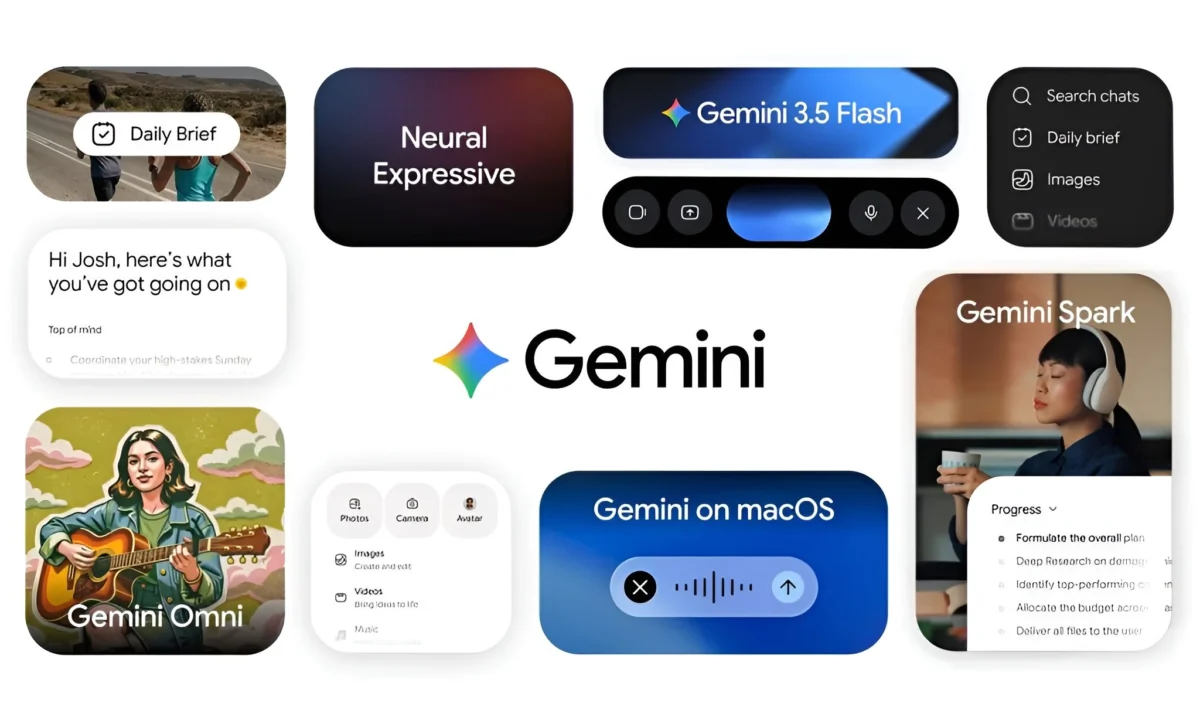
In a move that signals a significant shift in its mobile artificial intelligence strategy, Google has officially announced the cancellation of its highly anticipated standalone AI Studio app for iOS and Android. The decision, revealed via social media, marks a pivot away from fragmented, specialized applications toward a more unified "Gemini-first" experience. Despite garnering nearly 800,000 pre-orders from developers and enthusiasts, Google is betting that the future of AI development lies not in a new siloed app, but within the existing fabric of its flagship AI assistant, Gemini.
Main Facts: A Sudden Reversal of Strategy
The announcement came as a surprise to the tech community, which had been tracking the development of the mobile version of Google AI Studio—a tool designed to allow developers to build, test, and refine AI prompts using Google’s latest models, such as Gemini 1.5 Pro and Flash.
Key details of the cancellation include:
- The Scale of Interest: Google confirmed that approximately 800,000 users had already registered their interest via pre-orders on the Apple App Store and Google Play Store.
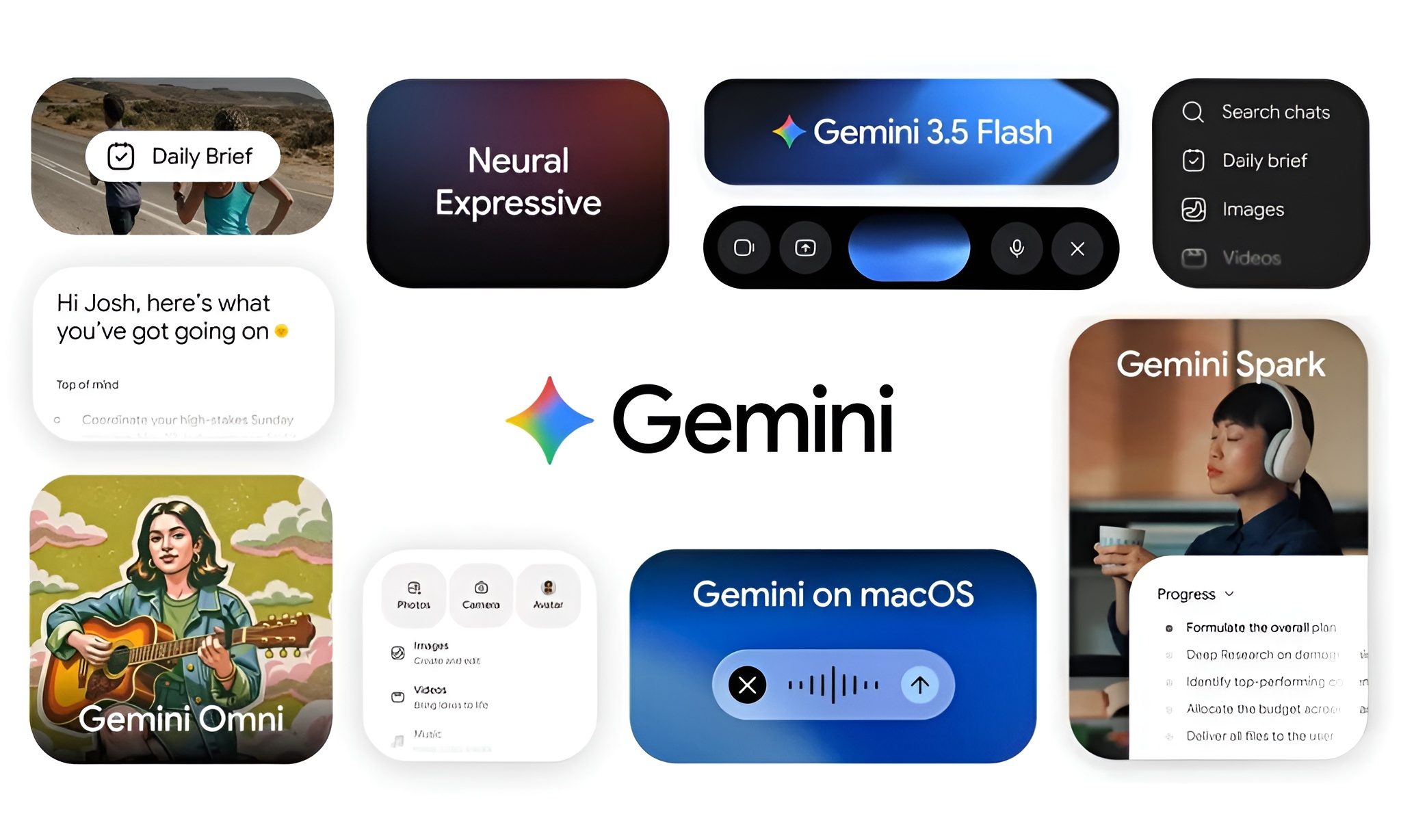
- The New Destination: Rather than a standalone environment, AI Studio’s core functionalities—including prompt engineering and model prototyping—will be integrated directly into the Gemini app.
- Web Continuity: The desktop/web version of Google AI Studio remains untouched and continues to be a primary focus for Google’s developer relations team.
- The Rationale: Google cites "app fatigue" and a desire to make AI creation a "natural part of everyday conversations" as the primary drivers for the shift.
This decision reflects a broader industry trend where tech giants are attempting to simplify user experiences by consolidating features into "super-apps" or central hubs, rather than requiring users to navigate a suite of disparate icons on their home screens.
Chronology: From MakerSuite to the Gemini Integration
The journey of Google AI Studio has been one of rapid evolution, reflecting the breakneck pace of the generative AI industry. To understand the current cancellation, one must look at the timeline of Google’s developer-facing AI tools.
2023: The Birth of MakerSuite
In early 2023, Google introduced "MakerSuite," a lightweight browser-based tool designed to let developers quickly prototype with the PaLM 2 models. It was positioned as a faster, more accessible alternative to the enterprise-heavy Vertex AI platform.
Late 2023 – Early 2024: Rebranding to AI Studio
As Google transitioned from the PaLM architecture to the Gemini era, MakerSuite was rebranded as Google AI Studio. It became the premier playground for testing the long-context window capabilities of Gemini 1.5 Pro. Throughout this period, demand for a mobile-native version grew, as developers sought the ability to tweak prompts and test model responses while away from their workstations.
Mid-2024: The Mobile Promise
Google officially opened pre-registrations for the AI Studio mobile app. The marketing promised a streamlined interface for "building software on the go." The tech community responded enthusiastically, with pre-order numbers climbing toward the million-user mark.
July 31, 2026: The Pivot
In a definitive post on X (formerly Twitter), the Google AI Studio team confirmed that the standalone app would no longer launch. The team stated that they are now working in tandem with the Gemini app team to merge the developer-centric tools of AI Studio with the consumer-facing interface of Gemini.
Supporting Data: The Logic of Consolidation
The decision to cancel a product with 800,000 pre-orders is rarely made without significant data-driven justification. Industry analysts suggest several factors likely influenced Google’s internal metrics.
1. The "App Fatigue" Phenomenon
Research into mobile user behavior suggests that while users download many apps, they spend 85% of their time in just five core applications. By forcing developers to download a separate "AI Studio" app, Google risked lower retention rates. Integrating these tools into the Gemini app—which Google is already pre-installing on millions of Android devices—ensures a much higher "active user" ceiling.
2. Ecosystem Synergy
Google’s recent financial reports and developer keynotes have emphasized the "Gemini Era." By centralizing development tools within Gemini, Google creates a feedback loop:

- Developers stay within the Gemini ecosystem to build.
- Consumers use the Gemini app to interact with those builds.
- Data stays within a single, unified pipeline, making it easier for Google to refine its models based on cross-platform usage patterns.
3. Comparison to Competitors
Microsoft has taken a similar approach by folding its various "Copilot" iterations into a single brand and interface. OpenAI, while maintaining a standalone ChatGPT app, has also moved toward a unified "GPT Store" experience rather than launching separate apps for every developer tool. Google’s move brings it in line with this "centralized hub" philosophy.
Official Responses: A New Direction for Creation
Google’s official statement on the matter emphasizes a "different approach" to software creation. In their communication to the 800,000 pre-order registrants, the company expressed gratitude for the interest while explaining the strategic pivot.
"It’s clear that people are interested in building software on the go," the Google AI Studio team stated. "Instead of asking you to download yet another app, we’ve decided to take an entirely different approach: one where apps and creation feel like a natural part of everyday conversations."
The company further clarified that the collaboration with the Gemini app team is aimed at making the transition between "using AI" and "building with AI" seamless. This suggests that future versions of the Gemini app may feature a "Developer Mode" or a dedicated tab that replicates the AI Studio environment without requiring a separate installation.
Regarding the desktop experience, Google was quick to reassure its core user base: "We are continuing to invest in the web version of AI Studio… the desktop experience remains a priority." This signals that while mobile is being consolidated for convenience, the heavy-duty work of AI development will still reside on the web.
Implications: What This Means for the AI Landscape
The cancellation of the AI Studio app is more than just a change in Google’s software roadmap; it has broader implications for the AI industry and developer workflows.
The Rise of the "Conversational IDE"
Google’s vision of making app building a "part of everyday conversations" points toward the rise of the Conversational Integrated Development Environment (IDE). In this future, a developer might start a prompt on their phone via a voice command to Gemini, refine the logic through a chat interface, and then finalize the deployment on the AI Studio web platform. This reduces the barrier to entry for "citizen developers" who may not have traditional coding backgrounds.
Potential Risks: Power vs. Simplicity
The primary concern among the developer community is the potential "watering down" of professional tools. AI Studio offers granular controls—such as adjusting "Temperature," "Top-P," and "Safety Settings"—that are not typically found in consumer chatbots. If the Gemini app integration prioritizes a simplified UI over these technical controls, professional developers may find the mobile experience lacking compared to what the standalone app promised.
The "Everything App" Race
This move places Google firmly in the race to create the ultimate AI "everything app." If Gemini becomes the place where you check your email (via Workspace integration), plan your travel (via Maps integration), and now build your own AI prototypes, it becomes the central operating system for the user’s digital life. This consolidation is a direct challenge to Apple Intelligence, which seeks to integrate AI at the OS level rather than through a single app.
Broader AI Missteps and Successes
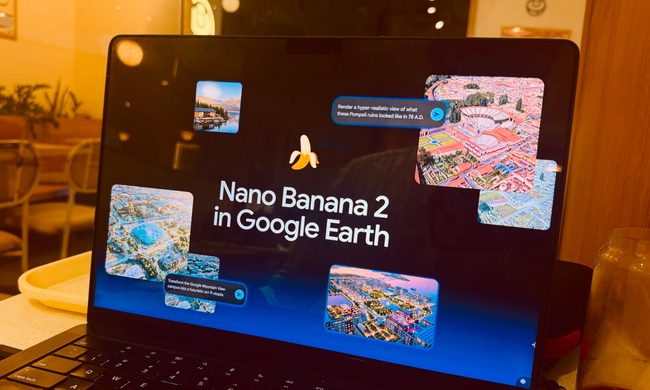
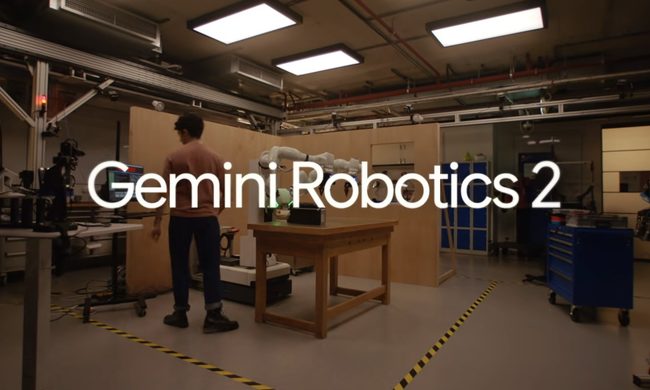
Contextually, this pivot arrives at a time when Google is aggressively experimenting with its AI implementation—sometimes with mixed results. Recent reports highlighted a "day-long misadventure" where Google Earth’s AI integration allowed for the generation of inappropriate or "dangerously ignorant" imagery on life-like maps. Conversely, Google DeepMind’s "Gemini Robotics 2.0" has shown immense promise in giving robots better balance and teamwork capabilities.
These contrasting outcomes highlight the high stakes of Google’s AI strategy. By consolidating AI Studio into Gemini, Google is attempting to create a more controlled, cohesive environment where it can more easily manage the safety and efficacy of its AI tools across all user segments.
Conclusion
The death of the standalone AI Studio mobile app is not a sign of waning interest in mobile AI development, but rather a maturation of Google’s strategy. By trading 800,000 potential app downloads for a deeper integration into the Gemini ecosystem, Google is betting on a future where the line between "user" and "creator" is permanently blurred. For developers, the wait for a native mobile experience continues, but the destination has changed: all roads now lead to Gemini.