The Unseen Threads: Tom Holland Reveals a Fan-Driven Spider-Man Cut That Creatives "Hated"
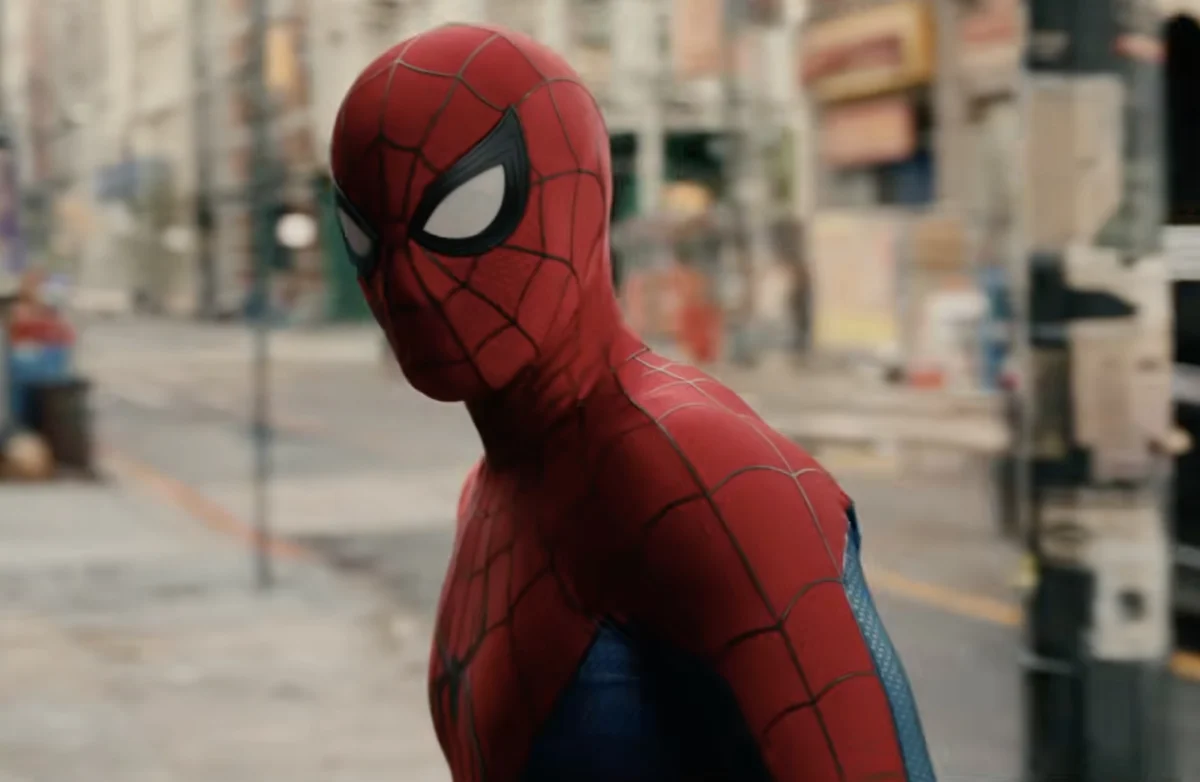
In the high-stakes world of blockbuster filmmaking, where fan anticipation can dictate narratives and box office returns, the delicate balance between creative vision and audience expectation is a perpetual tightrope walk. No genre exemplifies this tension more acutely than the superhero epic, particularly the Marvel Cinematic Universe (MCU), renowned for its intricate, interconnected storytelling and a fiercely dedicated global fanbase. Recent revelations from Spider-Man star Tom Holland have pulled back the curtain on this often-unseen struggle, offering a candid glimpse into a version of his latest web-slinging adventure, Spider-Man: No Way Home, that was largely shaped by early fan feedback and ultimately deemed a creative misstep.
The actor disclosed that an early cut of the film – which he referred to as "Brand New Day," likely a nod to the iconic Spider-Man comic book arc but almost certainly referencing No Way Home given his recent work – was so heavily influenced by audience notes that the creative team, including Holland himself, found it entirely unworkable. This surprising admission underscores the profound impact the editing room has on a film’s final identity, transforming "mountains of footage" into a coherent, compelling story, and highlights the potential pitfalls when external pressures unduly influence the artistic process.
The Genesis of a Narrative: Editing as the True Crucible
The journey of a major motion picture, especially within a behemoth like the MCU, is rarely linear. It begins with a script, evolves through principal photography that captures countless hours of material, and then enters the narrative crucible of the editing suite. It’s here, as the adage goes, that many films truly "find their story." Editors, often dubbed the "final writers," meticulously piece together scenes, adjust pacing, refine performances, and sculpt the emotional arc that will ultimately define the audience’s experience. This process is inherently iterative, with multiple cuts, reshoots, and adjustments being the norm rather than the exception.
For high-profile projects, particularly those with significant fan investment like Spider-Man, it’s also common practice to conduct early test screenings. These screenings serve as vital feedback mechanisms, allowing studios to gauge audience reactions, identify confusing plot points, evaluate character appeal, and even test different endings. The insights gleaned from these sessions can lead to substantial revisions, from minor tweaks in dialogue to wholesale structural changes. However, Holland’s account suggests a scenario where the pendulum swung too far, illustrating the inherent risks of attempting to cater to every individual note from diverse audience segments.
A Cut Too Far: Holland’s Candid Admission
Speaking in an interview, Holland recounted the experience with a striking frankness that resonated deeply within the film community. "What’s really interesting is, we’ve seen loads of different cuts of this movie, and one of the cuts was, they took all of the notes from all of the random people that saw the film, and they changed the movie," Holland revealed. The outcome, from the perspective of those intimately involved in its creation, was unequivocally negative. "We watched it, and… we hated it. It totally didn’t work. It’s what the people were asking for, but it wasn’t quite what we wanted as the creatives."
This statement is a powerful testament to the delicate balance required in filmmaking. While audience feedback is undeniably valuable for commercial success and fine-tuning, an overreliance on it can dilute a singular artistic vision, leading to a product that is designed by committee rather than driven by a cohesive creative voice. Holland did not elaborate on the specific changes that rendered this particular cut so unpalatable, leaving room for speculation about what fan-driven alterations might have been attempted. Were there too many villains? Did beloved characters receive unnecessary or out-of-character subplots? Was the emotional core of the story compromised in favor of gratuitous fan service? The ambiguity only serves to heighten the intrigue surrounding this "lost" version of a massively successful film.
The Art and Science of Test Screenings: A Double-Edged Sword
Test screenings have been a cornerstone of Hollywood filmmaking for decades, evolving from casual previews to sophisticated data-gathering operations. Their primary purpose is risk mitigation: studios invest hundreds of millions into these blockbusters and want to ensure the final product resonates with its target demographic. Historically, test screenings have led to significant and sometimes necessary changes, from recutting entire sequences to reshooting endings that didn’t land with audiences. Iconic examples abound, such as the original, darker ending of Fatal Attraction being scrapped after negative test audience reactions, or Pretty Woman‘s initial, grittier conclusion being replaced with its now-famous fairy-tale finish.
However, the practice is a double-edged sword. While constructive feedback can highlight genuine narrative flaws or pacing issues, an overzealous application of every note can lead to a Frankenstein’s monster of a film – a disjointed collection of ideas that pleases no one, least of all the original storytellers. Directors like Ridley Scott and David Fincher have famously clashed with studios over test screening-mandated changes, often leading to multiple versions of their films (e.g., Blade Runner, Alien 3).
In the context of the MCU, which operates with unprecedented levels of secrecy and interconnectivity, the stakes are even higher. Each film is a piece of a larger puzzle, and maintaining narrative integrity across a sprawling universe is paramount. While MCU films are known for extensive reshoots and post-production tweaks, Holland’s revelation suggests that even within this flexible system, there’s a line beyond which audience-driven changes become detrimental to the artistic vision and overall quality. The "too many cooks spoil the broth" adage finds a potent modern illustration here.
Holland’s Evolving Fascination with Filmmaking
Beyond the specific details of the Spider-Man cut, Holland’s commentary also sheds light on his burgeoning appreciation for the intricate craft of filmmaking. He openly expressed how the experience of witnessing a film transform "in a thousand different ways in the edit room" has deepened his understanding and respect for the process. This fascination isn’t new; Holland has previously spoken enthusiastically about the invaluable lessons he gleaned from working on a Christopher Nolan film. While he mistakenly referred to it as "The Odyssey" (Nolan has not directed a film by that title, but Holland likely meant a project like Dunkirk or Inception, known for their complex narrative structures and meticulous post-production), his admiration for Nolan’s precision and vision is clear.
Holland has indicated that he applied some of these newfound insights to the production of No Way Home, signaling a desire to be more than just a performer. This growing engagement with the behind-the-scenes mechanics suggests a natural evolution for the actor, who is already slated to produce his upcoming Fred Astaire biopic. His experience with the "hated" fan-driven cut of Spider-Man undoubtedly serves as a powerful practical lesson in the importance of maintaining a clear creative compass amidst external pressures. It’s a foundational experience that could shape his future producing decisions, emphasizing the need for a cohesive artistic direction over a fragmented, consensus-driven approach.
The Implications: Fan Service vs. Creative Integrity and the Future of Lost Cuts
Holland’s anecdote serves as a compelling case study in the ongoing debate surrounding fan service versus creative integrity. In an era dominated by social media and direct engagement between creators and audiences, the temptation to appease vocal fanbases can be overwhelming. While providing moments of "fan service" can generate excitement and loyalty, allowing fan demands to dictate core narrative choices risks undermining the very storytelling principles that make a film compelling. The creative team’s strong negative reaction to the fan-driven cut of No Way Home is a stark reminder that what fans think they want isn’t always what makes for the best film. Often, a compelling story requires difficult choices, character challenges, and unexpected turns that a purely fan-mandated narrative might shy away from.
This revelation also rekindles a lament for the decline of physical media. In the heyday of DVD and Blu-ray, "deleted scenes," "alternate endings," and "director’s cuts" were standard bonus features, offering cinephiles a treasure trove of insights into the filmmaking process and the various paths a story could have taken. These extras not only appeased curious fans but also provided valuable historical documentation of a film’s evolution. In the streaming era, such comprehensive behind-the-scenes content is increasingly rare. Holland’s "hated" cut of No Way Home is precisely the kind of fascinating, albeit perhaps flawed, artifact that would have found a home on a special edition physical release, offering fans and aspiring filmmakers a unique educational opportunity. Its likely perpetual unseen status is, in a way, a loss for the collective cinematic archive.
Ultimately, Holland’s candid admission offers a rare and valuable glimpse into the complex alchemy of modern blockbuster filmmaking. It highlights the indispensable role of editing, the intricate dance between artistic vision and commercial viability, and the critical importance of a cohesive creative voice. As Tom Holland continues to evolve as an artist, his growing understanding of these unseen threads will undoubtedly influence not only his performances but also his future contributions to the cinematic landscape, emphasizing the enduring power of creative conviction over the cacophony of collective demand.