Netflix Abandons David Fincher’s Ambitious ‘Squid Game’ Spinoff, Pivots to Global Localizations
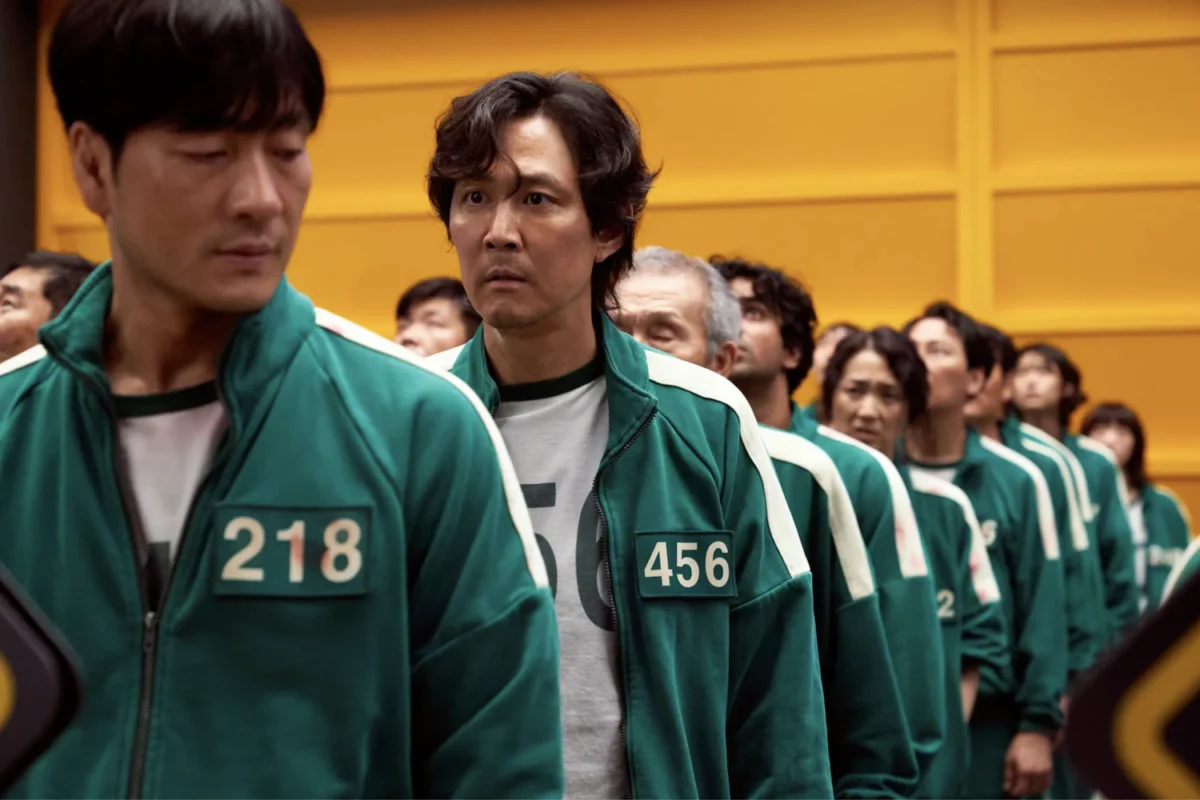
Los Angeles, CA – What began as a tantalizing prospect of Hollywood’s dark maestro, David Fincher, reinterpreting South Korea’s global phenomenon Squid Game for an English-speaking audience, has reportedly reached an abrupt end. Netflix, the streaming giant behind the original dystopian hit, has decided to cease development on "Heckler," the working title for Fincher’s long-anticipated English-language spinoff. This strategic shift marks a significant pivot for the streamer, moving away from a singular American adaptation towards a multi-market localization approach for its most successful non-English series.
The news, initially reported by The Playlist citing sources close to the filmmaker, signals the conclusion of a development journey that spanned over two years and captivated industry watchers and fans alike. The project, which had even secured acclaimed British writer Dennis Kelly, now joins a growing list of high-profile concepts shelved amidst evolving corporate priorities and a challenging streaming landscape.
Chronology of a High-Stakes Development
The journey of a potential English-language Squid Game began almost immediately after the original Korean series exploded onto the global stage in 2021. Its unprecedented success, marked by gripping narrative, visceral visuals, and profound social commentary, ignited discussions about its broader franchise potential.
The Cate Blanchett Enigma
The first major hint of a Western-influenced expansion arrived with the shocking conclusion of Squid Game season one. The finale featured a surprising in-world appearance by none other than two-time Academy Award winner Cate Blanchett. Her brief but memorable cameo as a mysterious recruiter for the deadly games sent shockwaves through the fandom and industry. As Christina Orlando succinctly articulated at the time, "THAT IS CATE BLANCHETT. SHE HAS TWO OSCARS. WHAT IS SHE DOING RECRUITING PEOPLE FOR SQUID GAME."
This unexpected star power fueled intense speculation that a high-caliber English-language spinoff was not just possible, but actively in the works. Blanchett’s involvement suggested a project with significant prestige and ambition, far beyond a mere rehash of the original. Her presence was widely interpreted as a direct tease for an American version, designed to bridge the cultural gap and bring the franchise closer to Western audiences, potentially with a deeper dive into the shadowy organization behind the games.
David Fincher’s Entry into the Game
The whispers gained concrete form in 2024 when The Playlist reported that David Fincher, a director synonymous with meticulously crafted, dark, and psychologically intense thrillers, had been "quietly working on Squid Game for the last two years or so." The report further revealed that acclaimed British writer Dennis Kelly, known for his work on shows like Utopia and The Third Day, was attached to pen the script.
Fincher’s attachment was a monumental coup, instantly elevating the project’s profile. His filmography, including classics like Se7en, Fight Club, Zodiac, and Gone Girl, alongside his successful collaborations with Netflix on House of Cards and Mindhunter, made him a seemingly perfect fit for the grim, high-stakes world of Squid Game. His signature visual style, keen eye for psychological detail, and ability to extract profound performances from actors promised an adaptation that would be both intellectually stimulating and viscerally unsettling. The idea of Fincher applying his meticulous craft to the moral ambiguities and societal critiques inherent in Squid Game was a dream scenario for many cinephiles and fans of the original.
"Heckler" Emerges: A Glimpse into the Concept
The working title "Heckler" also offered intriguing clues about the potential thematic direction of Fincher’s adaptation. While specific plot details remained under wraps, "Heckler" could have alluded to a variety of concepts: the public’s judgment of the game participants, the commentary on social inequality, or perhaps even a character whose role was to disrupt or criticize the established order of the games. Given Fincher’s penchant for exploring societal underbellies and human nature’s darker facets, the title suggested a potentially meta-narrative examining the spectacle of suffering and the audience’s role in it, a common thread in his work.
The combination of Fincher’s directorial prowess, Kelly’s sharp writing, Blanchett’s potential involvement, and an intriguing title painted a picture of an English-language Squid Game that could stand shoulder-to-shoulder with its revered predecessor. The industry was buzzing with anticipation for what promised to be a prestige streaming event.
Supporting Data & Context for the Cancellation
The decision to halt such a high-profile project, particularly one fronted by a director of Fincher’s stature, is rarely singular in its causation. Multiple factors, from shifting corporate strategies to individual commitments, appear to have converged, leading to "Heckler"’s demise.
Netflix’s Evolving Franchise Strategy
Initially, the conventional wisdom for streaming platforms with a massive international hit like Squid Game was to replicate its success with a direct, high-budget English-language adaptation, often set in the United States. This approach aims to maximize global reach, leveraging the existing brand recognition while potentially appealing to audiences who prefer English-language content or a more familiar cultural context. Examples of this strategy include adaptations like Money Heist: Korea – Joint Economic Area, an attempt to localize the Spanish hit, or various remakes of successful foreign films.
However, Netflix’s priorities, as The Playlist notes, have "shifted" after "years in development and various executive changes at the streamer." Rather than pouring resources into a single, large-scale American offshoot, the company "now appears more interested in exploring versions tailored to individual international markets." This represents a significant strategic recalibration. Instead of a top-down, Western-centric approach to franchise expansion, Netflix seems to be embracing a more decentralized, localized model. This could involve developing Squid Game versions in different languages and cultural contexts, each reflecting the specific social and economic realities of its region, much like the original series did for South Korea.
This shift might be driven by several factors:
- Authenticity and Relatability: Localized versions can offer deeper cultural relevance and resonate more authentically with audiences in specific regions.
- Cost-Effectiveness: While a major American Fincher project would command a substantial budget, producing multiple, potentially lower-cost, localized versions might offer a better return on investment across diverse markets.
- Lessons Learned: Netflix may have observed that direct remakes don’t always capture the magic of the original (e.g., the mixed reception for Money Heist: Korea), whereas highly localized content can still achieve global success if the quality is high (e.g., the original Squid Game itself).
- Talent Pool Diversification: Tapping into creative talent pools across various countries allows for a broader range of storytelling perspectives.
- Global Content Mandate: As a truly global streamer, Netflix benefits from showcasing diverse content from around the world, rather than solely focusing on American productions.
This new direction suggests Netflix might be trying to build a Squid Game cinematic universe that is truly international in its scope, rather than merely using a Western filter.
David Fincher’s Crowded Schedule
Another significant factor contributing to the shelving of "Heckler" is David Fincher’s increasingly busy directorial slate. The acclaimed filmmaker is currently engaged with "other projects," most notably The Adventures of Cliff Booth. This "somewhat baffling sequel to Quentin Tarantino’s Once Upon a Time in Hollywood" is a project that raises eyebrows given its unexpected nature and divergence from Fincher’s typical oeuvre.
While details about The Adventures of Cliff Booth are scarce, its existence indicates a substantial commitment of Fincher’s time and creative energy. Directing a feature film, especially one with the potential expectations tied to a Tarantino universe, is an intensive process that can span years from pre-production to post-production. It is plausible that Fincher’s dedication to this new film, or perhaps other undisclosed projects, made it challenging to align his schedule with Netflix’s evolving vision for the Squid Game franchise. For a director known for his meticulous and often lengthy production cycles, balancing multiple high-demand projects would be a formidable task. It’s unclear if Fincher’s busy schedule was the primary instigator of the cancellation or if Netflix’s strategic shift simply presented an opportune moment to gracefully exit the arrangement.
Executive Changes and Financial Pressures at Netflix
The report also vaguely references "various executive changes at the streamer" as a contributing factor. Leadership transitions within major corporations often lead to a re-evaluation of existing projects, especially those with long development cycles and significant financial commitments. New executives frequently bring fresh perspectives and strategic priorities, sometimes resulting in the cancellation of projects initiated by their predecessors.
Furthermore, Netflix has faced increased scrutiny and financial pressures in recent years. After a period of explosive subscriber growth, the company has experienced slowdowns, increased competition, and a renewed focus on profitability and sustainable growth. This environment often leads to a more cautious approach to spending, particularly on expensive, long-gestating projects that haven’t yet guaranteed a clear return on investment. A high-budget Fincher series, while prestigious, would undoubtedly represent a significant financial outlay. In a climate where every dollar is being scrutinized, a project that no longer aligns perfectly with the evolving corporate strategy could become an easy target for cancellation. The shift towards localized content might also be a more cost-effective way to maintain brand engagement and capture new audiences globally.
Official Responses and Industry Reaction
As of the reporting by The Playlist, neither Netflix nor representatives for David Fincher or Dennis Kelly have issued official statements confirming or denying the cancellation of "Heckler." The news relies on "sources close to the filmmaker," which, while often reliable in Hollywood reporting, still leaves room for formal confirmation.
The industry’s reaction is likely to be mixed. On one hand, the cancellation represents a missed opportunity for a prestige adaptation that could have been a major awards contender and a defining moment for the Squid Game franchise in the West. Fincher’s involvement alone guaranteed significant buzz and critical attention. Filmmakers and producers who appreciate artistic ambition might view this as a setback for creative, high-budget streaming content.
On the other hand, some industry analysts might view Netflix’s pivot as a pragmatic and intelligent move. In an increasingly globalized content market, focusing on diverse, culturally specific adaptations could be a more sustainable long-term strategy than attempting to shoehorn a successful foreign concept into a single, potentially less authentic, Western mold. This approach acknowledges the strength of local storytelling and the global appetite for diverse narratives.
Fans, particularly those who were excited by the prospect of Fincher’s unique vision, may express disappointment. The original Squid Game garnered a passionate global following, and many were eager to see how a master like Fincher would interpret its themes. However, those who champion the authenticity of foreign-language content might welcome the shift, hoping for new, equally compelling localized versions that retain the original’s spirit.
Implications for the Squid Game Franchise and Beyond
The reported cancellation of "Heckler" carries significant implications, not just for the Squid Game franchise, but also for Netflix’s broader content strategy and the streaming landscape itself.
The Future of the Squid Game Franchise: A Multiverse of Markets?
The most direct implication is the apparent shift in Netflix’s approach to expanding the Squid Game universe. The company’s reported interest in "exploring versions tailored to individual international markets" suggests a future where we might see multiple, distinct Squid Game iterations emerge from different countries.
What could this look like?
- Localized Dystopias: Imagine Squid Game: Brazil, exploring socio-economic disparities within a Brazilian context, or Squid Game: India, delving into the unique challenges and class structures of that nation. Each version could adapt the core concept of deadly games driven by desperation, but infuse it with specific local flavors, cultural references, and relevant social critiques.
- Diverse Storytelling: This approach could lead to a rich tapestry of narratives, showcasing different directorial styles, acting talents, and production aesthetics from around the world. It could foster greater creativity and authenticity compared to a single, monolithic American remake.
- Challenges: However, this strategy also presents challenges. Maintaining quality control across multiple productions could be difficult, and there’s a risk of brand dilution if too many versions emerge, some of which might not live up to the original’s high standards. Netflix would need to carefully curate these localizations to ensure they uphold the franchise’s reputation.
Crucially, this new direction does not impact the original Korean series. Squid Game Season 2 is already confirmed and highly anticipated, continuing the narrative of Seong Gi-hun. Additionally, the Squid Game: The Challenge reality show has already premiered, demonstrating Netflix’s willingness to diversify the franchise in non-scripted formats. The shift primarily affects the scripted spinoff strategy, moving it from a singular Western focus to a multi-pronged global one.
Impact on David Fincher’s Relationship with Netflix
David Fincher has enjoyed a prolific and often creatively fruitful relationship with Netflix. He was instrumental in establishing the streamer’s reputation for prestige original content with House of Cards, and later helmed critically acclaimed projects like Mindhunter, Mank, and most recently, The Killer. This cancellation, while disappointing, might not necessarily strain his relationship with the platform. In Hollywood, project development is a fluid process, and cancellations are common, even for established talents. Given Fincher’s current engagement with The Adventures of Cliff Booth, it’s possible that the parting was amicable and mutually understood, allowing both parties to pursue their respective priorities. Fincher may well collaborate with Netflix again on future projects that align with his vision and their evolving strategy.
Broader Trends in Streaming Content
Netflix’s reported pivot for Squid Game reflects a broader trend in the streaming industry. As global streamers mature, there’s an increasing recognition of the power of localized content. While American remakes of foreign hits used to be a standard practice, there’s growing evidence that audiences, even in Western markets, are increasingly open to watching high-quality foreign-language productions. The global success of the original Squid Game itself is the ultimate proof of this phenomenon.
This shift suggests that streamers might be moving away from the "one size fits all" approach to IP expansion. Instead of trying to "Americanize" every global hit, they might invest more in fostering local talent and producing content that authentically speaks to diverse global audiences. This could lead to a richer, more varied international content landscape, benefiting both creators worldwide and viewers seeking fresh, culturally distinct stories. It also signals a more cautious approach to high-budget, long-development projects, emphasizing strategic alignment and clear return on investment in a competitive and financially challenging streaming environment.
In conclusion, while the demise of David Fincher’s Squid Game spinoff is a significant development, it underscores Netflix’s dynamic evolution. The streamer is seemingly charting a new course for its most valuable international IP, prioritizing localized storytelling over a singular Western adaptation. The ultimate success of this new strategy, and what it means for the sprawling Squid Game multiverse, remains to be seen.