Nisaba: The Sumerian Goddess Who Embodied the Dawn of Literacy
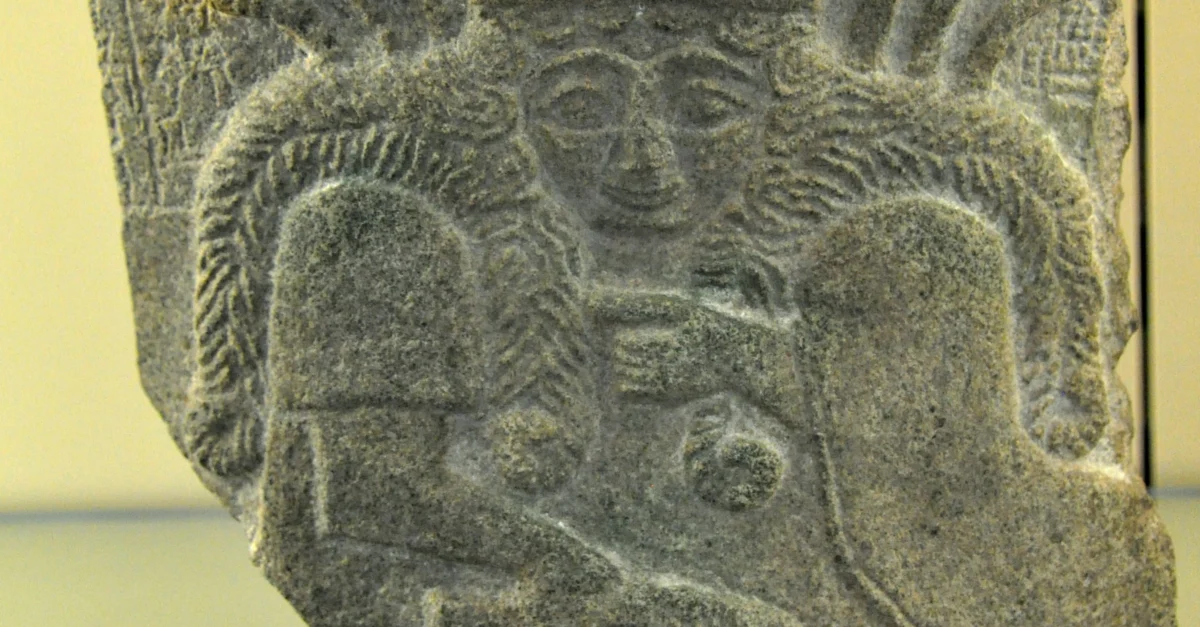
In the ancient lands of Mesopotamia, where civilization first bloomed and the written word was forged, a deity emerged whose very essence intertwined with the burgeoning power of knowledge and communication. Nisaba, often referred to as Nidaba or Nissaba, stands as the revered Sumerian goddess of writing, accounts, and the divine scribe of the gods. Her journey from a humble grain deity to the ultimate patron of literacy offers a compelling narrative of cultural evolution, societal priorities, and the profound impact of technological advancement on human civilization.
Scholars like Jeremy Black advocate for "Nisaba" (or "Nissaba") as the more accurate rendition of her name, underscoring the meticulous attention paid to these ancient figures. More than just a mythological character, Nisaba was a dynamic reflection of Sumerian society’s evolving understanding of the world, embodying the crucial transition from an agrarian existence to one increasingly shaped by complex administration, literature, and recorded history.
The Essence of Nisaba: Main Facts and Divine Role
Nisaba’s fundamental identity is deeply rooted in the intellectual and administrative bedrock of Sumerian civilization. She was, first and foremost, the goddess of writing and accounts, serving as the celestial scribe who meticulously recorded the decrees of the gods and the deeds of mortals. Her purview extended beyond mere transcription; she was the embodiment of the very act of literacy, the guardian of knowledge, and the patroness of scribes, scholars, and all those who engaged with the written word.
Her initial association as a grain goddess provided a foundational link to sustenance and fertility, a common theme in early agricultural societies. However, it was her remarkable transformation to a deity of writing that cemented her unique place in the Sumerian pantheon. This evolution was not arbitrary but deeply reflective of the societal changes gripping Mesopotamia, where the invention and widespread adoption of cuneiform writing revolutionized trade, governance, and cultural transmission. Nisaba became, in essence, the divine personification of this groundbreaking technology, celebrated as the force that enabled precise communication, ordered administration, and the preservation of wisdom.
A Journey Through Time: Nisaba’s Chronological Evolution
The narrative of Nisaba is a chronological tapestry woven through millennia of Mesopotamian history, reflecting shifts in political power, religious practices, and the very fabric of society.
Early Dynastic Period (c. 2900-2350 BCE): The Grain Goddess of Umma
Nisaba’s earliest known cult centers her as an agricultural deity during the Early Dynastic period I (circa 2900-2750/2700 BCE). She was initially worshipped in the city of Umma, where her domain was the bounty of the earth, particularly grain. In this form, she was sometimes associated with Ennugi, the god of canals and dikes, and known as Nanibgal or Nun-barsegunu ("Lady Whose Body is the Flecked Barley" or "Lady Whose Body is Dappled Barley"). This agricultural identity placed her firmly within the pantheon of life-giving deities, essential to the survival of agrarian communities. Her iconography in this early phase was simple yet potent: a single stalk of grain, symbolizing the very essence of her power and the life she sustained.
Her divine lineage during this period often varied, a common characteristic of ancient Mesopotamian polytheism, where local traditions and political alliances influenced theological narratives. In some accounts, she was the daughter of Anu and Unas, the personifications of Heaven and Earth, aligning her with the primordial forces of creation. In other cities, notably Lagash, she was revered as the daughter of Enlil and Ninlil, the prominent divine couple who held sway with the blessing of Anu and Unas. These fluid genealogies highlight the decentralized nature of early Sumerian religion, where regional cults adapted broader mythological frameworks to suit local beliefs and power structures.
The Rise to Scribe of the Gods (c. 2600-2000 BCE): A Reflection of Societal Change
The pivotal transformation in Nisaba’s role occurred as Sumerian society grew more complex, particularly with the widespread adoption of cuneiform writing. While some scholars theorize a connection between agricultural fertility and creative inspiration, the more widely accepted view posits that her elevation to goddess of writing stemmed directly from the practical necessity of record-keeping for agricultural transactions. As cities expanded and trade networks grew, managing vast quantities of grain, livestock, and other resources demanded systematic accounting. The written word, therefore, became indispensable for the very administration of the harvest she oversaw.
This profound shift saw Nisaba transcend her agrarian roots to become the preeminent scribe of the gods and the meticulous keeper of both divine and mortal accounts. Her administrative role was significant; she was sometimes referenced as the scribe of Nanshe, the goddess of social justice, suggesting that Nisaba’s records played a crucial part in Nanshe’s judgments, noting those in need and those deserving of punishment for transgressions.
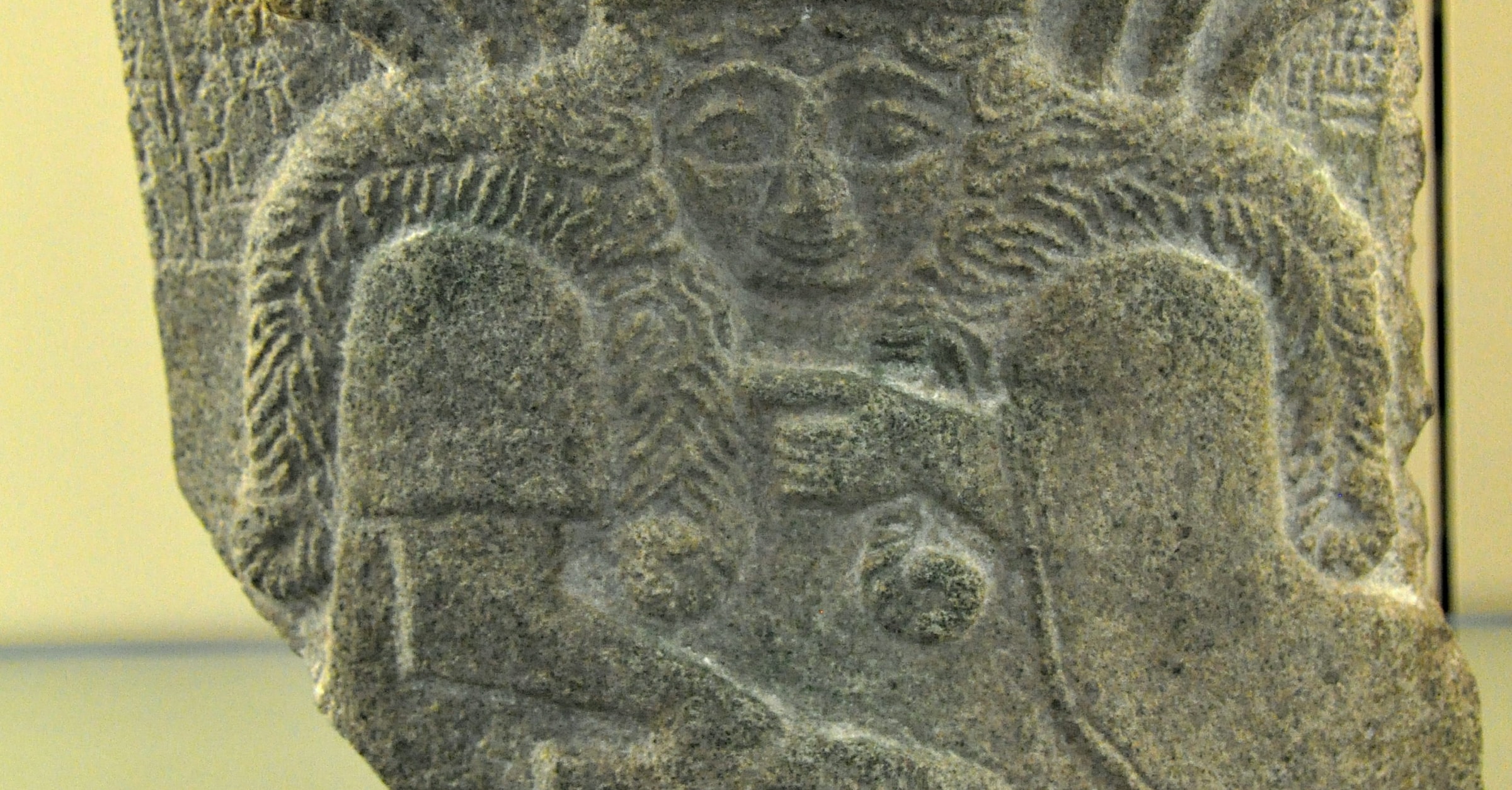
Despite her immense prestige, specific iconography depicting Nisaba as the goddess of writing remains elusive. However, textual descriptions offer vivid insights. The renowned Sumerian literary work, Dream of Gudea, paints a striking image of her: "a woman holding a gold stylus and studying a clay tablet on which the starry heaven was depicted" (Kramer, 138). This portrayal underscores her association with cosmic knowledge and divine wisdom, elevating her beyond mere earthly record-keeping. By circa 2600-2550 BCE, Nisaba’s influence had permeated Mesopotamia; she was regularly invoked in blessings, supplications, and even curses, securing her position among the most prestigious deities in the Sumerian pantheon.
Intriguing, though less certain, are the suggestions from cylinder seals of the Early Dynastic period (circa 2900-2350/2334 BCE) that might link Nisaba to construction, particularly monuments and temples. If this interpretation holds, it would draw fascinating parallels with the Egyptian goddess Seshat, who also presided over writing, accounts, and construction. However, scholarly consensus on these specific seals remains divided due to the ambiguity of the symbols. Nevertheless, the conceptual parallels between Nisaba and Seshat in their shared domains of knowledge and order are unmistakable, reflecting universal human needs for administrative precision and the systematic recording of information.
Zenith of Influence: Ur III and Old Babylonian Periods (c. 2112-1595 BCE)
Nisaba’s prominence reached its zenith during the Ur III period and the early phases of the Old Babylonian era. From approximately 2000 BCE to 1750 BCE, sanctuaries dedicated to Nisaba, often accompanied by attached libraries and scribal houses, flourished across Mesopotamia. These institutions were not merely places of worship but vital centers of learning and administration, underscoring the goddess’s central role in the intellectual life of the period. Shulgi of Ur, a prominent ruler of the Ur III period (circa 2112 to circa 2004 BCE), frequently attested to her importance, particularly in association with Eresh, her primary cult city whose exact location remains a subject of archaeological inquiry.
As writing became more sophisticated, moving from simple pictographs to complex phonograms, Nisaba’s association deepened. She became synonymous with the very concept of literacy, leading to poetic descriptions such as "The Lady – in the place where she approaches there is writing" (Monaghan, 8). Cuneiform, initially the script of the Sumerians, proved versatile enough to be adopted by successive empires, including the Akkadians, Babylonians, and many other cultures throughout the Near East, further solidifying the importance of the principles Nisaba embodied.
The Decline and Assimilation: Hammurabi and the Rise of Nabu
The Old Babylonian Period (circa 1894-1595 BCE) marked a significant turning point for Nisaba. Her status began to decline, a trend particularly pronounced during the reign of Hammurabi of Babylon (1792-1750 BCE). Hammurabi’s ascent to power involved not only military conquest but also a strategic reshaping of the Mesopotamian pantheon. He elevated Marduk, the patron deity of Babylon, to the supreme position of king of the gods, and his son, Nabu, was simultaneously promoted. This period saw a broader shift in religious emphasis, where goddesses across Mesopotamia lost prestige in favor of male deities. This religious transformation mirrored, and perhaps contributed to, a corresponding decline in the status and rights of women in society.
Nabu, as the son of the newly supreme god Marduk, usurped Nisaba’s revered position as the primary patron of writing and scribes. Nisaba was largely relegated to a secondary role, sometimes depicted as Nabu’s wife or consort. In this diminished capacity, she continued to oversee records and maintain the divine library, but the crucial function of inspiring creativity and intellectual pursuit was transferred to Nabu. This shift represented a significant loss of autonomy and influence for Nisaba, marking the end of her golden age as the preeminent goddess of literacy.
Enduring Presence: Neo-Assyrian and Seleucid Eras
Despite her displacement by Nabu, Nisaba’s legacy was not entirely erased. She continued to be venerated, albeit often within the temples dedicated to Nabu, for thousands of years. Her name is still found alongside Nabu’s in the pantheon of the Neo-Assyrian gods (circa 912-612 BCE). When the Neo-Assyrian Empire collapsed in 612 BCE, the invading forces often targeted the deities most closely associated with Assyrian rule, destroying their statues and temples as an act of vengeance. However, Nisaba, like Nabu, was largely spared. This survival can be attributed to her earlier, deeply rooted Babylonian associations, which allowed her to be assimilated or remembered in contexts less tied to the fallen Assyrian regime.
Nisaba’s worship persisted in the region, albeit subtly, into the Seleucid period (312-63 BCE). However, as Christianity gained wider acceptance and began to spread throughout the Near East, the ancient gods and goddesses, including Nisaba, gradually faded from active veneration. Her influence waned, and she ultimately disappeared from the religious landscape, giving way to new theological paradigms.
Supporting Data: The Pillars of Nisaba’s Legacy
Nisaba’s story is inextricably linked to the profound developments in Mesopotamian intellectual and administrative history.
The Genesis of Cuneiform: A Practical Necessity
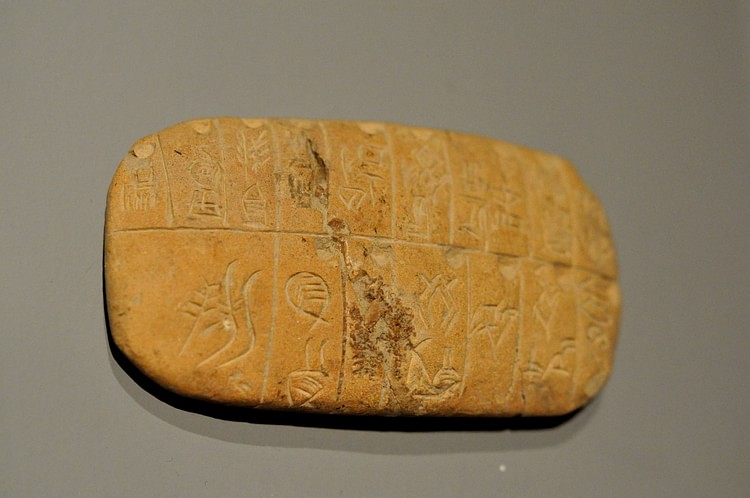
The invention of writing by the Sumerians, dating back to circa 3600/3500 BCE, was not born of abstract intellectual curiosity but from the urgent practical demands of long-distance trade. As Mesopotamian cities grew and became increasingly specialized, they relied on trade networks to acquire resources they lacked. This burgeoning commerce necessitated a reliable method for communicating complex information across distances.
Early cuneiform began as pictographs – simple symbols representing objects. These impressions, made with sharp styluses on wet clay tablets and then dried, served as rudimentary official records. They could track how many sheep were sent to a temple or how many vats of beer were involved in a transaction. However, as scholar Paul Kriwaczek astutely observes, these early pictographs had significant limitations:
"All that had been devised thus far was a technique for noting down things, items and objects, not a writing system. A record of ‘Two Sheep Temple God Inanna’ tells us nothing about whether the sheep are being delivered to, or received from, the temple, whether they are carcasses, beasts on the hoof, or anything else about them." (63)
To overcome this ambiguity and convey more complex concepts, a more sophisticated system was imperative. This breakthrough occurred in the Sumerian city of Uruk around 3200 BCE, with the development of phonograms – symbols representing sounds. These phonograms allowed for the precise articulation of the spoken Sumerian language, transforming writing from a mere mnemonic device into a powerful tool for conveying nuanced meaning. With phonograms, the transaction involving "Two Sheep Temple God Inanna" could now clearly specify whether the sheep were offerings, payments, or live animals, radically enhancing administrative clarity and legal precision.
The Hubs of Knowledge: Scribal Schools and Libraries
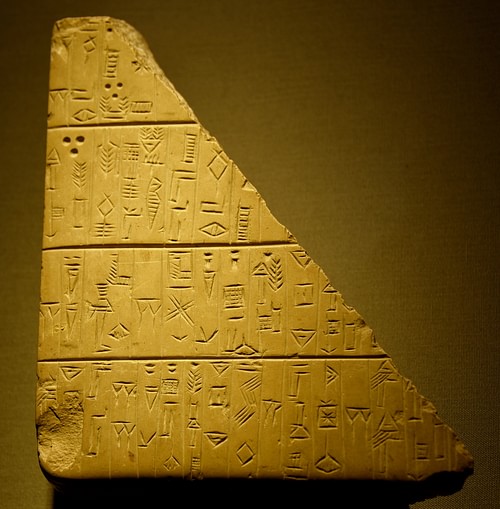
The explosion in the uses of writing – from literature and law to communication and detailed palace records – created an urgent demand for trained scribes. This led to the proliferation of formal scribal schools, known as E-DUB-A, or "Tablet Houses," across Sumerian cities and towns. By 2000 BCE, Sumer boasted a highly organized educational system dedicated to teaching the intricate art of reading and writing cuneiform.
Scholar Betty Deshong Meador highlights the societal impact of these institutions:
"The schools trained students to read and to write cuneiform. Most were young men but evidence on ancient tablets reveals that women were scribes as well. The ‘signature’ of the high priestess at Ur, Enheduanna, occurs on a number of hymns and poems that include her vivid descriptions of personal interactions with her goddess Inanna."
"Among the naditu cloister for women in Sippar, 600 years after Enheduanna, were scribes who served the business and personal needs of other women in the group. From the many tablets archaeologists uncovered, particularly in the religious capital of Nippur, scholars have been able to determine much of the sequence of the curriculum that the students followed in the scribal schools. For the first time in history, the orderly recording of acquired knowledge became a common practice." (cited in Monaghan, 8-9)
Nisaba was the revered patroness of this entire intellectual enterprise. Scribes, both novice and experienced, routinely invoked her for inspiration and guidance. Tablets from scribal schools and finished literary works often concluded with the reverent phrase, "Praise be to Nisaba!" – a gesture of gratitude for her divine assistance. A testament to her profound connection with the craft, one young student inscribed on an ancient tablet, "I am the creation of Nisaba" (Monaghan, 9). Just as her early pictogram as a grain stalk signified her presence within the grain itself, her later association with writing meant she was the written word, language, literacy, communication, and learning. She was the writer and the written word, embodying the entire spectrum of intellectual endeavor.
The Divine Attributes: Wisdom, Inspiration, and Accountability
Beyond her practical role, Nisaba was deeply associated with profound wisdom and creative inspiration. She was considered the goddess of intellectual pursuits, with a repertoire that included mathematics and astronomy, fields crucial to Mesopotamian administration and religious practices. Meador further elaborates on her esteemed qualities:
"In Temple Hymn 42, Enheduanna calls her ‘faithful woman exceeding in wisdom.’ Already mentioned was her close relationship to scribes and scholarly activities. Mathematics and astronomy were in her repertoire. She was said to be ‘a lady with cunning intelligence.’ She was the goddess of creative inspiration, goddess of creative mind." (Monaghan, 11)
The famous Hymn to Nisaba, from the Ur II period, though formally dedicated to her patron Enki, commences with a powerful invocation that captures her awe-inspiring attributes:
"Lady coloured like the stars of heaven, holding a lapis lazuli tablet! Nisaba, great wild cow born of Uras, wild sheep nourished on good milk among holy alkaline plants, opening the mouth for seven reeds! Perfectly endowed with fifty great divine powers, my lady, most powerful." (Black, Literature, 293)
This vivid imagery underscores her celestial connection, her wisdom (symbolized by the lapis lazuli tablet), and her potent creative force ("opening the mouth for seven reeds" – a metaphor for poetic and scribal expression). This invocation was characteristic of Sumerian compositions, beginning with a plea for Nisaba’s help and concluding with praise for her inspiration. Her worship, even without dedicated temples, largely centered on the act of writing itself – an author composing a work was, in essence, honoring the goddess through the exercise of the gifts she bestowed.
Scholarly Interpretations and Historical Context
The study of Nisaba by Assyriologists and historians reveals both areas of consensus and ongoing debate. Her transformation from a grain deity to a goddess of writing is widely accepted as a clear reflection of the economic and administrative demands of early Sumerian society. Scholars generally agree that the need for detailed records, particularly in agriculture, provided the impetus for the development of writing, and it was logical for a pre-existing agricultural deity to be assimilated into this new sphere.
However, areas like the interpretation of cylinder seals, which might link her to construction, remain subjects of scholarly caution. The ambiguity of ancient symbols and the scarcity of definitive inscriptions often lead to varied interpretations, emphasizing the challenges inherent in reconstructing ancient religious practices from limited archaeological and textual evidence.
Furthermore, Nisaba’s decline under Hammurabi is a crucial point of discussion for understanding the broader gender dynamics in ancient Mesopotamian religion. The shift towards male-dominated pantheons during the Old Babylonian period is seen by many scholars as reflecting a societal transformation where the status and influence of women, both divine and mortal, diminished. This historical context provides valuable insight into how religious narratives were not static but fluid, adapting to and reinforcing prevailing political and social structures.
Broader Implications: Nisaba’s Enduring Significance
Nisaba’s narrative extends far beyond the confines of ancient Mesopotamia; it offers profound implications for understanding the trajectory of human civilization.
The Embodiment of Progress:
Nisaba’s evolution embodies the Sumerian appreciation for intellectual and administrative advancement. Her shift from a force of natural fertility to a patron of systematic knowledge underscores a society that recognized the transformative power of literacy. She represents the conscious effort to organize, record, and transmit information – a fundamental pillar upon which complex societies are built. Her veneration reflects a cultural value placed on intelligence, order, and the ability to articulate and preserve knowledge.
A Mirror to Society:
The changing fortunes of Nisaba serve as a powerful mirror reflecting the political, social, and gender dynamics of ancient Mesopotamia. Her rise alongside the written word demonstrates the elevation of intellectual pursuits. Conversely, her decline under Hammurabi vividly illustrates how religious beliefs could be manipulated to consolidate political power and reshape societal norms, particularly concerning the roles of women and goddesses. This aspect of her story provides a cautionary tale about the interplay between religious narrative and sociopolitical shifts.
The Legacy of Literacy:
Ultimately, Nisaba stands as a foundational symbol of the importance of writing itself. Her patronage highlights the understanding that literacy is not merely a skill but a divine gift, essential for governance, trade, culture, and the very fabric of civilization. The Sumerians, through Nisaba, deified the medium that allowed them to transcend oral traditions, codify laws, compose epic literature, record scientific observations, and establish a lasting historical record. This legacy of organized knowledge and systematic communication, once overseen by Nisaba, continues to shape societies around the world to this day.
Conclusion: The Unsung Patron of the Written Word
From a revered grain goddess nourishing the fields of Umma to the meticulous scribe of the gods presiding over the vast intellectual landscape of Mesopotamia, Nisaba’s journey is a testament to the dynamic nature of ancient pantheons and the profound impact of human innovation. She personified the very essence of literacy, embodying the crucial transition from an agrarian existence to a complex, administratively driven society. Her golden stylus and starry tablet, as envisioned in the Dream of Gudea, symbolize not just the tools of her craft but the celestial wisdom she commanded.
Though eventually eclipsed by Nabu under the sweeping reforms of Hammurabi, Nisaba’s foundational role as the goddess of writing, wisdom, and accounts remains indelible. Her sanctuaries and scribal schools nurtured generations of scholars, and her name resonated in the "Praise be to Nisaba!" that concluded countless ancient texts. Even in her diminished role, she continued to represent the enduring power of the written word. Nisaba, though faded from active worship, remains an unsung patron, a silent witness to the enduring legacy of literacy, knowledge, and the human quest to record, understand, and shape the world through the power of the written word.