The State of the Independent Graphic Novel: A Critical Survey of Mid-2026 Releases
Main Facts: The "Arrivals and Departures" of June 2026
In the early summer of 2026, the independent comics landscape finds itself at a polarizing crossroads, caught between the hyper-digital "brain rot" aesthetics of the internet age and a resurgence of visceral, hand-drawn grotesquerie. This tension is central to the latest "Arrivals and Departures" column by veteran critic RJ Casey, published in The Comics Journal. Casey’s June 2026 reportage serves as a barometer for the medium, evaluating three distinct works that represent the breadth of contemporary zine and small-press culture: Parker Davis’s Cryptid Corner, Josephine M.K. Edwards’s Bigfoot Business Shoe, and Emily Zimmer’s Vore-Tex.
The core findings of this month’s survey suggest a deepening divide in artistic intent. On one hand, there is a movement toward "reusable digital assets" and ironic nostalgia that risks alienating readers through emotional detachment. On the other, there is a burgeoning "new grotesquerie" that utilizes raw, unpolished visuals to communicate modern anxieties—particularly regarding the workplace and existential dread—without the sanitizing filter of contemporary "therapy speak."
Chronology: From a "Comics High" to the "Rock Bottom" of Nostalgia
The narrative of June 2026’s critical discourse began with a sense of optimism. Following a productive May, the independent scene appeared to be in a state of healthy growth, with cartoonists making significant strides in narrative complexity and zine production. However, this momentum was abruptly challenged by the release of Parker Davis’s Cryptid Corner (I Know What You Did Press, 2025).
Casey describes the experience of reading Cryptid Corner as a descent from a "true comics high" to a "rock bottom of ironic nostalgia." This work serves as a pivot point in the month’s chronology, forcing a re-evaluation of what constitutes meaningful art in the post-digital era.
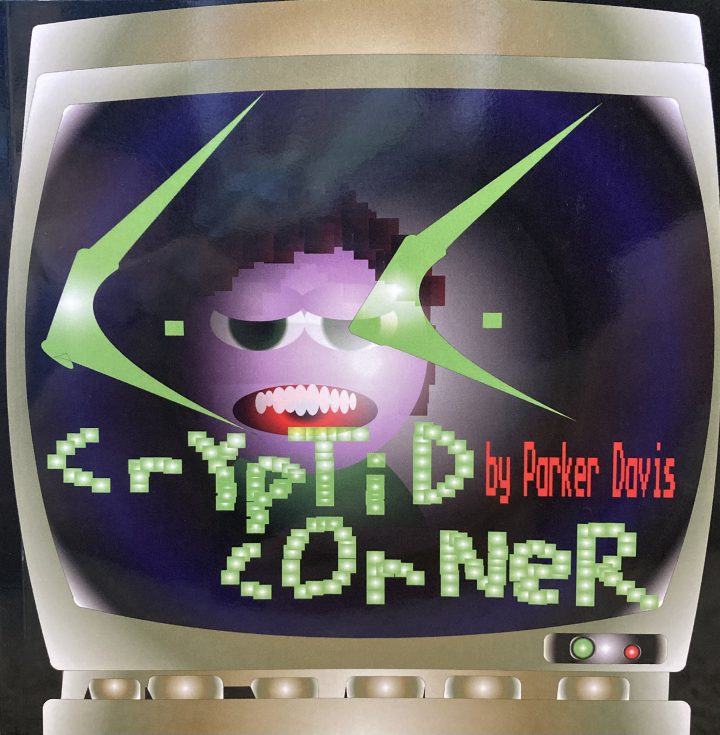
Following this "low," the discourse shifted toward Josephine M.K. Edwards’s Bigfoot Business Shoe (Breakdown Press, 2025). This release provided a necessary counter-ballast, moving the conversation from digital apathy to a "frenzied angst" that Casey identifies as a high-water mark for the year. The month concluded with the discovery of Emily Zimmer’s Vore-Tex, a self-published work that exemplifies the enduring, unrefined spirit of the DIY scene, reaffirming the medium’s vitality despite the "brain rot" concerns raised earlier in the period.
Supporting Data: An Analysis of the Three Pillars
1. The Digital Void: Parker Davis’s Cryptid Corner
Parker Davis’s Cryptid Corner is a 200-page, perfect-bound graphic novel that Casey characterizes as "post-Paper Rad" and "post-Adult Swim." The book utilizes a rigid format of digital square single panels.
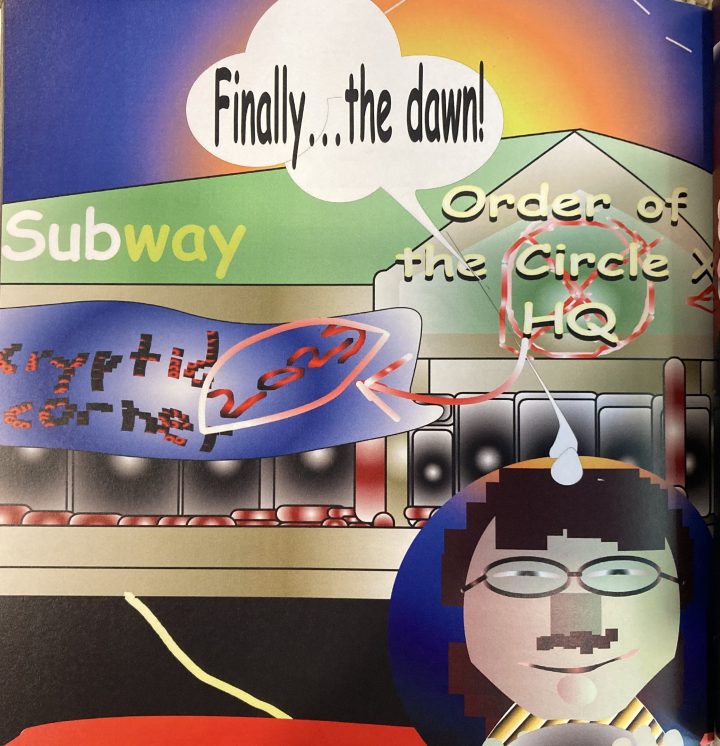
- Aesthetic Profile: The imagery appears to be constructed from reusable digital assets and geometric shapes. Text is rendered in Comic Sans or hand-tracked with a mouse, reminiscent of early 1990s software like Kid Pix.
- Narrative Structure: The plot follows Kevin, a man obsessed with mysterious noises outside his home. He navigates a digital world of cryptid message boards, where he encounters two ideological extremes: the "Gas Station Attendant," who advocates for high-caliber violence, and "PTV," an intellectual moderator who views the monsters as manifestations of "interior reality."
- Critical Reception: Casey dismisses the work as a "knowing nudge" to an audience the author perceives as beneath him. The repetitive nature of the digital assets leads to a loss of novelty within the first few pages, resulting in what Casey terms a "post-lobotomy" reading experience.
2. The Anatomy of Stress: Josephine M.K. Edwards’s Bigfoot Business Shoe
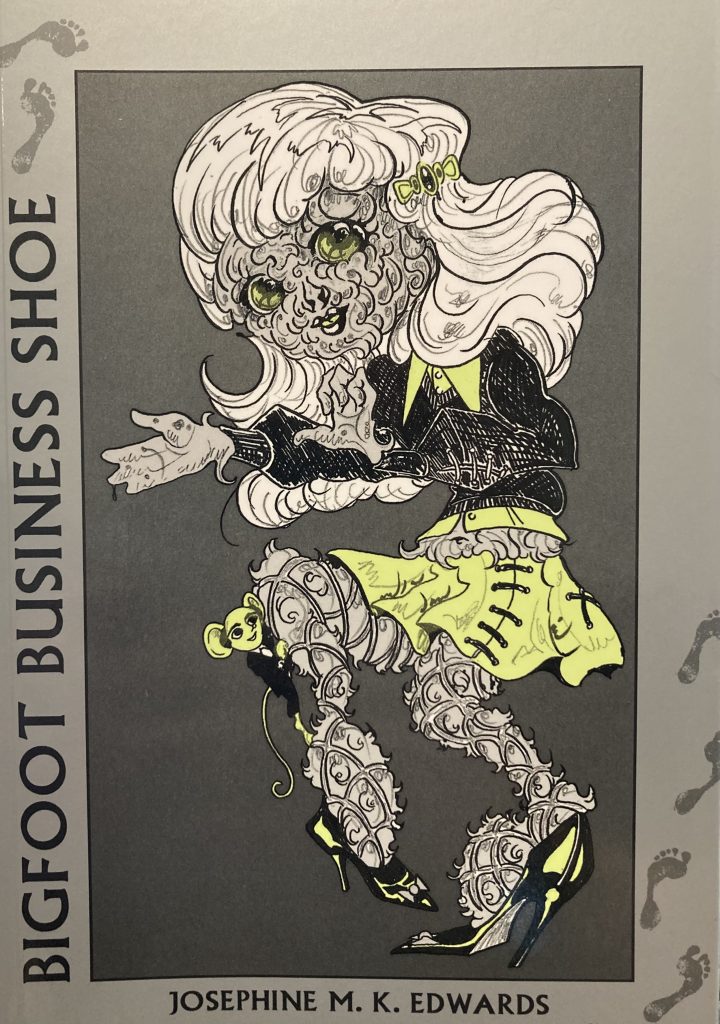
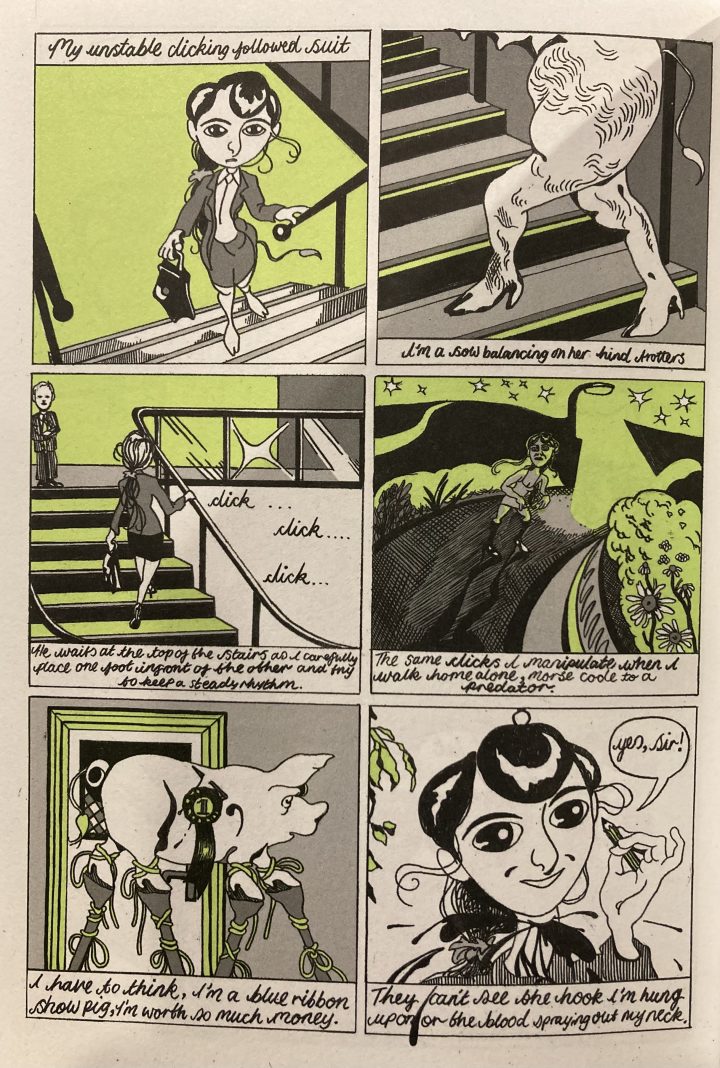
In stark contrast to Davis, Josephine M.K. Edwards delivers a work of "grotesquerie and vigor." Bigfoot Business Shoe is analyzed as a spiritual successor to the works of Carel Moiseiwitsch and Krystine Kryttre.
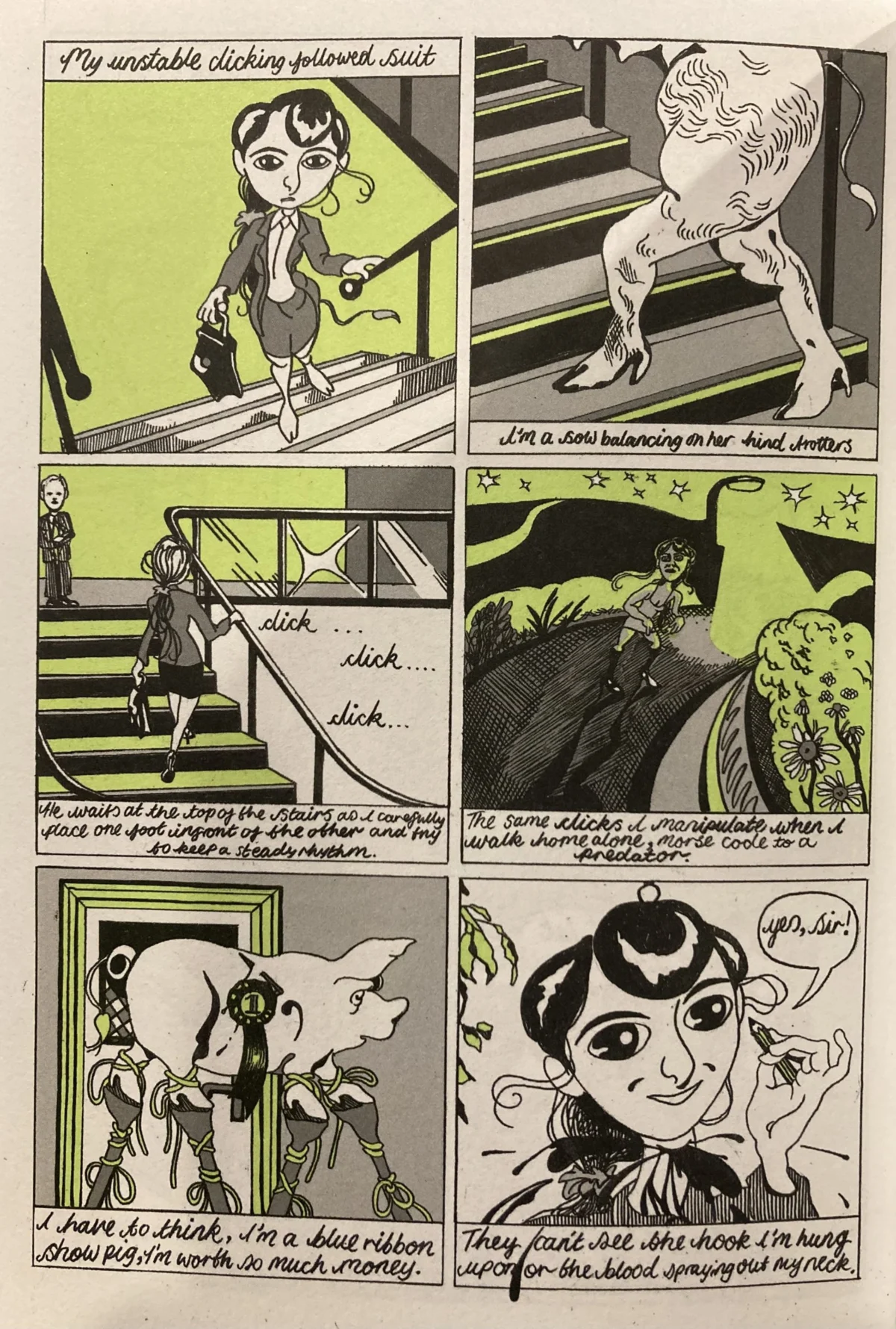
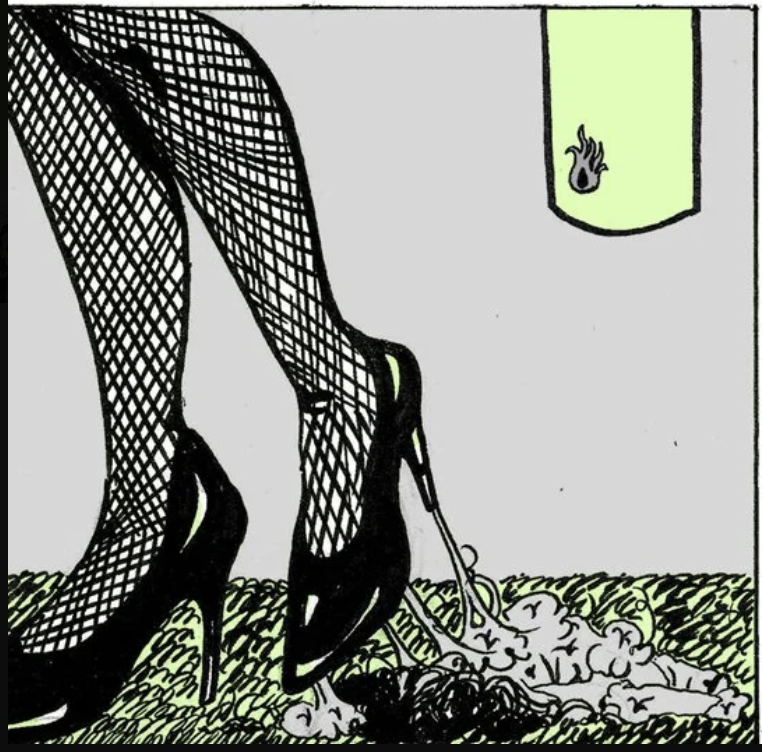
- Visual Strategy: The comic employs a stark black-and-white palette punctuated by neon green highlights. Edwards uses anatomical distortion to mirror the protagonist’s internal psychological state. A notable example is a two-page sequence dedicated solely to the grueling act of walking up stairs in high heels.
- Thematic Depth: The story serves as a surrealist allegory for a woman’s first day in a patriarchal corporate environment. The protagonist experiences supernatural humiliations, including an encounter with "swamp women" who transform her skin into luxury goods—handbags and vests—required for success in a "Brooks-Brothers-adjacent" world.
- Narrative Innovation: Casey praises Edwards for avoiding "therapy language" and "self-help lingo." The book offers no gentle resolution or "fishhook to pull the reader back to land," instead opting for a "chaotic shitshow" that culminates in a minor apocalypse triggered by angels.
3. The DIY Pulse: Emily Zimmer’s Vore-Tex
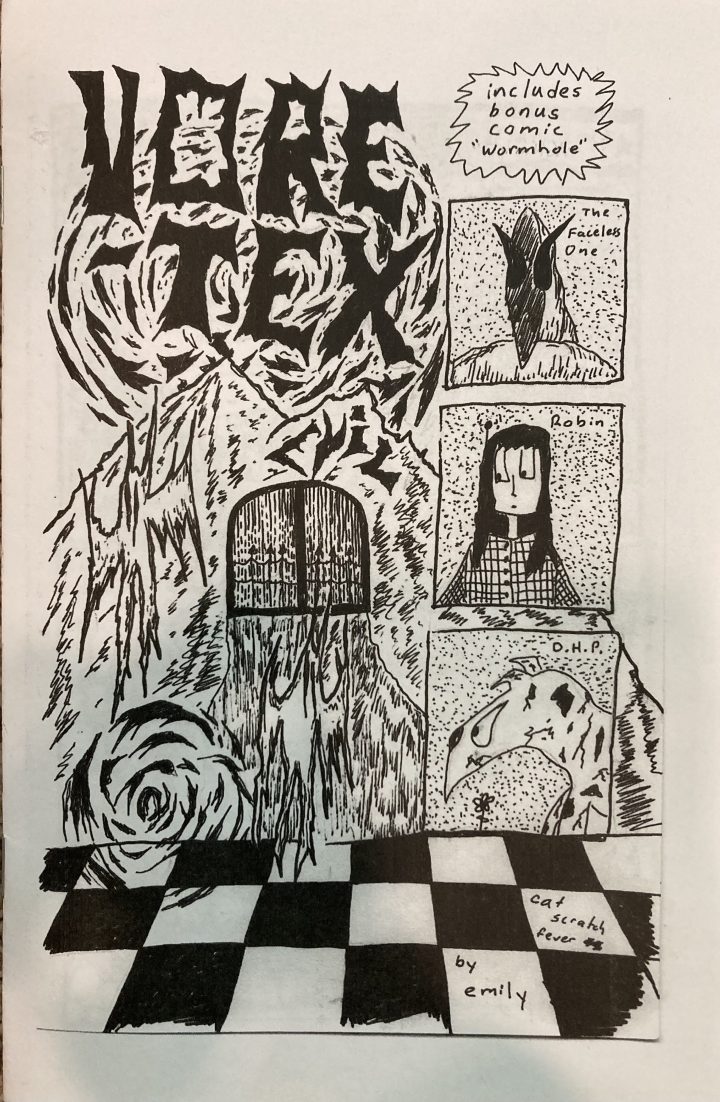
The final piece of the June 2026 puzzle is Vore-Tex, a raw, scene-free comic by Emily Zimmer. Casey likens the style to "Mat Brinkman’s take on Dear Dumb Diary."
- Technical Execution: The work is scratchy and severe, with Zimmer intentionally leaving in pen-to-paper mistakes and margin notes. Each of the 52 panels is numbered, creating a sense of urgent, clinical documentation.
- Plot and Tone: The protagonist, Robin, is led by a "sleep-paralysis demon" to a vortex on "Evil Mountain" to confront a soul-harvesting machine. Through a combination of mechanical tinkering and coding, Robin subverts the machine’s purpose.
- Significance: While Casey notes that Zimmer may not yet have full "narrative communication" over her ideas, the work is celebrated for its "life-affirming" existence. It represents the "rage in the cage" necessary to keep the independent comics scene from becoming stagnant.
Official Responses: Synthesizing the Critical Consensus
The critical response to these works, as articulated by Casey, suggests a growing fatigue with "ironic" art that lacks a soul. The "official" stance of The Comics Journal in this instance is one of defense for the visceral and the human.
Casey’s critique of Cryptid Corner is an indictment of "working down" to an audience. The implication is that the artist, Davis, is mimicking a "brain rot" aesthetic without offering the substance required to justify 200 pages of digital repetition. Conversely, the "official" praise for Edwards and Zimmer highlights a preference for artists who "channel something substantial," even if the results are messy or "abject power punches to the throat."
This critical consensus reflects a broader industry movement: a rejection of the polished, the automated, and the "intellectualized" (personified by the character PTV in Davis’s book) in favor of works that capture the horrific, floating-head feeling of modern existence—what Casey compares to the physical toll of a red-eye flight.
Implications: The Future of the Independent Scene
The June 2026 reviews carry several significant implications for the future of the medium:
- The Death of "Therapy Speak" in Art: There is a clear demand for narratives that allow characters to be "self-conscious and anti-social" without the need for grounding them in modern psychological jargon. Readers and critics are seeking raw experience over curated trauma narratives.
- The Digital Aesthetic Trap: As digital tools make it easier to create comics using "reusable assets," the risk of aesthetic nihilism increases. Artists who rely too heavily on the "novelty" of low-fi digital filters may find their work dismissed as "brain rot" if it lacks a compelling narrative or emotional core.
- The Resilience of the "Book Whack": Casey’s closing anecdote about "book whacking"—hitting a balloon with a comic—serves as a metaphor for the physical, tactile reality of comics. Despite the encroachment of digital media and AI (which Casey mocks in his introduction), the physical zine remains a vital tool for human connection.
- A New Wave of Horror-Fantasy: The success of Bigfoot Business Shoe and Vore-Tex suggests that horror and fantasy are the preferred genres for processing the anxieties of 2026. These genres allow for a "stroll through a chaotic shitshow" that more realistic fiction cannot replicate.
In conclusion, while the month began with a fear of digital stagnation, the sheer "life-affirming" power of the indie scene’s more aggressive and unpolished entries suggests that the heart of the medium remains intact. As Casey notes, "comics are great"—provided they are willing to hit the reader where it hurts.