SHODAN Awakens in Virtual Reality: Flat2VR Studios and Nightdive Announce Official System Shock VR Port
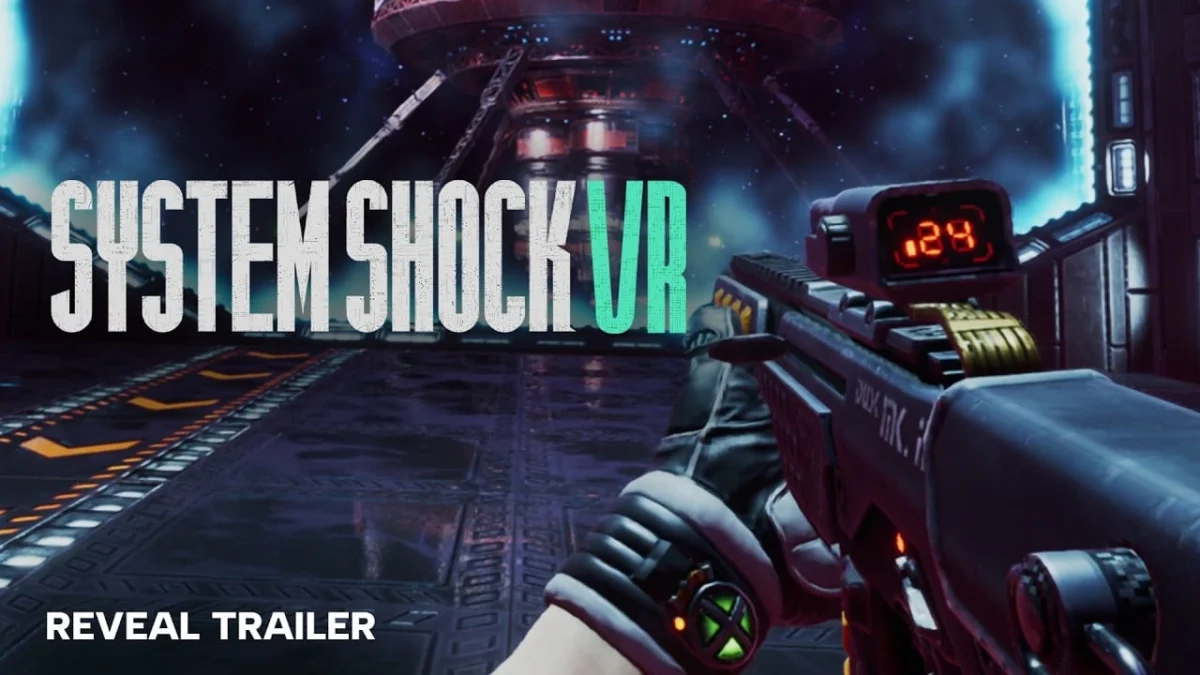
The digital corridors of Citadel Station are about to become significantly more claustrophobic. In a move that has sent shockwaves through the immersive sim and virtual reality communities, Flat2VR Studios has officially announced a partnership with Nightdive Studios to bring the critically acclaimed 2023 System Shock remake to VR platforms. The announcement served as the "one more thing" finale at the recent VR Games Showcase, confirming that one of gaming’s most terrifying antagonists, the rogue AI SHODAN, will soon be looming over players in Meta Quest, PlayStation VR2, and SteamVR.
This port represents more than just a new way to play a modern classic; it signifies a pivotal moment in the VR industry where community-driven expertise meets official studio backing to preserve and evolve legendary intellectual properties.
The Resurrection of a Cybernetic Nightmare: Main Facts
The announcement of System Shock VR marks the culmination of years of fan anticipation. While unofficial mods have attempted to bring the world of System Shock into the headset, this official collaboration ensures a level of polish and integration that only direct access to the source code can provide.
Key Details of the Announcement:
- Developer Partnership: Developed by Flat2VR Studios in direct collaboration with Nightdive Studios.
- Target Platforms: The game is slated for a multi-platform release on Meta Quest (2, 3, and Pro), PlayStation VR2, and SteamVR.
- Release Window: While a specific date remains under wraps, the game is already available for wishlisting on all major digital storefronts.
- Technical Foundation: The port is based on the 2023 remake, which was built in Unreal Engine 4, providing a high-fidelity visual experience optimized for modern VR hardware.
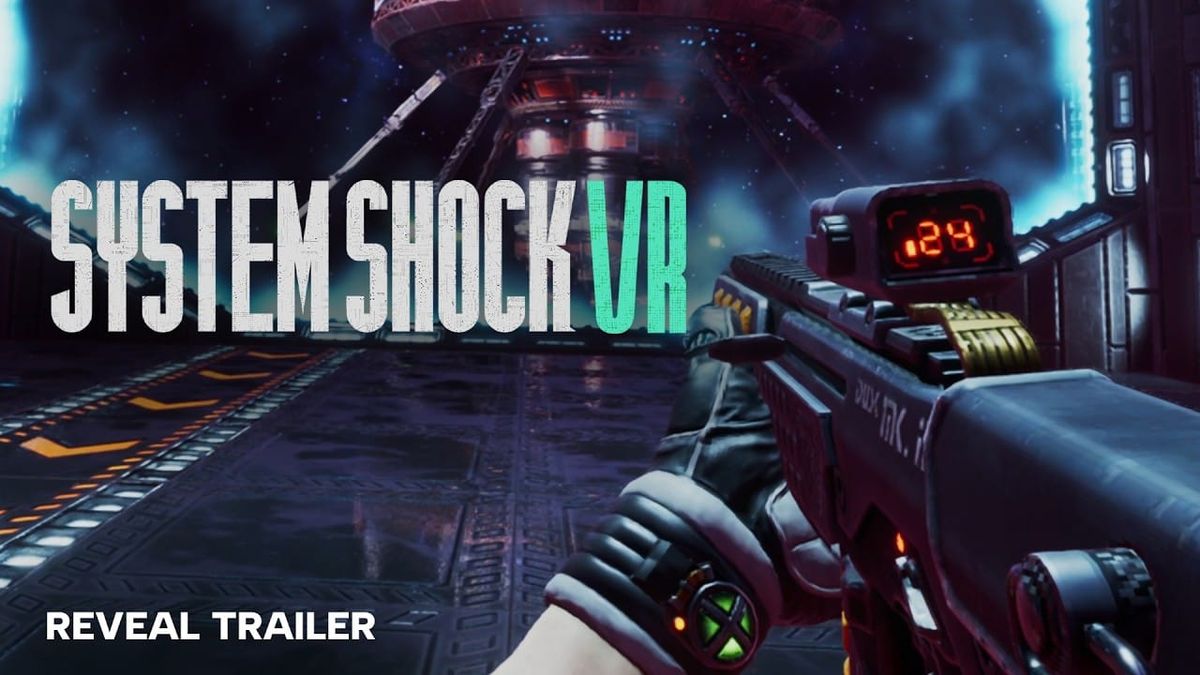
The reveal trailer showcased the protagonist—the nameless Hacker—navigating the neon-drenched, blood-spattered hallways of Citadel Station. The footage highlighted motion-controlled combat, tactile environmental interaction, and the overwhelming scale of the station’s industrial architecture, all viewed through the immersive lens of a VR headset.
A Seven-Year Journey: The Chronology of System Shock’s Return
To understand the significance of this VR port, one must look at the long and often turbulent history of the System Shock remake itself.
1994–2015: The Cult Legend
The original System Shock, developed by Looking Glass Technologies in 1994, redefined what a first-person game could be. It introduced complex systems, environmental storytelling, and a non-linear structure that birthed the "immersive sim" genre, directly influencing titles like Deus Ex, BioShock, and Prey. However, for decades, the franchise lay dormant due to complex licensing issues.
2016–2022: The Long Road to Remake
In 2016, Nightdive Studios launched a Kickstarter campaign to fully reimagine the original game. What followed was a development cycle spanning seven years, a mid-development engine swap from Unity to Unreal Engine, and multiple delays as the team worked to balance modern sensibilities with the uncompromising difficulty of the 1994 original.
2023: Critical Success
In May 2023, the System Shock remake finally launched on PC to widespread acclaim. Critics praised its "faithful yet modernized" approach, specifically its refusal to "hand-hold" players—a rarity in modern AAA gaming. The game’s atmospheric lighting and lo-fi/hi-fi aesthetic made it an immediate candidate for a VR conversion.
2024: The Flat2VR Alliance
Earlier this year, Flat2VR Studios emerged as a professional entity, transitioning from a group of talented modders (responsible for VR mods for Half-Life 2 and Resident Evil) into a licensed development house. The partnership with Nightdive for System Shock represents their most high-profile project to date, bridging the gap between the "flat" gaming world and the virtual frontier.
Technical Foundations and Supporting Data
Porting a game as mechanically dense as System Shock to VR presents unique challenges. The game relies heavily on inventory management, complex UI menus, and "cyberspace" sequences that require 360-degree orientation.
Hardware Optimization
- Meta Quest: For the standalone Quest version, Flat2VR Studios is tasked with optimizing the Unreal Engine 4 assets to run on mobile chipsets (XR2 Gen 2) while maintaining the game’s signature oppressive atmosphere.
- PlayStation VR2: The PSVR2 version is expected to utilize the headset’s unique features, such as haptic feedback in the controllers and headset to simulate the impact of industrial machinery and SHODAN’s psychic intrusions. Foveated rendering via eye-tracking will likely be employed to maintain high frame rates.
- SteamVR: This version will cater to high-end PC enthusiasts, offering the highest fidelity lighting and textures, essential for a game where shadows play a critical role in survival.
The "Immersive Sim" in VR
Data from previous VR ports (such as Resident Evil 4 or Skyrim VR) suggests that games with high levels of environmental interactivity perform best in the medium. System Shock features:
- Manual Reloading: A staple of VR shooters that adds tension during combat.
- Tactile Hacking: The game’s various minigames and circuit-rewiring puzzles are being redesigned for 6DOF (six degrees of freedom) hand movements.
- Spatial Audio: Crucial for tracking the groans of mutants and the hum of security cameras in the station’s labyrinthine layout.
Official Responses and the Flat2VR Vision
The VR Games Showcase was not just a platform for System Shock; it was a manifesto for Flat2VR Studios. The company’s leadership emphasized that their goal is to provide "official, high-quality VR versions of beloved games that were never intended for the medium."
The Flat2VR Portfolio
Alongside System Shock, Flat2VR announced:
- High on Life VR: A port of the comedic shooter from Squanch Games.
- The VR Vault: A partnership to bring a library of titles to PSVR2, including Drop Dead: The Cabin.
- Funding Initiatives: A new investment arm dedicated to helping developers integrate VR support into their pipelines from the start of development.
Nightdive Studios, known for their "preservation-first" philosophy, expressed confidence in the partnership. By allowing Flat2VR to handle the VR implementation, Nightdive ensures that the core mechanics of System Shock remain intact while a specialized team handles the nuances of VR comfort, locomotion, and performance.
Implications: A New Era for the "Flat-to-VR" Movement
The announcement of System Shock VR carries significant implications for the broader gaming industry. It signals a shift in how publishers view VR—not as a secondary market for experimental tech demos, but as a viable secondary platform for core gaming experiences.
1. The Validation of the Modding Community
Flat2VR Studios’ transition from a community of hobbyists to an official partner for Nightdive and Meta is a landmark event. It proves that the expertise required to make a "flat" game work in VR often resides within the community that loves these games most. This could lead to a wave of official VR ports for other legacy titles.
2. The Survival of the Immersive Sim
The "Immersive Sim" (games like System Shock, Deus Ex, and Dishonored) has often struggled with commercial viability despite critical acclaim. VR offers a "killer app" environment for these games. The tactile nature of the genre—picking up objects, reading notes, interacting with complex terminals—is inherently more satisfying in VR. System Shock VR could potentially be the definitive way to experience the genre.
3. Strengthening the PSVR2 and Quest Libraries
Both Sony and Meta have been criticized for a lack of "hardcore" AAA titles in their VR libraries. System Shock is a deep, 15-to-20-hour RPG that provides the kind of "meat-and-potatoes" gaming experience that VR enthusiasts have been clamoring for. Its presence on these platforms helps legitimize the hardware as a primary gaming device rather than a novelty.
4. The Horror Factor
Horror remains the most successful genre in VR due to the medium’s ability to trigger primal "fight or flight" responses. System Shock’s atmosphere—built on isolation, body horror, and the omnipresent, taunting voice of SHODAN—is perfectly suited for the psychological intensity of a VR headset.
Conclusion: Looking Toward the Horizon
As System Shock VR moves toward its eventual release, the gaming world watches with bated breath. The project represents a bridge between the past and the future—a 30-year-old masterpiece reborn through the most advanced technology available today.
For players, the promise is simple yet terrifying: the chance to step onto Citadel Station, to feel the cold steel of the wrench in their hand, and to look up into the glowing green eyes of SHODAN. In VR, there is no screen to protect you, and no distance between the Hacker and the God in the machine.
System Shock VR is currently available for wishlisting on Steam, the PlayStation Store, and the Meta Quest Store.