Shadows in the Maze: Deep Type Games Unveils ‘Hellsplit: Labyrinth’ for 2027
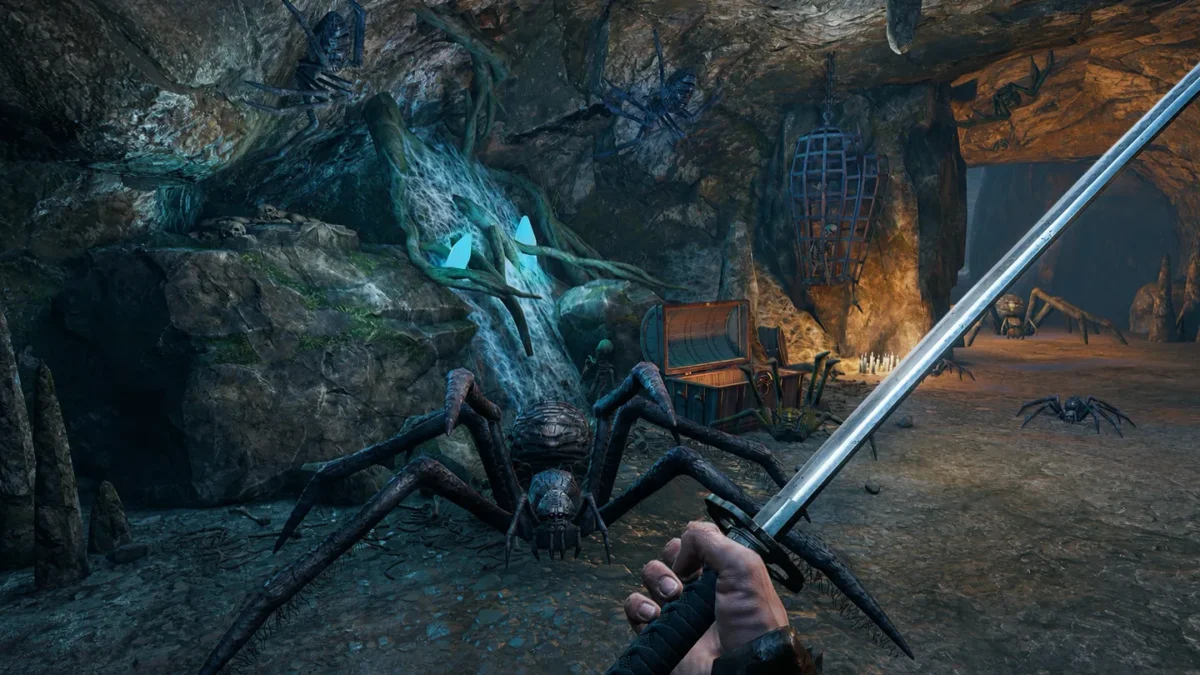
The landscape of virtual reality (VR) combat is poised for a significant expansion as Deep Type Games, the developers behind the cult-hit physics-based combatant Hellsplit Arena, have officially listed their next ambitious project. Titled Hellsplit: Labyrinth, the upcoming title appeared recently on the Meta Horizon store, signaling a shift from wave-based arena combat toward a sprawling, roguelike dark fantasy action RPG.
While the announcement has sparked excitement among the VR community, it also carries a distant release window and a series of questions regarding the developer’s current pipeline and previous commitments. With a projected launch of Spring 2027, Hellsplit: Labyrinth represents a long-term vision for the studio, promising to evolve the visceral melee mechanics of its predecessor into a structured, narrative-driven adventure.
I. Main Facts: A Roguelike Evolution of Physics-Based Carnage
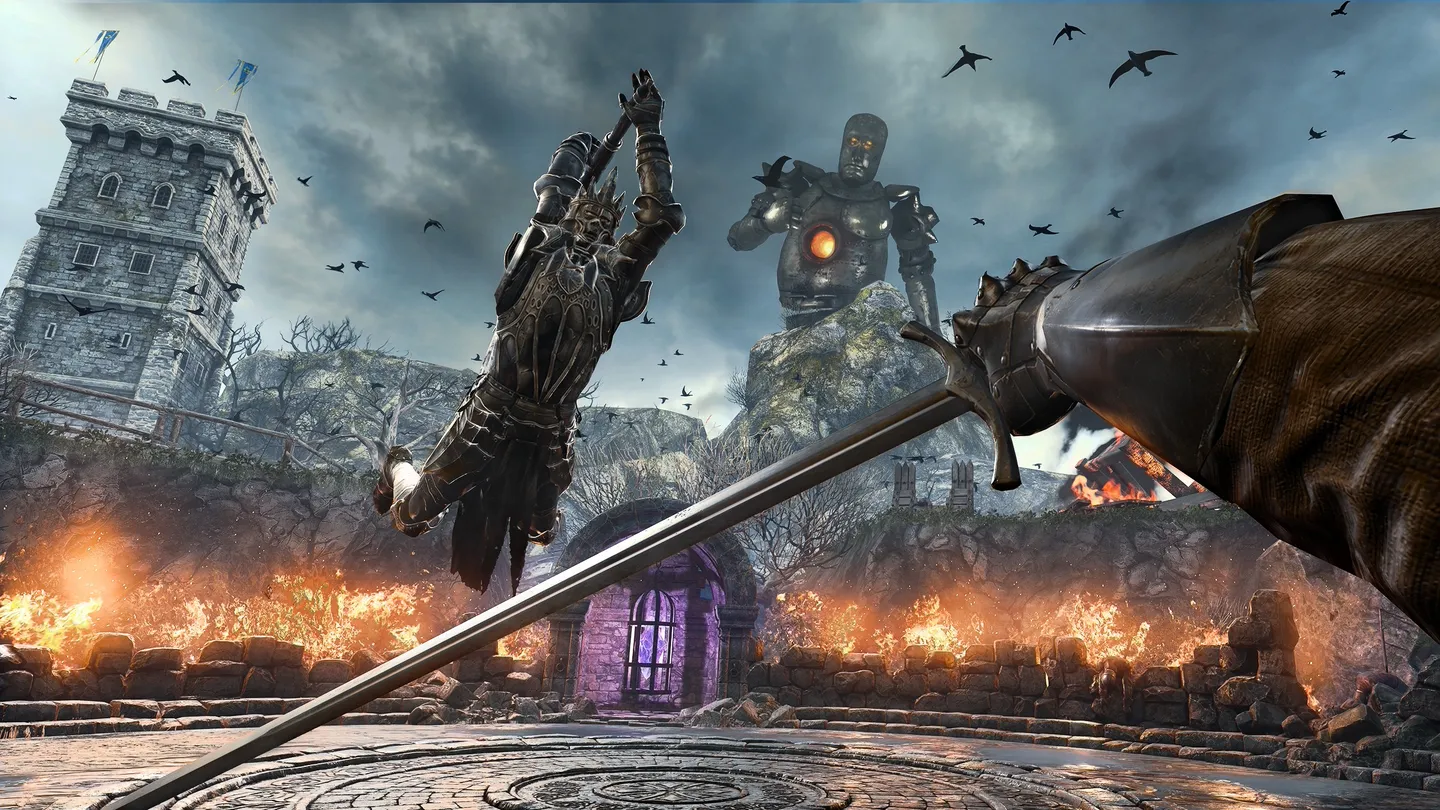
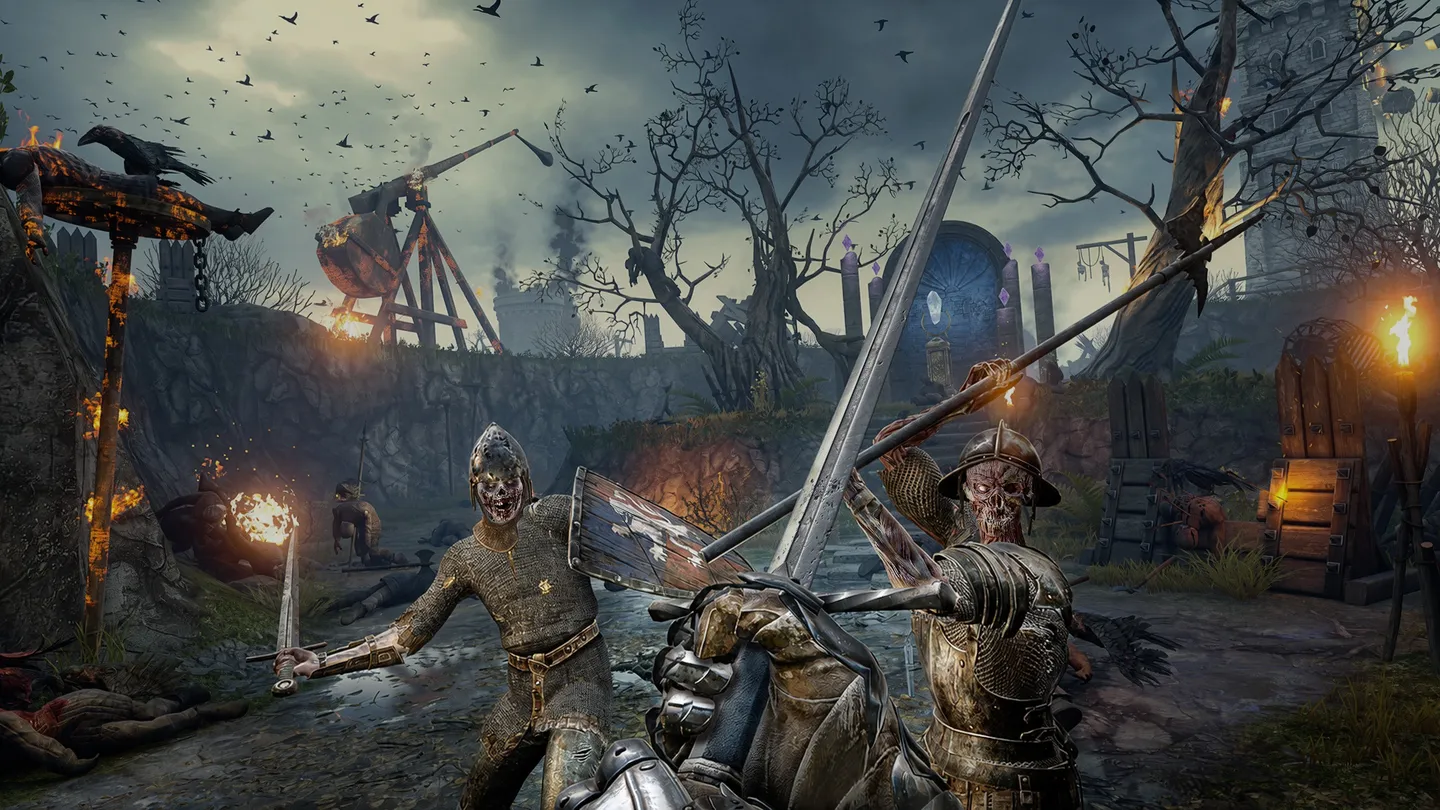
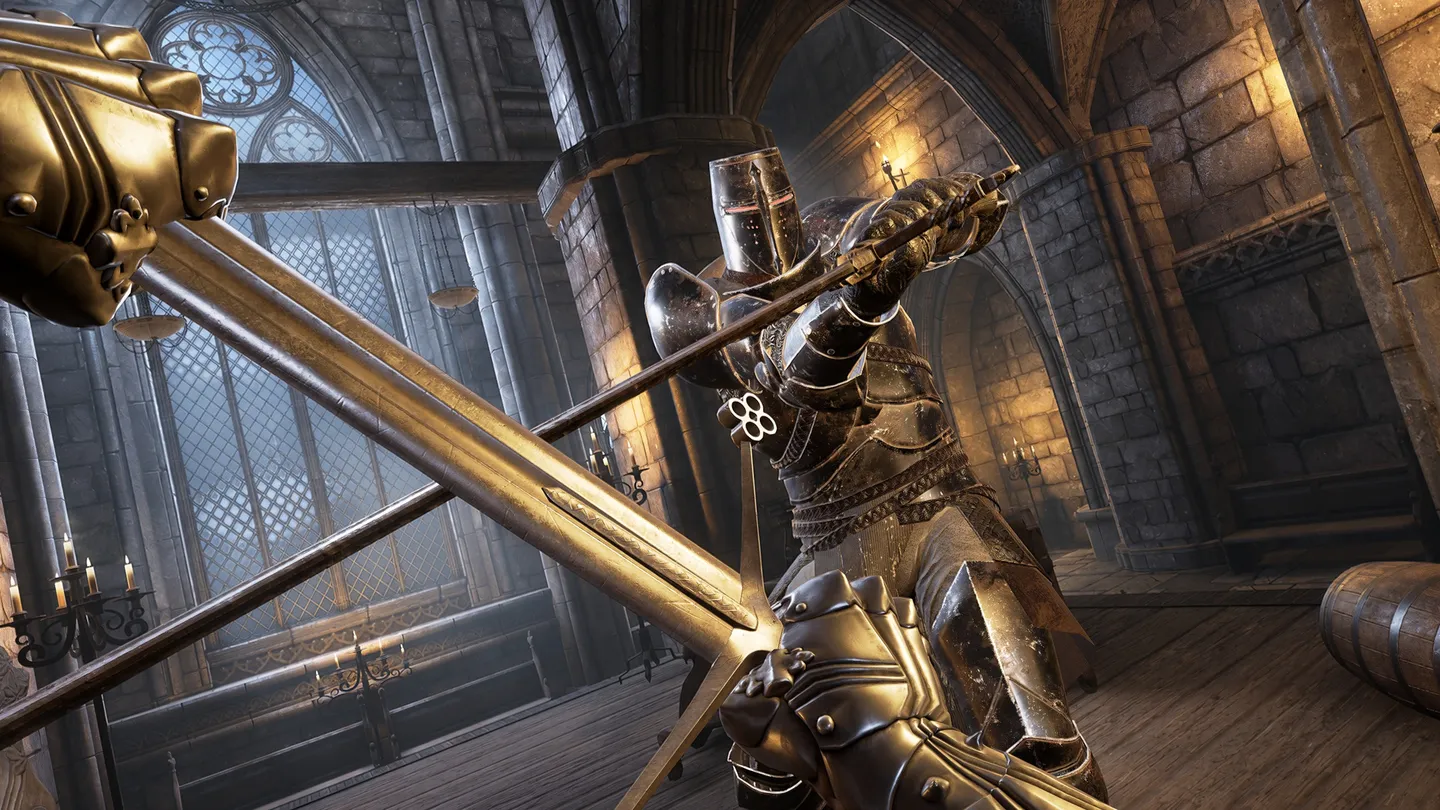
Hellsplit: Labyrinth is positioned as a direct follow-up to Hellsplit Arena, a game widely praised for its "active-ragdoll" physics and brutal realism. However, where Arena focused primarily on gladiatorial survival within confined spaces, Labyrinth aims to provide a comprehensive gameplay loop centered on exploration and progression.
Core Gameplay Loop
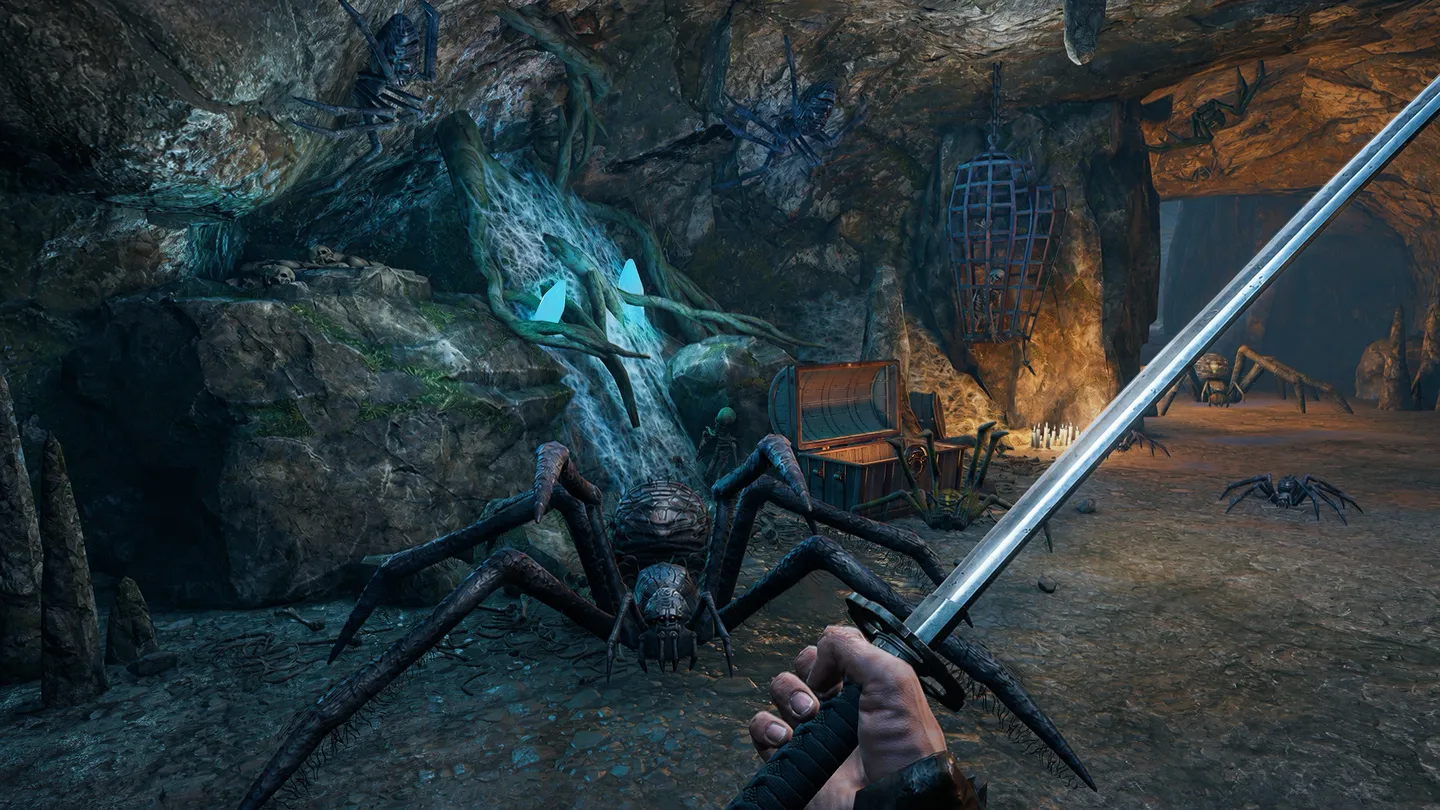
According to the Meta Horizon store listing, the primary objective in Labyrinth involves a high-stakes quest to retrieve seven fragments of a magical crystal. This quest is housed within a "roguelike mode," suggesting that players will face permadeath or meta-progression systems that reset upon failure. The inclusion of procedurally generated levels ensures that no two "runs" through the labyrinth are identical, a significant departure from the static environments of the original game.
Features and Biomes
The developer has promised a substantial amount of content to justify the "Labyrinth" moniker:
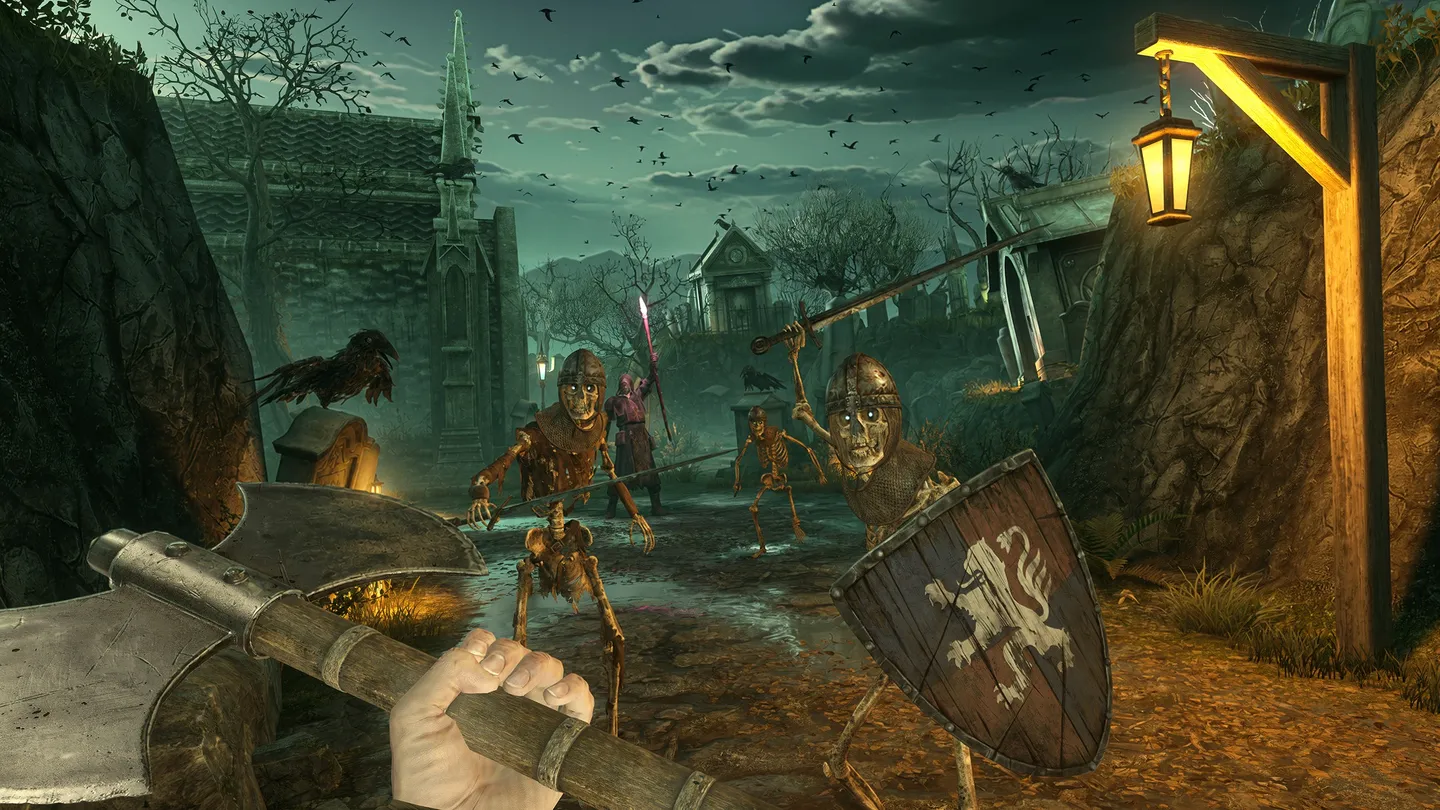
- Eight Distinct Biomes: The game will feature eight unique environments, all adhering to the signature grim, dark fantasy aesthetic that defined Hellsplit Arena. These biomes likely range from desecrated cathedrals to subterranean crypts and haunted forests.
- Deep Progression System: Unlike the relatively flat progression of the first game, Labyrinth claims to feature a "deep" system for character growth, likely involving skill trees, weapon upgrades, or magical enhancements.
- Narrative Depth: Perhaps the most surprising addition is the promise of a full story. The store description notes that players will encounter choices during their runs that lead to multiple endings, adding a layer of replayability beyond the mechanical combat.
Technical Specifications
The listing currently describes the game as a "room-scale VR experience." It explicitly states that the game requires a standing position and a minimum play area of 1.5 x 1.5 meters to accommodate real-world movement. While the description currently mirrors the technical requirements of Hellsplit Arena, industry standards and the predecessor’s control scheme suggest that both room-scale movement and artificial thumbstick locomotion will be supported to accommodate various comfort levels.
II. Chronology: The Long Road from SteamVR to the Labyrinth
To understand the context of Hellsplit: Labyrinth, one must look at the protracted development history of Deep Type Games and the original Hellsplit Arena.
- September 2019: Hellsplit Arena launches on SteamVR. It quickly gains a reputation for having some of the most satisfying and "heavy" physics-based combat in VR, rivaling titles like Blade & Sorcery.
- 2020–2024: The game receives sporadic updates. During this time, the VR market shifts heavily toward standalone headsets like the Meta Quest, leaving PCVR-exclusive developers in a difficult position.
- March 2025: After years of anticipation and technical hurdles, Hellsplit Arena is finally ported to the Meta Quest platform. This port was seen as a vital move for the studio’s financial health.
- June 2025: Amidst questions regarding a PlayStation VR2 port, a moderator in the official Hellsplit Discord confirms that the PS VR2 version has been delayed into late 2025 or 2026, citing development complexities.
- Summer 2025: The last major update for Hellsplit Arena is deployed. Following this, the developers remain largely silent on official channels.
- July 2026: Deep Type Games’ secondary project, a zombie shooter titled Cute & Dead, is listed as "discontinued" on QuestStoreDB, despite having a release date of July 1, 2026. This suggests a consolidation of resources.
- Present Day: Hellsplit: Labyrinth appears on the Meta Horizon store with a Spring 2027 release window.
III. Supporting Data: The "Copy-Paste" Store Listing and Developer Health
While the announcement of a sequel is generally cause for celebration, the current state of the Hellsplit: Labyrinth store page has raised some eyebrows among industry analysts and fans.
As of the current listing, a significant portion of the text for Labyrinth is a direct duplicate of the Hellsplit Arena description. This includes the specific wording regarding room-scale requirements and the general "about the game" sections. While not uncommon for early store listings (often used as placeholders to secure a page), it does suggest that the game is still in the relatively early stages of production, despite the studio having the core physics engine already built.
Furthermore, the data surrounding Deep Type Games’ other project, Cute & Dead, paints a complex picture of the studio’s current capacity. The "discontinued" status of Cute & Dead on QuestStoreDB—especially after missing its July 2026 release date—indicates that the studio may have struggled to manage multiple projects simultaneously. The pivot to Labyrinth suggests that the developer is doubling down on its most successful IP rather than diversifying into new genres.
In the Hellsplit Discord, developers recently hinted at a coming update for "two platforms." Given the absence of a PlayStation VR2 listing, it remains unclear if these platforms are Meta Quest and PCVR, or if the PS VR2 version is finally nearing readiness.
IV. Official Responses: Discord Leaks and Developer Silence
Official communication from Deep Type Games has been sparse, often filtered through Discord moderators or occasional developer posts rather than formal press releases.
In June 2025, a developer addressed the community regarding the lack of updates, promising that work was continuing behind the scenes. However, the lack of mention of the PlayStation VR2 version in recent "two platform" update teases has led to frustration within the Sony VR community.
The developer’s strategy seems to be one of "stealth listing." By putting Labyrinth on the Meta store now, they allow players to wishlist the game, providing the studio with valuable metrics on interest and potential sales. However, the Spring 2027 date—nearly three years away—suggests that Deep Type Games is wary of over-promising on a quick turnaround, a lesson likely learned from the long porting process of the original Arena.
V. Implications: The Future of Physics-Combat in VR
The announcement of Hellsplit: Labyrinth carries several implications for the VR industry and the dark fantasy genre.
1. The Roguelike Shift
The transition from an arena-based game to a roguelike is a trend seen across the VR landscape (notably with titles like Until You Fall or In Death: Unchained). Roguelike structures are highly effective in VR because they maximize the utility of core gameplay mechanics (like combat) without requiring the massive asset budgets of a 20-hour linear AAA campaign. For a small team like Deep Type Games, this is a pragmatic and exciting way to expand the Hellsplit universe.
2. The Quest-First Strategy
The fact that Labyrinth appeared on the Meta Horizon store first—with no current listings for Steam or PlayStation—underscores the dominance of the Meta ecosystem. Developers are increasingly prioritizing standalone hardware, even for titles that began as PCVR benchmarks. This raises questions about whether the visual fidelity of Labyrinth will be scaled back to accommodate mobile processors or if it will utilize Meta’s v71+ SDKs and potentially the hardware of the rumored Quest 4, which would likely be available by 2027.
3. Community Trust and the 2027 Window
A 2027 release date is a double-edged sword. On one hand, it shows a commitment to a long development cycle, potentially resulting in a polished, expansive product. On the other hand, in the fast-moving world of VR technology, three years is an eternity. By 2027, the "physics-combat" niche may be even more crowded, with competitors potentially releasing more advanced simulations.
Furthermore, the discontinuation of Cute & Dead serves as a cautionary tale. Fans will be looking for more concrete gameplay footage and regular updates to ensure that Labyrinth does not meet a similar fate of being "discontinued" before it ever reaches the hands of players.
Conclusion
Hellsplit: Labyrinth promises to be the definitive version of the vision Deep Type Games started in 2019. By combining the industry-leading weight and impact of their combat engine with a structured roguelike adventure and a branching narrative, they are aiming for the "holy grail" of VR action RPGs. However, with a three-year wait ahead and a history of delays, the road to the Labyrinth will require patience from the fanbase and transparency from the developers. For now, the "Seven Crystals" remain a distant glimmer in the dark fantasy horizon.