The Strategic Chaos of Gnaughty Gnomes: A Deep Dive into Indie Gaming’s Newest Party Contender
The landscape of local multiplayer gaming has undergone a significant transformation over the last decade. From the physics-based hilarity of Gang Beasts to the frantic cooperation of Overcooked, the "party game" genre has moved beyond simple mini-game collections into complex, mechanically rich experiences. Entering this competitive arena is Gnaughty Gnomes, a title that blends fast-paced brawling with a sophisticated card-drafting system. Recently showcased at the Bilbao International Games (BIG) Conference, Gnaughty Gnomes aims to redefine how players approach "couch play" by introducing layers of strategy that persist throughout a match.
Main Facts: The Core Identity of Gnaughty Gnomes
At its heart, Gnaughty Gnomes is a local multiplayer party game designed for one to four players. Available now on Steam, the game positions itself as a "last gnome standing" survival brawler. However, calling it a simple brawler would be an understatement. The title distinguishes itself through three primary pillars: environmental interaction, character customization, and a robust deck of over 150 game-altering cards.
Developed with a focus on accessibility and "polished" gameplay, the title allows players to engage in various modes, including traditional free-for-all battles, team-based skirmishes, and a dedicated "Prop Hunt" mode for those seeking a break from direct combat. The visual style is intentionally "cute" and vibrant, masking a surprisingly deep tactical layer that rewards players who can adapt to rapidly changing circumstances.
The standout feature, and the one that has garnered the most attention from critics and players alike, is the intermission card-drafting phase. Between rounds, the game transitions from an action-packed arena to a strategic drafting table. Here, players select cards that provide permanent upgrades, one-time items, or fundamental shifts in the game’s rules. This mechanic ensures that no two matches feel identical and provides a "catch-up" mechanism that keeps the competitive balance in check.
Chronology: From Arena Combat to Strategic Intermission
To understand the appeal of Gnaughty Gnomes, one must look at the specific flow of its gameplay loop. A standard session does not merely consist of repetitive rounds of fighting; instead, it follows a strict chronological progression that builds tension and complexity as the match nears its conclusion.
The Round Phase: Environmental Hazard Management
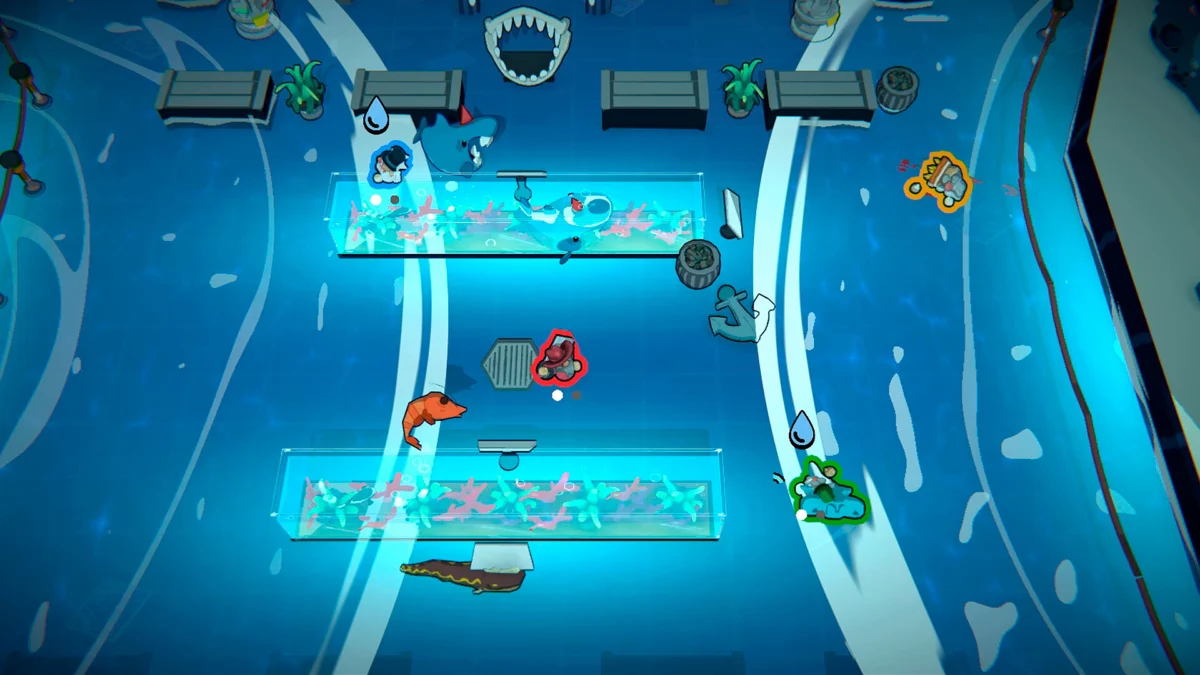
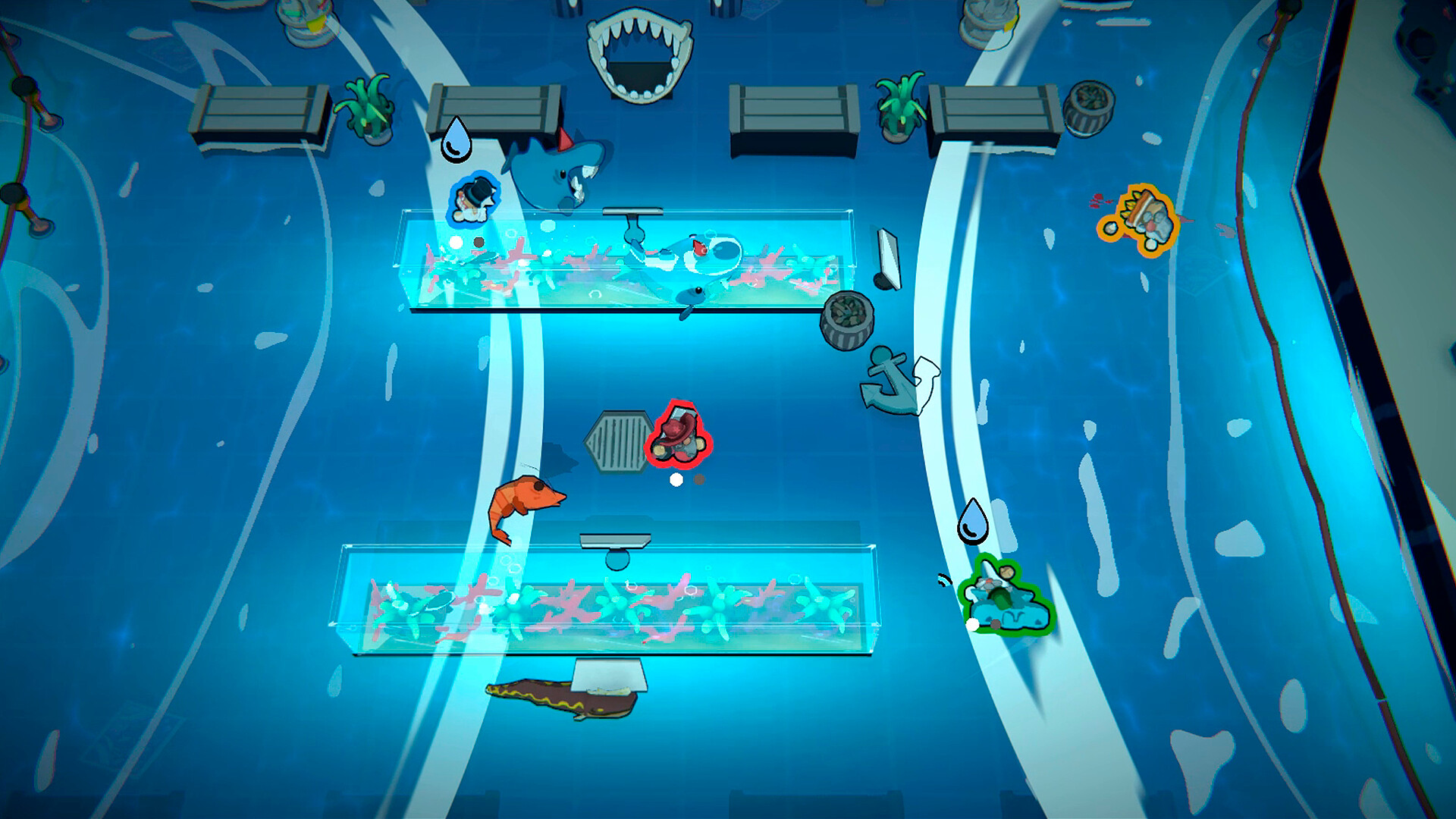
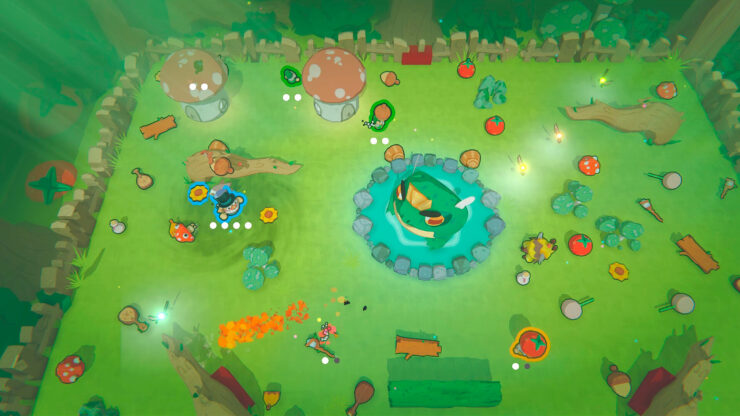
Each match begins in one of several diverse environments. These are not static backdrops but active participants in the chaos. For example, in the forest-themed levels, players must contend with giant frogs whose tongues can snatch an unsuspecting gnome from the battlefield. In other stages, fire hazards can be triggered, or objects can be hurled across the screen to disorient opponents.
During this phase, players utilize a variety of weapons and environmental objects to eliminate their friends. The goal is simple: be the last one alive. The physics-based movement ensures that combat feels weighty yet unpredictable, a hallmark of successful party games.
The Intermission Phase: The Drafting Table
Once a round concludes and a winner is declared, the game shifts to the card-drafting screen. This is where the "Gnaughty" elements truly come to light. A selection of cards is revealed to all players. These cards range from common buffs to "rare" game-changers.
The chronology of selection is vital here: the player currently in last place is given the first choice. This design choice is a deliberate attempt to mitigate the "snowball effect" often found in competitive games, where the leader becomes increasingly untouchable. By giving the underdog the first pick of the most powerful or rare cards, Gnaughty Gnomes ensures that every player remains invested in the outcome until the very last round.
The Cumulative Effect: Late-Game Escalation
As the game progresses through multiple rounds, the effects of these cards stack. A gnome might start the game with standard abilities but end it with increased speed, fire-resistant clothing, and a unique weapon that spawns every round. Because these upgrades persist until the end of the entire game, the final rounds often become a spectacular display of synergistic powers and chaotic interactions.
Supporting Data: The Depth of the 150-Card Deck
The longevity of a party game often depends on its variety, and Gnaughty Gnomes addresses this through its expansive card system. With over 150 cards available, the sheer number of combinations is staggering. During the BIG Conference, observers noted that the depth of this system far exceeds the standard "power-up" mechanics found in rival titles.
Categorizing the Cards
The cards in Gnaughty Gnomes generally fall into three categories:
- Character Buffs: These are permanent stat increases, such as improved movement speed, higher jump heights, or increased health. These are the "bread and butter" of a winning strategy.
- Item Spawns: Some cards guarantee that a player will start each round with a specific weapon or that certain items will appear more frequently near them.
- Game-Altering Modifiers: These are the most complex cards. Some do not even take effect until the following intermission. For example, a card might change the order of the next draft or reveal "hidden" cards that only the owner can see.
The Balance of Rarity
The game employs a rarity system to ensure that the most powerful abilities do not flood the arena too early. "Rare" cards appear less frequently but offer high-reward strategies. However, the developers have balanced this by ensuring that even "common" cards can be powerful if stacked correctly. For instance, stacking multiple speed-related cards can make a gnome nearly impossible to hit, even if they lack offensive upgrades.
Mode Diversity
Beyond the card-based brawling, the supporting data on game modes shows a commitment to variety. The "Prop Hunt" mode, in particular, is a significant departure. In this mode, the combat mechanics are stripped away in favor of a hide-and-seek dynamic. This provides a "palette cleanser" for groups of friends who may find the high-intensity brawling too taxing for extended sessions.
Official Responses and Industry Context: The BIG Conference Showcase
The reception of Gnaughty Gnomes at the BIG Conference in Bilbao highlighted the industry’s growing interest in "polished" indie titles. Journalists and attendees noted that the game felt significantly more "finished" than many of its contemporaries in the Early Access or indie space.
Critical Reception at BIG Conference
Jupiter Hadley, a prominent indie game journalist, noted during her time with the game that the balance of the card system was particularly impressive. "I found those cards to feel so balanced and fun," Hadley remarked, highlighting that the "last place picks first" mechanic added a layer of strategic depth that prevented the game from feeling unfair.
The developers have emphasized that the goal was to create a game that was "fun and frantic for all ages." By combining cute aesthetics with deep mechanics, they have managed to appeal to both casual "party" players and more competitive gamers who enjoy theory-crafting and deck-building.
The Design Philosophy
While official statements from the development team focus on the "chaotic" nature of the game, the underlying design reveals a focus on "iterative improvement." The inclusion of over 150 cards suggests a long development cycle focused on testing and rebalancing. The "polished" feel mentioned by critics refers to the seamless transition between the fast-paced 3D combat and the 2D strategic UI of the card drafting.
Implications: The Future of the "Strategic Brawler"
The release of Gnaughty Gnomes carries several implications for the future of the indie party game genre. It represents a shift away from "pure chaos" toward "managed chaos."
Solving the "Blue Shell" Problem
In many party games, such as Mario Kart, catch-up mechanics (like the Blue Shell) are often criticized for being purely luck-based and punishing the lead player for playing well. Gnaughty Gnomes offers a more sophisticated solution. By allowing the trailing player to choose their advantage through the card draft, the game replaces random punishment with strategic empowerment. The lead player still has their skill, but the trailing player now has a specific tool—of their own choosing—to bridge the gap.
The Longevity of Local Multiplayer
In an era dominated by online matchmaking, Gnaughty Gnomes makes a strong case for the continued relevance of local "couch" multiplayer. The social dynamic of picking a card that specifically counters a friend’s build, while they are sitting right next to you, creates a level of engagement that is difficult to replicate in an online-only environment.
Potential for Expansion
Given the modular nature of the card system, the implications for future content are vast. The framework allows for the easy introduction of "seasonal" card decks, new environmental hazards, and additional gnomish customizations. If the game maintains its current momentum, it could become a staple of indie gaming libraries, much like Ultimate Chicken Horse or Pummel Party.
In conclusion, Gnaughty Gnomes is more than the sum of its parts. It is a testament to how a well-executed "hook"—in this case, the strategic card drafting—can elevate a familiar genre into something unique and deeply engaging. As it lands on Steam, it offers a polished, frantic, and surprisingly cerebral experience that proves there is still plenty of room for innovation in the world of gnomes, frogs, and friendship-testing chaos.