
Talisman Returns: Avalon Hill Unveils Streamlined 5th Edition of the Classic Fantasy Adventure
FOR IMMEDIATE RELEASE
[City, State] – [Date of Article Generation] – The venerable fantasy adventure board game, Talisman, is set to embark on a new chapter with the highly anticipated release of its 5th edition. Officially titled Talisman: The Magical Quest Board Game – 5th Edition, this revitalized iteration promises to reintroduce the classic quest for the Crown of Command to a new generation of players while offering a refined experience for long-time enthusiasts. Helmed by Avalon Hill, the acclaimed publisher behind titles like Betrayal at House on the Hill and the recently revived HeroQuest, the new edition is slated for release on August 1st, 2024, with a retail price of $60 (£47).
The announcement marks a significant moment for one of the board gaming world’s most enduring franchises, which has captivated players with its blend of strategic movement, perilous encounters, and fantastical character development for over four decades. As the board gaming landscape continues to expand and diversify, the return of Talisman under Avalon Hill’s stewardship signals a commitment to preserving its legacy while adapting it for contemporary tastes.
Main Facts: A New Dawn for a Legendary Quest
The core premise of Talisman remains steadfast: two to six players embark on an epic journey across a mystical land, vying to be the first to reach the coveted Crown of Command located at the heart of the board. This ultimate artifact bestows immense power, allowing the wielder to eliminate all other contenders and claim victory.
Avalon Hill’s Talisman: The Magical Quest Board Game – 5th Edition builds upon this foundation with several key updates designed to enhance both aesthetics and gameplay. Players will select from a diverse roster of 12 distinct playable characters, embodying classic fantasy archetypes such as the resilient Warrior, the cunning Thief, the devout Monk, the enigmatic Ghoul, and the powerful Sorceress. Each character boasts unique starting statistics and abilities, ensuring varied playstyles and strategic choices from the outset.
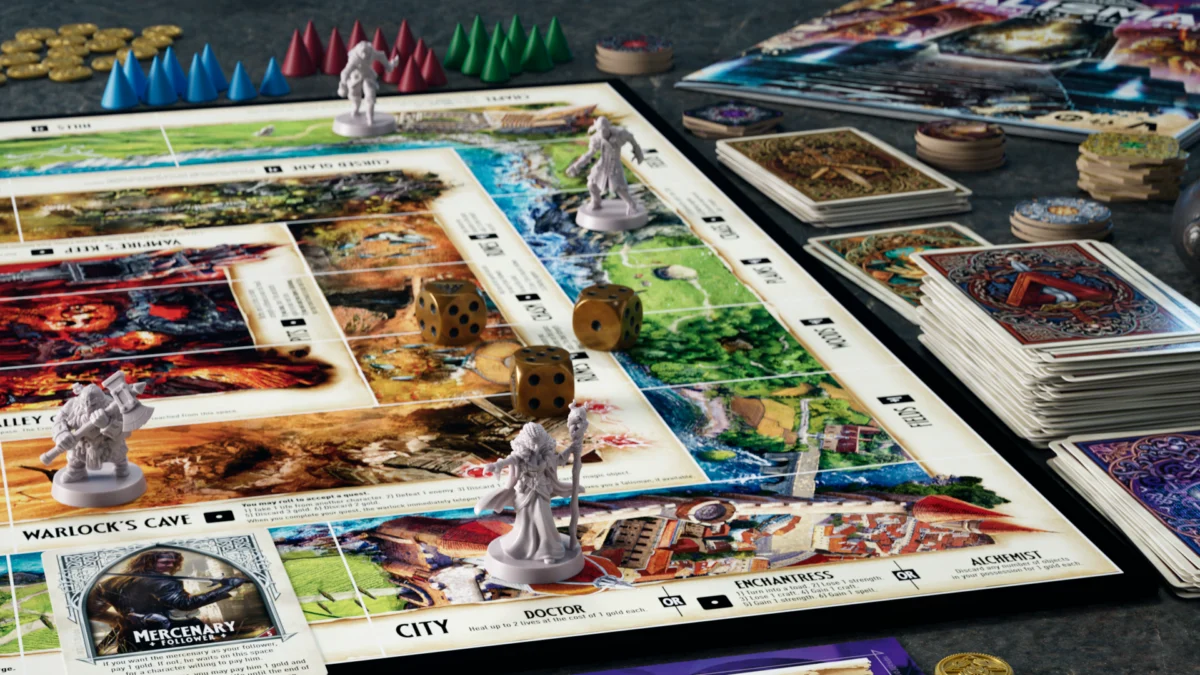
A major draw of this new edition is the promise of completely new artwork and updated components. The visual refresh extends to 100 unique adventure cards, each featuring fresh illustrations that will breathe new life into the myriad encounters players face. While specific details about the "streamlined" gameplay are yet to be fully disclosed, the publisher has indicated an effort to make the game more accessible, particularly for less experienced players, without compromising the depth and adventure that define Talisman. This suggests a careful re-evaluation of the ruleset to enhance clarity and flow, potentially reducing complexity while retaining the strategic elements that have made the game a beloved staple.
Chronology: The Enduring Legacy of Talisman
The journey of Talisman spans over four decades, marked by shifts in stewardship and evolutionary design choices. Understanding its past provides crucial context for the significance of this 5th edition.
The Genesis: First Edition (1983)
Talisman first emerged in 1983, a product of the burgeoning fantasy role-playing game craze that swept the 1980s. Published by Games Workshop, a company that would later become synonymous with the Warhammer universe, the game was designed by Robert Harris. At its core, the first edition presented a unique blend of competitive adventuring and character progression. Players were drawn to its accessible rules, evocative fantasy theme, and the thrill of rolling dice to determine their fate against a host of mythical creatures and magical events.
The game quickly garnered a dedicated following. Its circular board, divided into three distinct regions (Outer, Middle, and Inner), and the straightforward objective of reaching the Crown of Command, provided a clear path to victory, albeit one fraught with peril and unpredictable twists. Games Workshop’s early editions of Talisman were characterized by their distinct, often grim, fantasy art style and a growing number of expansions that deepened the game’s lore and mechanics.
Games Workshop Era: Subsequent Editions and Expansions
Following its initial success, Games Workshop released the 2nd Edition in 1985 and the 3rd Edition in 1994. Each revision sought to refine the rules, update components, and expand the game’s universe. The 2nd Edition, in particular, solidified many of the mechanics that would become hallmarks of the series, introducing a greater variety of characters, spells, and adventure cards. Expansions during this era, such as The Dungeon, The City, and The Highland, added new board regions, characters, and challenges, significantly increasing the game’s replayability and complexity. The 3rd Edition, while introducing some significant changes including square grid movement and a modular board, saw a mixed reception from purists but demonstrated Games Workshop’s willingness to experiment with the franchise.
Throughout this period, Talisman cultivated a reputation as a gateway game for many into the broader hobby of board gaming, offering a rich narrative experience without the extensive rulebooks of traditional tabletop RPGs. Its blend of luck and strategy, combined with the inherent narrative generated by player interactions and adventure card draws, created memorable experiences around the gaming table.
Fantasy Flight Games Era: Fourth Edition and Revival (2008)
In 2008, the publishing rights for Talisman transitioned to Fantasy Flight Games (FFG), a company renowned for its thematic, high-quality board games. This acquisition marked a significant turning point for the franchise. FFG released the "Revised 4th Edition," which meticulously updated and modernized the game while staying true to its original spirit. This edition featured lavish new artwork, premium components, and a comprehensive re-evaluation of the rules to ensure clarity and balance.
Under FFG, Talisman experienced a renaissance. The company released an unprecedented number of expansions, including The Dragon, The Reaper, The Blood Moon, and The Cataclysm, among many others. These expansions introduced new mechanics, characters, regions, and quests, allowing players to customize their Talisman experience to an extraordinary degree. FFG’s commitment to robust component quality, detailed miniatures, and engaging lore further cemented Talisman’s place as a cornerstone of modern fantasy board gaming. The digital adaptation of Talisman by Nomad Games, which launched during this period, also played a crucial role in expanding the game’s reach to a global, online audience. This era solidified Talisman’s identity as a deeply thematic, highly replayable adventure game, albeit one that could sometimes be lengthy and complex with all its expansions.
Transition to Avalon Hill: The Path to Fifth Edition
The current transition to Avalon Hill is a natural progression given the corporate landscape. Avalon Hill is a subsidiary of Hasbro, which also owns Wizards of the Coast (WotC), the company behind iconic franchises like Dungeons & Dragons and Magic: The Gathering. WotC acquired the rights to Talisman from FFG as part of a broader consolidation of its fantasy IPs.
This shift suggests a strategic decision to bring Talisman under a publisher known for its ability to modernize classic games and deliver polished, accessible experiences. Avalon Hill’s recent successes with HeroQuest and Betrayal at House on the Hill demonstrate their capacity to revitalize beloved titles while attracting new players. The decision to release a 5th edition, rather than simply reprinting the 4th, signals a desire for a fresh start, an opportunity to re-evaluate the game’s core mechanics and presentation for a contemporary audience, leveraging the insights gained from four decades of player feedback and design evolution.
Supporting Data: Deeper Dive into Gameplay and Design
The announcement of Talisman: The Magical Quest Board Game – 5th Edition invites a closer examination of the design philosophies that might underpin its creation, especially concerning its "streamlined" approach and updated components.
Mechanics of the Quest
The heart of Talisman lies in its dynamic quest structure, where players constantly evaluate risk versus reward as they navigate a perilous board.
-
Character Archetypes and Progression: The selection of 12 playable characters, including a Thief, Monk, Warrior, Ghoul, and Sorceress, ensures a high degree of replayability. Each archetype typically begins with a unique set of statistics (Strength, Craft, Lives, Gold) and special abilities that influence their early game strategy. For instance, a Warrior might excel in combat, while a Sorceress might leverage powerful spells. As players traverse the board, they encounter various spaces that allow them to draw Adventure Cards, engage in combat, gain objects, followers, or spells, and improve their core statistics. This progression system, where characters grow in power and acquire new tools, is central to the game’s appeal, fostering a strong sense of personal narrative for each player.
-
Board Progression and Rings: The Talisman board is typically divided into three concentric regions: the Outer Region, Middle Region, and Inner Region.
- Outer Region: This is where players begin their journey. It’s generally less dangerous, serving as a proving ground where characters accumulate basic resources, followers, and strength. Encounters here might include acquiring basic equipment, fighting weaker creatures, or visiting towns for healing or purchases.
- Middle Region: To enter the middle region, characters usually need to meet certain conditions, often involving passing a strength or craft test or acquiring a specific item. This region presents more formidable challenges, tougher monsters, and more potent magical items. It’s a crucial stepping stone where characters truly begin to forge their destiny.
- Inner Region: The ultimate challenge. Accessing this region typically requires a "Talisman" artifact and often a significant feat of strength or magic. The Inner Region is a gauntlet of increasingly difficult encounters designed to test a character’s accumulated power and resolve. The path culminates at the Crown of Command.
-
Adventure Cards and Encounters: The 100 different adventure cards are the lifeblood of Talisman, dictating the narrative flow and presenting unforeseen challenges and opportunities. These cards can introduce:
- Enemies: Monsters, beasts, and brigands that characters must defeat in combat, often requiring skill checks against Strength or Craft.
- Events: Unpredictable occurrences like magical storms, plagues, or celestial alignments that affect all players or specific regions.
- Objects: Weapons, armor, magical artifacts, and mundane tools that provide bonuses or special abilities.
- Followers: NPCs who join a character’s party, offering additional stats, abilities, or support.
- Places: Unique locations like hidden grottos, enchanted forests, or ruined castles that offer specific actions or rewards.
The variety and unpredictability of these cards ensure that no two games of Talisman are exactly alike, creating a dynamic and emergent storyline.
-
Combat and Interaction: Player interaction in Talisman is both cooperative and competitive. While all players are on a quest to reach the Crown of Command, they can also engage in direct combat with each other. A losing player in combat is typically forced to lose a life, an item, or even retreat. This player-versus-player element adds a layer of strategic tension, as players must decide when to confront rivals and when to avoid them. Beyond direct combat, players can also influence each other through spells, special abilities, or by manipulating the board state.
-
The Crown of Command: The ultimate objective. Once a player reaches the Portal of Power in the Inner Region and then the Crown of Command, they gain the ability to cast a powerful spell each turn that damages all other players. The game then becomes a race against time for the remaining players to defeat the Crown wielder or be eliminated. This dramatic endgame provides a clear, high-stakes conclusion to the quest.
Art and Components
The promise of "brand new artwork and updated components" is crucial for a 5th edition. Modern board game aesthetics have evolved significantly since Talisman’s inception. New artwork will likely feature a more contemporary fantasy style, potentially aligning with the visual language seen in other WotC properties like Dungeons & Dragons or Magic: The Gathering. This visual refresh can enhance immersion, making the world of Talisman feel more vibrant and current. Updated components could mean higher quality cards, more durable player boards, potentially redesigned character tokens or miniatures, and a clearer, more functional game board layout. The quality of these physical elements is a significant factor in a game’s perceived value and overall play experience.
Accessibility and Streamlining
The most intriguing detail is the claim that gameplay has been "streamlined" to make it "more accessible to less experienced players." This could manifest in several ways:
- Reduced Rules Overhead: Simplifying complex or ambiguous rule interactions that have accumulated over previous editions.
- Clearer Terminology and Iconography: Ensuring that game terms and symbols are intuitive and easily understood, reducing the need for constant rulebook consultation.
- Faster Setup and Playtime: Optimizing game setup procedures and potentially rebalancing certain mechanics to prevent excessively long game sessions, a common criticism of some earlier Talisman editions, especially with many expansions.
- Improved Onboarding: The initial turns might be designed to gently introduce new players to the core mechanics before ramping up the complexity.
- Retaining Core Identity: The challenge for Avalon Hill will be to achieve this streamlining without sacrificing the thematic depth, strategic choices, and unpredictable fun that define Talisman. A delicate balance must be struck between modernization and honoring the game’s beloved legacy. It’s likely that the core dice-rolling, card-drawing, and character progression loops will remain intact, with the streamlining focusing on the peripheral rules and clarity of presentation.
Official Responses and Publisher’s Vision
While specific quotes from Avalon Hill or Wizards of the Coast regarding Talisman: The Magical Quest Board Game – 5th Edition are not provided in the initial announcement, we can infer the strategic intent behind this release based on the publisher’s track record and the broader industry trends.
Avalon Hill’s Role and Reputation
Avalon Hill, now a division of Hasbro, carries a storied history. Initially famous for complex wargames, the brand has successfully reinvented itself in recent decades, becoming known for thematic, narrative-driven board games that appeal to a broad audience. Their recent successes, such as the multiple editions of Betrayal at House on the Hill and the critically acclaimed revival of HeroQuest, demonstrate a keen understanding of how to modernize classic concepts while maintaining their intrinsic appeal.
Avalon Hill’s involvement with Talisman suggests a focus on:
- Thematic Immersion: Their games are often celebrated for creating strong narrative experiences, which aligns perfectly with Talisman’s adventure-driven nature.
- Polished Production Values: Expect high-quality components, detailed artwork, and robust packaging, consistent with their recent releases.
- Accessibility without Dilution: The "streamlined" claim points to Avalon Hill’s expertise in making complex games approachable, a balancing act they’ve successfully performed with other titles. This likely means rules are clearer, less ambiguous, and easier for new players to grasp, fostering a quicker entry into the game world.
Their stewardship indicates that the 5th edition will likely prioritize a captivating player experience, emphasizing the journey and the emergent storytelling that Talisman is famous for, rather than an overly complex, rules-heavy simulation.
Statements and Intentions (Inferred)
Based on industry practices for re-releasing classic games, Avalon Hill’s (and by extension, Wizards of the Coast’s) intentions for Talisman: The Magical Quest Board Game – 5th Edition can be inferred:
- Honoring the Legacy: A primary goal will be to pay homage to the game’s rich history and appeal to its loyal fanbase. This means retaining the core mechanics and thematic elements that define Talisman.
- Attracting New Players: The "streamlined" aspect is a clear indicator of a desire to expand Talisman’s audience. By simplifying rules and improving accessibility, Avalon Hill aims to lower the barrier to entry for newcomers who might be intimidated by the perceived complexity or length of older editions.
- Modernizing for a New Era: The updated artwork and components are essential for a game released in 2024. Modern board gamers expect high production values, and this edition will aim to meet those expectations, ensuring it looks and feels contemporary.
- Synergy within Hasbro/WotC Portfolio: As part of the larger Hasbro/WotC family, Talisman’s revival could also be seen as part of a broader strategy to leverage popular fantasy IPs. This could potentially open doors for future crossovers, shared lore, or even digital adaptations that tie into other fantasy universes.
Target Audience
The 5th edition appears to be targeting a dual audience:
- Newcomers to Board Gaming: Individuals seeking an accessible yet engaging fantasy adventure game that doesn’t demand extensive prior experience.
- Casual and Family Gamers: Those looking for a fun, thematic game that can be enjoyed by a wider range of ages and skill levels, potentially with a more manageable playtime than previous iterations.
- Long-time Talisman Fans: While the streamlining might initially concern some veterans, the promise of updated art, components, and a refined experience could entice them to revisit the game, especially if future expansions are planned. The key for Avalon Hill will be to convince this demographic that "streamlined" does not equate to "dumbed down."
Implications and Future Outlook
The launch of Talisman: The Magical Quest Board Game – 5th Edition carries significant implications for the board gaming market and the future of the Talisman franchise.
Impact on the Board Gaming Landscape
The release of a streamlined, updated edition of Talisman will undoubtedly ripple through the fantasy adventure board game genre.
- Competition and Innovation: Talisman enters a competitive market populated by modern giants like Gloomhaven, Descent: Journeys in the Dark, Arkham Horror, and Spirit Island. Its success will depend on how effectively it carves out its niche by offering a distinct experience – one that balances traditional dice-rolling adventure with contemporary design sensibilities.
- Revival of Classics: Avalon Hill’s approach with Talisman, following HeroQuest, highlights a growing trend in the industry: revitalizing classic board games for a new generation. If successful, this could encourage other publishers to revisit and refresh beloved, but perhaps dated, titles.
- Gateway Game Potential: The emphasis on accessibility positions Talisman as a strong candidate for a new gateway game, introducing new players to the hobby through a well-established and highly thematic entry point. Its relatively straightforward objective and clear progression make it easier to grasp than many other complex fantasy games.
Reception and Expectations
The reception of Talisman: The Magical Quest Board Game – 5th Edition will be a critical factor in its long-term success.
- Veteran Players: Long-time fans of Talisman, particularly those who grew up with Games Workshop’s editions or immersed themselves in FFG’s extensive ecosystem, will be scrutinizing the "streamlined" changes. Their primary concern will be whether the new edition retains the soul and depth of the game they love, or if critical elements have been sacrificed for simplicity. Balancing tradition with innovation is always a tightrope walk for legacy titles.
- New Players: For those encountering Talisman for the first time, the experience will be fresh. Their reviews will focus on the game’s immediate appeal, ease of learning, component quality, and overall fun factor. Positive reception from this demographic is vital for the game’s expansion.
- Critical Reviews: Board game critics will assess the design choices, the effectiveness of the streamlining, the quality of the new art and components, and how well the game stands up in the modern board game market. Comparisons to previous editions and other games in the genre will be inevitable.
Broader IP Strategy
The release of Talisman: The Magical Quest Board Game – 5th Edition can be viewed within Wizards of the Coast/Hasbro’s larger strategy for their fantasy intellectual properties. With Dungeons & Dragons experiencing a resurgence in popularity and Magic: The Gathering continuing to thrive, Talisman offers another avenue to engage fantasy enthusiasts. Its accessible nature could serve as an entry point for those curious about fantasy worlds but not yet ready for the depth of D&D or the complexity of Magic. There’s potential for future synergy, perhaps subtle lore connections, or even crossover characters in later expansions, further cementing Talisman’s place within a broader WotC fantasy ecosystem.
Conclusion
The return of Talisman under the Avalon Hill banner with its 5th edition is a testament to the enduring appeal of classic fantasy adventure. By promising updated artwork, refined components, and a streamlined gameplay experience, Talisman: The Magical Quest Board Game – 5th Edition aims to honor its storied past while firmly stepping into the future. Scheduled for release on August 1st, 2024, this new chapter in the Talisman saga invites both seasoned adventurers and intrepid newcomers to once again embark on the perilous, magical quest for the Crown of Command. As the board gaming world eagerly awaits its arrival, all eyes will be on Avalon Hill to see if they can successfully usher this beloved classic into a new era of widespread acclaim and accessibility. The quest for the ultimate power continues, refreshed and ready for a new generation of heroes.



Leave a Comment