The $68.7 Billion Paradox: Analyzing the Revenue Architecture of the Microsoft-Activision Merger
Introduction: The Unseen Financial Map of Gaming
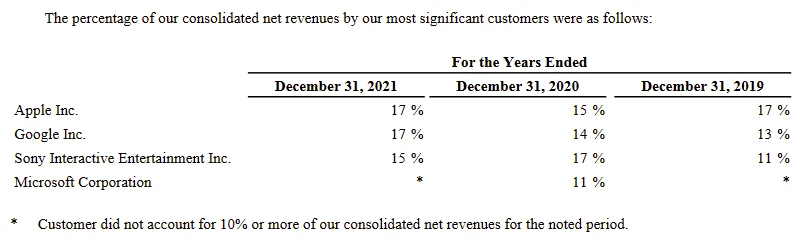
In the high-stakes theater of global technology acquisitions, few deals have invited as much scrutiny or speculation as Microsoft’s proposed $68.7 billion takeover of Activision Blizzard. While much of the public discourse has focused on the "Console Wars" and the fate of the Call of Duty franchise, a deeper dive into the financial filings of the gaming giant reveals a surprising reality: Microsoft, the prospective buyer, currently accounts for less than 10% of Activision Blizzard’s total revenue.
According to analysis by industry veteran Nicholas Lovell, founder of Gamesbrief and partner at Hiro Capital, the revenue distribution of Activision Blizzard highlights a profound shift in the gaming landscape. As the Federal Trade Commission (FTC) and global regulators weigh the antitrust implications of the deal, the data suggests that the traditional "Big Three" console hierarchy is no longer the primary engine of growth. Instead, a diversified ecosystem of mobile platforms, direct-to-consumer services, and rival hardware currently sustains the world’s largest independent game publisher.
Main Facts: A Revenue Breakdown of Activision Blizzard
The core of the strategic intrigue lies in Activision Blizzard’s 2021 annual report. The data paints a picture of a company that has successfully decoupled itself from any single platform’s dominance, yet remains intricately tied to its buyer’s fiercest competitor.
- The Sony Lead: Sony’s PlayStation platform accounted for approximately 15% of Activision Blizzard’s total revenue in 2021. This makes Sony a more significant financial partner to Activision than Microsoft currently is.
- The Microsoft Minority: Despite its status as a software powerhouse and the manufacturer of the Xbox, Microsoft contributed less than 10% to Activision Blizzard’s top line. This is a crucial data point for regulators assessing whether Microsoft is "buying" a market it already controls or seeking to capture one where it is currently a junior partner.
- Mobile Supremacy: The two dominant mobile ecosystems—Apple’s App Store and the Google Play Store—combined to represent roughly 34% of the company’s total revenue. This is largely driven by King (the makers of Candy Crush) and the massive success of Call of Duty: Mobile.
- The "Elsewhere" Factor: Approximately 43% of the company’s revenue stems from "other" sources. This category includes PC sales via Battle.net and Steam, Nintendo Switch titles, advertising revenue, and direct-to-consumer subscriptions for titles like World of Warcraft.
- The Nintendo Threshold: Because Nintendo is not explicitly listed as a "10% or greater" contributor in the annual report, it is confirmed that the Switch platform accounts for less than 10% of Activision Blizzard’s annual earnings, placing it in a similar or lower bracket than Microsoft.
Chronology: The Road to the Largest Tech Deal in History
To understand the weight of these revenue figures, one must look at the timeline of the acquisition and the evolving regulatory environment.
- January 2022: The Announcement: Microsoft shocks the industry by announcing its intent to acquire Activision Blizzard for $95.00 per share in an all-cash transaction. The deal is positioned as a move to bolster Microsoft’s "Game Pass" subscription service and provide a "foothold in mobile."
- Spring 2022: Cultural and Financial Audits: As the deal enters the "due diligence" phase, analysts begin dissecting Activision’s 2021 performance. The realization sets in that Activision is effectively a mobile-first company with a heavy reliance on Sony’s ecosystem for its console earnings.
- Summer 2022: Regulatory Friction: The UK’s Competition and Markets Authority (CMA) and the European Commission begin preliminary investigations. In the U.S., the FTC, under the leadership of Chair Lina Khan, adopts a more aggressive stance, signaling that the review will go beyond simple consumer price impacts to look at broader "vertical foreclosure."
- August 2022: The Lovell Analysis: Nicholas Lovell highlights the revenue disparity, noting that the goal for Microsoft is likely to elevate Xbox-derived revenues to match or exceed those of PlayStation, fundamentally altering the flow of capital in the gaming industry.
Supporting Data: Why Mobile and "Other" Outperform Consoles
The surprise expressed by industry observers regarding the "small" share of console revenue (roughly one-third of the total when excluding PC) is a testament to how quickly the industry has evolved.

The King Factor
Activision’s acquisition of King Digital Entertainment in 2016 for $5.9 billion is often overshadowed by the Microsoft news, but it is the engine behind the 34% mobile revenue share. Candy Crush Saga continues to be a top-grossing title nearly a decade after its release. For Microsoft, acquiring Activision is as much about gaining a seat at the table with Apple and Google as it is about beating Sony.
The PC and Subscription Moat
Blizzard Entertainment’s contribution via the PC platform is a unique pillar of the business. Unlike many publishers who rely on third-party storefronts, Blizzard operates Battle.net, a direct-to-consumer platform. This allows the company to bypass the 30% "platform tax" typical of Sony, Microsoft, and Apple for its most loyal players in World of Warcraft and Overwatch. This "Elsewhere" revenue (43%) represents the most profitable segment of the company because it is largely free from intermediary fees.
Official Responses: The Strategic Tug-of-War
The disparity in revenue has led to diametrically opposed narratives from the key players involved.
Microsoft’s Defense
Microsoft Gaming CEO Phil Spencer has repeatedly stated that the acquisition is about "increasing access." In response to concerns about Sony’s 15% revenue stake, Microsoft has argued that it would be financially "suicidal" to pull Call of Duty from PlayStation. Their argument to regulators is that the <10% revenue share they currently hold proves they are an underdog in the mobile and global gaming space, requiring this acquisition to compete with the likes of Tencent and Sony.
Sony’s Objection
Sony Interactive Entertainment CEO Jim Ryan has been the most vocal critic, calling Microsoft’s offers to keep Call of Duty on PlayStation "inadequate on many levels." Sony’s concern is that even if the game remains on their platform, Microsoft could degrade the experience or offer it "for free" on Game Pass, effectively siphoning that 15% revenue stream away from PlayStation and toward the Xbox ecosystem.
The FTC’s Stance
Under Lina Khan, the FTC has moved away from the "Consumer Welfare Standard," which only blocked mergers if they led to immediate price hikes. Instead, the FTC is looking at "ecosystem dominance." The fact that Microsoft is buying its way into a higher revenue bracket by acquiring a company that thrives on rival platforms is, to Khan’s FTC, a potential red flag for "foreclosure" of competition.
Implications: The Future of Platform Agnosticism
The revelation that Microsoft accounts for such a small slice of Activision’s pie has several long-term implications for the gaming industry.

1. The End of the Console-Centric Era
The data confirms that the "Console War" is a legacy narrative. With mobile and PC/Direct-to-Consumer accounting for nearly 70% of the revenue of the world’s largest publisher, the hardware under the TV is no longer the primary gatekeeper of the industry’s wealth. Microsoft’s acquisition is an admission that the future of gaming is platform-agnostic.
2. Subscription Service Supremacy
Microsoft’s strategy is to convert Activision’s "Elsewhere" and "Sony" revenues into "Xbox Ecosystem" revenue via Game Pass. By moving the 15% of revenue currently generated on PlayStation and the 43% generated via PC/Other into a unified subscription model, Microsoft aims to create a "Netflix of Gaming" that renders traditional platform boundaries irrelevant.
3. Regulatory Precedents
If the FTC or CMA blocks the deal based on the revenue data, it will set a precedent that "bigness" itself is a barrier to acquisition, regardless of current market share. The irony is that Microsoft’s low revenue share (under 10%) is being used by the company as a shield, while regulators view it as a "launchpad" for unfair vertical integration.
4. The Value of Intellectual Property over Hardware
The fact that Activision Blizzard can generate 90% of its revenue outside of the Microsoft ecosystem highlights the power of IP. In the digital age, content is the destination, and the platform is merely the vehicle. Microsoft is not buying a console manufacturer; they are buying a portfolio of "destinations" that millions of people visit daily, regardless of the device in their hands.
Conclusion
The financial architecture of Activision Blizzard serves as a microcosm of the modern digital economy. It is a world where mobile is king, direct-to-consumer relationships are the most valuable assets, and traditional hardware giants must spend tens of billions of dollars just to secure a double-digit percentage of the market. As Nicholas Lovell aptly noted, "Sometimes, the platforms that we think are big… are not as big as we think." For Microsoft, the $68.7 billion gamble is a play to ensure that in the next decade of gaming, they are finally as big as the content they hope to own.