The June 2026 Streaming Shuffle: Major A24 Hits and Cult Classics Set to Depart Max
As the mid-year point of 2026 approaches, the digital landscape of premium streaming continues to undergo significant shifts. Max (formerly HBO Max), the streaming arm of Warner Bros. Discovery, has long been regarded as a premier destination for cinephiles, thanks to its curated selection of Academy Award winners, indie darlings, and blockbuster franchises. However, the transient nature of digital licensing means that even the most prestigious titles eventually face the "expiration date" on the platform.
By the end of June 2026, Max is set to lose a substantial portion of its most acclaimed content. Most notably, a significant "exodus" of A24 titles is scheduled for June 30, marking a transition point in the licensing agreement between the boutique studio and the streaming giant. This shift leaves subscribers with a narrowing window to catch some of the most influential films of the 21st century before they migrate to other platforms or enter the increasingly crowded "rental-only" market.
Main Facts: The Scope of the June Departures
The upcoming purge is characterized by the departure of several "Best Picture" winners and cult-favorite franchises. While Max continues to refresh its library—introducing new titles like A24’s podcast-inspired horror film Undertone (2025)—the loss of established hits represents a notable change in the service’s value proposition for the summer season.
Key films slated to leave on June 30, 2026, include:
- The A24 Powerhouses: Everything Everywhere All at Once, Moonlight, The Witch, Men, and Zola.
- Modern Romantics and Dramas: Carol and The Devil Wears Prada.
- Genre Staples: The entire Twilight Saga (five films) and the Coen brothers’ masterpiece, Fargo.
While The Devil Wears Prada remains accessible through Disney+ and Hulu—a strategic placement ahead of the highly anticipated 2026 sequel—other films like the Twilight series currently have no confirmed new streaming home, potentially leaving them in "digital limbo" where they are only available for individual purchase or rental.
Chronology of a Licensing Cycle
The movement of these films is not a sudden decision but the result of complex, multi-year distribution deals. To understand why June 2026 is such a pivotal month, one must look at the timeline of these agreements:

- The 2023-2024 Licensing Peak: Following the rebranding of HBO Max to Max, Warner Bros. Discovery aggressively pursued licensing deals to bolster its "Cinephile" credentials. This included a major output deal with A24, which brought titles like Everything Everywhere All at Once to the platform.
- The January 2026 Influx: The Twilight Saga was added to the Max library in early 2024, following a successful run on Netflix. Its departure in June suggests a standard six-month short-term licensing window designed to capture "binge-watch" metrics during the winter and spring seasons.
- The June 30 Deadline: This date serves as the fiscal end-of-quarter for many media entities. Consequently, it is a common "drop date" for content as contracts expire and studios re-evaluate the market value of their assets for the second half of the year.
Supporting Data: Deep Dive into the Departing Catalog
The films leaving Max are not merely "filler" content; they represent some of the highest-rated and most commercially successful independent films in history.
The A24 Portfolio
The departure of five major A24 films is particularly stinging for Max’s "indie" brand identity.
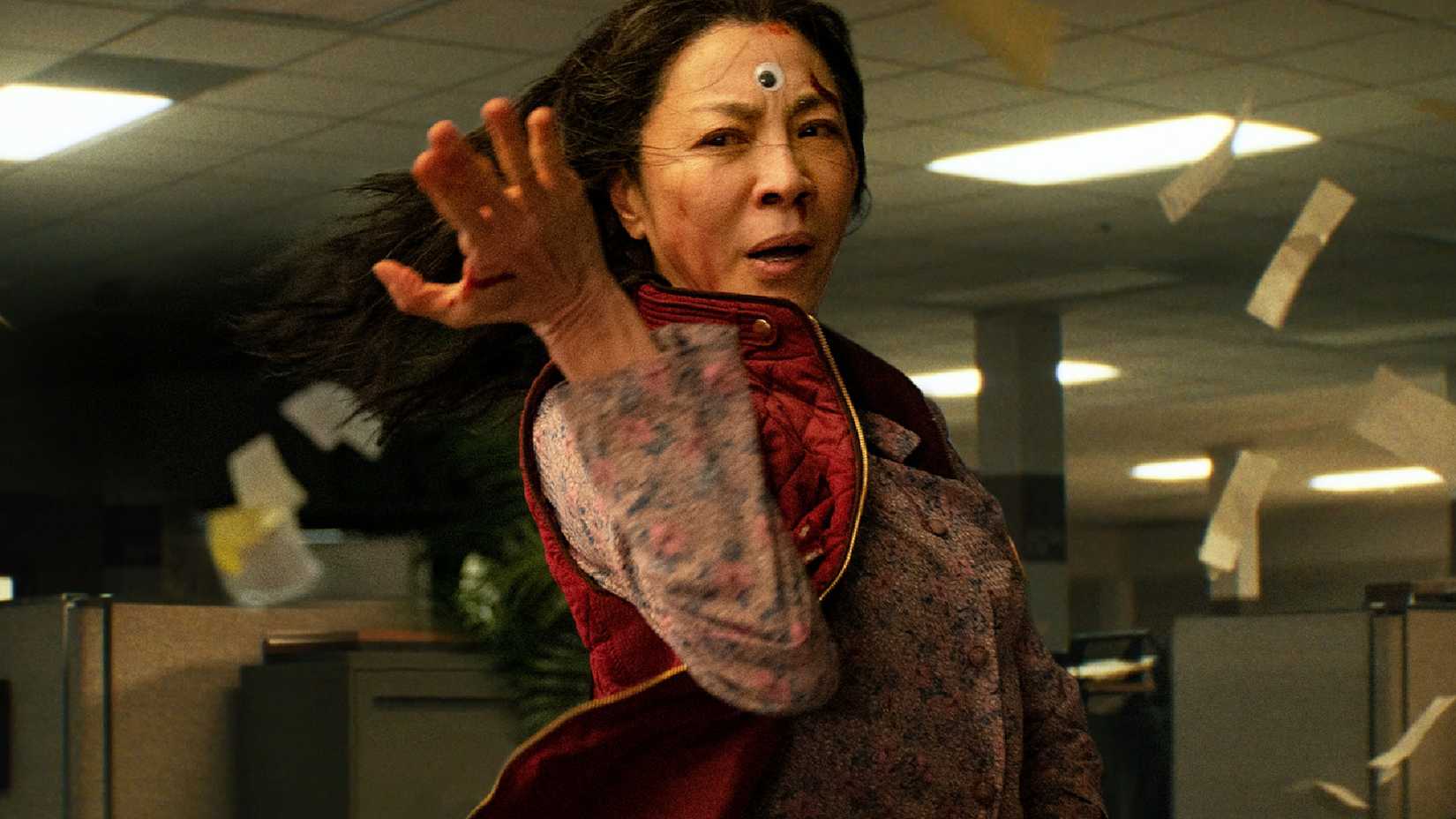
- Everything Everywhere All at Once (2022): This film was a cultural phenomenon, grossing over $140 million worldwide and winning seven Academy Awards. Its departure removes one of the most requested "rewatch" titles from the service.
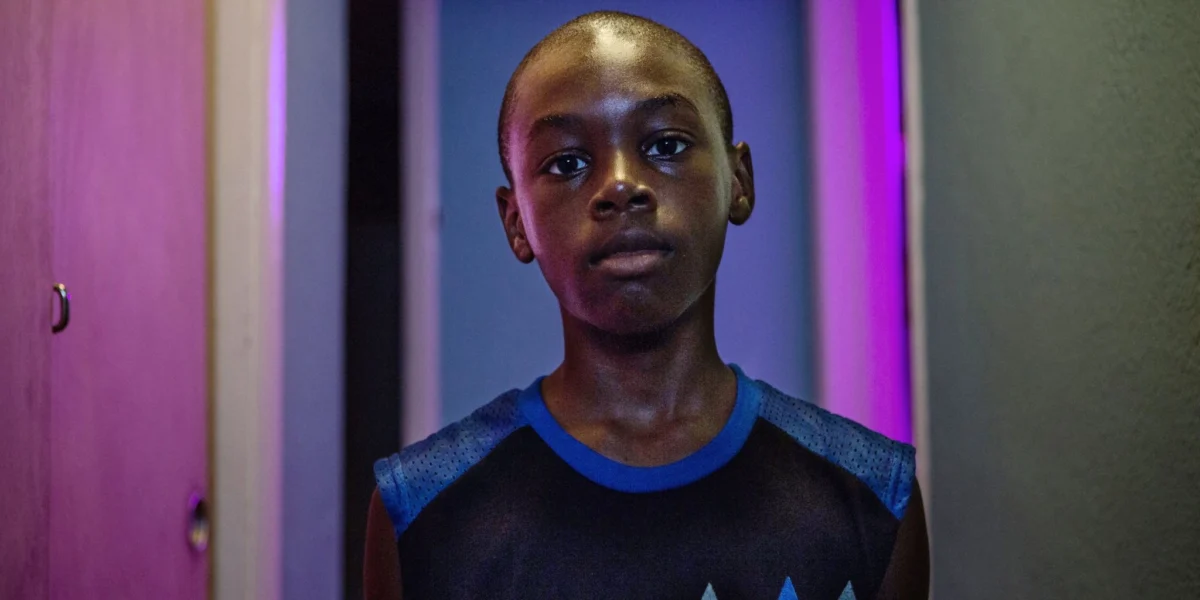
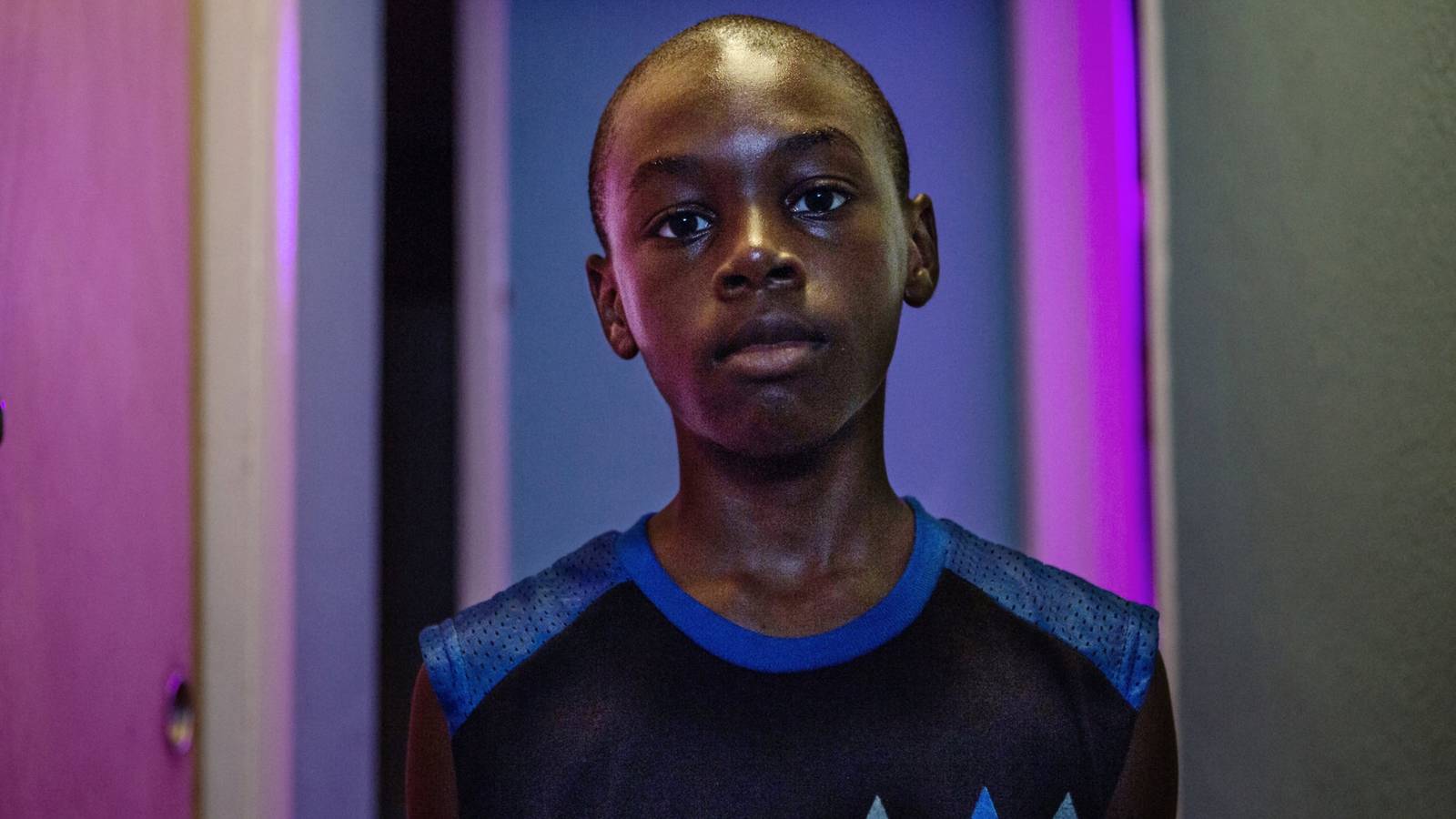
- Moonlight (2016): As the lowest-budget film to ever win Best Picture (produced for roughly $1.5 million), Moonlight remains a cornerstone of modern Black cinema. Its 98% Rotten Tomatoes score highlights its status as a near-perfect critical darling.
- The Witch (2016) & Men (2022): These films represent the "Elevated Horror" movement. Robert Eggers’ The Witch was a financial triumph, turning a $4 million budget into a $40 million box office return, while Alex Garland’s Men remains one of the most debated psychological thrillers of the decade.
The Franchise Factor: The Twilight Saga (2008–2012)
Despite being critical magnets for mixed reviews during their initial release, the Twilight films have seen a massive "Gen Z" resurgence. Collectively, the franchise has grossed over $3.3 billion globally. By losing all five films—Twilight, New Moon, Eclipse, Breaking Dawn Part 1, and Breaking Dawn Part 2—Max loses a significant amount of "comfort viewing" hours that typically drive high engagement metrics.
Award-Winning Classics: Fargo and Carol
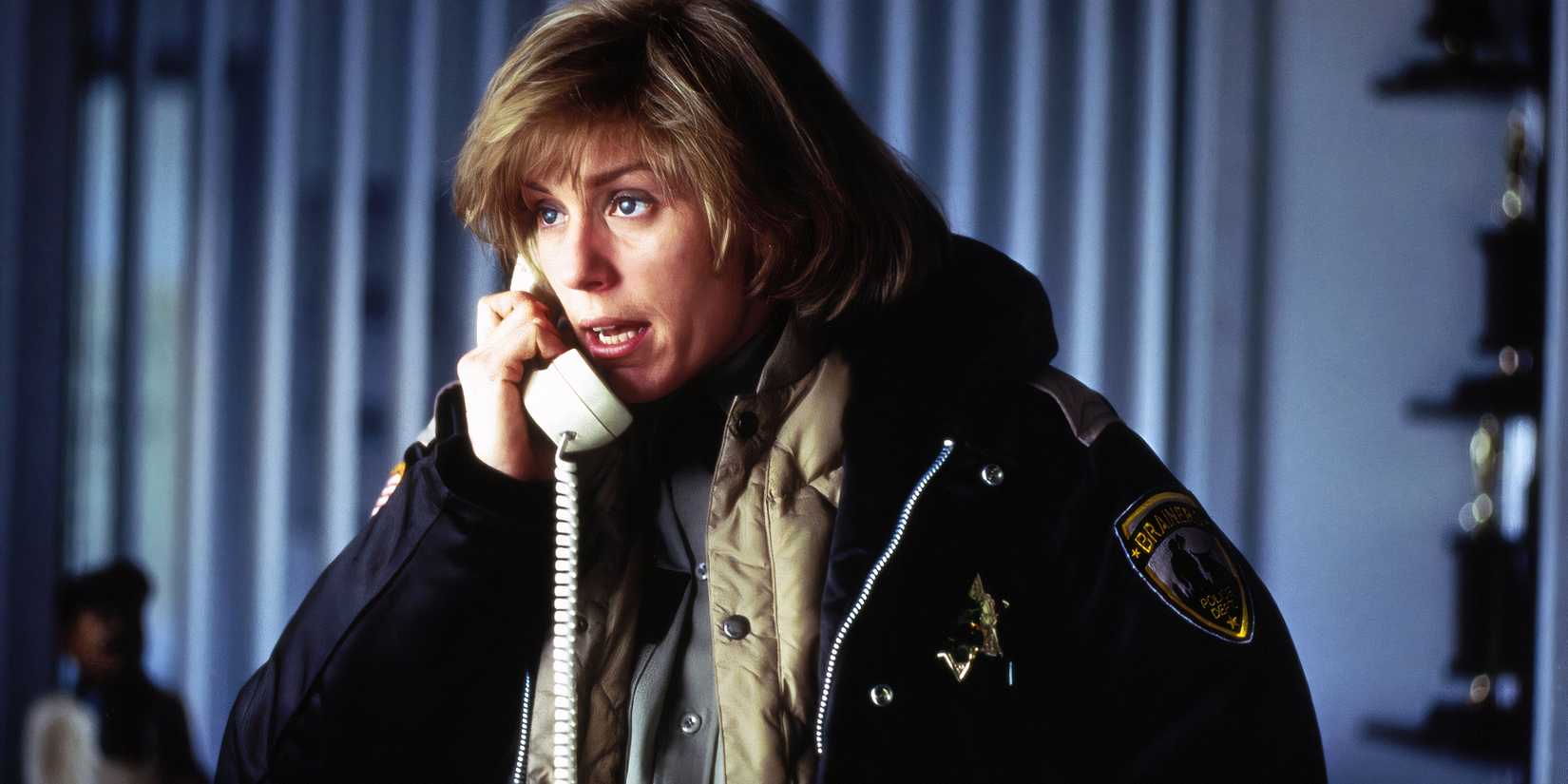
- Fargo (1996): A staple of American dark comedy, the Coen brothers’ film is preserved in the National Film Registry. Its departure is significant given the ongoing popularity of the Fargo anthology series on FX/Hulu; fans of the show often look to the original film for context.
- Carol (2015): Directed by Todd Haynes, this film is often cited as one of the greatest LGBTQ+ romances ever filmed. With six Oscar nominations and a 94% critical rating, it has served as a "prestige" anchor for Max’s romance category.
Official Context and Studio Strategy
While Warner Bros. Discovery has not issued a specific press release regarding these individual departures—standard practice in the industry—analysts point to a broader shift in "windowing" strategy.
In 2026, the streaming industry has moved away from the "all-you-can-eat" permanent library model. Instead, studios are increasingly using "pulsing" tactics—moving content in and out of services to create a sense of urgency (FOMO) and to maximize licensing revenue from multiple partners.
A24, for instance, has become increasingly savvy about its library. By rotating films like Everything Everywhere All at Once off Max, the studio can negotiate fresh deals with competitors like Paramount+ or Amazon Prime Video, or even launch its own proprietary viewing "hubs."

Furthermore, the departure of The Devil Wears Prada is a classic example of "synergy management." With a sequel in production for a late 2026 release, Disney (which owns the rights through the 20th Century Studios acquisition) is consolidating the original film on its own platforms (Hulu/Disney+) to build momentum and ensure that 100% of the "hype traffic" stays within its ecosystem.
Implications: The Future of the "Streaming Wars" in 2026
The June departures from Max signal several emerging trends in the entertainment industry:
1. The Death of the "Permanent Library"
Subscribers can no longer assume that a studio’s "hits" will remain on their "home" platform indefinitely. Even Warner Bros. films occasionally leave Max for short-term stints on Netflix or Amazon, as the company prioritizes short-term licensing cash flow over long-term subscriber retention.

2. The Rise of "Boutique" Licensing
A24’s movement suggests that smaller, high-prestige studios are becoming the "arms dealers" of the streaming wars. They do not have their own major platforms, so they move their content to whichever service offers the best terms for a specific 12-to-24-month window. For the consumer, this means "platform hopping" is becoming a necessity to follow specific directors or studios.
3. The Rental Market Resurgence
As films leave major streamers without immediate "new homes," digital storefronts like Apple TV, Amazon, and Google Play are seeing a resurgence. When a cultural touchstone like The Witch or Moonlight becomes unavailable on a $15/month subscription, many users revert to the $3.99 rental model, which provides a higher per-view profit margin for the studios.
4. Strategic Content Replacement
Max is not leaving its library empty. The arrival of Undertone and other 2025/2026 releases indicates that the service is pivoting toward "Newness" rather than "Legacy." By clearing out older A24 hits, they make room—both in the UI and in the budget—for the next generation of exclusive content.
Conclusion for Subscribers
For Max subscribers, the message is clear: the clock is ticking. With June 30 acting as a hard deadline for a significant portion of the platform’s high-brow cinema, the remaining weeks of the month are the final opportunity to experience the multiverse of Everything Everywhere All at Once, the haunting woods of The Witch, or the rainy atmosphere of the Twilight saga without an additional fee.
As the "Streaming Shuffle" continues, the volatility of these libraries serves as a reminder that in the digital age, ownership is an illusion, and the "must-watch" list should always be tackled sooner rather than later.