
The "Apology Tour": Transformers: The Movie Returns to Theaters 40 Years Later, Confronting Its Infamous Legacy
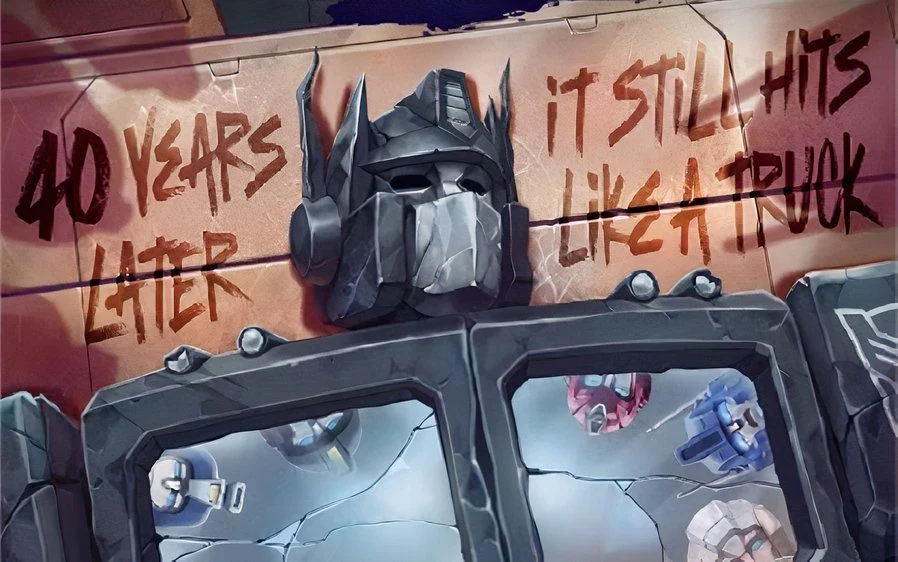
May 19, 2026 – Forty years ago, a bold cinematic decision by Hasbro irrevocably altered the course of the Transformers franchise and left a generation of young fans in tears. Now, in a move that can only be described as an "Apology Tour," the animated cult classic Transformers: The Movie is returning to theaters nationwide, a testament to its enduring, albeit controversial, impact. The re-release, spearheaded by Fathom Events, promises to revisit the film that dared to kill its most beloved hero, Optimus Prime, and in doing so, cemented its place in animation history.
The Unthinkable Decision: A Bold Move with Lasting Repercussions
In the mid-1980s, Hasbro stood at a precipice. Their Transformers toy line and animated series were a runaway success, captivating audiences with tales of warring alien robots. The brand had reached a saturation point in its initial narrative arc, with Optimus Prime, the noble leader of the Autobots, serving as the ultimate symbol of heroism and moral guidance. However, for a company driven by the relentless cycle of toy sales, the status quo presented a challenge. A new generation of Transformers, complete with new merchandise, was needed to sustain the franchise’s momentum.
This strategic imperative led to a pivotal, and ultimately controversial, creative decision: the elimination of Optimus Prime. Screenwriter Ron Friedman, a key figure in bringing the Transformers universe to the silver screen, voiced his strong reservations to Hasbro. As he recounted in a 2021 interview with MEL Magazine, he vehemently argued against the plan, likening Optimus Prime to mythological figures like Odin or Zeus – the linchpin of a familial narrative. "I warned them," Friedman stated, "I told Hasbro, ‘You can’t kill Optimus Prime,’ because he was ‘big daddy’ in the mythological narrative. He was Odin or Zeus and you can’t kill him off, the family will fall apart."
Despite Friedman’s prescient warnings, Hasbro remained resolute. The overwhelming success of Optimus Prime’s initial toy run had depleted inventory, making the introduction of a new, marketable leader a logical, albeit heartbreaking, business decision. This led to the creation of Rodimus Prime, a character designed not only to inherit Optimus’s mantle but also to offer a compelling enough presence to mitigate the inevitable fan backlash. Friedman’s challenge was to craft a character that could bridge the gap, to make the transition palatable for an audience deeply invested in the existing hero.
Crafting the Unthinkable: The Narrative Arc of Loss
Friedman’s efforts to soften the blow were evident in his approach to Optimus Prime’s demise. While the initial inclination was to kill the Autobot leader early in the film, Friedman successfully lobbied for a more strategically placed death, one designed to maximize its emotional impact. He envisioned a poignant visual farewell, where Optimus Prime’s vibrant red and blue hues would visibly drain from his metallic form, leaving behind a lifeless, gray husk. This artistic choice aimed to imbue the moment with a sense of profound finality and tragic beauty, a visual metaphor for the loss of a guiding light.
However, even these creative measures could not fully shield the film from the raw emotional response of its target audience. The death of Optimus Prime, occurring relatively early in the first act, sent shockwaves through theaters. Children, deeply connected to the heroic Autobot, were plunged into distress. Story consultant Flint Dille, reflecting on the film’s reception during a commentary track, recalled the palpable sorrow: "The kids were crying in the theaters. We heard about people leaving the movie. We were getting a lot of nasty notes about it." The film, intended to be a triumphant celebration of the Transformers brand, had inadvertently become an emblem of loss and betrayal for a generation of fans.
A Re-evaluation: From Scar to Cult Classic
Over the subsequent four decades, Transformers: The Movie has undergone a significant re-evaluation. What was once perceived as a gratuitous and emotionally damaging act has, for many, evolved into a mark of the film’s daring and artistic integrity. In an era where animated features often prioritize safe, predictable narratives, Transformers: The Movie stands out as a bold, 2D animated masterpiece that refused to shy away from mature themes.
Many now argue that the very element that caused such outrage – Optimus Prime’s death – was, in fact, the film’s greatest strength. It demonstrated the profound emotional investment fans had in the character and the franchise. In a landscape where many characters served as expendable cannon fodder, the death of Optimus Prime underscored his significance, proving that the stakes were genuinely high and the narrative was willing to explore the consequences of war.

Even Ron Friedman, who sadly passed away in 2025, came to embrace this complex legacy. He developed a personal "cottage industry" around the infamous moment, penning his memoir, I Killed Optimus Prime. In his later years, he often shared humorous anecdotes about convention-goers approaching him with a mixture of anger and affection, recounting how they would ask him to sign their underwear, a testament to the indelible mark the film had left on their childhoods. Friedman’s ability to find humor and connection in the controversy highlighted the enduring power of the story and its characters, even decades later. He acknowledged the sheer volume of characters in the original series, stating, "There were so many fucking characters in that show that it was hard to get to know them." This made the loss of the central figure all the more impactful.
The "Apology Tour": Acknowledging a Legacy
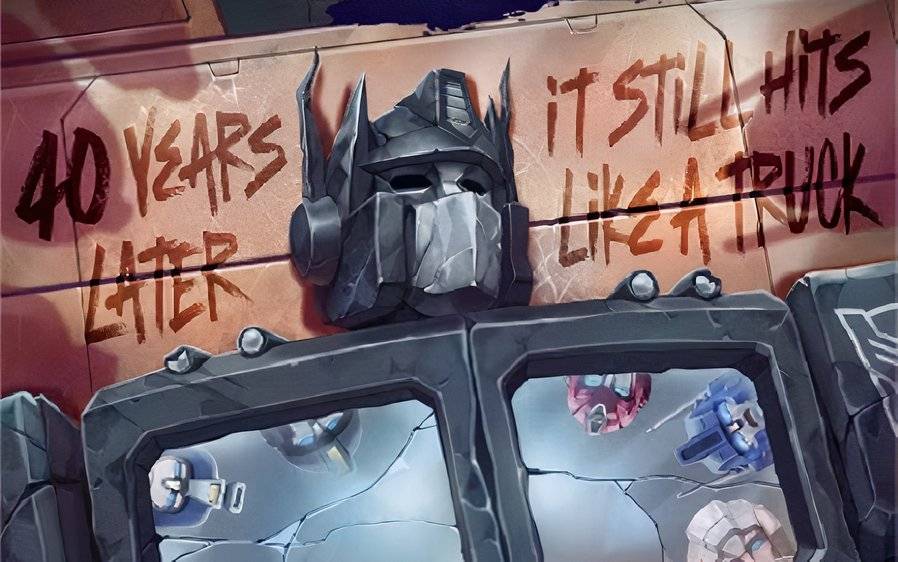
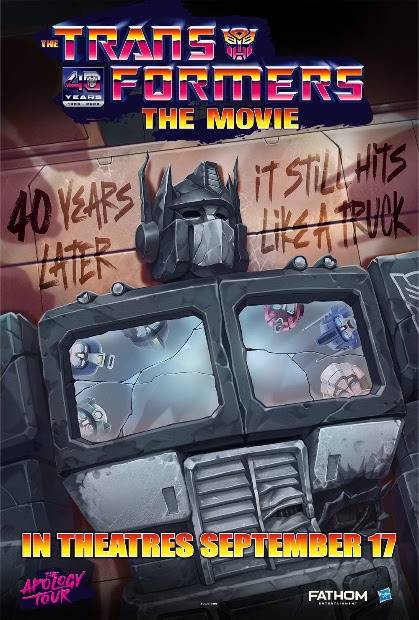
The decision by Hasbro and Fathom Events to bring Transformers: The Movie back to theaters for its 40th anniversary, complete with a new poster prominently featuring Optimus Prime’s final moments, is a clear acknowledgment of the film’s complex and deeply ingrained legacy. This "Apology Tour," as it’s been aptly termed, is more than just a retrospective screening; it’s an invitation for a new generation to experience the film that both thrilled and traumatized its original audience, and for older fans to revisit a formative cinematic experience.
The re-release provides an opportunity to engage with the film on its own terms, appreciating its groundbreaking animation, its ambitious storytelling, and its willingness to tackle themes of loss and sacrifice. It allows for a collective understanding of how a single creative decision could resonate so profoundly, shaping not only the future of the Transformers franchise but also the emotional landscape of a generation of viewers.
The Enduring Impact: More Than Just a Movie
The lasting impact of Transformers: The Movie extends beyond its cinematic achievements. It serves as a powerful case study in the delicate balance between commercial interests and artistic integrity, and the profound ways in which media can shape the emotional lives of its audience. The film’s return to theaters is a celebration of its enduring power, a chance to confront its controversial past, and a reminder that some stories, even those that break our hearts, can ultimately become the most cherished.
The legacy of Optimus Prime’s death, and the subsequent creation of Rodimus Prime, has profoundly influenced subsequent iterations of the Transformers narrative. While the initial shock has subsided, the memory of that pivotal moment continues to inform discussions about character development, narrative stakes, and the emotional resonance of the franchise. This re-release is not just about nostalgia; it’s about engaging with a piece of cultural history that continues to spark debate and affection, proving that even after four decades, the story of the Transformers, and the sacrifices made within it, still holds immense power.
Word Count: 1275

Leave a Comment