The Architecture of Memory: Exploring the Poignant Narrative of ‘As Long As You’re Here’
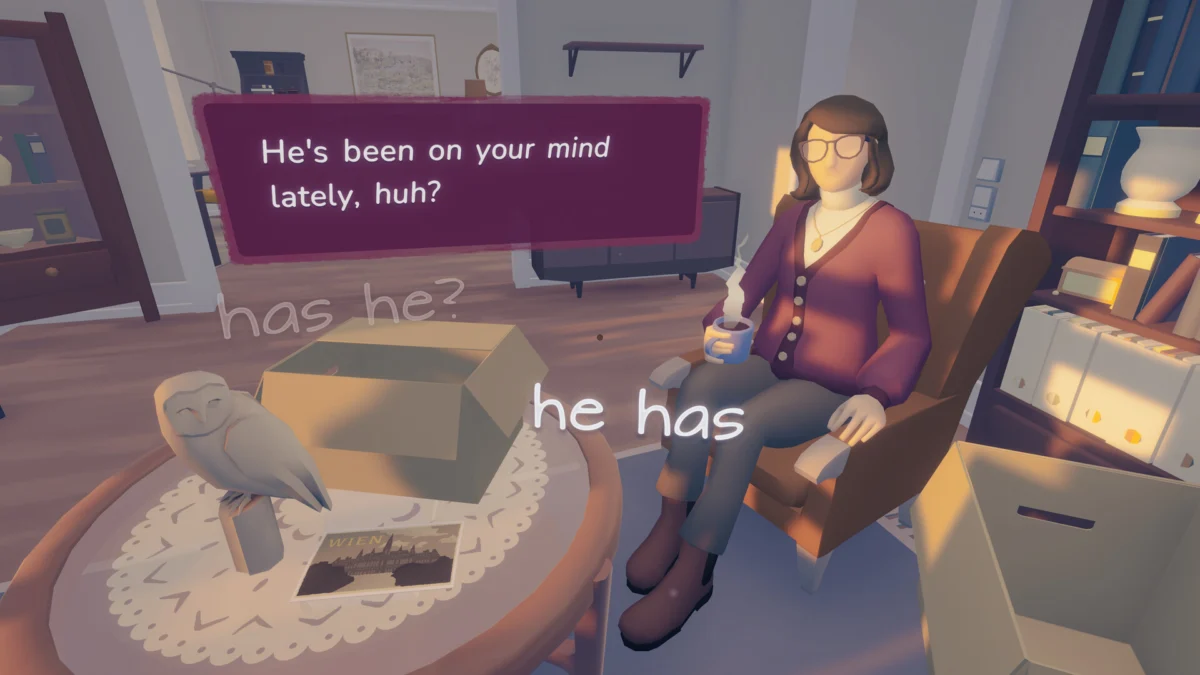
In the rapidly evolving landscape of independent video games, a new genre has emerged that prioritizes emotional resonance and psychological realism over traditional combat or high-score mechanics. These "empathy simulators" seek to place players in the shoes of those experiencing life-altering conditions, from grief and depression to cognitive decline. The latest entry into this profound category is As Long As You’re Here, an emotional, narrative-driven adventure that explores the fragile nature of memory through the eyes of an elderly protagonist named Annie.
Recently showcased at AdventureX—the UK’s premier convention for narrative-focused gaming—and now available on Steam, As Long As You’re Here offers a hauntingly beautiful look at the intersection of aging, loss, and the surreal experience of a mind beginning to unspool.
Main Facts: An Overview of the Experience
As Long As You’re Here is a first-person narrative adventure that places players in the role of Annie, a woman navigating the twilight of her life. The game’s premise is deceptively simple: Annie has recently moved into a new home following the death of her brother. However, the grief of this loss acts as a catalyst for a deeper cognitive fracturing. As Annie attempts to settle into her new surroundings, her memories—both cherished and painful—begin to "drift," merging with her current reality in increasingly disorienting ways.
The game distinguishes itself through its "unreliable environment" mechanic. Unlike traditional adventure games where the world is a static stage for the player’s actions, the world in As Long As You’re Here is as fluid as Annie’s mind. Objects move when the player isn’t looking, rooms transform into spaces from decades past, and the mundane task of making tea can spiral into a journey through a forgotten childhood.
Key Details:
- Developer: Independent (Featured at AdventureX)
- Platform: PC (Steam)
- Protagonist: Annie, an elderly woman
- Themes: Dementia, grief, sibling bonds, and the passage of time
- Genre: Narrative Adventure / Psychological Drama
Chronology: The Dissolution of Reality
The narrative structure of As Long As You’re Here is designed to mirror the progression of cognitive impairment, moving from subtle confusion to profound disorientation.
The Threshold: The Bus Stop
The game begins with a sequence that sets a tone of vulnerability. Annie finds herself at a bus stop, trapped in a loop of uncertainty. She is lost, though she is not far from home. This introductory segment serves as a mechanical and emotional primer; players must help Annie navigate the simple but suddenly Herculean task of calling her daughter for help. It establishes the primary relationship of the game—the bond between a mother losing her grip on the present and a daughter trying to hold her steady.
The Illusion of Order: The New Home
Following the introduction, the player is moved to Annie’s new residence. The gameplay here revolves around a "sticky-note board"—a common real-world tool for those living with early-stage memory loss. These notes outline the day’s tasks: unpacking boxes, preparing a meal, or checking the mail.
Initially, the game feels like a "cozy" simulator. However, the developers slowly introduce "glitches" in reality. A box that was just emptied is suddenly full again. A door that led to the kitchen now opens into a hallway that shouldn’t exist. These changes are subtle at first, leading the player to question their own memory before they realize the game is intentionally gaslighting them to simulate Annie’s internal state.
The Breaking Point: The Family Dinner
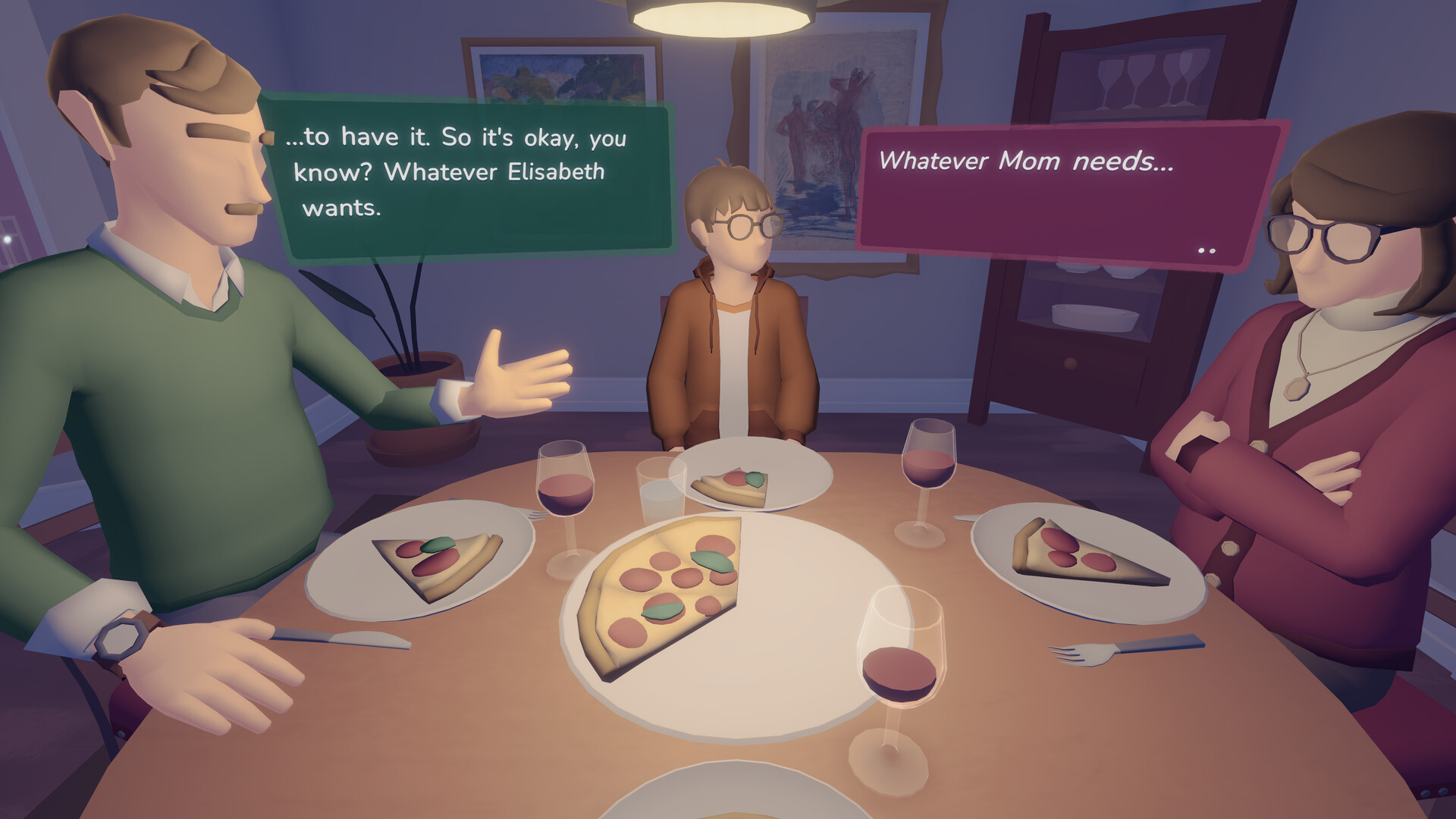
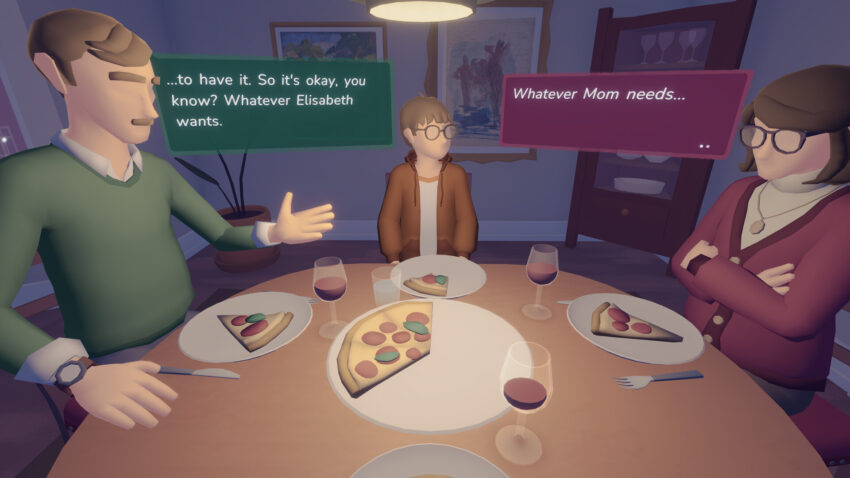
One of the most critically acclaimed sequences in the game involves a family dinner. As Annie sits with her daughter and relatives, the narrative begins to fray. Conversations become difficult to follow; voices may fade out or skip, and the player is left to piece together the context of the gathering. This sequence highlights the social isolation inherent in memory loss—the feeling of being physically present but mentally distant, unable to catch the "thread" of a shared reality.
The Integration: The Brother’s Room
The climax of the experience involves the merging of Annie’s current home with her past. Specifically, the room of her recently deceased brother begins to manifest within her house. This surreal architectural blend forces Annie (and the player) to confront the unresolved emotions surrounding his passing. It is here that the game transitions from a study of memory loss to a profound meditation on grief, suggesting that our memories of the dead are the only places where they truly remain "here."
Supporting Data: Narrative Design and Technical Execution
The impact of As Long As You’re Here is bolstered by its specific design choices, which prioritize atmosphere over high-fidelity graphics.
Visual and Auditory Environmentalism
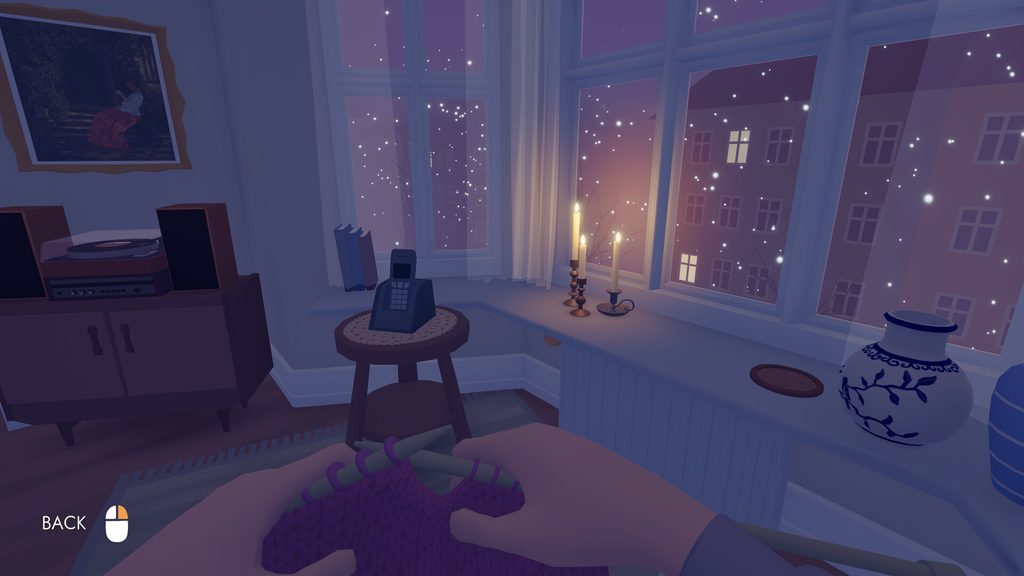
The game utilizes a soft, almost impressionistic art style. This choice is functional; the blurred edges and warm lighting evoke the feeling of a fading photograph. Sound design plays a crucial role in the "drifting" sensation Annie experiences. The use of ambient noise—the ticking of a clock that grows unnaturally loud or the distant sound of a winter storm—creates a sense of claustrophobia even in open spaces.
The "Task" Mechanic
Data from narrative design analysis suggests that "mundane task" mechanics are highly effective at building empathy. By forcing the player to engage with the repetitive, often frustrating nature of Annie’s daily life, the game removes the "power fantasy" typically associated with video games. The player is not a hero; they are a person trying to remember where they put their keys. This creates a unique form of tension that is psychological rather than physical.
Market Context: The Rise of "Silver" Narratives
The release of As Long As You’re Here on Steam coincides with a growing trend in the indie scene to feature older protagonists. Following in the footsteps of games like Wayward Strand or The Stillness of the Wind, this title addresses an aging gaming demographic and a younger generation increasingly concerned with the care of their elders.
Official Responses and Developer Intent
While the developers have maintained a focused, "author-driven" approach to the game’s release, their presence at AdventureX provided insight into the project’s goals. The overarching intent was to create a "personal story being shared," rather than a clinical study of aging.
During the showcase, the narrative team emphasized that the game was born from a desire to humanize the statistics of memory-related illnesses. "We didn’t want to make a game about dementia," one developer noted during a panel discussion. "We wanted to make a game about Annie, who happens to be navigating a world that no longer makes sense to her. The focus is always on the person, not the pathology."
The game has received praise from narrative designers for its "mechanical honesty." By refusing to provide the player with a map or a traditional "quest log," the developers force a level of immersion that mirrors the frustration and occasional beauty of Annie’s condition.
Implications: Gaming as a Tool for Empathy and Education
The implications of As Long As You’re Here extend beyond the realm of entertainment. As the medium of video games matures, titles like this are being recognized for their potential in "Perspective Taking"—a psychological process where an individual views a situation from another’s point of view.
Representation of the Elderly
In a medium often criticized for its obsession with youth and violence, As Long As You’re Here is a radical act of representation. It treats the interior life of an older woman with dignity, complexity, and mystery. It suggests that the "adventure" of the mind is as harrowing and epic as any fantasy quest.
Digital Bibliotherapy
There is an increasing interest in using narrative games as a form of "digital bibliotherapy" for caregivers and family members of those with cognitive decline. By experiencing the frustration of a shifting environment in a controlled, virtual setting, players may develop a deeper patience and understanding for the real-world struggles of loved ones.
The Future of Narrative Architecture
Technically, the game’s use of "impossible spaces"—where the layout of the house changes based on the player’s perspective or progress—points toward a future where narrative architecture is used to tell stories that books or films cannot. The interactivity of the medium allows the player to inhabit the confusion, rather than just observing it.
Conclusion
As Long As You’re Here is a somber, vital addition to the Steam library. It is a game that demands the player’s full emotional attention, rewarding them with a heart-wrenching look at what remains when the details of our lives begin to slip away. By focusing on the bond between Annie, her daughter, and the memory of her brother, the game reinforces a powerful message: though memories may drift and reality may shift, the emotional imprints we leave on one another are the only things that truly endure.
For those looking for an experience that challenges the definition of "play" and offers a window into the human condition, Annie’s journey is an essential, if bittersweet, destination.