The Art of Perpetual Growth: Navigating the Twilight Years with Purpose and Vitality
Introduction: A Paradox of Aging
The human journey, from the vibrant bloom of youth to the serene landscape of old age, is a profound testament to consciousness. Yet, as the years accrue, a subtle yet significant challenge emerges: the dichotomy between physical aging and the enduring capacity for mental and emotional growth. While the senses may begin to falter, the mind possesses an extraordinary potential to remain vibrant, engaged, and actively seeking meaning. This article explores the intricate dance between physical decline and mental agility in later life, examining why some individuals embrace a passive "growing old" while others actively cultivate a state of "growing up" throughout their lives, drawing on philosophical insights and personal anecdotes to illuminate the path towards a more fulfilling twilight.
The Dual Nature of Perception and Experience in Aging
H2: Perceiving the World: The Five Senses and Objective Reality
The fundamental human experience is built upon our ability to perceive the world around us. From the mundane rhythm of a typical day to the grand spectacles of nature, our five senses – sight, sound, touch, taste, and smell – act as the primary conduits through which we gather objective information about our environment. This sensory input forms the bedrock of our understanding of physical reality. As we age, these sensory faculties can, and often do, undergo changes. Vision may blur, hearing might diminish, and the sharpness of other senses can wane. These are natural, biological processes that impact our direct, unmediated experience of the external world.
However, the article posits that many older individuals actively strive to maintain and even sharpen these perceptual experiences. This often manifests as a conscious effort to keep the senses alert – perhaps by engaging in activities that require keen observation, listening intently to conversations, or savoring the nuances of a meal. This drive to remain connected to the objective, physical reality is a testament to the innate human desire to engage with the world.
H3: The Inner Landscape: Subjective Experience and the Meaning-Making Machine
Simultaneously, human consciousness is not merely a passive recipient of sensory data. The mind and brain, through a complex interplay of thoughts, emotions, and evaluations, imbue these perceived happenings with subjective meaning. This inner world is where feelings are felt, judgments are made, and value is assigned. It is this subjective layer that transforms raw sensory input into a rich tapestry of lived experience.
As individuals age, the challenge lies not only in maintaining sensory acuity but also in navigating the evolving landscape of their inner lives. The intensity and range of emotions, the complexity of thoughts, and the criteria for evaluation can all shift. This internal dynamism is as crucial to a fulfilling life as external perception.
The Great Divide: Embracing the Present vs. Retreating to the Past
H2: The Tendency Towards Psychological Withdrawal
Despite the potential for continued mental engagement, a significant trend observed in aging individuals is a tendency towards psychological withdrawal. While they may diligently work to keep their senses sharp, many find it increasingly challenging to keep pace with the constantly evolving nature and values of daily ongoing life. The world, both physically and socially, is in perpetual flux. New technologies emerge, societal norms shift, and cultural values transform. Adapting to these changes requires a willingness to update one’s mental framework, to re-evaluate long-held beliefs, and to embrace new perspectives.
H3: The Lure of the Familiar: Nostalgia and Mental Rigidity
For many aging individuals, this process of mental adaptation can feel arduous. The comfort and familiarity of the past often present themselves as a more appealing alternative. Living in the past, dwelling on memories, and clinging to established mental structures can feel easier and, paradoxically, more meaningful than the demanding task of modifying or changing a deeply ingrained mindset. The prospect of confronting new and challenging mental attitudes towards life can be met with resistance, even irritation. The thought of re-thinking and re-feeling established perspectives, which have served them for decades, can feel like an unwelcome disruption.
H3: The Unconscious Erosion of the Will to Live
This retreat from engagement with the present and future has profound, albeit often unconscious, consequences. By diminishing the expanding range of consciousness that life, in its natural progression, offers, individuals inadvertently weaken their own will to keep living. The article suggests that nature’s "old age routine" is not one of passive decline, but rather an invitation to continued growth and adaptation. When this invitation is declined, when the mind closes itself off to new stimuli and challenges, the vital spark of life can begin to flicker. The intrinsic drive to engage with existence, to explore, and to contribute, begins to wane when the mind opts for stagnation over evolution.
The Timeless Wisdom: Motion of Body, Action of Mind
H2: An Ancient Adage for Enduring Vitality
The wisdom of the ages often encapsulates profound truths in simple phrases. The adage, "Keep the Body in motion, and the Mind in action," serves as a powerful distillation of the principles necessary for not merely growing old, but for continuing to "grow up" throughout life. This saying underscores the symbiotic relationship between physical activity and mental engagement. It suggests that these two elements are not independent, but rather mutually reinforcing forces that contribute to a sustained sense of vitality and purpose.
H3: The Synergy of Physical and Mental Engagement
Keeping the body in motion is not solely about physical health, though that is an undeniable benefit. Movement stimulates circulation, nourishes the brain, and can alleviate the physical discomforts that often accompany aging. However, the "motion" in this adage extends beyond mere exercise. It implies engagement with the physical world, participation in activities, and a willingness to experience the tangible realities of life.
Equally crucial is keeping the "Mind in action." This refers to the active pursuit of knowledge, the engagement in problem-solving, the exploration of new ideas, and the maintenance of intellectual curiosity. It means actively participating in the unfolding narrative of life, rather than passively observing it from a distance.
A Coffee House Encounter: The Embodiment of Passive Aging
H2: The Voice of Resignation
The author recounts a poignant encounter in a local coffee house with an elderly gentleman, a man who, at 75 years of age, embodied the passive approach to aging. This individual expressed a profound sense of resignation, stating that he had "stopped thinking about his daily existence" and saw "no point in dwelling on events of the past." His worldview was one of quiet surrender, an acceptance of a diminished inner life.
H3: The Tyranny of Age and the Loss of Opinion
His declaration that he was "just growing old, coasting to the end" revealed a deeply ingrained belief that age inherently signifies a cessation of growth and engagement. The fact that he had "few opinions about things anymore" is particularly telling. Opinions are forged through engagement, through critical thinking, and through the formation of values. The absence of opinions suggests a detachment from the very processes that define a vibrant consciousness. He had, in essence, ceased to participate in the ongoing dialogue of life.
The Unspoken Truth: The Futility of Argument, The Power of Personal Testimony
H2: The Limits of Persuasion
In such moments, the author wisely recognized the futility of argument or direct persuasion. The gentleman’s mindset, deeply entrenched, was unlikely to be swayed by intellectual debate. His experience was his reality, and imposing one’s own perspective would likely have been met with disinterest, if not defensiveness.
H3: The Enduring Question: "Why and Wherefore?"
The author’s internal reflection reveals a fundamental difference in their approach to aging. While the gentleman had ceased to question, the author’s consciousness, regardless of age, continues to grapple with the existential inquiries: "Why and wherefore, to what end?" This persistent quest for meaning and purpose is, in the author’s view, the very engine of continued growth.
H3: A Living Testament: The 94-Year-Old’s Active Pursuit
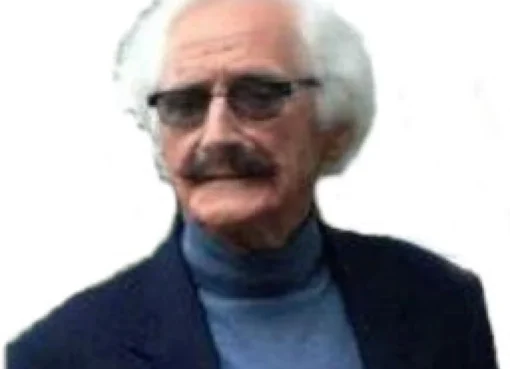
The author, having recently celebrated their 94th birthday, offers a powerful counterpoint to the gentleman’s resignation. Their active lifestyle, a deliberate avoidance of the "armchair," is not merely a pursuit of physical longevity but a deliberate strategy to keep the mind intensely engaged. This active life, the author posits, intensifies the mind’s quest for understanding and propels the body to remain active in support of this intellectual and emotional exploration.
The Fruits of Perpetual Growth: Psychological Maturation in Later Life
H2: The Unfolding of Consciousness
The direct consequence of this active engagement, as experienced by the author, is a continued process of "psychologically growing up." This is not about regression or childishness, but about an ongoing maturation of the mind and spirit. It is about developing a deeper, more nuanced understanding of oneself and the world, even as the physical body ages.
H3: The Evolution of Inquiry
The author candidly admits that the questions of "why and wherefore" were less frequent and less intense at age 75 than they are now. This is not a sign of decline, but rather an indication of the deepening complexity of life’s mysteries as perceived by an ever-evolving consciousness. The author’s experience suggests that with continued engagement and a sustained quest for meaning, the intensity of inquiry can actually increase, leading to richer insights and a more profound appreciation of existence.
Voices Across Millennia: Philosophical Reflections on Aging
H2: Plato’s Serene Liberation
The author judiciously draws upon profound philosophical insights to frame the discussion. Plato, writing approximately 2,500 years ago, offers a vision of old age characterized by "a great sense of calm and freedom." He eloquently describes this liberation as escaping "not from one master, but from many." This perspective suggests that as the passions that drive us in youth and middle age begin to wane, a profound sense of peace and autonomy can emerge. This is not a passive resignation, but an active attainment of freedom from the often-tyrannical demands of desire and ambition.
H3: Wilde’s Poignant Paradox: The Tragedy of Youthful Old Age
In striking contrast, Oscar Wilde offers a more melancholic yet equally insightful perspective: "The tragedy of old age is not that one is old, but that one is young." This provocative statement speaks to the very core of the article’s thesis. The true tragedy, Wilde suggests, lies not in the physical realities of aging, but in the internal state of being "young" in spirit – meaning stagnant, uninspired, and devoid of the growth and wisdom that true aging should bring. It is the tragedy of an individual who has grown old in years but has failed to "grow up" in consciousness.
Conclusion: Embracing the Art of Perpetual Growth
The journey of aging is not a predetermined descent into decline, but a dynamic process with profound potential for continued growth and enrichment. While the physical body may age, the human consciousness possesses an extraordinary capacity for adaptation, learning, and meaning-making. The choice lies not in succumbing to the passive narrative of "growing old," but in actively embracing the art of "growing up" throughout life.
By keeping the body in motion and the mind in action, by remaining open to new experiences and perspectives, and by continuing to ask the fundamental questions of existence, individuals can transform the twilight years into a period of profound wisdom, vibrant engagement, and enduring purpose. The wisdom of philosophers and the lived experiences of those who continue to thrive in their later years offer a powerful testament to the enduring truth that the capacity for growth is a lifelong endeavor, a continuous unfolding of the human spirit. The greatest tragedy is not the passage of years, but the premature cessation of the quest for meaning and the abandonment of the lifelong journey of becoming.