
The Unseen Self: Navigating the Erosion of Inner Life in a Technologically Driven World
Introduction: The Elusive Nature of True Selfhood
We exist, undeniably. The mirror confirms our physical presence, our ability to interact with the world around us. Yet, this tangible reality is merely a fraction of our being. Beneath the surface of our physical form lies a complex, often mysterious, inner landscape – the realm of personality, character, and behavior. These psychological forces, invisible yet profoundly influential, constitute the essence of who we are, a truth that has captivated artists and thinkers for centuries. While physical existence is a given, understanding the depths of our inner selves remains an ongoing, deeply personal journey, one that current technological advancements threaten to obscure.
The Art of Revelation: From Rembrandt to the Digital Age
Throughout history, humanity has sought ways to capture and understand the multifaceted nature of the self. In the 17th century, the Dutch master Rembrandt van Rijn revolutionized portraiture, not merely depicting the outward appearance of his subjects but imbuing his canvases with their inner psychological essence. His portraits are windows into souls, revealing anxieties, wisdom, and the subtle nuances of character that transcend mere physical likeness.
Centuries later, the advent of photography in the mid-19th century offered a new means of capturing our image. While photographers, even those considered "master craftsmen," could document our physical selves with remarkable fidelity, they often fell short of Rembrandt’s profound ability to unveil the "inner you." As Michelangelo poignantly observed, the true art lies in "revealing the personality beyond the façade… the one within." Photography, by its very nature, tends to freeze a moment, a surface, whereas a master painter, through years of observation and empathetic engagement, could delve deeper.
The Digital Deluge: A Threat to Inner Consciousness
A contemporary concern, articulated by a prominent science writer, is the potential erosion of this vital inner self. The argument posits that as technology becomes increasingly central to our existence, as it shapes our perceptions and even our reasoning, we risk losing touch with the very essence of our individuality. This concern is not born of Luddism but of a profound observation about the nature of knowledge and consciousness.
The belief that all truths – from the workings of the universe to the intricacies of our own physical and psychological realities – can be definitively unearthed through the cold, calculated logic of machines poses a significant threat. As the American paleontologist Loren Eiseley warned, "Unconsciously, the human realm is denied in favor of the world of pure technics." This technological hegemony risks reducing us to mere automatons, reacting to external stimuli without the vital internal processing that defines our humanity.
The Diminishing Inner Realm: From Subjectivity to Objectivity
The human realm, the author argues, is characterized by its subjective, internal nature. It is the space where thoughts, feelings, ideas, dreams, opinions, questions, hopes, fears, and inspirations converge to create the unique tapestry of each individual. This is the fertile ground of self-realization, a journey that is intrinsically personal and often nonlinear. However, if we increasingly rely on objective, external sources for answers, particularly those derived from computational power, this internal landscape risks becoming barren.
The implications are stark: we may find ourselves knowing only the machims of an objective consciousness, reacting solely to observable events in a material world. The vital exploration of "why" – the moral and spiritual inquiries that lie beyond mere factual data – could fade into irrelevance. This introspective journey, often facilitated by the right hemisphere of the brain, which is associated with intuition, creativity, and holistic thinking, might atrophyleave us with a diminished capacity for self-understanding and a loss of our unique human perspective.
A Testament to Inner Depth: The Revelation of Malcolm Muggeridge
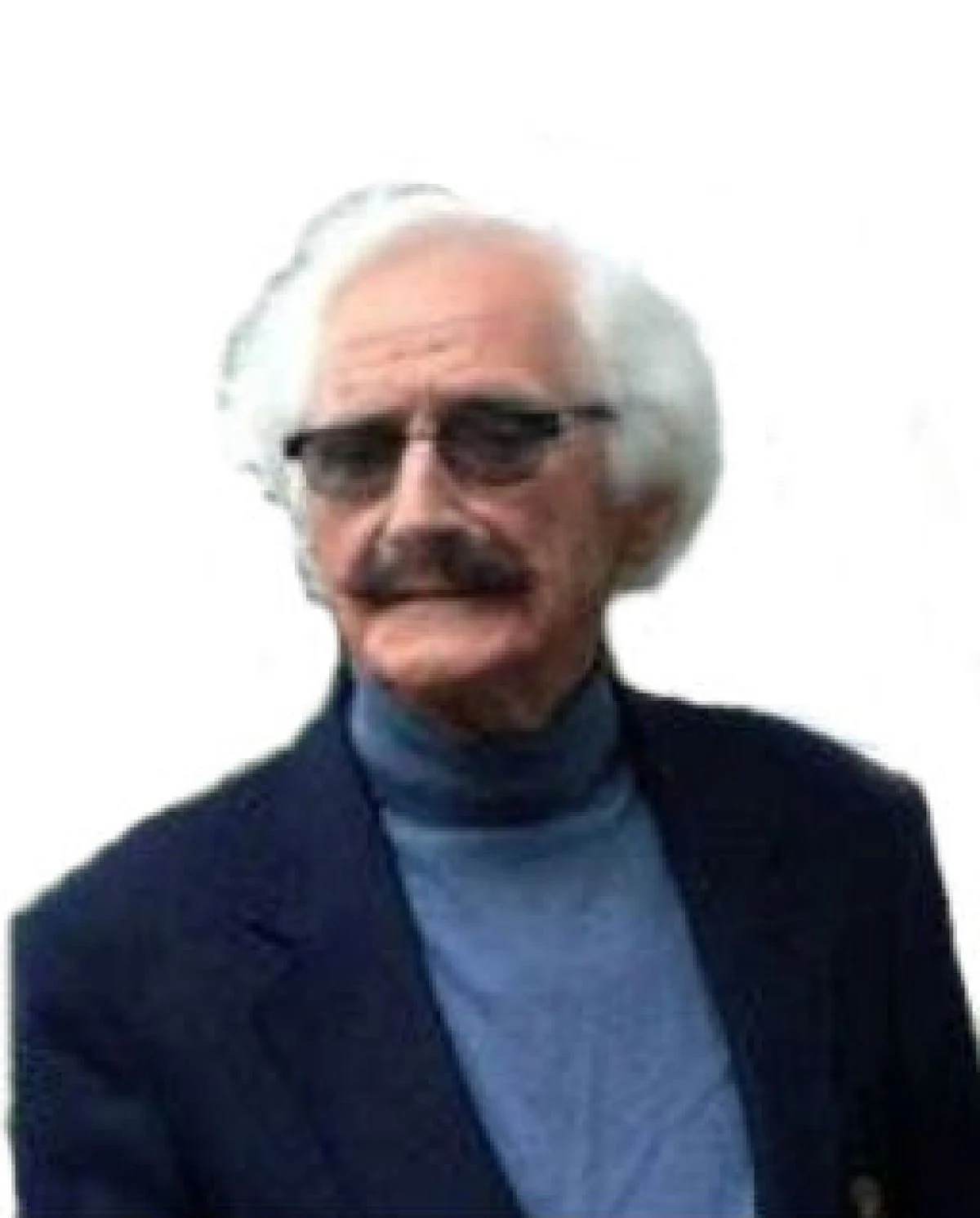
The profound importance of nurturing this inner life is underscored by the reflections of Malcolm Muggeridge, a distinguished broadcaster, writer, and historian. Known for his sharp intellect and outwardly secular disposition, Muggeridge’s autobiography, "Conversion," revealed an unexpected and deeply spiritual dimension to his inner world.
Muggeridge’s account serves as a powerful testament to the richness and complexity that can exist within a seemingly conventional outer life. Despite leading a remarkably adventurous and diverse external existence, he cultivated a profound inner mental life, characterized by "felt-thoughts" and persistent spiritual questions. His introspection transcended the mundane, delving into the fundamental questions of his own existence and the broader human condition.
The Muggeridge Passage: A Glimpse into the "Other" Destiny
The following passage, reproduced with the kind permission of the Malcolm Muggeridge Society, offers a poignant illustration of the "inner life" and its transformative power:
“Yet it is also true that from my earliest years there was something else going on inside me than vague aspirations to make a name for myself and a stir in the world: something that led me to feel myself a stranger among strangers in a strange land, whose true habitat was elsewhere; that brought an indefinable melancholy into my life, especially in its early years, and, at the same time, a mysterious exaltation, an awareness that, mixed up with the devices and desires of the ego… another destiny whose realization would swallow up time into Eternity, transform flesh into spirit, knowledge into faith and reveal in transcendental terms what our earthly life truly signifies.”
This profound statement reveals a consciousness attuned to a deeper reality, a sense of being a traveler on a journey towards a transcendent purpose. Muggeridge’s words articulate a duality of existence: the outward striving for worldly recognition juxtaposed with an inward yearning for something more profound, a destiny that transcends temporal limitations and imbues life with ultimate meaning. This "other destiny," he suggests, is one that transforms the material into the spiritual, the empirical into the faith-based, and offers a transcendental understanding of our earthly existence.
The Dualistic Consciousness: Embracing the Inner and Outer Worlds
Muggeridge, for the author, embodies the intuitive and creative spirit inherent in humanity, a spirit that arises from a dualistic consciousness. This duality allows for engagement with both the external world of action and achievement and the internal world of reflection and introspection. It is this balance, this capacity to hold both perspectives simultaneously, that enriches our understanding of ourselves and the world around us.
His experience highlights the fact that even individuals who appear to be primarily "outer directed" can possess a rich and active inner life. This inner life is not a retreat from the world but a complementary dimension that provides depth, meaning, and a unique perspective on our experiences. It is the source of inspiration, the wellspring of our deepest questions, and the catalyst for personal growth and self-discovery.
The Urgent Message: Reclaiming Our Inner Lives
In an era increasingly dominated by technological solutions and data-driven narratives, Muggeridge’s reflections serve as a crucial reminder. The author’s message is clear and urgent: we must resist the temptation to surrender our inspirational, reflective inner lives to the all-encompassing embrace of the machine.
The core of this message lies in preserving our "duality of consciousness." This means consciously cultivating both our engagement with the external world and our commitment to the internal exploration of our thoughts, feelings, and spiritual questions. It means recognizing that not all truths are quantifiable, and that the most profound aspects of human experience often lie beyond the reach of algorithms and computational power.
The author offers a simple, yet profound, piece of advice to underscore this point: "Spend more time walking the dog." This seemingly trivial suggestion is a powerful metaphor. It represents a deliberate act of disconnecting from the digital realm and reconnecting with the tangible world, with nature, and with our own unhurried thoughts. It is an invitation to embrace simple, grounding activities that allow space for reflection, for the quiet unfolding of our inner selves.
In essence, the article implores readers to recognize the inherent value of their subjective, inner world. It warns against the passive acceptance of a technologically dictated reality and advocates for a conscious effort to nurture the aspects of our consciousness that define our humanity – our capacity for introspection, our spiritual yearnings, and our unique, unquantifiable selves. The challenge before us is to harness the benefits of technology without sacrificing the very essence of what makes us human.




Leave a Comment