The Brutal Pursuit of White Gold: How Ivory Fueled Africa’s Exploitation and Transformation
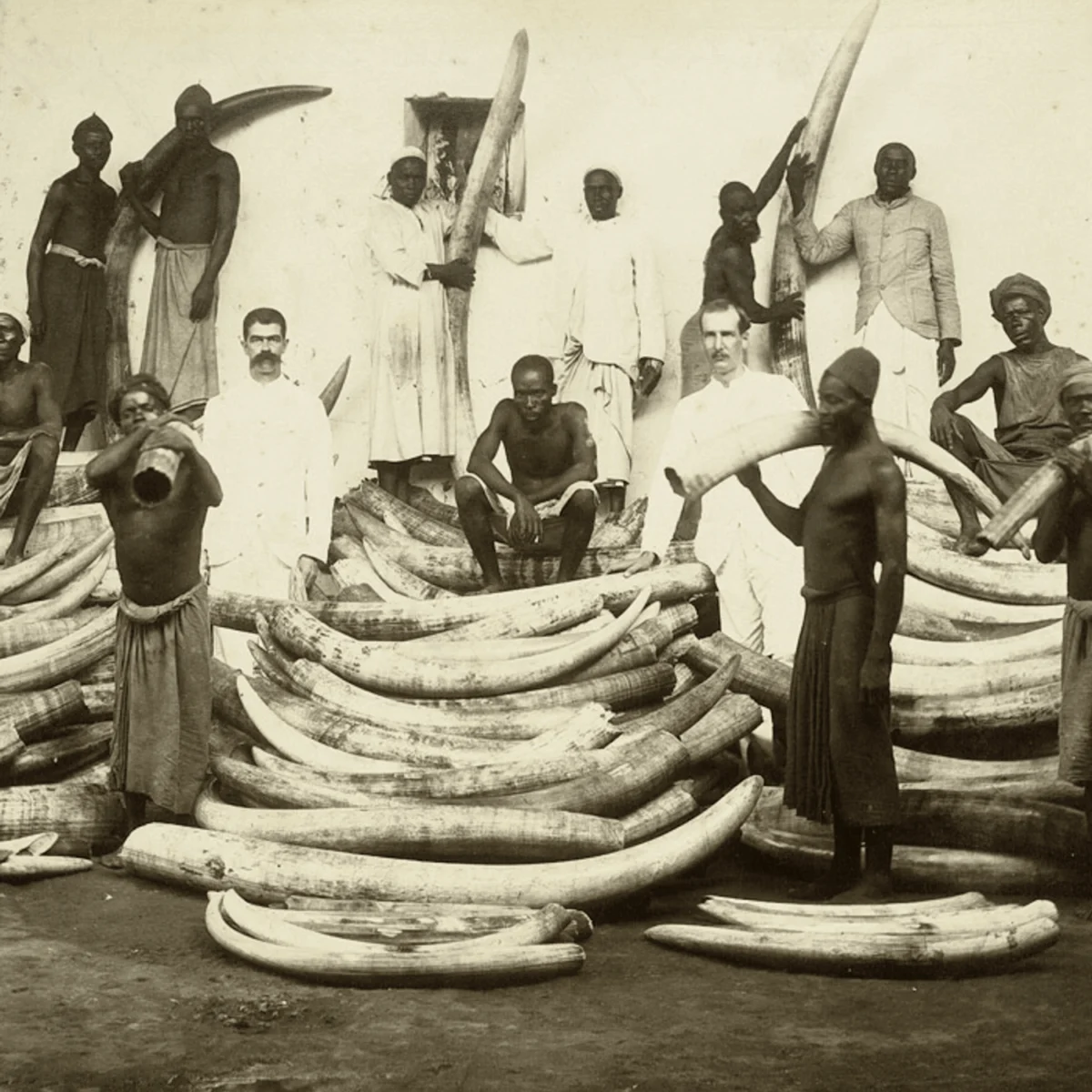
Dateline: Africa, 15th-20th Century – For centuries, the vast continent of Africa has been a crucible of natural wealth, a magnet for external powers seeking to harness its abundant resources. While gold, diamonds, and rubber often dominate historical narratives of exploitation, another commodity, "white gold"—ivory—played a pivotal and profoundly destructive role in shaping the continent’s destiny, driving trade, fueling conflicts, and laying the groundwork for European colonial expansion. From the delicate artistry of European piano keys to the intricate bangles adorning Indian brides, the global demand for ivory ignited a relentless pursuit that left an indelible mark on both human societies and the natural world.
The Enduring Allure: A Historical Overview of Ivory Trade
The trade in ivory is not a phenomenon exclusive to the modern era; it boasts a long and complex history deeply intertwined with ancient civilizations. As far back as antiquity, ivory traversed continents. The Roman Empire, for instance, imported tusks from North and Central Africa, transported across the formidable Sahara Desert by camel caravans, integrating this exotic material into their art and luxury goods.
During the Middle Ages, Arab traders established flourishing trade centers, particularly on the island of Zanzibar and along the Swahili Coast of East Africa. These hubs became crucial nodes in a sophisticated network that channeled ivory, alongside other goods, into the burgeoning markets of the Middle East and Asia. While their influence was significant, Arab traders generally maintained a coastal presence, rarely establishing deep political control over the interior.
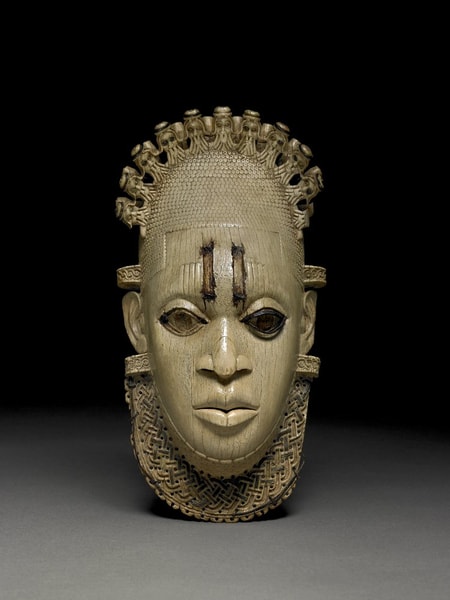
The arrival of European powers in the 15th century marked a new chapter in this exploitative saga. Portuguese traders, pioneers in navigating Africa’s coastlines, actively sought ivory throughout the 15th and 16th centuries. They established key trading posts along the west coast, stretching from Upper Guinea to Portuguese Angola, and also ventured into the Swahili Coast in Portuguese Mozambique. Interestingly, the Portuguese often commissioned African artisans to carve the ivory into finished products tailored for the European market, such as ornate salt cellars, elegant walking canes, and decorative cutlery handles. The sculptors of Benin, renowned for their exceptional skill, were particularly celebrated for their exquisite ivory artworks, a testament to the continent’s rich artistic heritage that was ironically harnessed for external gain.
By the 17th century, the landscape of African exports had shifted, with the transatlantic slave trade and the pursuit of gold dominating the priorities of European powers. Yet, ivory steadfastly remained the third most coveted trade item. As European imperial ambitions grew, a significant shift occurred: for the first time, traders began to penetrate deep into Africa’s interior, driven by the promise of untapped riches.
Ivory as a Colonial Catalyst: Deepening the Scramble
The push into Africa’s heartland was often spearheaded by explorers and missionaries, whose accounts, ostensibly aimed at mapping and "civilizing" the continent, inadvertently served as reconnaissance reports for commercial exploitation. Their narratives of vast, untouched resources ignited the imagination of European merchants and monarchs alike. David Livingstone, the famed Scottish missionary and explorer, observed in his 1850s travels the immense potential for profit in the interior:
"If it is profitable for those who are engaged in the coast trade to pass along in their ships and and pick up ivory, bees wax &c., those who may have enterprise enough to push into the interior and receive the goods at first hand would surely find it more profitable…" (Chamberlain, 99)
This sentiment was echoed and amplified by others. Lieutenant Verney Lovett Cameron, writing in the 1870s, painted a vivid picture of the sheer abundance of ivory in the Katanga region, what is now the Democratic Republic of Congo:
"To the eastward of Lovalé ivory is marvellously plentiful. The price among the Arab traders at Nyangwé was 7 1/2 pounds of beads, or 5 pounds of cowries, for 35 pounds of ivory; and the caravans that went out from there for ivory would obtain tusks, irrespective of weight, for an old knife, a copper bracelet, or any other useless thing which might take the fancy of the natives." (Chamberlain, 99-100)
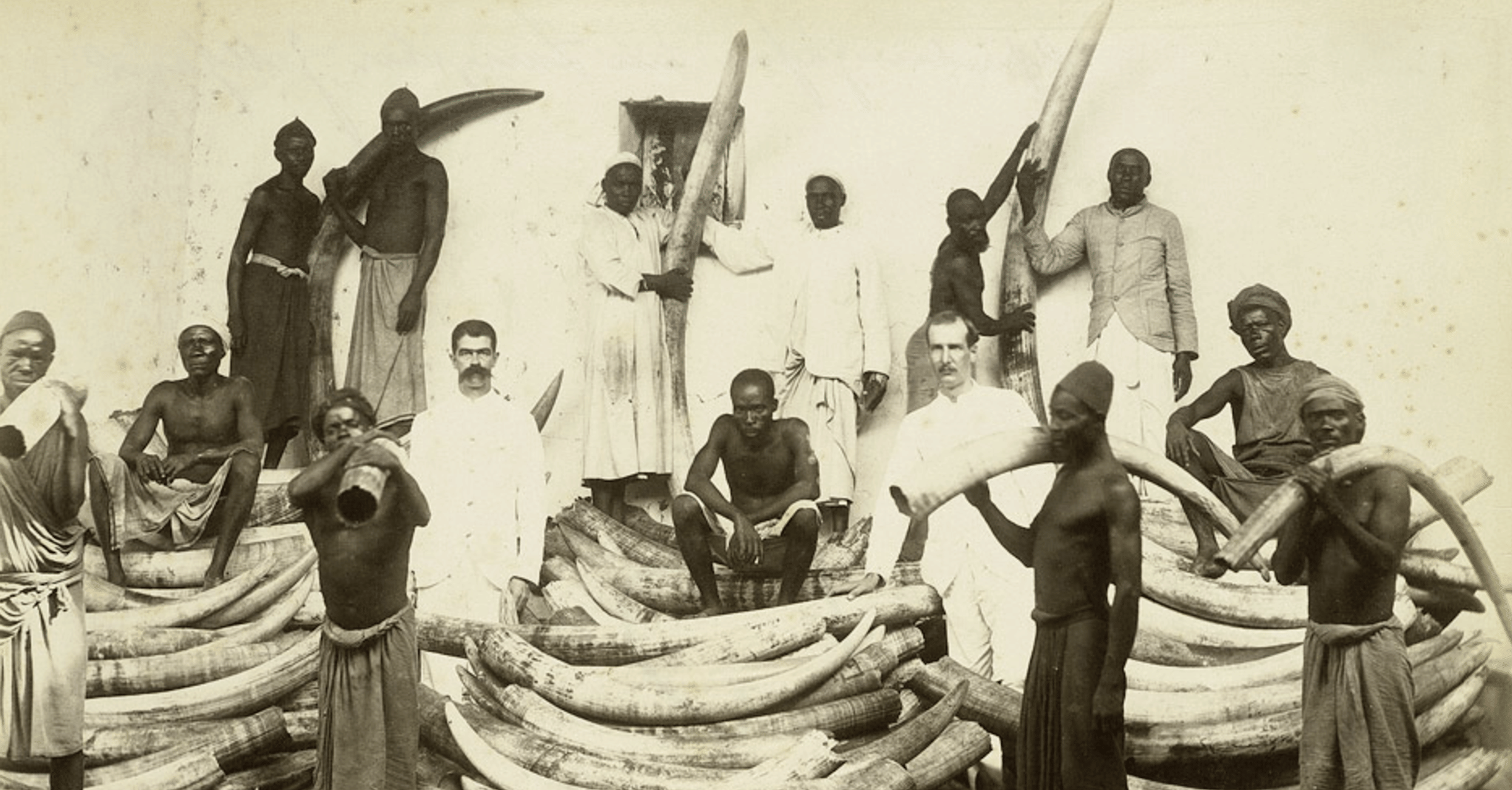
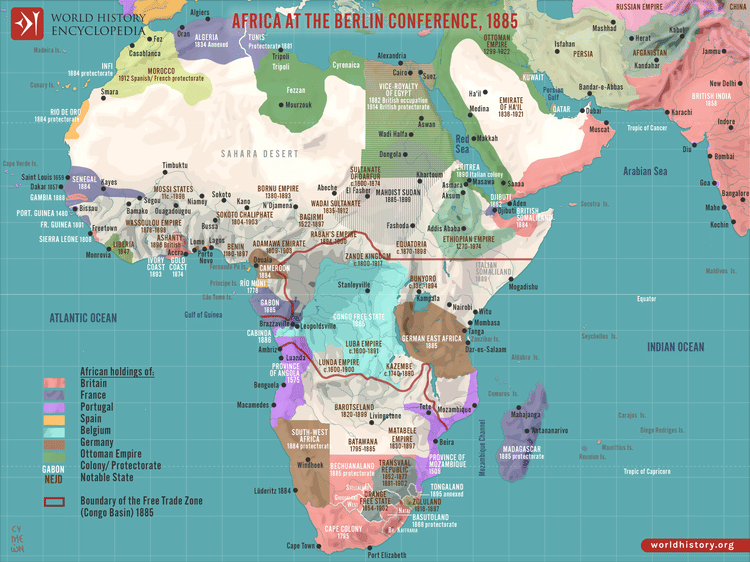
Such tantalizing tales of easily acquired wealth, often at a fraction of coastal prices, directly fueled the territorial ambitions of European rulers. Leopold II, King of the Belgians, notoriously established the Congo Free State in 1885, a personal fiefdom where, although rubber eventually became the primary source of his immense fortune, the initial lure of ivory played a significant role in its conception. Similarly, the perceived bounty of ivory was a key factor in Imperial Germany’s decision to establish the colonies of German South West Africa (1884) and German East Africa (1885). The British, too, found the promise of ivory an irresistible incentive to expand their influence deeper into Southern Africa throughout the 1880s and 1890s. Ivory was not just a commodity; it was a strategic resource that justified and propelled the "Scramble for Africa."
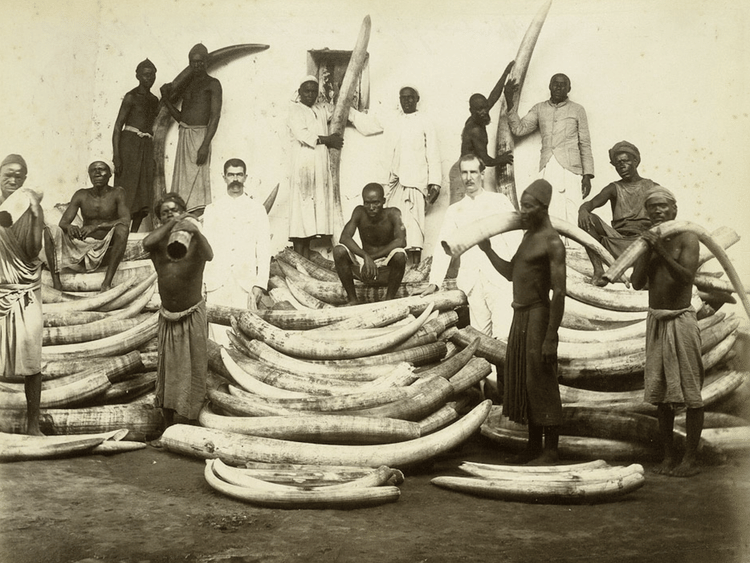
The Human and Environmental Cost: Trade Routes and Exploitation
The primary regions for the ivory trade included East Africa, the vast Congo Basin, Southern Africa, and the coastal stretch in West Africa famously named after the precious commodity: Ivory Coast (Côte d’Ivoire). African hunters initially supplied ivory to other tribes, who then traded it with Arab or European merchants. This chain of trade could be incredibly intricate and extended. In the Congo Basin, for example, the Bonjo people would hunt elephants and trade the ivory to the Loi people. The Loi, in turn, passed it to the Bobangi, who then sold it to Arabs and Europeans for export. These networks were often multipurpose, facilitating the exchange of local goods like cassava and palm oil alongside ivory, creating complex interdependencies and rivalries.
The wealth generated by the ivory trade, coupled with that from other goods, intensified competition among African tribes. This often led to the formation of powerful kingdoms, such as the Maravi near Lake Malawi and the Kingdom of Mutapa on the Zambezi River, seeking to monopolize the lucrative trade. However, as historian A. E. Atmore keenly observed:
"The pursuit of ivory was generally destructive and often violent. It involved the organisation of hunting bands, which even when developed locally, were disruptive of older social groupings. Too frequently, it involved raiding across the countryside by alien gangs." (Fage, 24)
Competition between European, Arab, and African traders frequently escalated into open warfare and territorial conquest. The superior weaponry of the Europeans often gave them a decisive advantage, leading to the subjugation of African and Arab rivals. Even those African communities that initially benefited from the ivory trade did so only in the short term. The scale of hunting, exacerbated by the introduction of modern firearms supplied by Europeans, rendered ivory a non-renewable resource. Elephant populations were systematically decimated in one region after another, leading to ecological collapse and forcing traders to push further and further into untouched territories.
This relentless demand also created a brutal synergy with the slave trade. As ivory sources dwindled closer to the coasts, traders were compelled to venture deeper, establishing vast caravan routes. From the 1810s, huge caravans of camels or donkeys, often stretching for over 1,000 miles (1,600 km) to reach Africa’s Great Lakes, were formed in East Africa. In forested areas, human porters carried the heavy tusks on foot. Crucially, these caravans were frequently involved in the slave trade. African elephant hunters were often coerced or incentivized into becoming slave hunters, rounding up men, women, and children for Arab and European markets. This "double-trade" offered a perverse logistical advantage: enslaved people could be used to transport ivory to the coast, eliminating the need for paid porters and drastically reducing transport costs, thereby increasing the traders’ profit margins. The human cost of this exploitation was immeasurable, intertwined with the decimation of Africa’s wildlife.
From Tusks to Treasures: Global Demand and Diverse Uses
African ivory found its way to a truly global market, transported to the Mediterranean, across Europe, and as far afield as India, China, and the United States. East African tusk ivory was particularly prized for its relative softness, which made it easier to carve and shape than other varieties. India, in particular, presented an incredibly lucrative and unique market, as explained by historian P. Curtin:
"It was used for the bangles worn by Indian brides. When either the woman or her husband died the bangles were destroyed, thus insuring continuous demand." (126)
This cultural practice ensured a constant, insatiable demand for ivory in the subcontinent.
In Europe, ivory was transformed into a dazzling array of objects. It was fashioned into exquisite decorative items like figurines, intricate storage boxes, and delicate inlay work for cabinets and smaller furniture pieces. It also lent a touch of luxury to more mundane items such as combs, hairpins, and cutlery handles. Echoing the Romans’ use of ivory for gaming dice, the 19th century witnessed a massive boom in billiards and piano playing, which became the primary drivers of demand for the softer East African ivory. Billiard balls and piano keys became arguably the most important products made from African ivory, symbolizing both leisure and artistic refinement. The harder ivory from West Africa, meanwhile, remained a popular material for knife handles in Europe and the United States, valued for its durability and aesthetic appeal.
While Europeans saw ivory primarily as a commodity for luxury and utility, African peoples had long used it for deeply cultural and spiritual purposes: for jewellery, intricate carvings, statuary, and items of ceremonial significance such as masks. However, the temptation of obtaining goods they could not produce themselves—such as cotton cloth, silk, knives, beads, and brass rods—often led them to exchange this culturally significant material for European-supplied items. Negotiations could be complex and sometimes involved elaborate customs. In Kenya, the Embu hunters, for example, had a unique tradition:
"Elephant hunters would take their relatives along to bargain with the coastal ivory traders. In the final stages of bargaining, each relative would sit on the ivory in sorrow at its loss. The trader could take the ivory only after paying each one to agree to the trade. The hunter’s important relatives were paid more, the minor ones less." (Curtin, 365)
This custom highlights the profound value placed on ivory within African societies, a value that was often fundamentally misunderstood or deliberately exploited by foreign traders.
Infrastructure of Exploitation: Rivers, Rails, and Forts
The expansion of the ivory trade, particularly into central Africa, was intrinsically linked to the development of infrastructure. The continent’s giant inland waterways—the Nile, Niger, Zambezi, and Congo rivers—became crucial arteries for trade. European trading companies were quick to establish permanent stations along these rivers, connected by small steamships that could navigate the interior.
The next critical step involved significant investment from European governments to fund larger projects: railways. These vital transport links drastically reduced the cost and time required to move heavy goods like ivory from the interior to the coast. Concurrently, better harbors were constructed and expanded to accommodate larger cargo ships, capable of transporting greater volumes of tusks and other resources across oceans.
This burgeoning economic infrastructure necessitated protection. Professional soldiers were deployed, and forts were built to defend these valuable assets and the trade routes. This military presence, ostensibly for security, rapidly transitioned into outright territorial conquest, marking the formal process of colonisation. Indigenous peoples were often forcibly removed from their lands, their sovereignty dissolved through wars of territorial expansion. The "Scramble for Africa" intensified dramatically from the mid-1880s, leading to increasingly frantic conflicts not only between European and Arab traders but also between rival European powers vying for control over lucrative resource-rich territories.
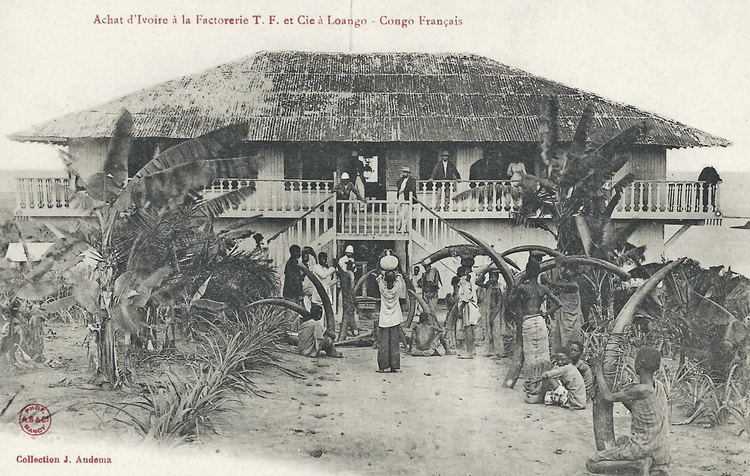
The rolling frontier of the ivory trade also had severe economic implications for African communities. As elephants were hunted to extinction in one area, the trade moved on, leaving behind once-prosperous regions in economic disaster. The only recourse for African chiefs in these depleted areas was often to exact tolls on caravans passing through their former territories, a desperate attempt to maintain some economic relevance. Furthermore, the caravans, often followed by European explorers like Richard Francis Burton (who gave a notable account of his 1857 voyage), inadvertently spread diseases such as smallpox, devastating communities with no immunity to foreign pathogens.
The Shifting Sands of Trade: Decline and Enduring Legacy
By the 1880s, the prominence of the ivory trade began to wane. While still valuable, it was gradually supplanted in importance within Africa’s export economy by other highly sought-after commodities such as gold, diamonds, rubber, and beeswax. Additionally, purpose-built plantations began to produce cash crops like coffee and sugar, further diversifying and intensifying colonial exploitation.
Despite its diminishing central role, the trade in ivory did not cease entirely. It continued on a smaller, often illicit scale, frequently supplied by poachers illegally killing elephants, even within newly established game reserves. The relentless pressure on elephant populations, combined with a growing global awareness of species extinction, eventually led to international intervention. The trade in ivory was finally prohibited by the Convention on International Trade in Endangered Species of Wild Fauna and Flora (CITES), a multilateral treaty signed in 1989. This landmark agreement, though not without its challenges, aimed to halt the legal international trade that had decimated elephant populations for centuries.
The legacy of the ivory trade in Africa is complex and profound. It was a primary driver of European penetration into the continent, fostering the construction of vital, albeit exploitative, transport systems. It fueled brutal wars, both between African groups vying for control of resources and between Africans and invading European powers. It contributed significantly to the process of colonisation, reshaping political boundaries and economic structures. Most tragically, it led to the catastrophic decline of elephant populations across the continent, an ecological wound that continues to impact biodiversity and ecosystem health to this day. The "white gold" era serves as a stark reminder of the devastating consequences when global demand for a single resource is allowed to override ethical considerations, environmental sustainability, and human dignity.