The Resurgence of Retro Charm: ‘Mary Magnum: Jiu-Jitsu Nun’ and the B-Movie Renaissance
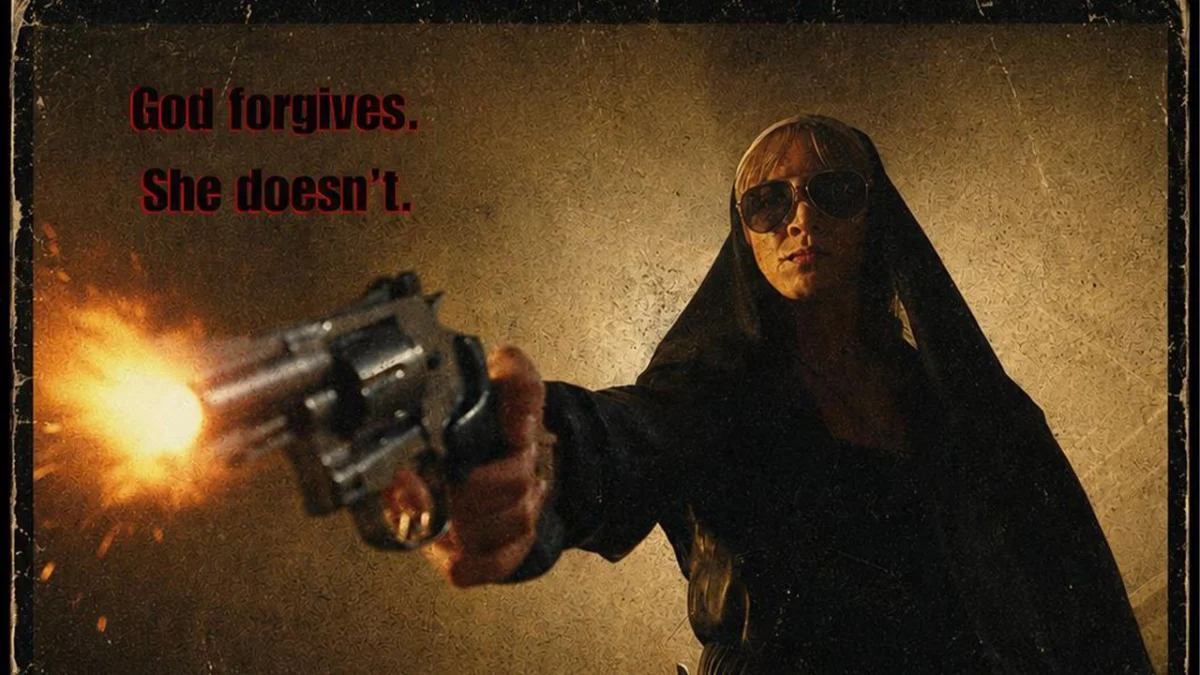
In an era dominated by the colossal spectacle of the Marvel Cinematic Universe and its ilk, a quiet revolution is brewing in the cinematic landscape. While CGI-laden blockbusters with astronomical budgets and star-studded casts have become the norm, there’s a growing nostalgia and appreciation for the raw, unadulterated charm of the B-movie. Leading this charge, with a wink and a prayer, is the micro-budget action thriller "Mary Magnum: Jiu-Jitsu Nun." This film, and its remarkably evocative poster, signals a potential revival of an art form that prioritizes audacious creativity and sheer, unadulterated fun over polish and perfection.
The Cinematic Landscape: A Sea of Sameness?
The modern film industry, particularly within the blockbuster sphere, has largely gravitated towards a formulaic approach. The emphasis on massive visual effects, meticulously crafted CGI worlds, and a predictable narrative arc often leaves audiences yearning for something more visceral and unexpected. This homogenization, while financially lucrative, has arguably led to a creative stagnation. The unique artistic expression that characterized earlier eras of filmmaking, especially the B-movie circuit, seems to have been lost in translation.
The B-movie, often characterized by its low budget, experimental nature, and often outlandish premises, was a breeding ground for innovation and genre-bending. These films weren’t afraid to be silly, to push boundaries, or to embrace the eccentric. They possessed a raw, unfiltered energy that resonated with audiences precisely because of their imperfections and their unapologetic embrace of their own unique vision. The current landscape, however, often feels like a polished, predictable echo of past successes, leaving a void for the kind of bold, idiosyncratic storytelling that B-movies once championed.
"Mary Magnum: Jiu-Jitsu Nun": A Beacon of B-Movie Revival
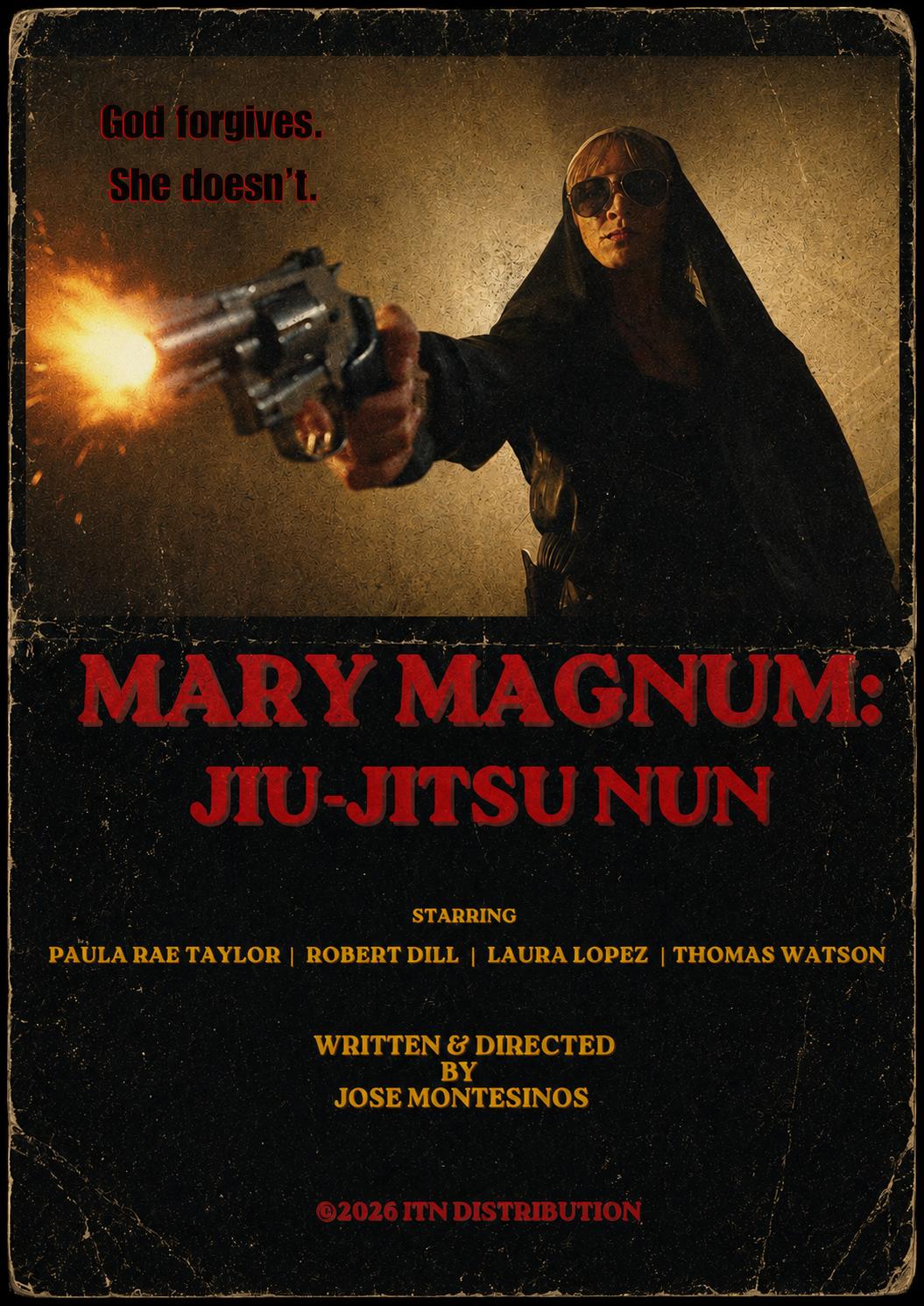
"Mary Magnum: Jiu-Jitsu Nun" has emerged as a potent symbol of this burgeoning B-movie renaissance. Its very title is a declaration of intent, a playful juxtaposition of the sacred and the profane, hinting at the delightfully absurd narrative that awaits. But it’s the film’s poster that truly captures the spirit of this revival. In a world where film posters are increasingly dominated by floating heads, minimalist designs, and a predictable emphasis on star power, the "Mary Magnum" poster stands out as a defiant and triumphant exception.
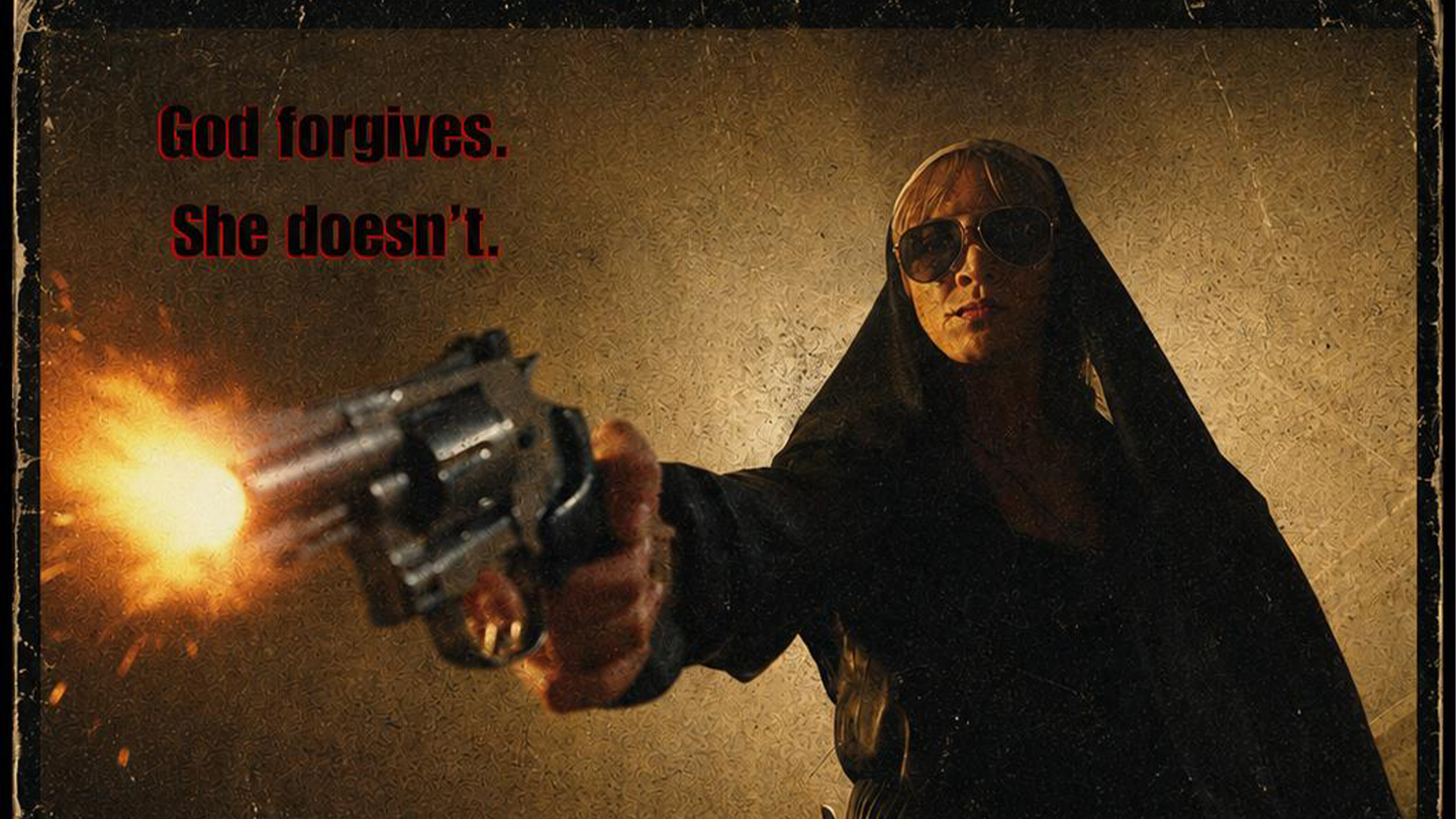
This striking visual is not merely a piece of marketing; it’s a meticulously crafted homage to a bygone era of cinematic art. It directly channels the aesthetic of 1970s grindhouse and exploitation films, complete with faded imagery, distressed edges, and a palpable sense of retro authenticity. The central figure, Mary Magnum herself, is depicted in a full nun’s habit, yet brandishing a firearm, a visual paradox that immediately sparks curiosity and intrigue. This striking image perfectly encapsulates the film’s likely tone: a thrilling blend of action, dark humor, and a subversive take on traditional archetypes.
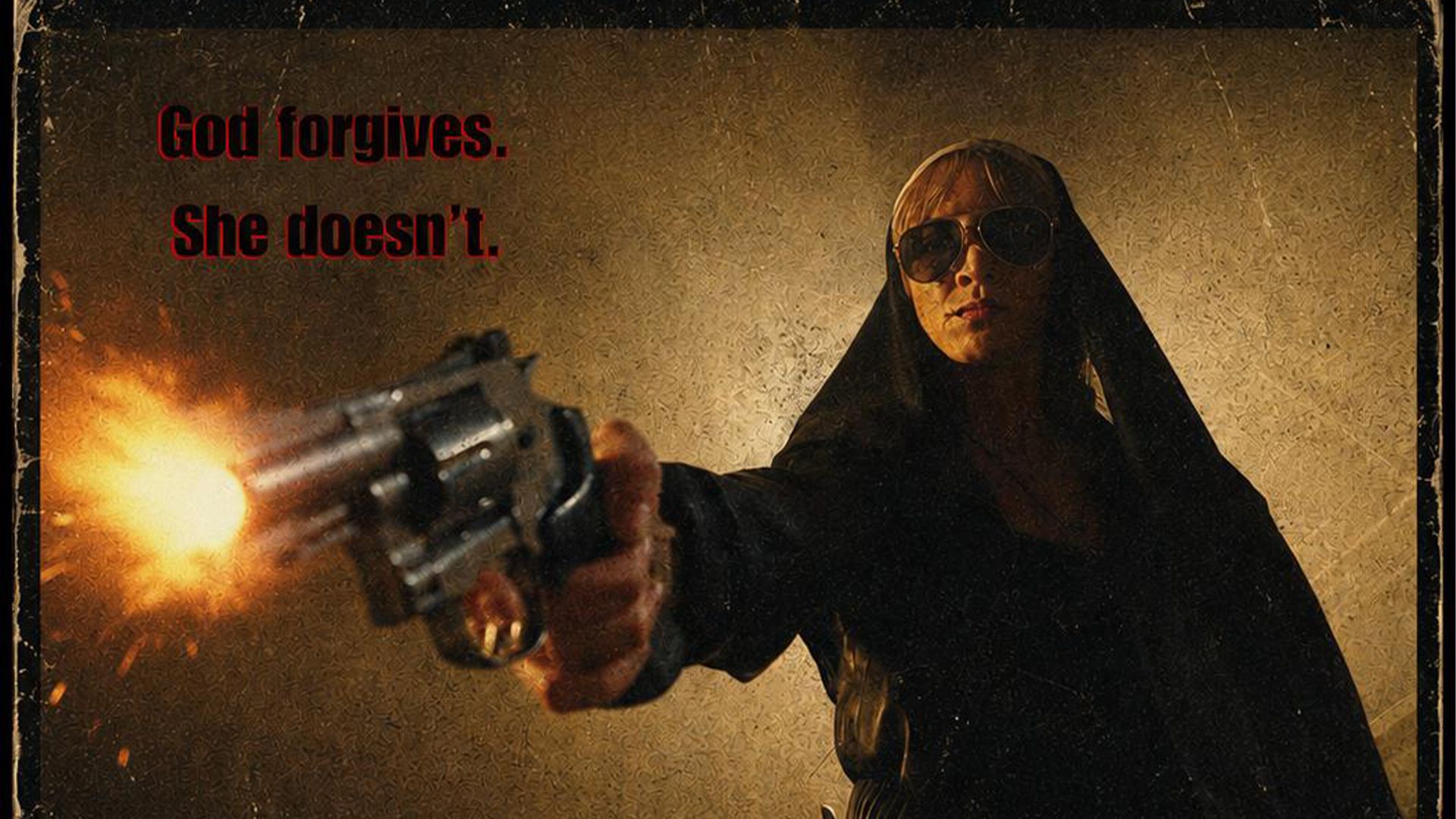
The poster’s success lies not just in its visual appeal but in its masterful execution of classic B-movie tropes. The hilariously cheesy tagline, "God forgives. She doesn’t," is a masterstroke of pulp fiction rhetoric, promising a tale of righteous vengeance with a divine twist. Coupled with the slick, Tarantino-esque typography, the poster achieves an artful balance between campy appeal and genuine stylistic flair. It’s a testament to the power of well-executed design to evoke a specific mood and genre, and in this case, it expertly transports the viewer back to the golden age of drive-in theaters and late-night movie marathons.
A Nostalgic Echo: The Rise of Retro Poster Design
The "Mary Magnum" poster is not an isolated incident. It’s part of a discernible trend of designers and filmmakers embracing retro aesthetics in their promotional materials. This resurgence of vintage design sensibilities can be seen in various creative fields, but its application to film posters is particularly potent. The recent poster for Lee Cronin’s "The Mummy," which deliberately mimicked the style of 1980s horror archives, is another prime example of this burgeoning trend.
This inclination towards retro design is likely fueled by several factors. Firstly, there’s a genuine appreciation for the artistic merits of these older styles. The hand-drawn illustrations, bold typography, and often dramatic compositions of classic posters possess a unique charm and visual impact that is distinct from contemporary digital design. Secondly, these retro designs tap into a potent vein of nostalgia. For audiences who grew up with these films or who have developed an appreciation for them through cultural osmosis, these posters evoke powerful emotional connections to their past.
Furthermore, in a crowded marketplace, a distinctive retro design can cut through the noise. It offers a visual language that is instantly recognizable and communicates a specific set of expectations about the film’s tone and content. For a film like "Mary Magnum," which deliberately leans into the B-movie aesthetic, the poster is not just an advertisement; it’s an integral part of its identity and its appeal.
The Internet’s Enthusiastic Embrace
The reaction to the "Mary Magnum: Jiu-Jitsu Nun" poster online has been overwhelmingly positive, underscoring the widespread appeal of this retro aesthetic and the film’s intriguing premise. Social media platforms and online forums have buzzed with excitement, with users expressing their delight at the film’s audacious title and its faithful homage to grindhouse cinema.
Comments from Reddit users, as cited in the original article, perfectly encapsulate this sentiment: "You already had me with the image on the poster you didn’t need to go so hard with the title," one user exclaimed, highlighting the immediate impact of the visual. Another praised, "What a name! What a premise! What a poster," succinctly capturing the multifaceted appeal of the film’s presentation. Perhaps the most telling endorsement came from a fan who declared, "Close enough, welcome back Grindhouse," signaling a collective yearning for the return of that specific brand of unfiltered, genre-defying cinema. This enthusiastic reception from the online community suggests that there is a significant and eager audience ready to embrace the return of the B-movie.
Thematic Underpinnings: Beyond the Gimmick
While the immediate appeal of "Mary Magnum: Jiu-Jitsu Nun" lies in its retro aesthetic and outlandish premise, there are deeper thematic implications to consider. The film’s embrace of the B-movie format can be seen as a commentary on the current state of the film industry and a deliberate counterpoint to the prevailing trends.
The Appeal of Imperfection: In a world saturated with polished perfection, there’s a growing fascination with the beauty of imperfection. B-movies, with their often visible limitations in special effects, acting, or storytelling, possess an authenticity that can be more engaging than flawlessly executed but soulless productions. "Mary Magnum" taps into this by celebrating the raw, unvarnished nature of low-budget filmmaking.
Genre Subversion and Playfulness: B-movies have historically been a playground for genre experimentation and subversion. "Mary Magnum: Jiu-Jitsu Nun" exemplifies this by blending the sacred imagery of a nun with the violent action of a jiu-jitsu thriller. This playful subversion of expectations is a hallmark of great B-movies and offers a refreshing departure from predictable genre conventions.
A Celebration of Creativity: The success of micro-budget films like "Mary Magnum" demonstrates that compelling storytelling and imaginative concepts can triumph over massive financial investment. It highlights the power of creativity and passion, proving that innovative ideas can find an audience regardless of their budgetary constraints. This serves as an inspiration to aspiring filmmakers and a reminder to established studios that artistic merit should not be sacrificed at the altar of commercial viability.
The Future of Film: Embracing the Unconventional
The rise of "Mary Magnum: Jiu-Jitsu Nun" and the resurgence of retro poster design suggest a potential shift in cinematic tastes. While blockbuster filmmaking will undoubtedly continue to dominate the box office, there is a growing appetite for more diverse, original, and unconventional cinematic experiences.
The B-movie revival, spearheaded by films like "Mary Magnum," offers a welcome antidote to the perceived predictability of mainstream cinema. It encourages a re-evaluation of what constitutes "good" filmmaking, shifting the focus from technical polish to imaginative storytelling, audacious creativity, and a willingness to embrace the unconventional.
As audiences continue to seek out unique and memorable cinematic experiences, the legacy of the B-movie, with its spirit of playful experimentation and unbridled passion, is poised for a significant comeback. "Mary Magnum: Jiu-Jitsu Nun" is not just a film; it’s a manifesto for a more daring, more diverse, and ultimately, more exciting future for cinema. It’s a reminder that sometimes, the most profound cinematic experiences come from the most unexpected, and delightfully silly, places. The era of the B-movie is not just returning; it’s being reimagined for a new generation, promising a future filled with more grit, more humor, and more of that glorious, unadulterated cinematic spirit.