The Enduring Charm of the Underdog: Why Dungeons & Dragons’ Kobolds Remain a Fan Favorite
Main Facts
In the vast, fantastical realms of Dungeons & Dragons, where fearsome dragons soar and mighty heroes clash with terrifying demons, a tiny, scaly creature with an inferiority complex has carved out a surprisingly large niche in the hearts of players: the kobold. Often dismissed as cannon fodder, these diminutive reptilian humanoids possess an undeniable charm, a blend of tenacity, cleverness, and an endearing vulnerability that belies their common role as low-level adversaries. They are not brave in the traditional sense, nor are they particularly fearsome, yet their presence in any campaign, whether as a cunning trap-setter, a bumbling antagonist, or even a player character, injects a unique brand of humor and challenge. This enduring affection for the underdog has fueled a vibrant subculture, leading to a diverse array of merchandise and even an entire tabletop role-playing game dedicated to their peculiar existence. From plush toys to strategic miniatures and satirical board games, the market reflects a deep appreciation for these often-underestimated denizens of the dark.
Chronology: The Evolution of a D&D Icon
The story of the kobold in Dungeons & Dragons is one of consistent presence and gradual, yet significant, evolution. First appearing in the earliest iterations of D&D, these creatures were envisioned as small, dog-like humanoids, often depicted with rat tails and a cowardly disposition. Their primary function was to serve as introductory monsters, easily overcome by fledgling adventurers, yet capable of posing a threat through sheer numbers or cunning traps. This foundational role established them as a rite of passage for many a fresh-faced dungeon crawler.
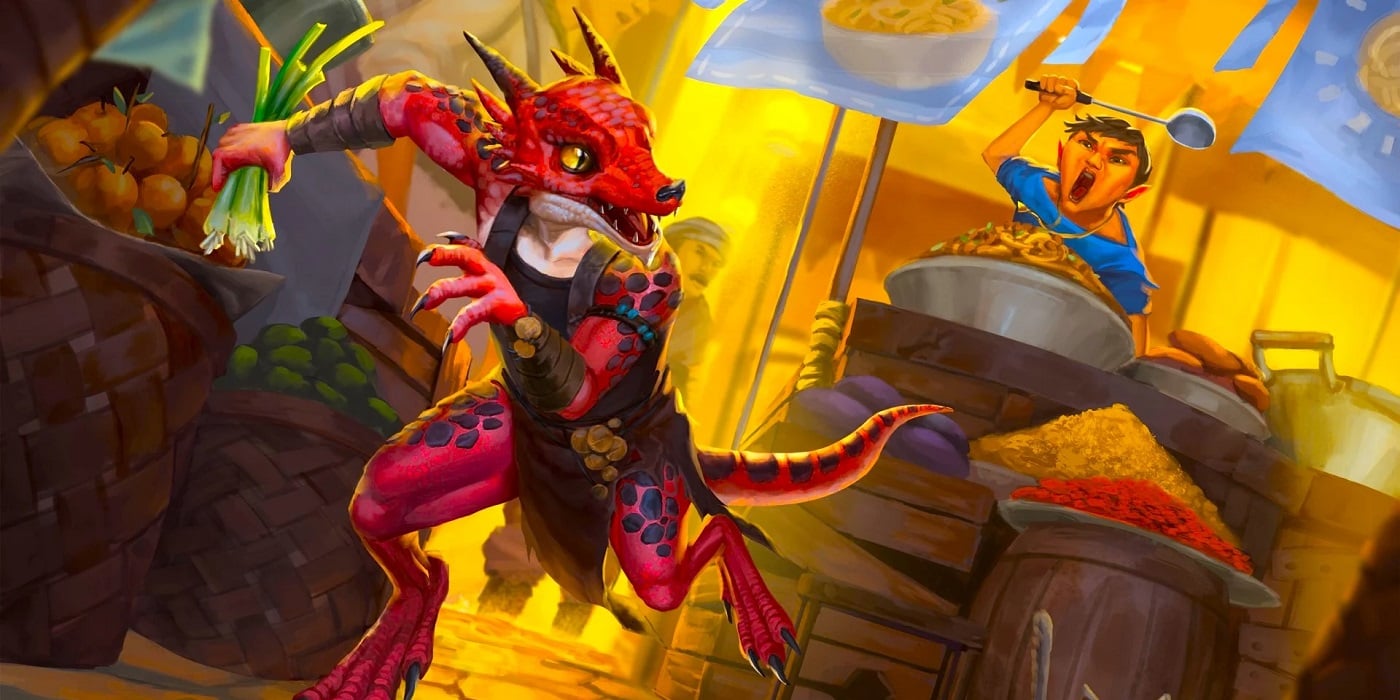
Over the decades, as D&D progressed through multiple editions, the visual and conceptual identity of kobolds refined. They shed some of their more canine features, embracing a distinctly reptilian appearance with scales, snouts, and often small horns, solidifying their image as miniature, albeit less formidable, cousins to dragons – a connection that would become increasingly important in their lore. Fourth Edition D&D, in particular, leaned into their draconic heritage, granting them specific abilities and tactics that reflected this lineage, such as breath weapons and a strong emphasis on group tactics.
Fifth Edition D&D further cemented their identity, offering detailed lore that painted them as industrious, often paranoid creatures with an innate talent for tunneling and trap-setting. They are often portrayed as subservient to larger, more powerful creatures, particularly true dragons, whom they revere as deities. This deep-seated veneration gives context to their occasional bursts of courage and their unwavering loyalty, even in the face of overwhelming odds. Their unique trait, "Pack Tactics," allowing them advantage on attack rolls when an ally is nearby, perfectly encapsulates their reliance on numbers and cooperation rather than individual strength. Conversely, their "Sunlight Sensitivity" highlights their preference for dark, subterranean environments, adding another layer to their ecological niche.
What truly makes kobolds endearing is this juxtaposition: their inherent weakness is often overcome by their cleverness and collective spirit. They might flee from a direct confrontation, but they will likely have prepared a series of deadly pit traps, collapsing tunnels, or noxious gas attacks to soften up their pursuers. This blend of vulnerability and ingenuity has made them dynamic adversaries, capable of frustrating even experienced adventuring parties, leading to memorable and often humorous encounters. Their distinctive, high-pitched yaps and squeaks, and their often-misguided bravado, further contribute to their unique charm, making them a recurring source of levity and tactical puzzle-solving in countless campaigns.
Supporting Data: Embracing the Kobold Mystique Through Merchandise and Media

The enduring appeal of kobolds has transcended the gaming table, manifesting in a vibrant market of merchandise and spin-off media that caters to their devoted fanbase. These items celebrate various facets of the kobold identity, from their perceived cuteness to their tactical prowess and even their more existential dilemmas.
‘Crying is a Free Action’ Shirt
This particular piece of apparel speaks directly to the heart of the D&D player experience, marrying the whimsical nature of kobolds with the often-frustrating realities of tabletop gaming. The phrase "Crying is a Free Action" is a clever play on D&D rules, where certain minor actions don’t consume a character’s turn. It embodies the emotional rollercoaster of a campaign: the exhilarating highs of critical successes, and the soul-crushing lows of rolling multiple natural ones.
The shirt features a tiny, seemingly distressed kobold, perfectly capturing the creature’s sometimes exaggerated reactions to adversity. It’s a humorous acknowledgment that, much like a kobold who might bravely challenge a dragon only to burst into tears when things go south, players too face moments of despair at the dice’s whim. This shirt is more than just fabric; it’s a badge of honor for those who understand the shared agony and absurdity of tabletop RPGs, a silent nod to fellow adventurers who have experienced their own "free action" crying moments. It serves as a reminder that even in failure, there’s a unique camaraderie and humor to be found, much like the resilient spirit of a kobold who, despite constant threats, always finds a way to carry on.
Kobold Cosmetic Bag
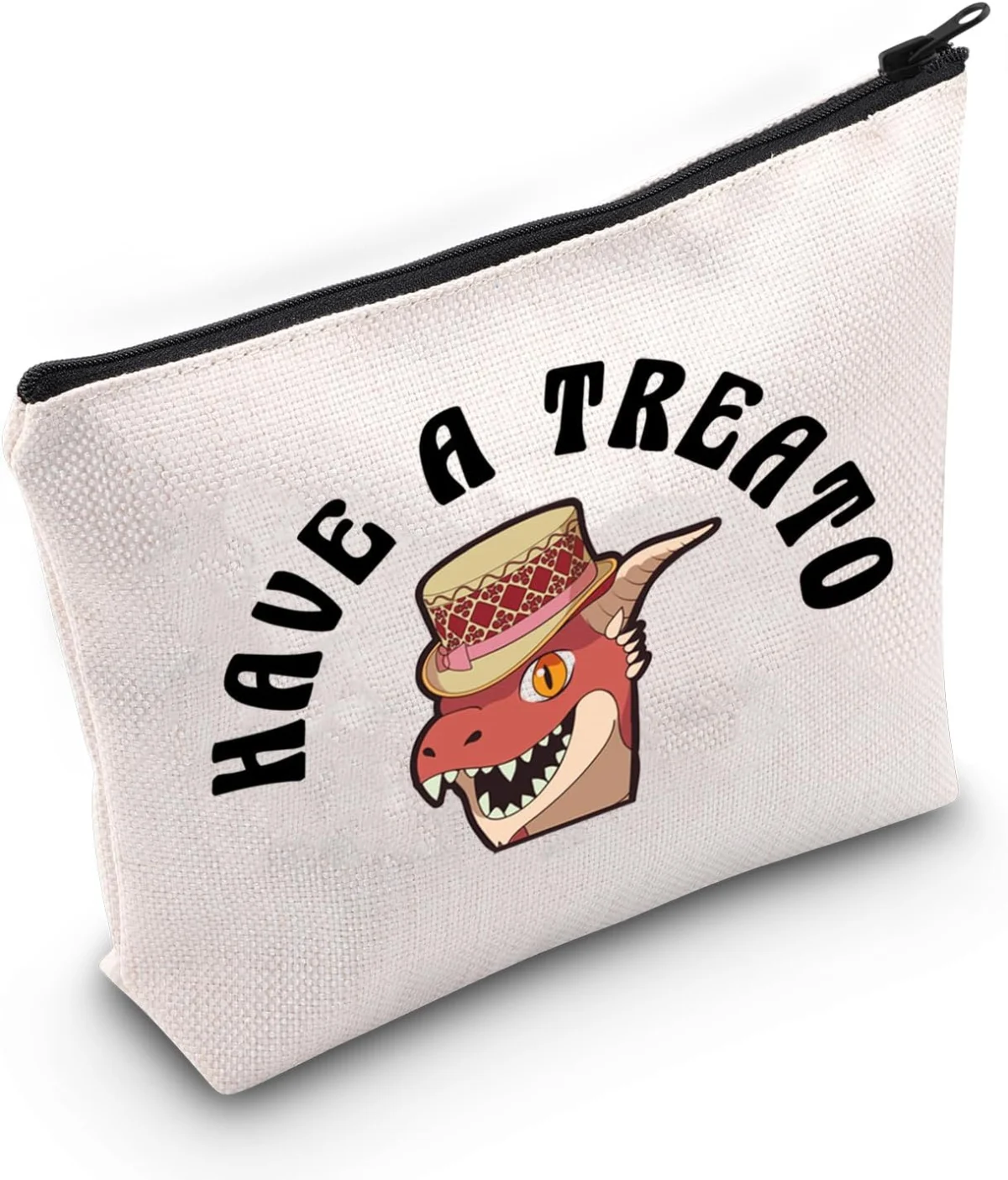
While ostensibly a "cosmetic bag," this item cleverly rebrands itself for the discerning tabletop gamer. The description immediately shifts focus from makeup to the essential accoutrements of a D&D session: pencils, dice, and miniatures. This versatility highlights the practical yet playful nature of the product, making it an ideal "treato" for any D&D enthusiast.

The bag features a "happy kobold zipper bag," suggesting an image of a cheerful, perhaps mischievous, kobold face. This visual choice reinforces the creature’s softer, more endearing side, contrasting with their usual portrayal as snarling dungeon dwellers. For players who appreciate the aesthetic of their favorite monsters but prefer them in a less threatening form, this bag offers a delightful compromise. It’s a subtle way to showcase one’s love for the game and its quirky inhabitants, providing a functional item that sparks joy and conversation at the gaming table. It also taps into the growing trend of gamers personalizing their accessories, transforming mundane items into extensions of their hobby and identity.
Plush Kobold
The plush kobold represents a radical departure from the creature’s traditional role as a low-level adversary. At seven inches tall and crafted from super-soft materials, this item transforms the scaly, often aggressive, monster into an undeniably "cute and squishable" companion. It challenges the very notion of what a D&D monster can be, inviting fans to embrace the softer side of these reptilian humanoids.
This plush toy embodies the "underdog" appeal of kobolds. Despite their lore often describing them as territorial and cunning, the plush version offers a comforting presence. It’s a tangible manifestation of the affection players feel for these creatures, allowing them to bring a piece of their D&D world into their everyday lives. Whether accompanying a player to their next adventure (figuratively or literally), adorning a gaming shelf, or simply providing a huggable comfort object, the plush kobold serves as a testament to the creature’s unexpected capacity for endearment. It’s a delightful paradox, transforming a creature meant to be defeated into one to be cherished, bridging the gap between game lore and real-world affection.
Kobold Warband Figures
Moving from the cuddly to the combative, the Kobold Warband Figures cater to the Dungeon Master’s need for tangible adversaries. These eight figures are designed to represent the typical kobold encounter: a group of small, determined, and often troublesome creatures. Unlike their solo brethren, a warband of kobolds can pose a significant threat, especially when employing their signature pack tactics and trap-setting prowess.

These miniatures are invaluable tools for DMs looking to bring their encounters to life on a battle map. They allow for clear visualization of combat, facilitating tactical decisions for both players and the DM. The description acknowledges a key aspect of kobold behavior: their tendency to flee when their numbers dwindle. This detail adds a layer of realism and tactical depth to encounters, reminding DMs that kobolds, despite their bravado, are ultimately survival-oriented. The figures represent the classic D&D experience, where even the smallest monsters can create memorable challenges, forcing players to think strategically about crowd control and environmental hazards. They are a staple for any DM’s monster collection, ready to spring an ambush or guard a hidden treasure.
Kobold Player Mini
The advent of player characters as kobolds marks a significant shift in how these creatures are perceived within D&D. No longer confined to the role of antagonists, kobolds can now be chosen as a playable race, offering players a unique perspective and a set of intriguing racial abilities. This custom-printed, sturdy resin miniature, standing at 26mm, provides a perfect avatar for such a character.
The miniature’s "roar" expression and weaponry are crucial details, encapsulating the kobold’s infamous blend of ferocity and vulnerability. A kobold player character might be physically weaker than an orc or a human, but their cunning, pack tactics, and draconic heritage make them formidable in their own right. This mini is "ready to paint," inviting players to personalize their character, further cementing their connection to their tiny, scaly alter ego. Choosing to play a kobold is often a statement – a choice to embrace the underdog, to utilize cleverness over brute strength, and to embody a creature often underestimated. This miniature provides the perfect physical representation of that choice, allowing players to fully immerse themselves in the experience of being a small but mighty adventurer.
Kobolds Ate My Baby
Stepping beyond D&D, "Kobolds Ate My Baby!" (K.A.M.B.) is a prime example of how a popular D&D creature can inspire entirely new, unique gaming experiences. This short, simple, and hilariously fun tabletop RPG subverts all expectations. Instead of playing heroic adventurers, players embody a pack of hungry kobolds, competing to be the first to find and, indeed, eat a baby. It’s a game built on absurdity, dark humor, and frantic competition.

K.A.M.B.’s charm lies in its minimalist rules and maximum chaotic fun. Games are designed to be quick and easy to learn, making it an excellent party game or a palate cleanser between longer campaigns. A standout rule, limiting kobolds’ speech abilities to only five words, adds another layer of comedic interaction, forcing players to communicate in hilariously stunted phrases. This mechanic not only reinforces the primal, less articulate nature often attributed to kobolds but also generates spontaneous laughter as players struggle to convey complex ideas with simple shouts.
The game’s art style, depicting kobolds as "dog-gremlins" rather than the more lizard-like D&D versions, offers a fresh take on their appearance, further distinguishing it from its D&D inspiration while retaining the core mischievous spirit. K.A.M.B. is a testament to the versatility of the kobold concept, demonstrating that these creatures can serve as effective protagonists in a narrative driven by pure, unadulterated silliness. It’s a beloved cult classic that proves the enduring power of a simple, compelling, and utterly ridiculous premise.
Community and Creative Interpretations: The Roar of the Fanbase
While the original article does not provide direct "official responses" from Dungeons & Dragons developers regarding this specific merchandise, the existence and popularity of these items are, in themselves, a powerful "response" from the D&D community. The consistent presence of kobolds across D&D editions, along with the detailed lore and mechanics provided by Wizards of the Coast (WotC), clearly demonstrates their intent to keep these creatures relevant and engaging. WotC’s continued development of kobold lore, offering them as both formidable foes and intriguing playable characters (as seen in resources like the D&D Race Guide), serves as an official endorsement of their depth and versatility.

The diverse range of merchandise, from plush toys to RPGs, signifies a grassroots "official response" from the fanbase. It indicates that players are not just consuming the lore but actively engaging with it, expressing their affection through purchases and creative endeavors. The "Crying is a Free Action" shirt, for instance, is a prime example of fan culture creating inside jokes and memes that resonate deeply within the community. Similarly, the existence of "Kobolds Ate My Baby!" showcases how creators outside of WotC can take inspiration from D&D’s bestiary and craft entirely new, successful gaming experiences that celebrate a monster’s unique attributes, even if those attributes are exaggerated for comedic effect.
This robust fan engagement extends beyond purchasing products. Online forums, art communities, and homebrew content creators frequently feature kobolds in various roles – as tragic figures, cunning villains, or even unlikely heroes. This collective creative output further solidifies the kobold’s status as a D&D icon, demonstrating that their appeal transcends mere stat blocks and challenge ratings. It’s a testament to the open-ended nature of D&D, where a seemingly minor monster can inspire endless tales and products, driven by the collective imagination and affection of its players.
Implications: The Enduring Legacy of the Little Dragon-Kin
The enduring popularity of Dungeons & Dragons’ kobolds, evidenced by their consistent presence in lore, their evolution through editions, and the burgeoning market of related merchandise and spin-off games, holds several significant implications for the world of tabletop role-playing.

Firstly, it underscores the power of character and narrative, even for seemingly minor adversaries. Kobolds are not merely generic monsters; they possess a distinct personality, a set of relatable fears and aspirations (primarily survival and draconic reverence), and a unique tactical approach. This depth transforms them from disposable enemies into memorable elements of a campaign, capable of eliciting a range of emotions from players – frustration, amusement, and even a strange sense of empathy.
Secondly, the diverse nature of kobold-themed products highlights the multifaceted appeal of D&D creatures. They can be cute and cuddly (plush toys), practical and personalized (cosmetic bags and player minis), challenging and strategic (warband figures), or even the subject of irreverent humor (Kobolds Ate My Baby). This demonstrates that fan engagement is not monolithic; different aspects of a creature’s lore and persona can resonate with different players, leading to a broad spectrum of creative and commercial expressions.
Finally, the phenomenon of the kobold as a fan favorite reinforces the idea that in D&D, the "underdog" can often steal the show. Players often gravitate towards characters and concepts that defy expectations, that offer a unique challenge or a refreshing perspective. The kobold, with its inherent weaknesses offset by its cunning and collective spirit, perfectly embodies this underdog narrative. Their story, whether as foes or allies, is one of resilience, ingenuity, and a surprising capacity for charm, cementing their place not just as low-level monsters, but as true icons of the Dungeons & Dragons universe. As the D&D landscape continues to evolve, it is clear that these little dragon-kin will continue to yip, scheme, and cry their way into the hearts of adventurers for generations to come.
Please note that BoLS may earn a commission when you purchase through links on our site. We need that money to buy a thousand Kobold guards.