The Enduring Enigma of Disney’s One-Word Titles: A Deep Dive into the Art of Simplicity
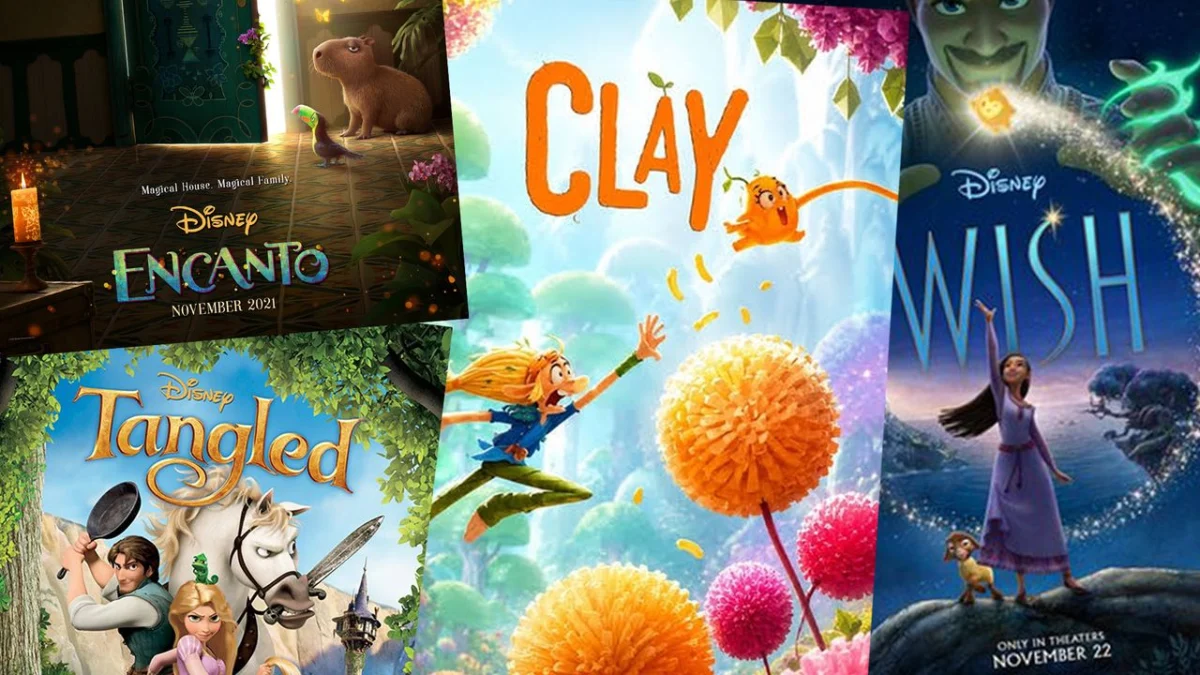
The recent D23 fan event, a veritable treasure trove of Disney announcements, once again ignited a familiar conversation among animation enthusiasts and industry observers: the persistent allure of the one-word movie title. While the unveiling of Pixar’s "Ghost Market," the nostalgic return of "Disney’s Oswald," and the intriguing reveal of "Clay" all captured headlines, it was the seemingly simple naming convention that sparked a deeper, more enduring debate. Why does Disney, a studio synonymous with rich storytelling and expansive worlds, consistently opt for brevity in its titles? This article delves into the history, strategic advantages, and potential drawbacks of this enduring trend.
The Latest Chapter in a Long Story: "Clay" and the Resurgence of the Debate
The announcement of "Disney’s Clay," slated for a 2028 release, served as the latest catalyst for this ongoing discussion. The film, which will employ 3D CG animation to meticulously replicate the aesthetic of claymation, follows the journey of a reluctant mentor and a newborn ball of clay named Musy. However, for many, the title itself felt less like a creative flourish and more like a placeholder. Critics and fans alike have voiced their frustration, likening it to utilitarian titles like "Snakes on a Plane" and questioning Disney’s apparent reluctance to bestow more descriptive or evocative names upon its films.
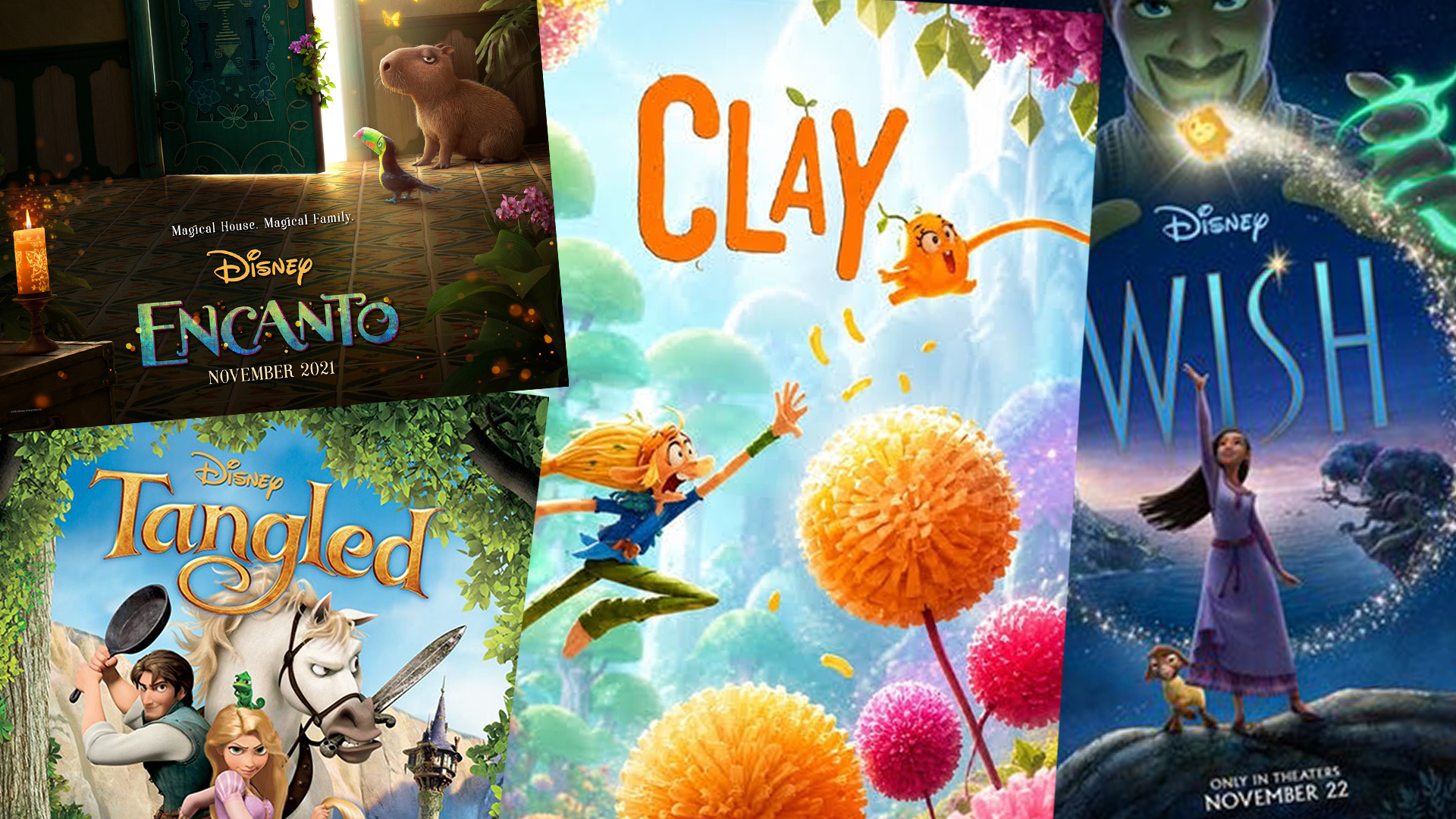
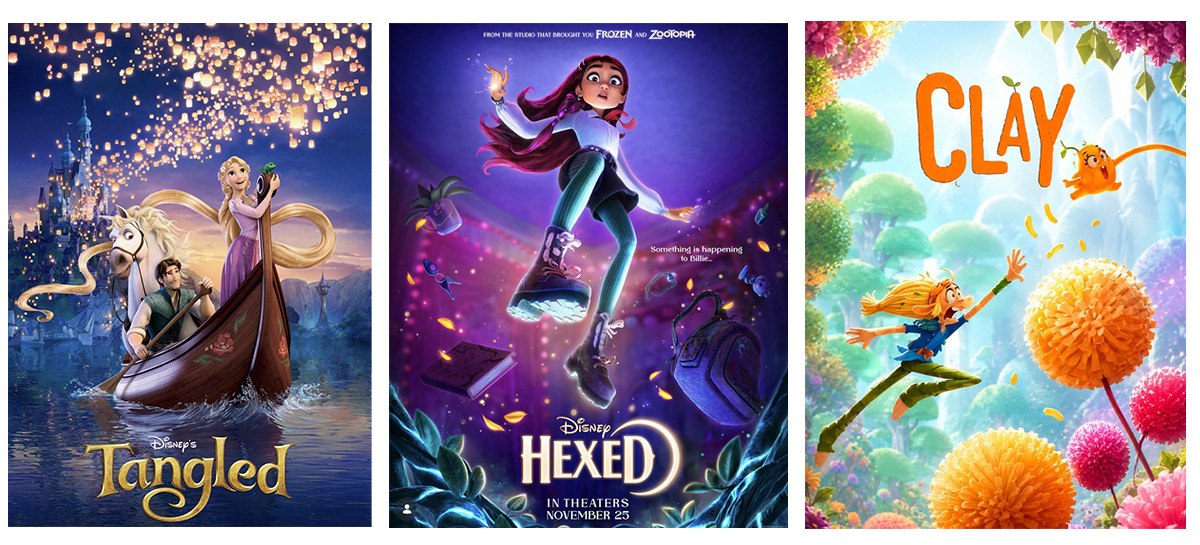
This sentiment is not new. Social media platforms have become fertile ground for this critique, with users lamenting what they perceive as a generic and unimaginative approach to titling. Tweets and posts have highlighted a growing list of Disney and Pixar films characterized by single, often abstract, words: "Tangled," "Frozen," "Brave," "Wish," "Moana," "Zootopia," "Cars," "Coco," "Soul," "Onward," "Elemental," and the upcoming "Hexed" and "Hoppers." The common thread is a brevity that, for some, fails to convey the depth and uniqueness of the stories within.
A Historical Perspective: From Fairy Tales to Abstract Concepts
While the current wave of one-word titles might feel like a recent phenomenon, the practice is deeply embedded in Disney’s cinematic history. Even in its earliest days, the studio demonstrated a penchant for concise titles. Following the groundbreaking "Snow White and the Seven Dwarfs" (1937), a rare exception with a multi-word title, came a string of single-word successes: "Pinocchio" (1940), "Fantasia" (1940), "Dumbo" (1941), and "Bambi" (1942). These titles, often named after the central character, provided immediate recognition and established a clear identity for each film.
The Disney Renaissance era in the 1990s continued this trend with titles like "Aladdin" (1992), "Hercules" (1997), "Mulan" (1998), and "Tarzan" (1999). In many of these instances, the titles were derived from established mythological figures or literary characters, leveraging existing familiarity to draw audiences in.
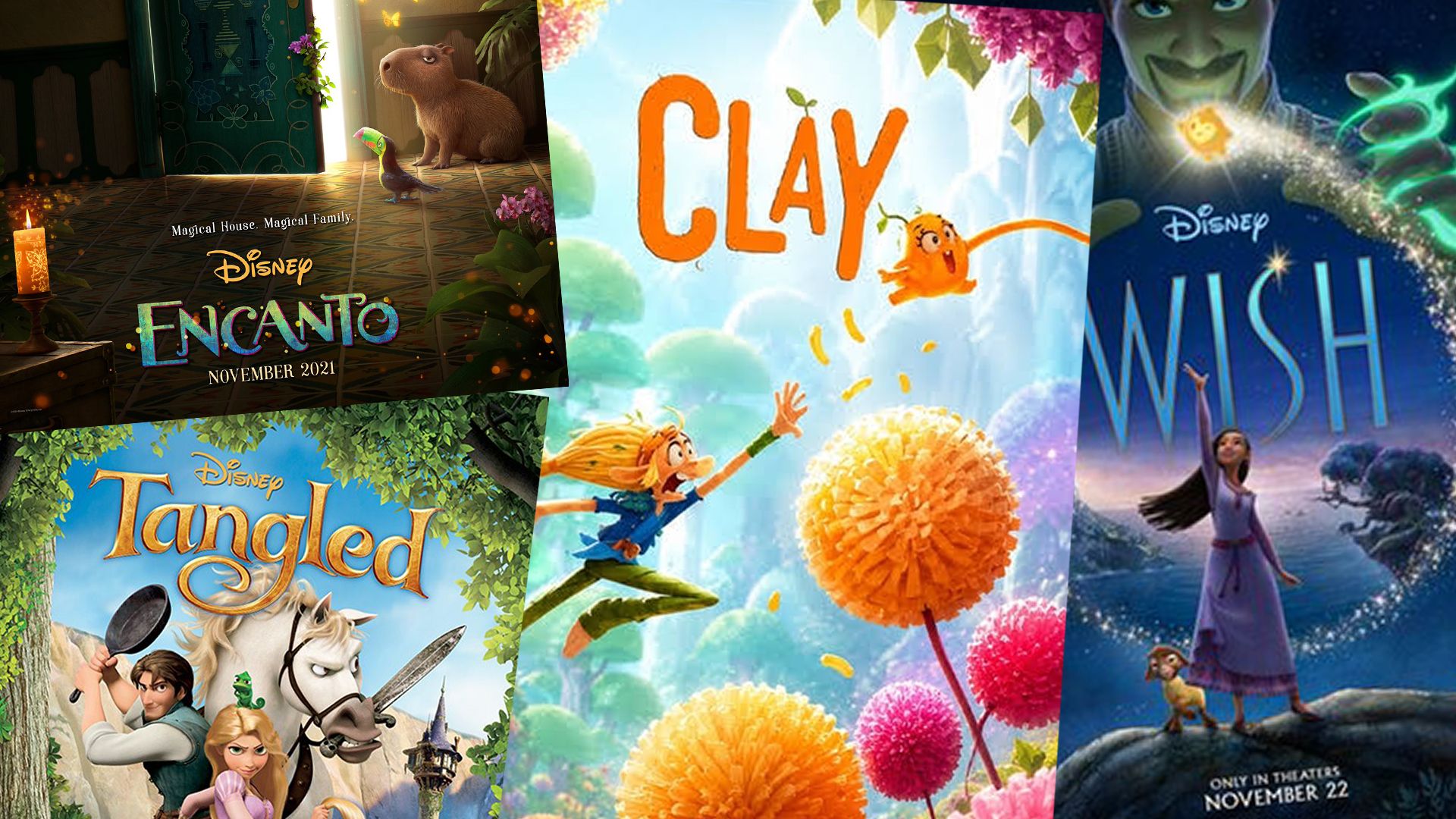
However, a significant shift has occurred. As Disney moved beyond adapting classic European fairy tales and drew inspiration from a wider array of global folklore and conceived entirely original narratives, the strategy of naming films after pre-existing characters became less viable. This transition necessitated a move towards more abstract or conceptual titles. The perceived failure of Pixar’s "Elio" to capture widespread attention has been cited as a potential consequence of this titling strategy when the characters themselves are not yet established in the public consciousness.
The Strategic Brilliance of Brevity: Unpacking the Advantages
Despite the criticisms, the consistent adoption of one-word titles by Disney and Pixar is far from accidental. It represents a sophisticated and multi-faceted marketing and branding strategy with several key advantages:
1. Brand Identity and Memorability:
A single, punchy word is inherently more memorable and easier to engrave in the public consciousness. This brevity allows for the creation of a strong, instantly recognizable brand identity. Think of "Frozen" – the word itself evokes a sense of cold, magic, and perhaps isolation, all central themes of the film. This simplicity translates directly into effective branding across various platforms.
2. Visual Appeal and Merchandising:
In the realm of visual media, a concise title is a designer’s dream. A single word lends itself perfectly to impactful logos that can be easily integrated onto merchandise, theme park attractions, and digital thumbnails on streaming services. The clean aesthetic of a one-word title ensures it stands out amidst a crowded visual landscape, whether it’s on a t-shirt, a ride entrance, or a streaming platform interface.
3. Universal Comprehension and Translation:
In an increasingly globalized entertainment market, titles need to resonate across cultures and languages. Abstract, conceptual words like "Soul" or "Brave" often carry similar emotional weight and thematic resonance regardless of linguistic background. This universality simplifies the translation process, often negating the need for awkward or culturally specific adaptations. In many cases, these titles are left untranslated, preserving their intended impact.
4. Appealing to a Wider Audience:
The shift away from character-centric titles like "Rapunzel" or "The Snow Queen" to more abstract ones like "Tangled" and "Frozen" can be seen as a strategic move to broaden appeal. By avoiding overtly gendered or genre-specific terms, Disney aims to attract a wider demographic, including young boys who might otherwise be hesitant to engage with films perceived as solely "princess movies." This approach positions Disney’s animated features as sophisticated, four-quadrant cinematic experiences rather than purely children’s entertainment.
5. High-Concept Summaries:
Many one-word titles function as high-concept summaries of the film’s core themes and narrative. Pixar, in particular, excels at this, often employing titles that are plays on words or encapsulate the central emotional or philosophical underpinnings of their stories. "Inside Out" immediately suggests a focus on internal emotional states, while "Elemental" points to the fundamental forces at play in the narrative. These titles offer a tantalizing glimpse into the movie’s essence, sparking curiosity without revealing too much.
The Counterarguments: Lost Nuance and Missed Opportunities
Despite the undeniable strategic advantages, the persistent reliance on one-word titles is not without its detractors. The primary concern revolves around the potential loss of nuance and the missed opportunity to convey richer thematic elements.
1. Lack of Specificity and Insight:
Critics argue that overly simplistic titles can be too vague, offering little insight into the film’s unique premise or emotional core. As one fan expressed on X (formerly Twitter), "These simple, yet non-specific to the film, titles give me no insight or uniqueness to what the film is." This lack of specificity can make it harder for audiences to connect with a film on a deeper level before even experiencing it.
2. The "Generic" Label:
The sheer volume of one-word titles from both Disney and Pixar has led some to label the trend as "generic." When a significant portion of a studio’s output shares a similar titling convention, it can diminish the individuality of each film and create a sense of repetition. This is particularly true when the chosen word doesn’t immediately evoke a strong visual or emotional connection to the film’s content.
3. Nostalgia for Richer Titles:
For long-time fans, there’s a sense of nostalgia for the more elaborate titles of the past, such as "The Adventures of Ichabod and Mr. Toad" or "The Many Adventures of Winnie the Pooh." These titles hinted at epic journeys and the charm of ensemble casts, offering a promise of expansive storytelling. The current trend, while efficient, can feel less inviting to those who appreciate the evocative power of a more descriptive title.
Official Responses and Industry Perspectives
While Disney and Pixar rarely issue direct statements addressing their titling strategies, the consistent pattern speaks volumes. Industry insiders and marketing professionals often point to the data-driven nature of film titling. The success of existing one-word titles, coupled with market research on memorability and broad appeal, likely reinforces this approach.
Jared Bush, Disney’s Chief Creative Officer and a key figure behind films like "Zootopia" and "Encanto," has often spoken about the importance of finding a title that is both "memorable and evocative." While he hasn’t explicitly defended the one-word trend, his focus on finding the right word suggests a deliberate and thoughtful process, even if the outcome is brevity. The intention, it seems, is to distill the essence of the film into its most potent form.
Implications for the Future of Animation Titling
The enduring popularity of one-word titles within the Disney and Pixar empires suggests that this trend is unlikely to fade anytime soon. The strategic advantages in branding, marketing, and global reach are simply too significant to ignore. However, the ongoing debate highlights a crucial tension: the balance between efficient, universally appealing branding and the desire for titles that are deeply evocative, specific, and unique.
As animation continues to evolve, pushing creative boundaries in storytelling and visual artistry, the debate over titling will likely persist. While "Clay" may be the latest example to spark discussion, it serves as a reminder that the seemingly simple act of naming a film is a complex and powerful element of its identity. For now, it appears that Disney and Pixar will continue to bet on the power of a single word to capture the imagination of audiences worldwide, leaving us to ponder the profound impact of brevity in the art of cinematic storytelling. The question remains: will audiences ultimately embrace this minimalist approach, or will a desire for more descriptive and resonant titles eventually lead to a shift in strategy? Only time, and perhaps future D23 announcements, will tell.