The Evolution of a Legacy: Inside the Peanuts Renaissance and the Making of ‘There’s No Place Like Home, Snoopy’
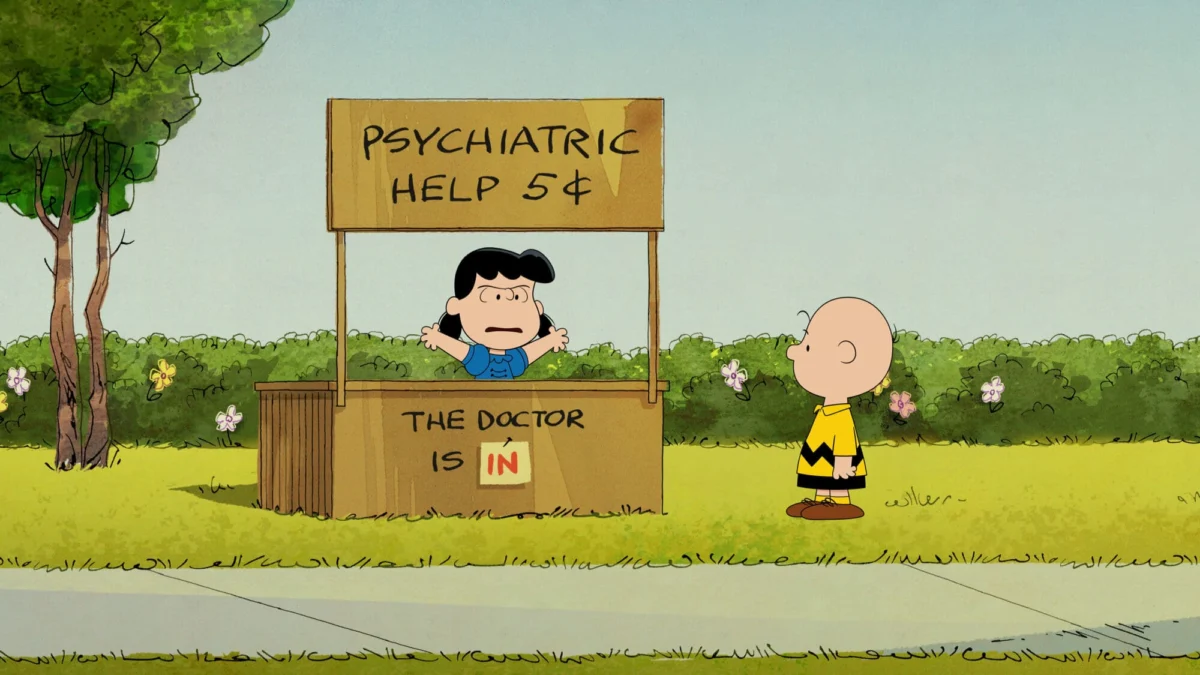
The enduring legacy of Charles M. Schulz’s Peanuts has found a sophisticated second life in the digital age. Since the 2019 debut of Apple TV+, the streamer has served as the exclusive custodian of new Peanuts content, fostering a creative partnership with WildBrain Studios that has revitalized Charlie Brown, Snoopy, and the rest of the gang for a 21st-century audience.
On July 31, 2026, this partnership reaches a new milestone with the release of the animated special, Snoopy Presents: There’s No Place Like Home, Snoopy. Unlike the holiday-themed classics of the 1960s and 70s, this production delves into the emotional core of the franchise’s most iconic imagery: Snoopy’s red doghouse. Led by executive producer and writer Mark Evestaff, the project represents the most ambitious narrative undertaking for the creative team to date, balancing the weight of a 75-year history with the demands of modern long-form storytelling.
Main Facts: A Narrative Centered on Loss and Memory
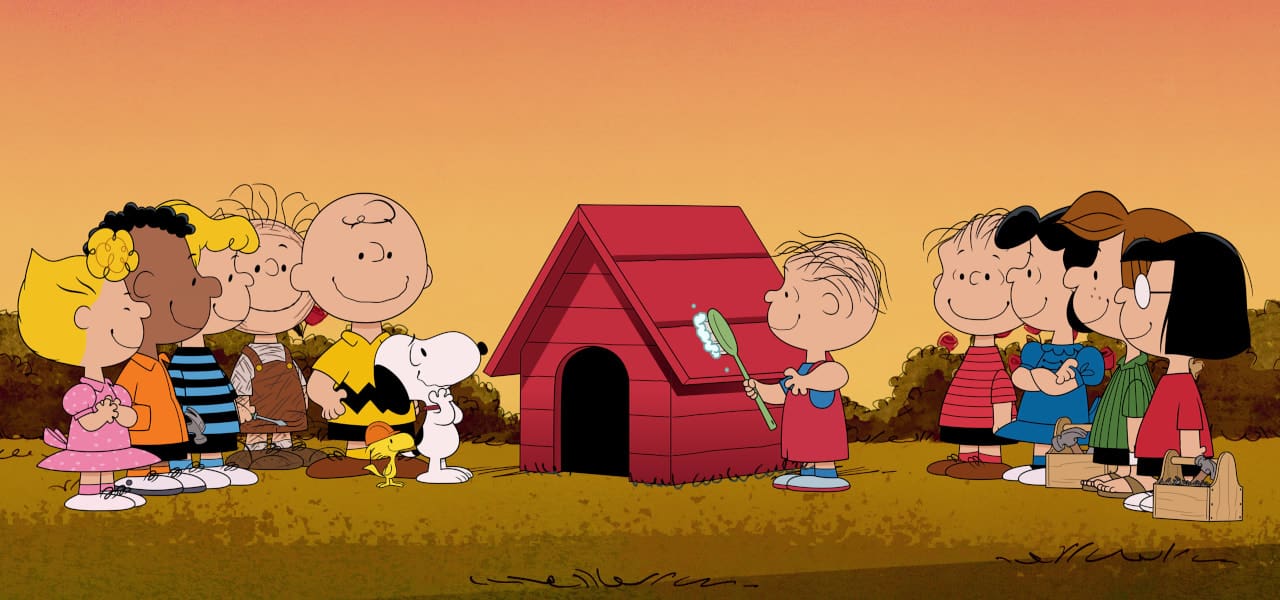
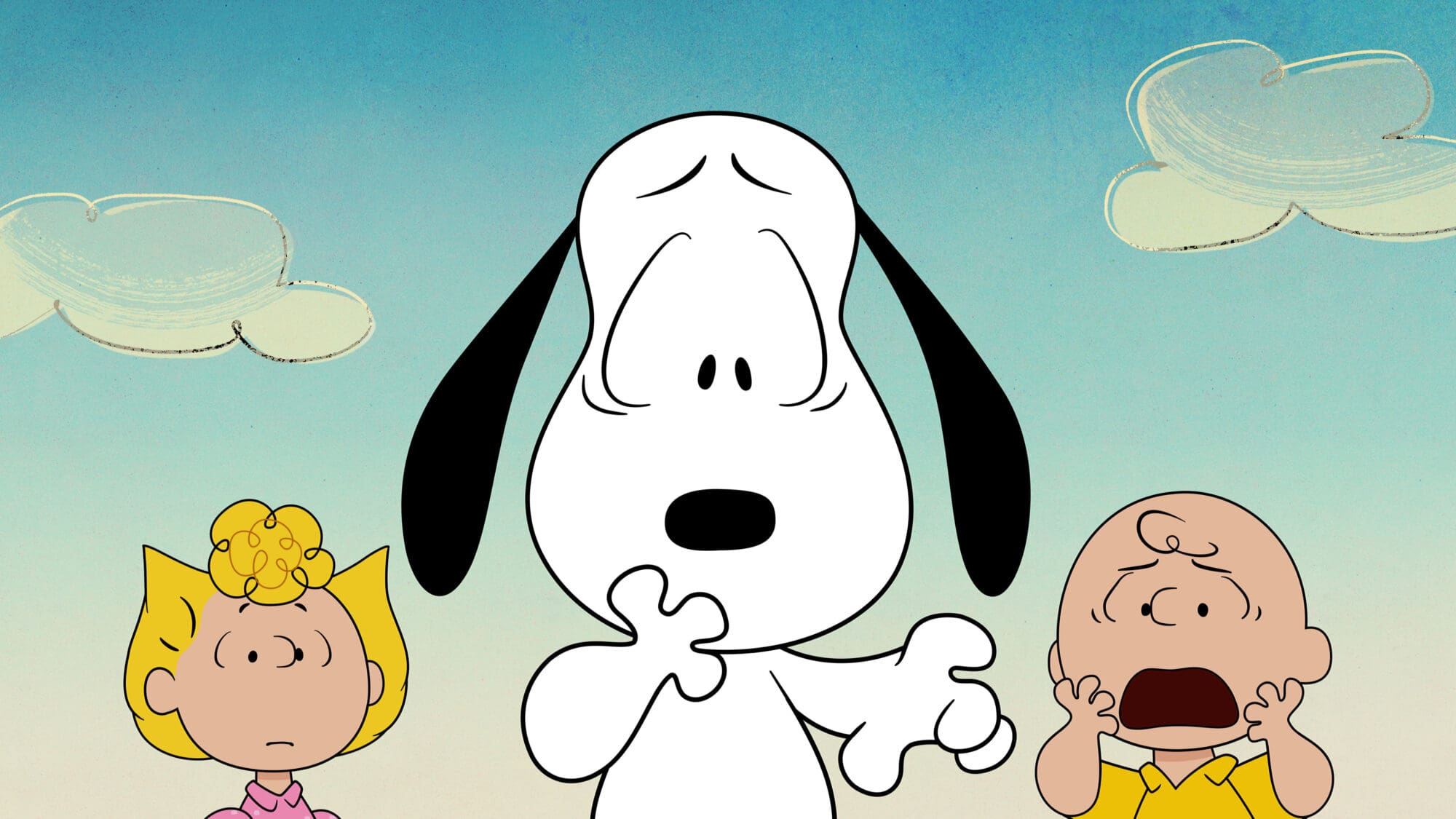
Snoopy Presents: There’s No Place Like Home, Snoopy shifts the focus away from the typical ensemble dynamics of the neighborhood to explore a deeply personal crisis for the world’s most famous beagle. The plot is set in motion by a quintessential Peanuts misunderstanding: Sally Brown, in an effort to clear out clutter for a yard sale, accidentally sells Snoopy’s beloved red doghouse.
The special follows Snoopy, Woodstock, and Charlie Brown as they embark on a quest to recover the structure. However, the narrative serves as more than a simple rescue mission. It functions as a retrospective of the doghouse’s significance, utilizing flashbacks and emotional vignettes to illustrate why this simple wooden box is the center of Snoopy’s universe.
The creative team behind the special includes a roster of Peanuts veterans:
- Mark Evestaff: Executive Producer and Writer, who has been a primary architect of the Apple TV+ era.
- Rob Boutilier: Series Director, known for his deep reverence for Schulz’s original line work.
- Alex Galatis: Head Writer, tasked with expanding the brevity of comic strips into a cohesive half-hour script.
- Ridd Sorensen: Episodic Director, focusing on the visual pacing of the special’s more experimental sequences.
Chronology: The Road to the Modern Special (2019–2026)
The journey to There’s No Place Like Home, Snoopy began nearly seven years ago, marking a steady evolution in how WildBrain and Apple TV+ approach the IP.
The Launch: Snoopy in Space (2019)
The partnership began with Snoopy in Space, a series developed by Evestaff and Betsy Walters. This initial foray was designed to test the waters of modernizing the characters while maintaining their classic aesthetic. It successfully introduced the "educational entertainment" model, partnering with NASA to ground Snoopy’s fantasies in scientific reality.
The Foundation: The Snoopy Show (2021–2023)
Following the success of the initial launch, the team pivoted back to the roots of the comic strip with The Snoopy Show. These episodes were largely modular, consisting of seven-minute segments that mirrored the pacing and "gag-centric" nature of Schulz’s daily strips. This era allowed the animators to refine the "Schulz look"—a specific style of 2D animation that replicates the jittery, hand-drawn lines of the original ink drawings.
The Expansion: The "Snoopy Presents" Era (2024–Present)
As the creative team gained the trust of Peanuts Worldwide and the Schulz family, the focus shifted toward longer-form specials. These "Snoopy Presents" titles began tackling more complex social and emotional themes, such as environmentalism in It’s the Small Things, Charlie Brown and family dynamics in Lucy’s School. This chronological progression led directly to the current special, which Evestaff describes as a story that required years of groundwork to execute properly.
Supporting Data: The Art of Silent Storytelling and Musical Integration
A significant portion of There’s No Place Like Home, Snoopy relies on the non-verbal rapport between Snoopy and Woodstock. Writing for a protagonist who does not speak presents unique challenges in a 30-minute format.
Balancing Dialogue and Pantomime
According to production data, the special features a higher ratio of non-verbal sequences than previous Apple TV+ entries. The creative team had to resist the urge to "over-vocalize" Snoopy. In early development, there was a risk of giving the characters too many "Snoopy-isms"—the expressive whimpers and growls popularized by Bill Melendez. Instead, the team leaned into visual storytelling, using the doghouse as a silent character whose absence is felt through the framing of shots.
The Role of the Soundtrack
Music has always been the heartbeat of Peanuts, from Vince Guaraldi’s jazz scores to modern interpretations. For this special, the team integrated a central anthem titled "Home, Where Your Heart Found Me," performed by Allen Stone.
- Narrative Impact: The song was not merely an overlay; the storyboards were actively rewritten to sync with Stone’s performance.
- Thematic Resonance: The track acts as a bridge between Snoopy’s various personas—the World War I Flying Ace, Joe Cool, and the novelist—unifying them under the theme of "home."
Official Responses: Honoring the Schulz Vision
In a recent industry dialogue, Mark Evestaff emphasized that every creative decision is filtered through the "guiding principle" of Charles M. Schulz’s original vision. With over 18,000 comic strips in the archive, the team treats the source material as a sacred text.
"Every story idea we had… was born from those strips," Evestaff noted. He highlighted that while the technology has changed, the "sweet spot" for Peanuts remains the balance between simplicity and emotional honesty. The decision to "break" or "lose" the doghouse was not taken lightly. Evestaff revealed that the Schulz family and Peanuts Worldwide were involved in every step of the process to ensure that the emotional stakes felt earned rather than exploitative.
The team also acknowledged the influence of Bill Melendez and Lee Mendelson, the original architects of the Peanuts television specials. By maintaining the "pacing, the staging, and the simplicity" of the 1960s classics, the modern creators aim to provide a sense of continuity that is rare in legacy IP reboots.
Implications: The Future of Legacy IP and the Feature Film Horizon
The success of the Apple TV+ Peanuts era has broader implications for the animation industry and the management of legacy brands.
Quality Over Quantity
In an era where many legacy franchises are "content-mined" to the point of exhaustion, the Peanuts strategy has been one of deliberate, uncompromising quality. By focusing on a few high-quality specials a year rather than a constant stream of lower-budget content, Apple and WildBrain have maintained the brand’s prestige. This "boutique" approach to animation has proven that audiences—both nostalgic adults and new children—respond to projects that prioritize artistic integrity.
The Path to the Big Screen
The creative momentum generated by There’s No Place Like Home, Snoopy is a direct precursor to the next major milestone for the franchise: the upcoming feature film, Snoopy Unleashed. While developed by a separate crew, the feature will benefit from the technical innovations and character development established during the Apple TV+ run.
The "Evergreen" Appeal
The release of this special reinforces the idea that Peanuts is an "evergreen" property. By focusing on universal themes—loss, the meaning of home, and the value of friendship—the creators ensure the content remains relevant regardless of the technological landscape. Evestaff’s reflection that "everything in life seems so fleeting, this is something that has stayed and endured" encapsulates the industry’s view of the brand.
As Snoopy Presents: There’s No Place Like Home, Snoopy begins its streaming tenure, it stands as a testament to the power of respectful modernization. It proves that even a 75-year-old beagle can learn new tricks, provided they are performed with the same heart and soul that Charles Schulz first put to paper in 1950.